 Not Evaluated
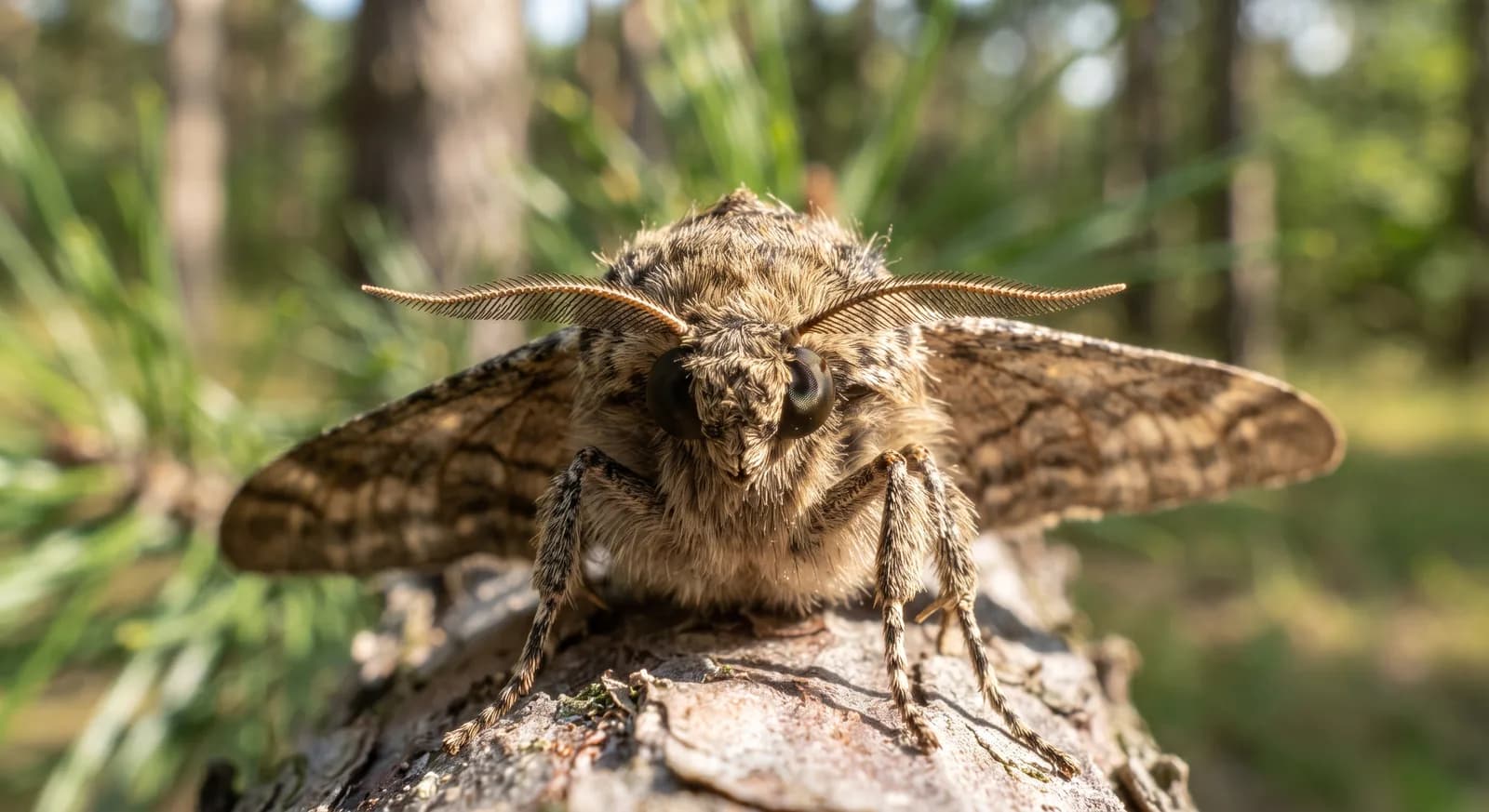
Pine Processionary
Thaumetopoea pityocampa
A mixed property combining the best-preserved Posidonia meadows in the Mediterranean with Phoenician-Punic and Renaissance Ibiza.
Area
90 km²
Designated in
1999
Region
Southern Europe
Posidonia oceanica meadows of ses Salines
On 4 December 1999 UNESCO inscribed the ensemble called "Ibiza, Biodiversity and Culture" on the World Heritage List under reference 417rev, as a mixed property: an uncommon case in which the natural and cultural values not only coexist but explain one another. The nomination, resubmitted in 1998 after a first unsuccessful attempt in 1986, brings together four elements: the Posidonia oceanica meadows within the ses Salines Nature Reserve, between Ibiza and Formentera, and three cultural properties — the walled town of Dalt Vila, the Phoenician settlement of sa Caleta and the Phoenician-Punic necropolis of Puig des Molins.
Posidonia (Posidonia oceanica) is a marine plant endemic to the Mediterranean basin, and that of this reserve is reckoned the best preserved in the whole Mediterranean. Its meadows oxygenate the water, bind the sediment and sustain the coastal ecosystems: some 220 species have been counted on the protected seabeds, the most important marine community in the Mediterranean. The characteristic clarity of these waters is a direct consequence of that plant cover. The protected area, declared a Nature Reserve in 1995, also includes the salt pans of Ibiza and Formentera, the islets between the two islands and a broad marine strip, and functions as a benchmark wetland for migratory birds.
The link between the natural and the cultural runs through salt. Salt production using traditional techniques since the eighth century BC has sustained an ecosystem of great diversity for millennia, and the quality of the salt depends on that of the water, which in turn depends on the ecological function of the Posidonia. That millennia-old trade explains the island's weight in the economy of the ancient Mediterranean: sa Caleta is the first Phoenician establishment and the forerunner of the salt trade, and Puig des Molins constitutes an exceptional source, in quantity and importance, for understanding Phoenician and Carthaginian funerary practices. Dalt Vila, the fortified acropolis, preserves an extraordinary urban stratification running from the first Phoenician settlements through the Arab and Catalan periods and culminating in the sixteenth-century Renaissance bastions, an Italo-Spanish model of military architecture that decisively influenced Spanish fortifications in the New World.
4 dive sites within 300 km are also shown.
Ecosystems found in Spain, where Ibiza, Biodiversity and Culture lies.
Where can I dive near here?
30 km away
108 km away
127 km away
What is worth looking out for this month in Spain?
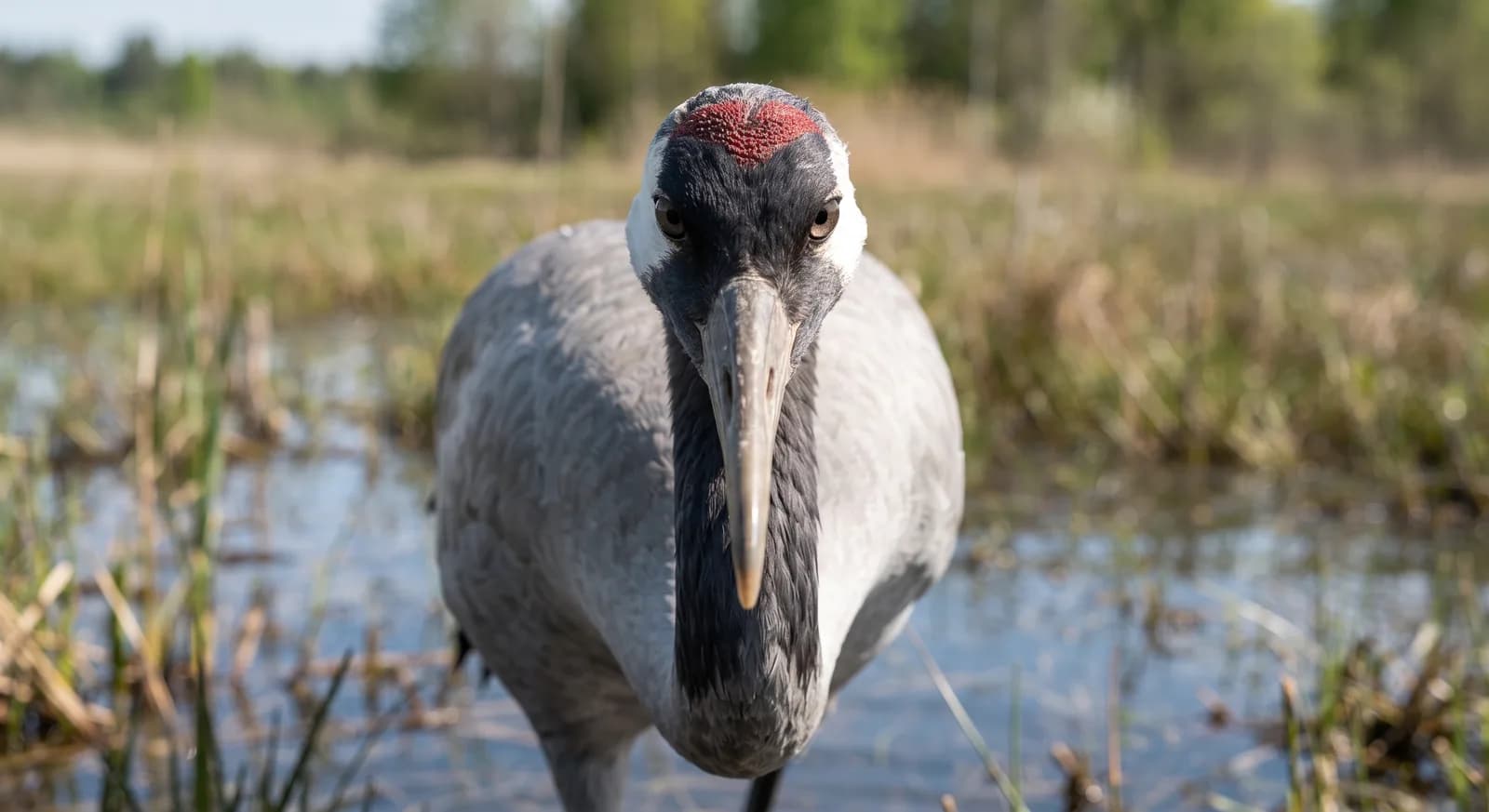
Now is a good time: Common crane wintering at Gallocanta Lagoon (October to March (passage peaks in November and February))
Now is a good time: Soaring bird migration across the Strait of Gibraltar (Spring passage February to May and autumn passage July to November)
Now is a good time: Soaring bird migration across the Strait of Gibraltar (Spring passage February to May and autumn passage July to November)
Which other parks are like this one?
Same country: Spain
Same country: Spain
Same country: Spain
Same country: Spain
Based on what we already know about this park.
Climate
Arid / desert, Temperate, Mediterranean, Mountain
Best season
All year round
133 km away
Now is a good time: Soaring bird migration across the Strait of Gibraltar (Spring passage February to May and autumn passage July to November)
 Spain