 Least Concern
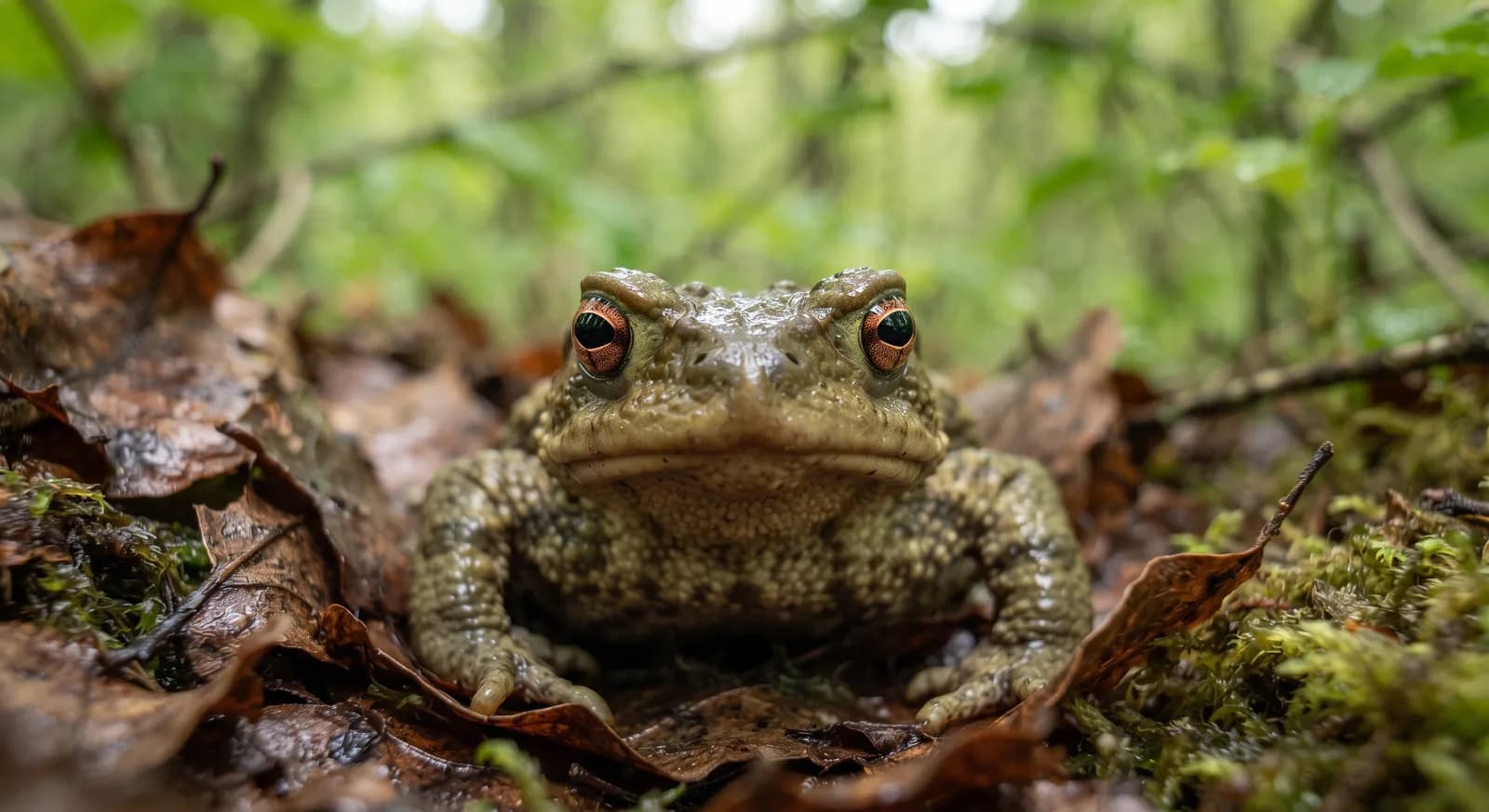
Common Toad
Bufo bufo
The finest volcanic landscape on the Iberian Peninsula, with some forty cones and the Fageda d'en Jordà growing on a lava flow.
Area
152 km²
Designated in
1982
Region
Southern Europe
A Strombolian volcanic field and its lava flows
The Garrotxa Volcanic Zone Natural Park protects 15,309 hectares spread across eleven municipalities of the Garrotxa district, in north-eastern Catalonia, and preserves the finest example of volcanic landscape on the Iberian peninsula. Close to forty Strombolian-type volcanic cones in good condition have been counted, with heights of between 10 and 60 metres and diameters of 300 to 500, and more than twenty basalt lava flows. The park also contains 28 partial nature reserves totalling 1,180.42 hectares that protect the most valuable cones and the most singular woodlands.
The most visited volcano is Croscat, the highest in the volcanic zone at 786 m and the largest cone on the peninsula, some 160 metres high, with a horseshoe-shaped crater; it is also the youngest of the group, and its most recent eruption, some 11,500 years ago, produced the lava flow on which the Fageda d'en Jordà now grows, a beech wood established on flat ground at an altitude of only 550 m, a very uncommon situation on the peninsula. Other landmarks are the Santa Margarida volcano, with a chapel on its crater floor, the Montsacopa within Olot itself, and the village of Castellfollit de la Roca, perched on a basalt cliff. Montane holm oak, oak, beech and pine woods complete the mosaic.
The park was born of a conflict. The urban and industrial growth of the 1970s and, above all, the working of Croscat as a quarry for greda — volcanic ash — over a quarter of a century provoked a strong local mobilisation under the slogan "Salvem els volcans", with the creation in 1976 of the Promoting Commission for the Protection of the Volcanic Zone. The result was Act 2/1982 of 3 March, passed unanimously in the Parliament of Catalonia, which declared the area a Natural Site of National Interest in order to provide for the conservation of its flora, its geomorphological make-up and its special beauty; the 1985 act on natural areas reclassified it as a natural park and turned the strict reserves into partial nature reserves.
4 dive sites within 300 km are also shown.
Ecosystems found in Spain, where La Garrotxa Volcanic Zone lies.
Where can I dive near here?
50 km away
57 km away
66 km away
253 km away
What is worth looking out for this month in Spain?
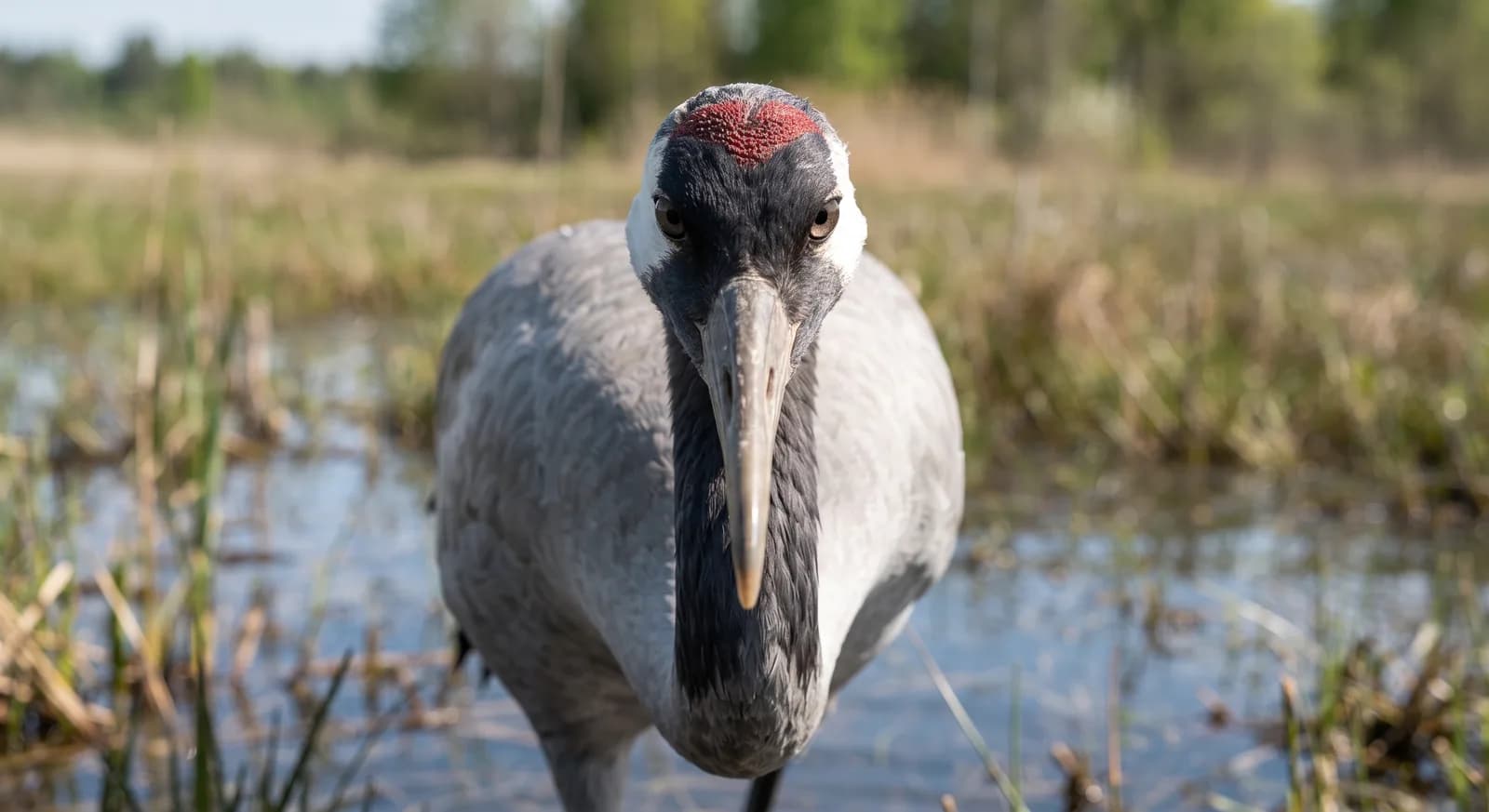
Now is a good time: Common crane wintering at Gallocanta Lagoon (October to March (passage peaks in November and February))
Now is a good time: Soaring bird migration across the Strait of Gibraltar (Spring passage February to May and autumn passage July to November)
Now is a good time: Soaring bird migration across the Strait of Gibraltar (Spring passage February to May and autumn passage July to November)
Which other parks are like this one?
Same country: Spain
Same country: Spain
Same country: Spain
Same country: Spain
Based on what we already know about this park.
Share your experience visiting La Garrotxa Volcanic Zone, or a tip for other travellers.
Be the first to comment.
Climate
Arid / desert, Temperate, Mediterranean, Mountain
Best season
All year round
Now is a good time: Soaring bird migration across the Strait of Gibraltar (Spring passage February to May and autumn passage July to November)
 Spain