Skip to content
WAnimals
  • Map
  • Species
  • Parks
  • Diving
Log inCreate account
WAnimals

The guide for travellers and animal lovers: discover, plan and share your wild adventures around the world.

Discover wildlife

  • Species
  • Ecosystems
  • Glossary
  • Tags

Explore places

  • Map
  • Countries
  • Parks
  • Diving

Plan experiences

  • Guides

Learn

  • Blog

Resources

  • Help centre
  • Contact
  • Install the app

Follow us

Account

  • Log in
  • Create account

© 2026 WAnimals. All rights reserved.

About usHow we build our profilesTerms of servicePrivacyLegal notice
MapSpeciesParksDiving
  1. Home
  2. Species
  3. Southern Green Shieldbug

One of the 7 bugs on WAnimals

Southern Green Shieldbug (Nezara viridula)

Insects · Hemiptera · Pentatomidae

Southern Green Shieldbug

Nezara viridula

Not Evaluated

It has not yet been assessed against the IUCN criteria.

Spotted something wrong?

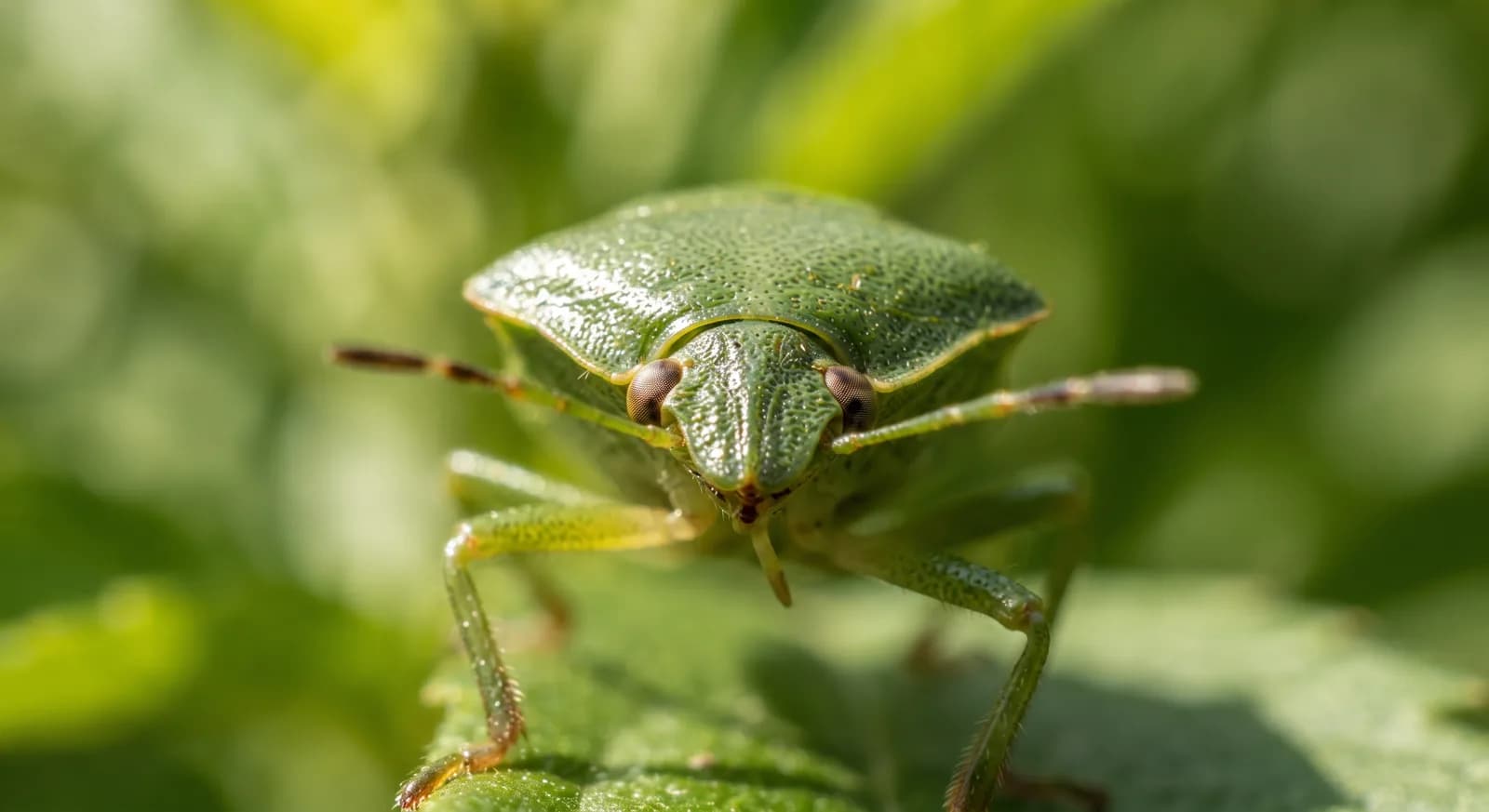
A shield-shaped bug of uniform green colour, with three small paler marks along the edge of the scutellum and dark red or black eyes. It owes its other name, stink bug, to the foul-smelling compound it releases from thoracic glands when disturbed or crushed.

Size

0.8 cm – 1.6 cm

Diet

Herbivore

Feeds mainly on plants.

Activity

Diurnal

Active mainly during the day.

Social structure

Colony

Lives in large concentrations, often for breeding reasons.

Sighting difficulty

Unknown

Grassland
47countries136parks1same family

AI-generated images: illustrations, not photographs.

Fun facts

  • Newly hatched nymphs do not feed and stay clustered beside the empty eggs: the cluster protects them from drying out and pools their chemical defences against predators.
  • It passes through five nymphal stages and changes colour completely at each one, from orange to black with white and yellow markings and finally to green.
  • It is the only representative of the genus Nezara on the Iberian Peninsula.
  • It communicates by vibration. Males and females locate each other by vibrating the abdomen and transmitting those signals through the stem of the plant, not through the air. Each species has its own vibratory repertoire, and that channel is the basis of their sexual recognition.
  • That communication is being turned against it: traps are being trialled that emit synthetic vibrations through the stem to interfere with mating — a vibratory version of pheromone mating disruption.
  • Its defence is chemical: when disturbed it releases, from glands in its thorax, a mixture of aldehydes with an intense, persistent smell — the origin of popular names like stink bug.
  • It pierces fruits and seeds with its stylet and injects enzymes, leaving blemishes and deformities that make the harvest unsaleable even though the damage is superficial.
  • It probably originated in Ethiopia and has spread through all the warm regions of the world with the agricultural trade.
  • Its range is expanding towards northern Europe with the warming climate.

Life cycle and biology

Skeleton type
Invertebrate - chitin exoskeleton (insect)
Habitat and environment
A cosmopolitan and highly polyphagous species: vegetable plots, arable crops, fruit trees, vineyards, glasshouses and spontaneous vegetation along field margins. It overwinters as an adult among leaf litter, in shrubs or even in the structure of glasshouses
Size at birth
Eggs roughly 1 mm tall, barrel-shaped with flattened ends and a conspicuous belt of spines
Sexual maturity
The full cycle, from egg to adult, takes between 35 and 70 days depending on temperature
Gestation / incubation
The eggs hatch between 5 and 21 days after laying, depending on temperature
Litter / clutch size
Clutches of 30 to 130 eggs arranged like a honeycomb on the underside of leaves; a female can lay between 200 and 300 eggs over her lifetime

Sources consulted: SERIDA - Servicio Regional de Investigación y Desarrollo Agroalimentario del Principado de Asturias; IVIA - GIP Cítricos; Cajamar (ficha técnica 010, 2015); IFAPA - Junta de Andalucía; Catalán y Verdú 2005, Bol. San. Veg. Plagas 31; Ferrari, Schwertner y Grazia 2010, Zootaxa 2424
Where to find it

Best time: From spring to well into autumn, with population peaks in late summer

Loading map…

Where to see it

Parks and dive sites where this species has been documented — showing 10 of 136.

Related species

Other species in the catalogue with the most in common with Southern Green Shieldbug — same habitat, park, country, tags or family.

Shares a park
Shares a park
Shares a park
Shares a park
Shares a park
Shares a park

Keep exploring

Based on what we already know about southern green shieldbug.

Comments

Share an experience, a fun fact or a tip for seeing the southern green shieldbug.

Be the first to comment.

See full glossary
This page in other languages: Español · Deutsch · Français · Português · Italiano

The pins mark the parks where its presence is documented.

See its range on the interactive map→
Lake DistrictUnited Kingdom
CairngormsUnited Kingdom
Snowdonia (Eryri)United Kingdom
KillarneyIreland
Picos de EuropaSpain
Ordesa y Monte PerdidoSpain
Aiguestortes i Estany de Sant MauriciSpain
Peneda-GeresPortugal
Abruzzo, Lazio and MoliseItaly
Alta MurgiaItaly
See all 136 parks
Least Concern

Common Vole

Microtus arvalis

Common CockchaferNot Evaluated

Common Cockchafer

Melolontha melolontha

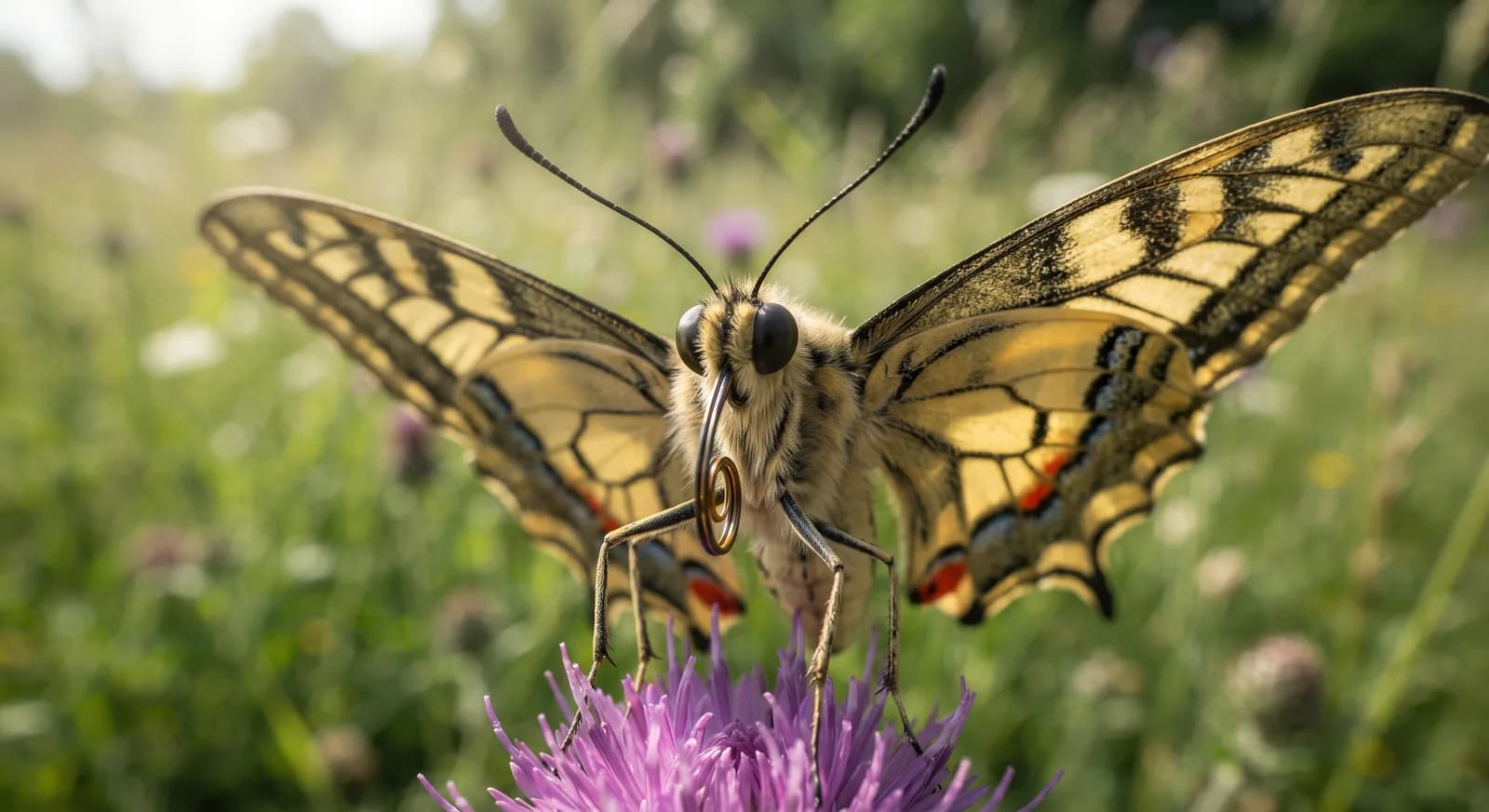
SwallowtailLeast Concern

Swallowtail

Papilio machaon

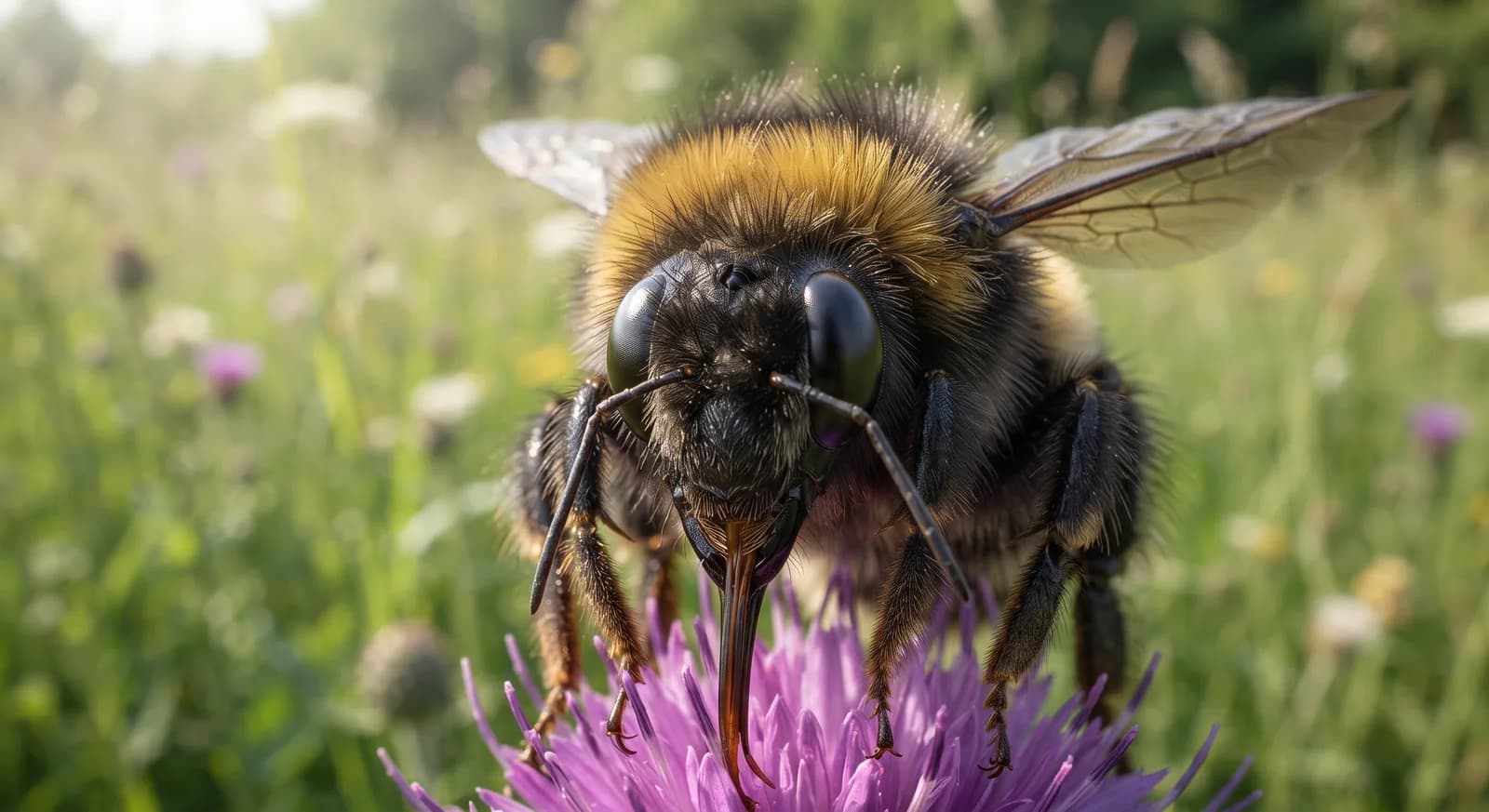
Buff-tailed BumblebeeNot Evaluated

Buff-tailed Bumblebee

Bombus terrestris

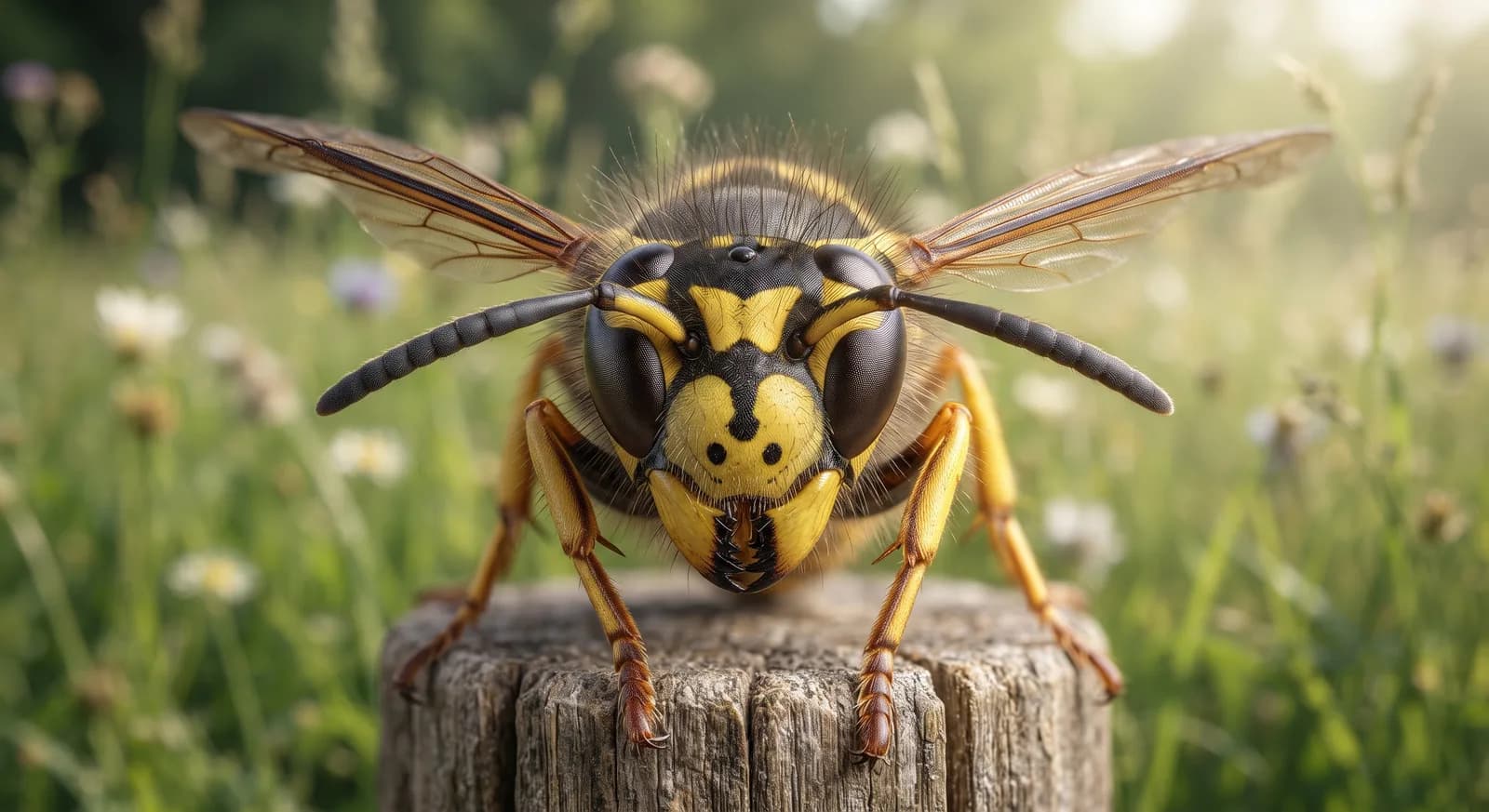
German WaspNot Evaluated

German Wasp

Vespula germanica

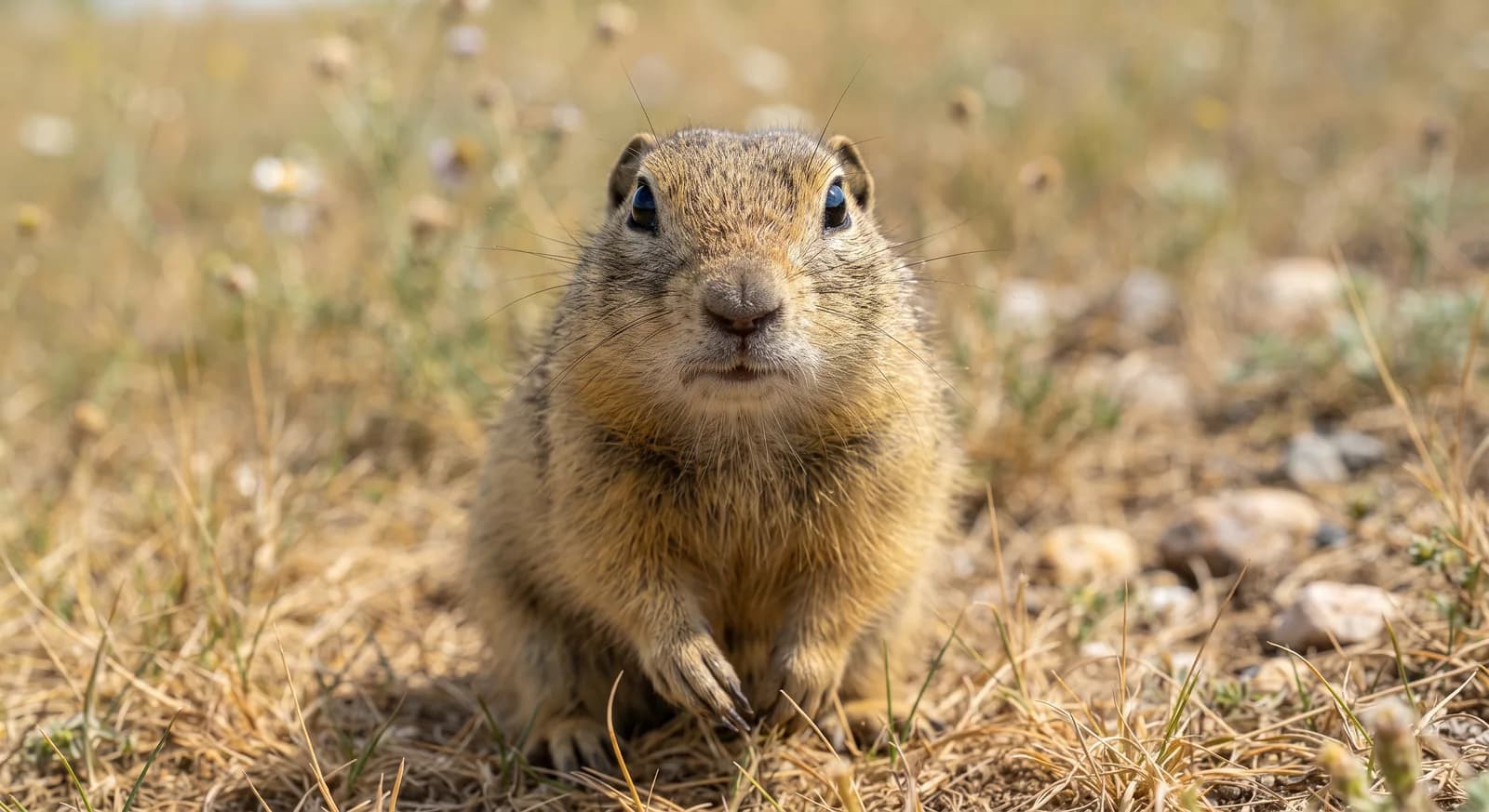
European Ground SquirrelEndangered

European Ground Squirrel

Spermophilus citellus

CountriesSpain
ParksLake DistrictUnited Kingdom
TagsHerbivore
Herbivore
Diurnal
Colonial
Insect
Grassland

Europe40

Asia5

North America1

South America1

Spain
Italy
United Kingdom
Poland
Germany
Greece
Albania
Andorra
Austria
Belarus
Belgium
Bosnia and Herzegovina
Bulgaria
Croatia
Czechia
Denmark
Estonia
Finland
France
Germany
Greece
Hungary
Ireland
Italy
Kosovo
Latvia
Liechtenstein
Lithuania
Luxembourg
Moldova
Montenegro
Netherlands
North Macedonia
Norway
Poland
Portugal
Romania
San Marino
Serbia
Slovakia
Slovenia
Spain
Sweden
Switzerland
Ukraine
United Kingdom
Armenia
Azerbaijan
Georgia
Russia
Türkiye
United States
Brazil