Skip to content
WAnimals
  • Map
  • Species
  • Parks
  • Diving
Log inCreate account
WAnimals

The guide for travellers and animal lovers: discover, plan and share your wild adventures around the world.

Discover wildlife

  • Species
  • Ecosystems
  • Glossary
  • Tags

Explore places

  • Map
  • Countries
  • Parks
  • Diving

Plan experiences

  • Guides

Learn

  • Blog

Resources

  • Help centre
  • Contact
  • Install the app

Follow us

Account

  • Log in
  • Create account

© 2026 WAnimals. All rights reserved.

About usHow we build our profilesTerms of servicePrivacyLegal notice
MapSpeciesParksDiving
  1. Home
  2. Species
  3. Wasp Spider

One of the 26 spiders on WAnimals
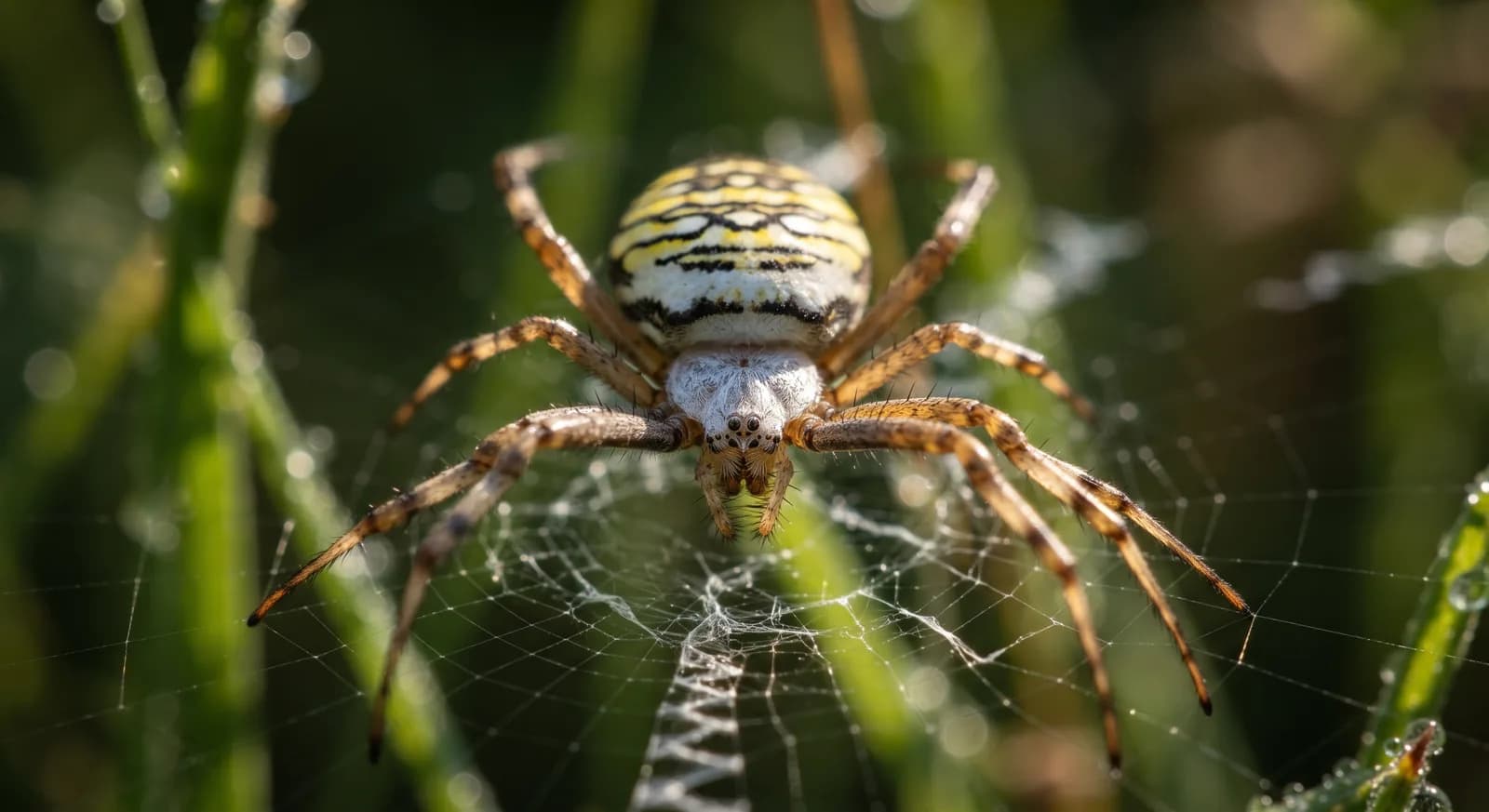
Wasp Spider (Argiope bruennichi)

Arachnids · Araneae · Araneidae

Wasp Spider

Argiope bruennichi

Not Evaluated

It has not yet been assessed against the IUCN criteria.

Spotted something wrong?

An orb-weaving spider with extreme sexual dimorphism. The female has a yellow opisthosoma with sinuous black lines reminiscent of a wasp, and a silvery-white prosoma covered in silky hairs. The male is tiny and a dull brown.

Size

0.5 cm – 2 cm

Diet

Carnivore

Feeds mainly on other animals.

Activity

Diurnal

Active mainly during the day.
Social structure

Solitary

Lives and hunts alone, joining others only to breed.

Sighting difficulty

Unknown

Grassland
45countries152parks1same family

AI-generated images: illustrations, not photographs.

Fun facts

  • The male is so small that he can enter the female's web undetected, and waits for her to finish her final moult so as to mate while her chelicerae are still soft. Even so, many end up eaten.
  • In the centre of the web it weaves a zigzag called a stabilimentum whose function is still unclear: it has been suggested that it attracts insects, that it strengthens the web, or that it warns birds off so they do not fly through and destroy it.
  • Its eyes shine in the dark because of the tapetum lucidum, the same tissue that makes cats' eyes shine, even though its own eyesight is very poor.
  • Its web carries a stabilimentum: a zigzag band of white silk running vertically down it. Its function has been debated for a century, and the main hypotheses are that it strengthens the web, that it attracts insects by reflecting ultraviolet, or that it makes the web visible to birds and stops them breaking it.
  • Its yellow-and-black bands mimic a wasp, a mimicry that protects it from birds even though it is harmless.
  • Sexual cannibalism in this species is extreme for the male: in most matings the female devours him, and he helps bring it about by deliberately breaking off the tip of his copulatory organ inside her, where it remains as a plug preventing another male from fertilising her. His death is part of the strategy.
  • It is expanding rapidly into northern Europe with the warming climate: within a century it has colonised Germany, the Netherlands, the United Kingdom and Scandinavia.
  • Its egg sac is large, shaped like a brown paper urn, and holds several hundred eggs that spend the winter inside it.

Life cycle and biology

Skeleton type
Invertebrate - chitin exoskeleton (arachnid)
Habitat and environment
Dense vegetation in somewhat damp places: rushes, reeds and grasses along riverbanks, damp meadows, crops and floodplain copses. Mediterranean in origin, it has spread north as far as Scandinavia and the British Isles
Sexual maturity
The female reaches maturity after her final moult
Gestation / incubation
The eggs spend the whole winter inside the ootheca and the young emerge in spring
Litter / clutch size
300 to 400 eggs per ootheca according to Iberian sources, with estimates of over a thousand in others. A female can make two or three oothecae in a single summer

Sources consulted: World Spider Catalog (Naturhistorisches Museum Bern); Fauna Ibérica; Elgar 1991; Fauna Europaea; El medi natural del Bages i del Moianès; Arácnidos Ibéricos

Where to find it

Best time: From June to October, when its webs are visible among the tall vegetation

Loading map…

Where to see it

Parks and dive sites where this species has been documented — showing 10 of 152.

Related species

Other species in the catalogue with the most in common with Wasp Spider — same habitat, park, country, tags or family.

Shares a park
Shares a park
Shares a park
Shares a park
Shares a park
Shares a park

Keep exploring

Based on what we already know about wasp spider.

Comments

Share an experience, a fun fact or a tip for seeing the wasp spider.

Be the first to comment.

See full glossary
This page in other languages: Español · Deutsch · Français · Português · Italiano

The pins mark the parks where its presence is documented.

See its range on the interactive map→
Lake DistrictUnited Kingdom
CairngormsUnited Kingdom
Snowdonia (Eryri)United Kingdom
KillarneyIreland
Picos de EuropaSpain
Ordesa y Monte PerdidoSpain
Aiguestortes i Estany de Sant MauriciSpain
Peneda-GeresPortugal
Abruzzo, Lazio and MoliseItaly
Alta MurgiaItaly
See all 152 parks
Common BuzzardLeast Concern

Common Buzzard

Buteo buteo

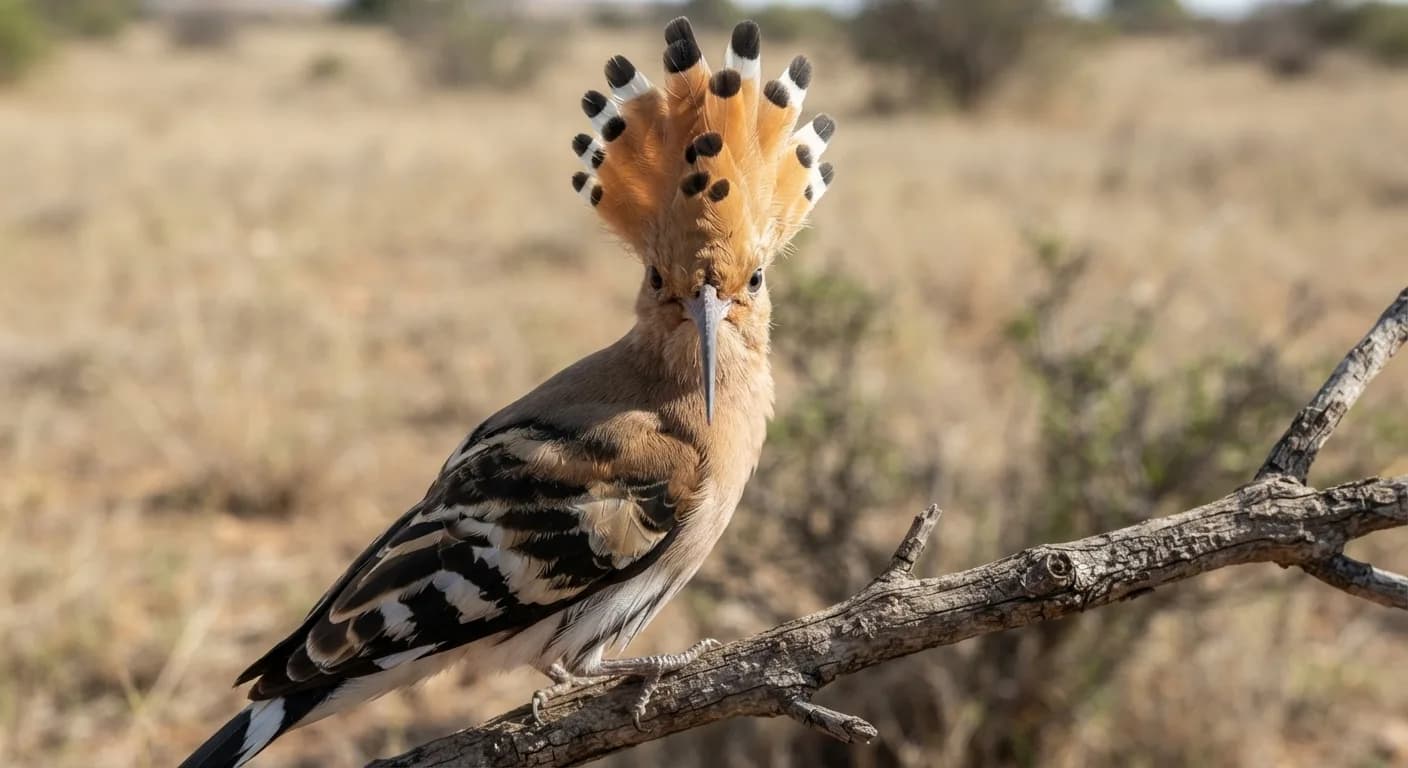
Eurasian HoopoeLeast Concern

Eurasian Hoopoe

Upupa epops

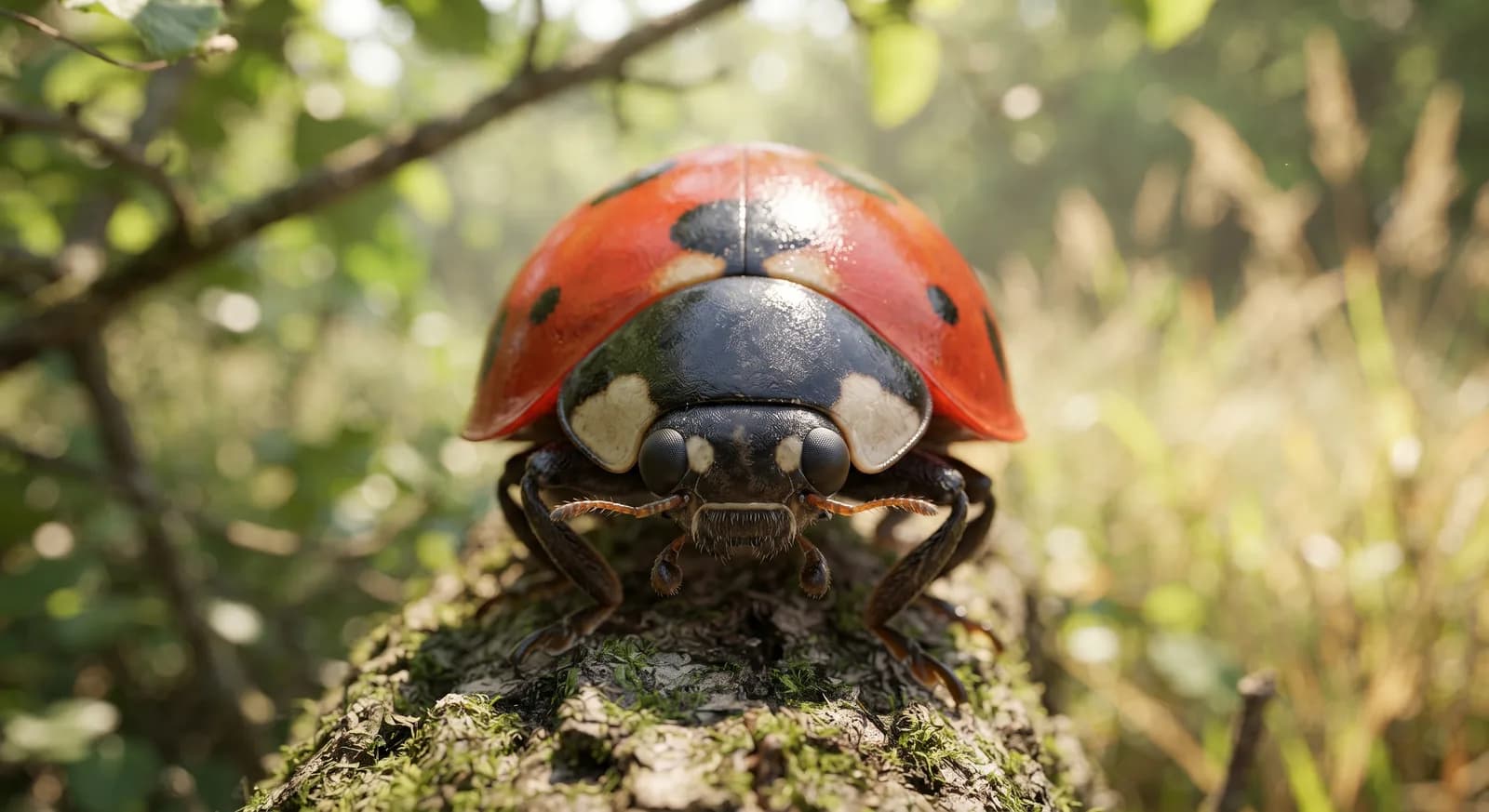
Seven-spotted Lady BeetleNot Evaluated

Seven-spotted Lady Beetle

Coccinella septempunctata

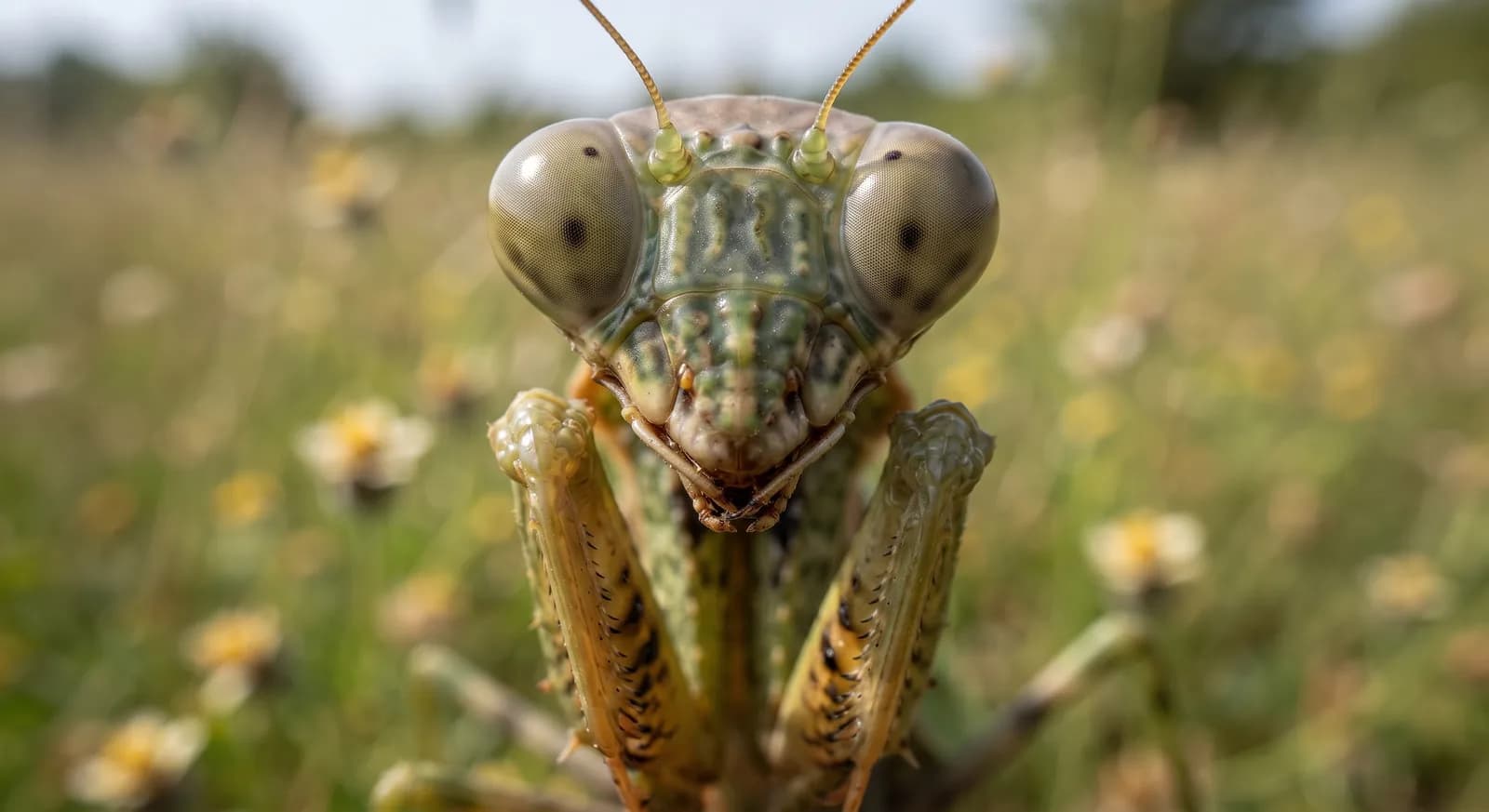
Praying MantisLeast Concern

Praying Mantis

Mantis religiosa

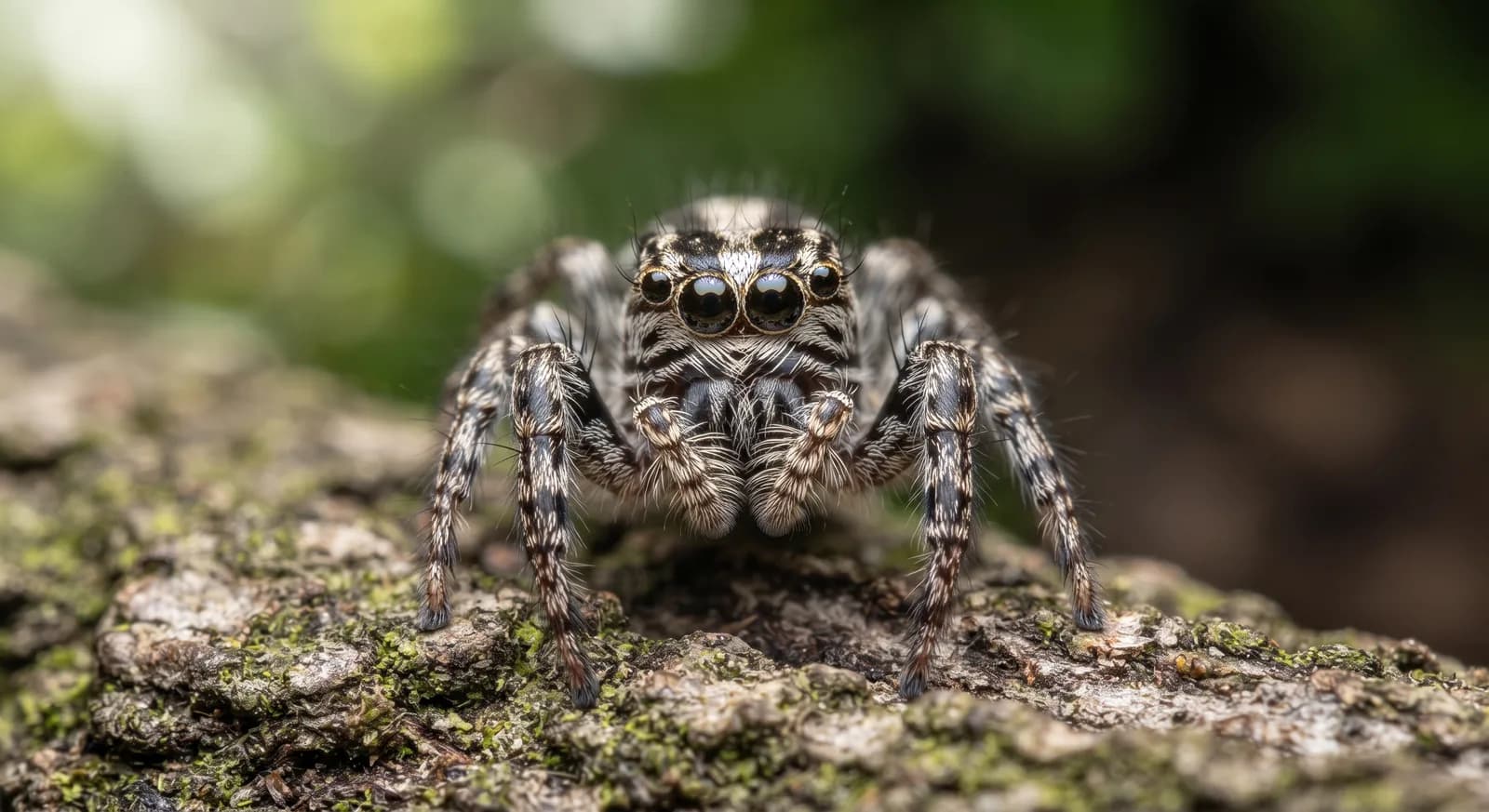
Zebra JumperNot Evaluated

Zebra Jumper

Salticus scenicus

Not Evaluated

European Wolf Spider

Lycosa tarantula

CountriesSpain
ParksLake DistrictUnited Kingdom
TagsCarnivore
Carnivore
Diurnal
Solitary
Grassland
Arachnid

Europe40

Asia5

Spain
Italy
United Kingdom
Poland
Germany
Greece
Albania
Andorra
Austria
Belarus
Belgium
Bosnia and Herzegovina
Bulgaria
Croatia
Czechia
Denmark
Estonia
Finland
France
Germany
Greece
Hungary
Ireland
Italy
Kosovo
Latvia
Liechtenstein
Lithuania
Luxembourg
Moldova
Montenegro
Netherlands
North Macedonia
Norway
Poland
Portugal
Romania
San Marino
Serbia
Slovakia
Slovenia
Spain
Sweden
Switzerland
Ukraine
United Kingdom
Armenia
Azerbaijan
Georgia
Russia
Türkiye