Skip to content
WAnimals
  • Map
  • Species
  • Parks
  • Diving
Log inCreate account
WAnimals

The guide for travellers and animal lovers: discover, plan and share your wild adventures around the world.

Discover wildlife

  • Species
  • Ecosystems
  • Glossary
  • Tags

Explore places

  • Map
  • Countries
  • Parks
  • Diving

Plan experiences

  • Guides

Learn

  • Blog

Resources

  • Help centre
  • Contact
  • Install the app

Follow us

Account

  • Log in
  • Create account

© 2026 WAnimals. All rights reserved.

About usHow we build our profilesTerms of servicePrivacyLegal notice
MapSpeciesParksDiving
  1. Home
  2. Species
  3. European Wolf Spider

One of the 6 tarantulas on WAnimals

Arachnids · Araneae · Lycosidae

European Wolf Spider

Lycosa tarantula

Not Evaluated

It has not yet been assessed against the IUCN criteria.

Spotted something wrong?

The European wolf spider is an araneomorph spider of the family Lycosidae, endemic to southern Europe.

Size

2 cm – 3 cm

Life expectancy

3 years

Diet

Carnivore

Feeds mainly on other animals.

Activity

Nocturnal

Active mainly at night.

Social structure

Solitary

Lives and hunts alone, joining others only to breed.

Sighting difficulty

Unknown

Grassland
24countries80parks1same family

Fun facts

  • fisiologíaFor all its name, its venom poses little danger to people, and the old belief that its bite caused a frenzied dance (tarantism) has no scientific basis today.
  • It gave its name to tarantism: in southern Italy its bite was believed to bring on a nervous fit that could only be cured by dancing for hours, which is where the tarantella comes from.
  • It is from this spider that the name tarantula later passed to the large hairy American spiders, to which it is not related.
  • It is the original tarantula, the one from Taranto, and the one that gave its name to all the others. Its bite is painful but harmless.
  • Tarantism was attributed to it for centuries: its bite was believed to cause a delirium that could only be cured by dancing the tarantella for days. It is now thought that the genuine cases of envenomation were down to the European black widow, and that the rest was a cultural phenomenon.
  • When taxonomists applied the name tarantula to the large hairy American spiders, the term shifted completely: today hardly anyone calls the spider that truly was one a tarantula.
  • It weaves no hunting web: it waits at the mouth of its burrow and pounces on whatever passes close by.
  • The mother carries the egg sac attached to her spinnerets and afterwards carries the young on her abdomen for weeks, until they disperse.
  • It has eight eyes in three rows, with two very large ones in the centre that give it excellent vision for a ground spider.

Life cycle and biology

Skeleton type
Invertebrate - chitin exoskeleton (arachnid)
Habitat and environment
Dry, bare ground in Mediterranean scrub and steppe

Sources consulted: https://es.wikipedia.org/wiki/Lycosa_tarantula

Where to find it

Loading map…

Where to see it

Parks and dive sites where this species has been documented — showing 10 of 80.

Related species

Other species in the catalogue with the most in common with European Wolf Spider — same habitat, park, country, tags or family.

Shares a park
Shares a park
Shares a park
Shares a park
Shares a park
Shares a park

Keep exploring

Based on what we already know about european wolf spider.

Comments

Share an experience, a fun fact or a tip for seeing the european wolf spider.

Be the first to comment.

See full glossary
This page in other languages: Español · Deutsch · Français · Português · Italiano

The pins mark the parks where its presence is documented.
See its range on the interactive map→
Picos de EuropaSpain
Ordesa y Monte PerdidoSpain
Aiguestortes i Estany de Sant MauriciSpain
Peneda-GeresPortugal
Abruzzo, Lazio and MoliseItaly
Alta MurgiaItaly
Mount OlympusGreece
PlitviceCroatia
DurmitorMontenegro
IchkeulTunisia
See all 80 parks
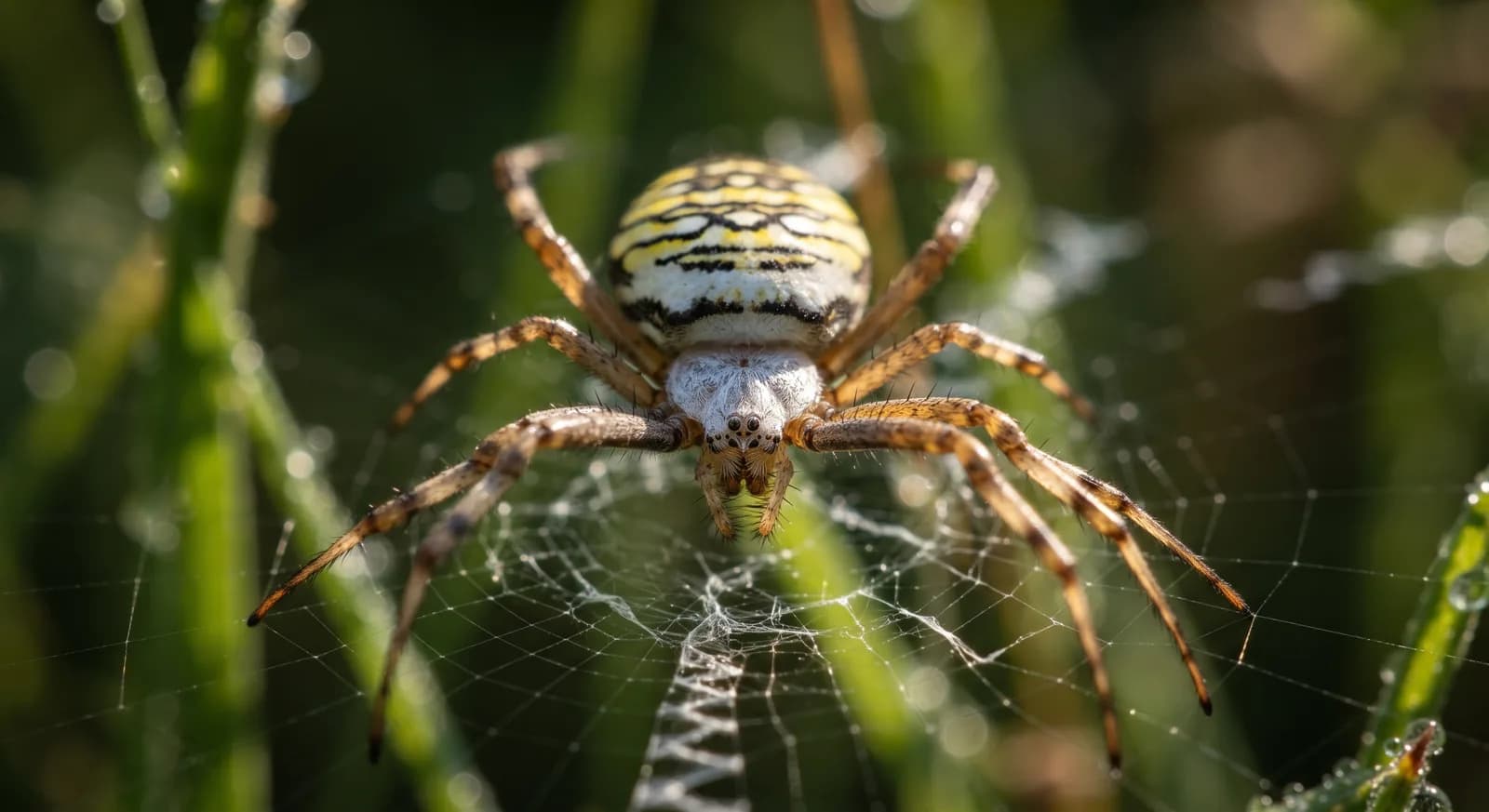
Wasp SpiderNot Evaluated

Wasp Spider

Argiope bruennichi

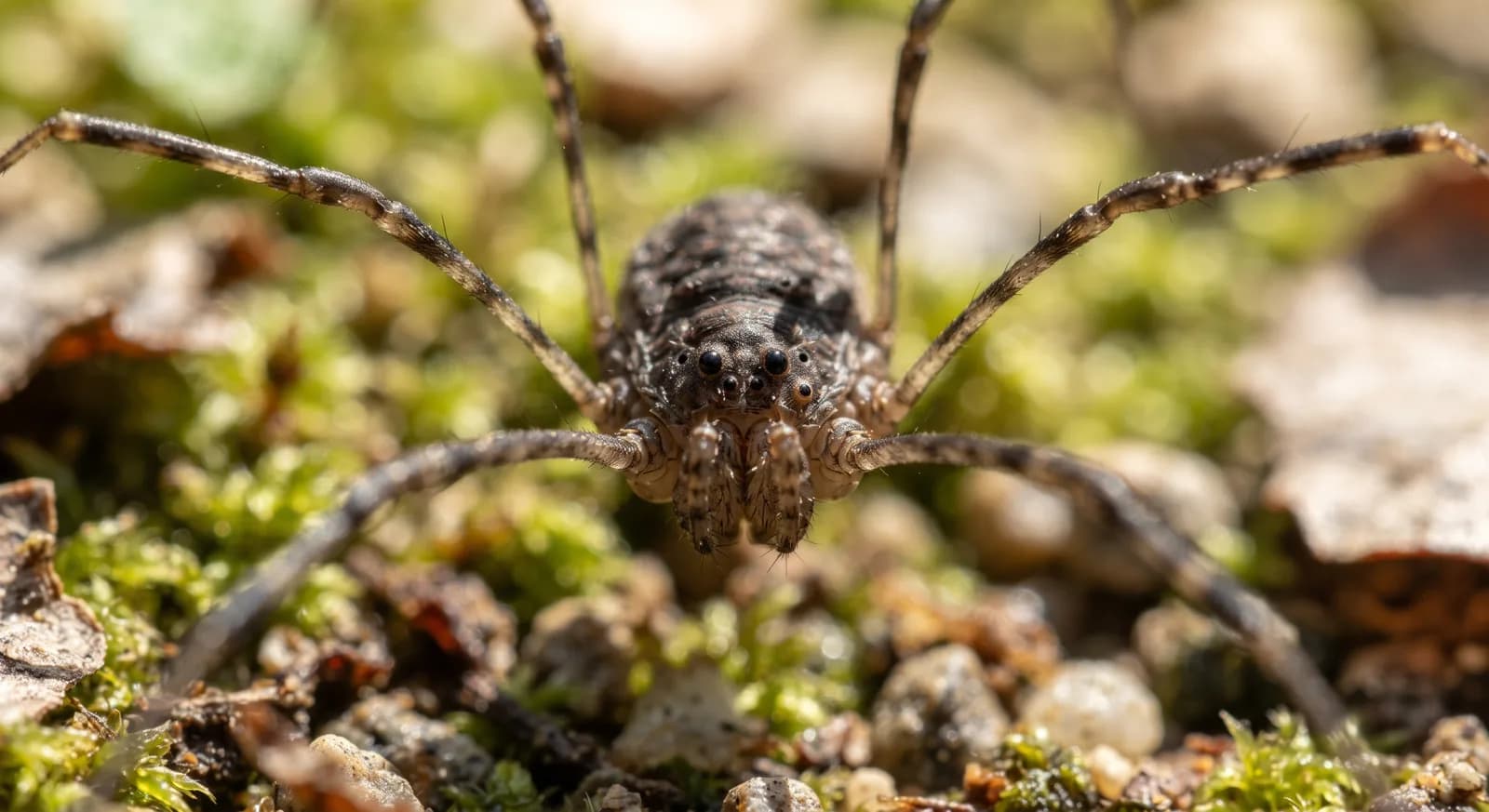
European HarvestmanNot Evaluated

European Harvestman

Phalangium opilio

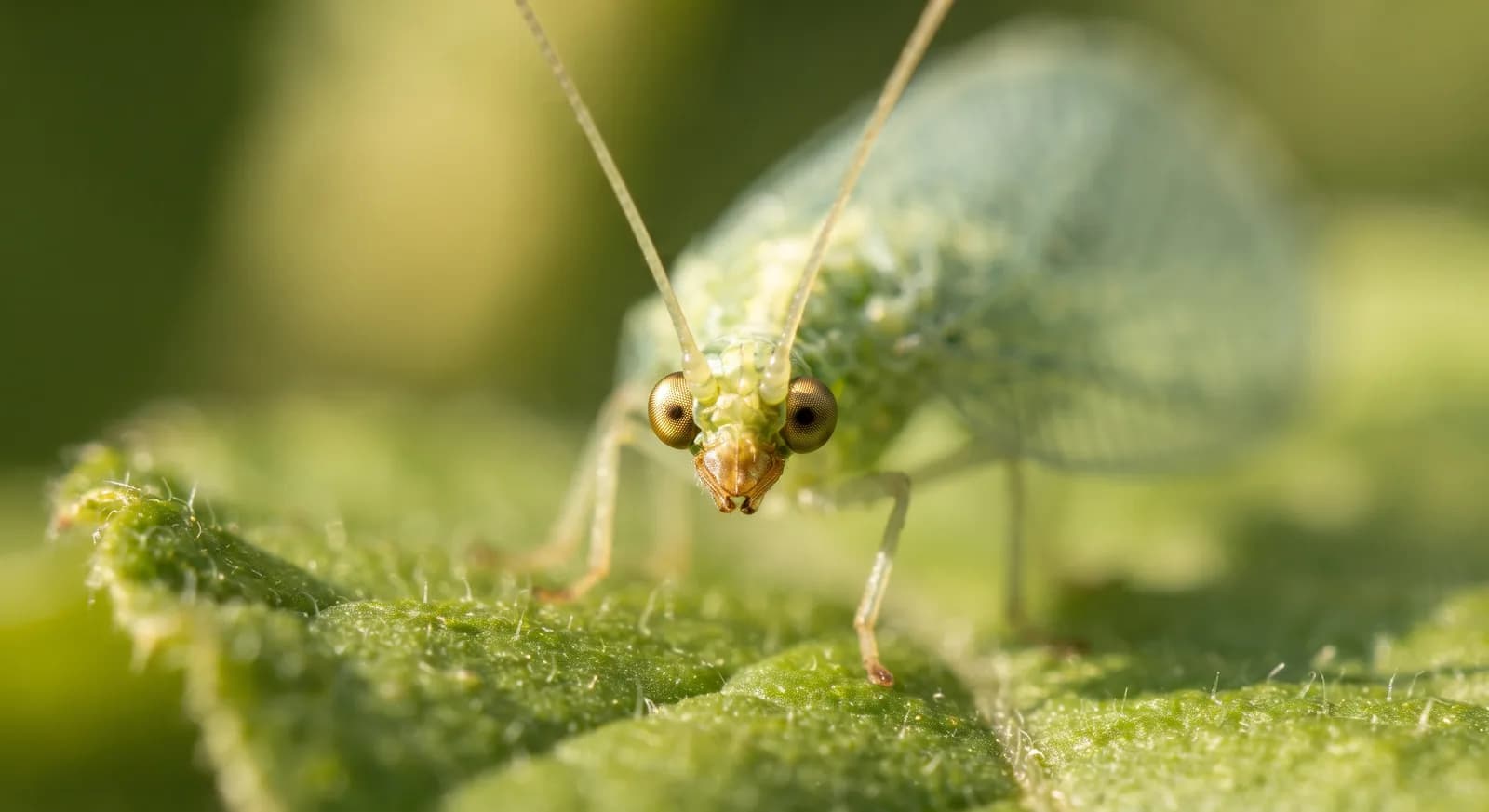
Common Green LacewingNot Evaluated

Common Green Lacewing

Chrysoperla carnea

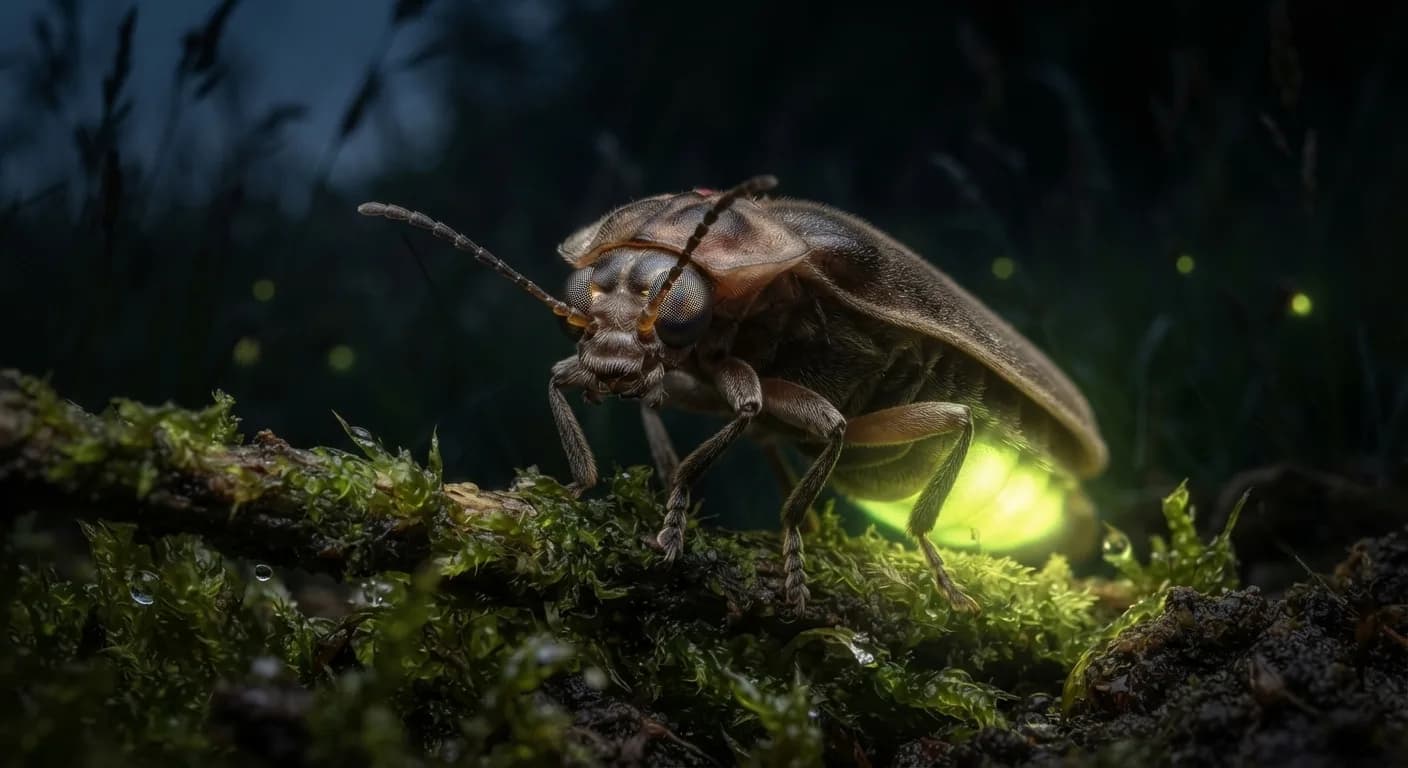
Glow-wormNot Evaluated

Glow-worm

Lampyris noctiluca

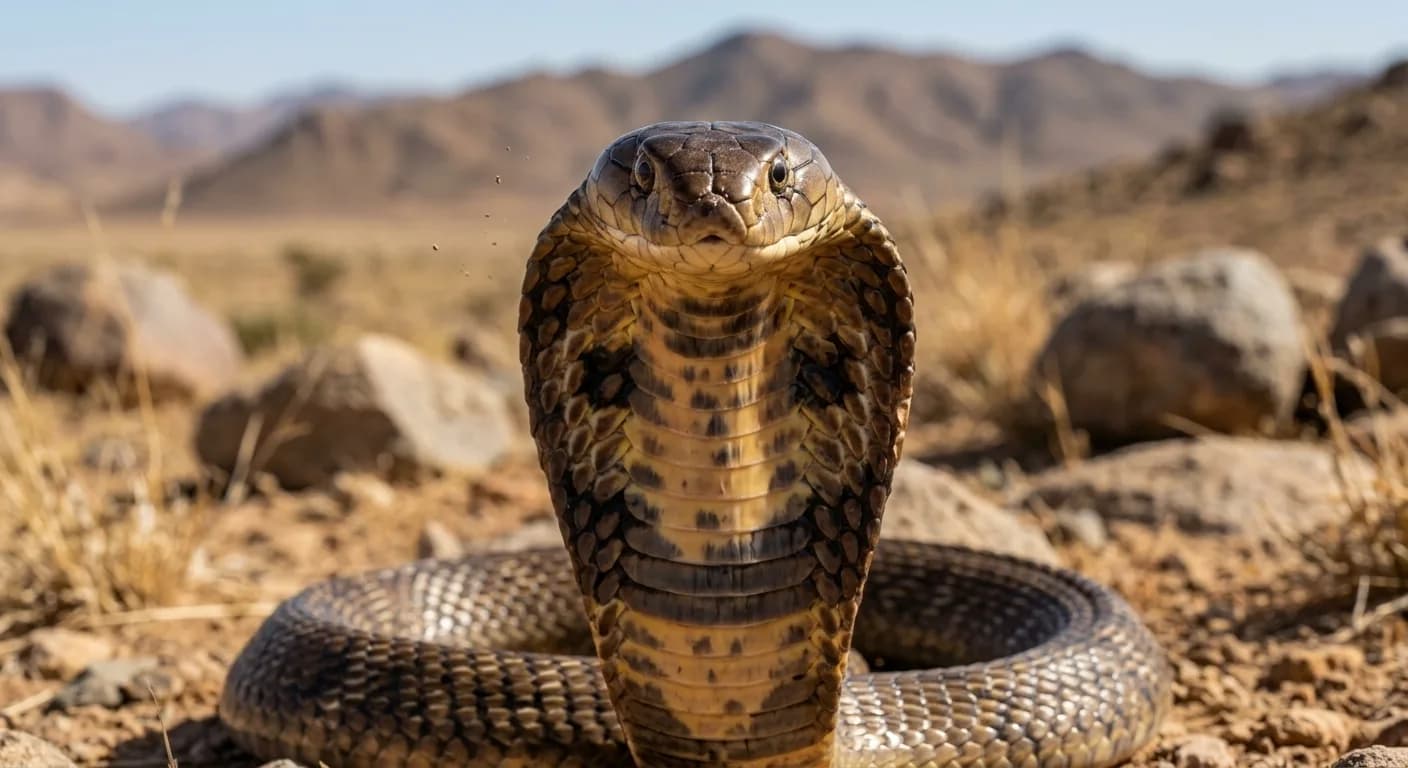
Egyptian CobraLeast Concern

Egyptian Cobra

Naja haje

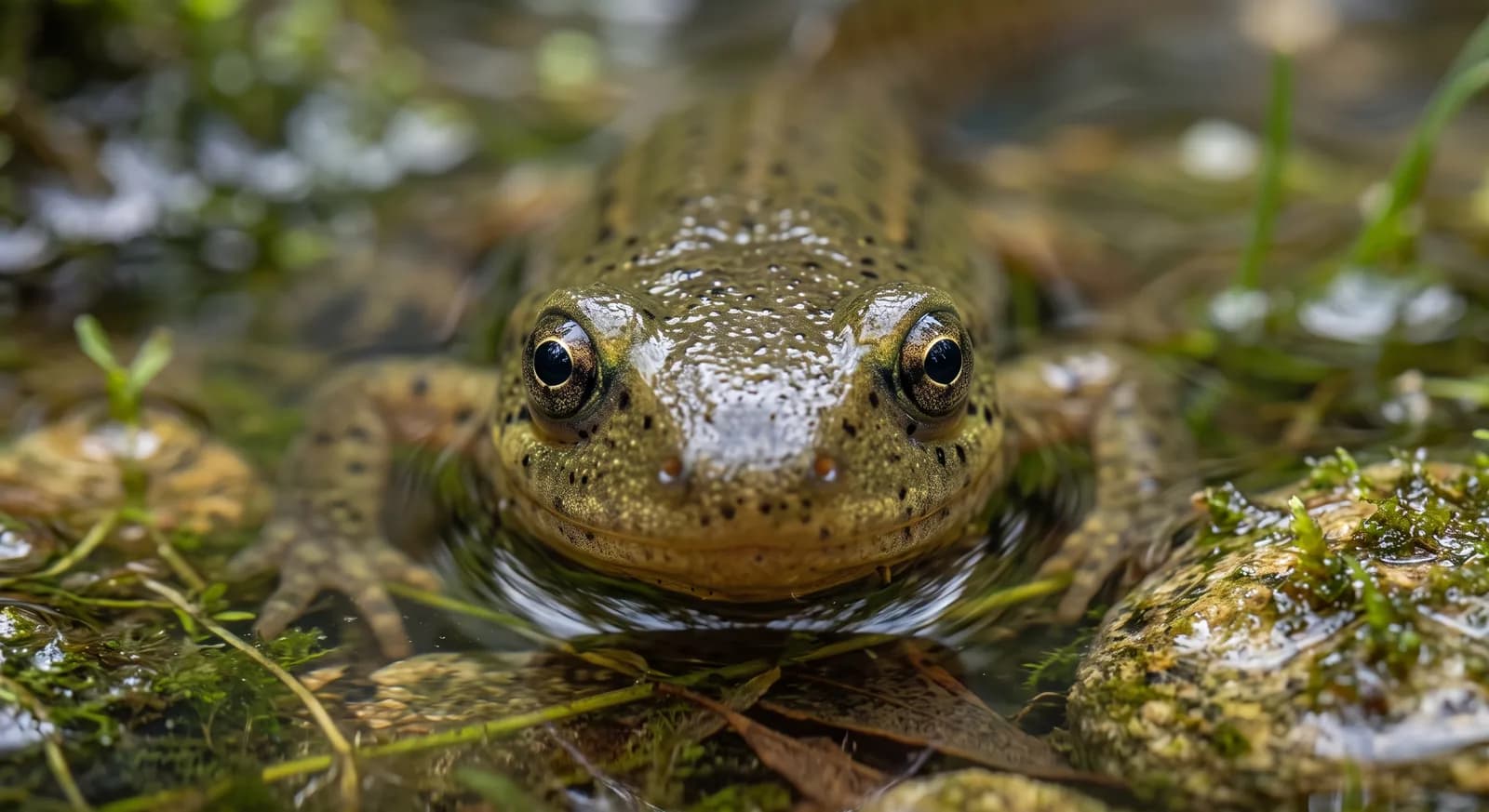
Bosca's NewtLeast Concern

Bosca's Newt

Lissotriton boscai

CountriesSpain
ParksPicos de EuropaSpain
TagsCarnivore
Carnivore
Nocturnal
Solitary
Grassland
Arachnid
SpainItalyGreeceMoroccoPortugalCroatia

Europe14

AlbaniaBulgariaCroatiaCyprusFranceGibraltarGreeceItalyMaltaMonacoMontenegroPortugalSan MarinoSpain

Africa5

AlgeriaEgyptLibyaMoroccoTunisia

Asia5

IsraelLebanonPalestineSyriaTürkiye