Skip to content
WAnimals
  • Map
  • Species
  • Parks
  • Diving
Log inCreate account
WAnimals

The guide for travellers and animal lovers: discover, plan and share your wild adventures around the world.

Discover wildlife

  • Species
  • Ecosystems
  • Glossary
  • Tags

Explore places

  • Map
  • Countries
  • Parks
  • Diving

Plan experiences

  • Guides

Learn

  • Blog

Resources

  • Help centre
  • Contact
  • Install the app

Follow us

Account

  • Log in
  • Create account

© 2026 WAnimals. All rights reserved.

About usHow we build our profilesTerms of servicePrivacyLegal notice
MapSpeciesParksDiving
  1. Home
  2. Species
  3. European Harvestman

One of the 2 harvestmans on WAnimals
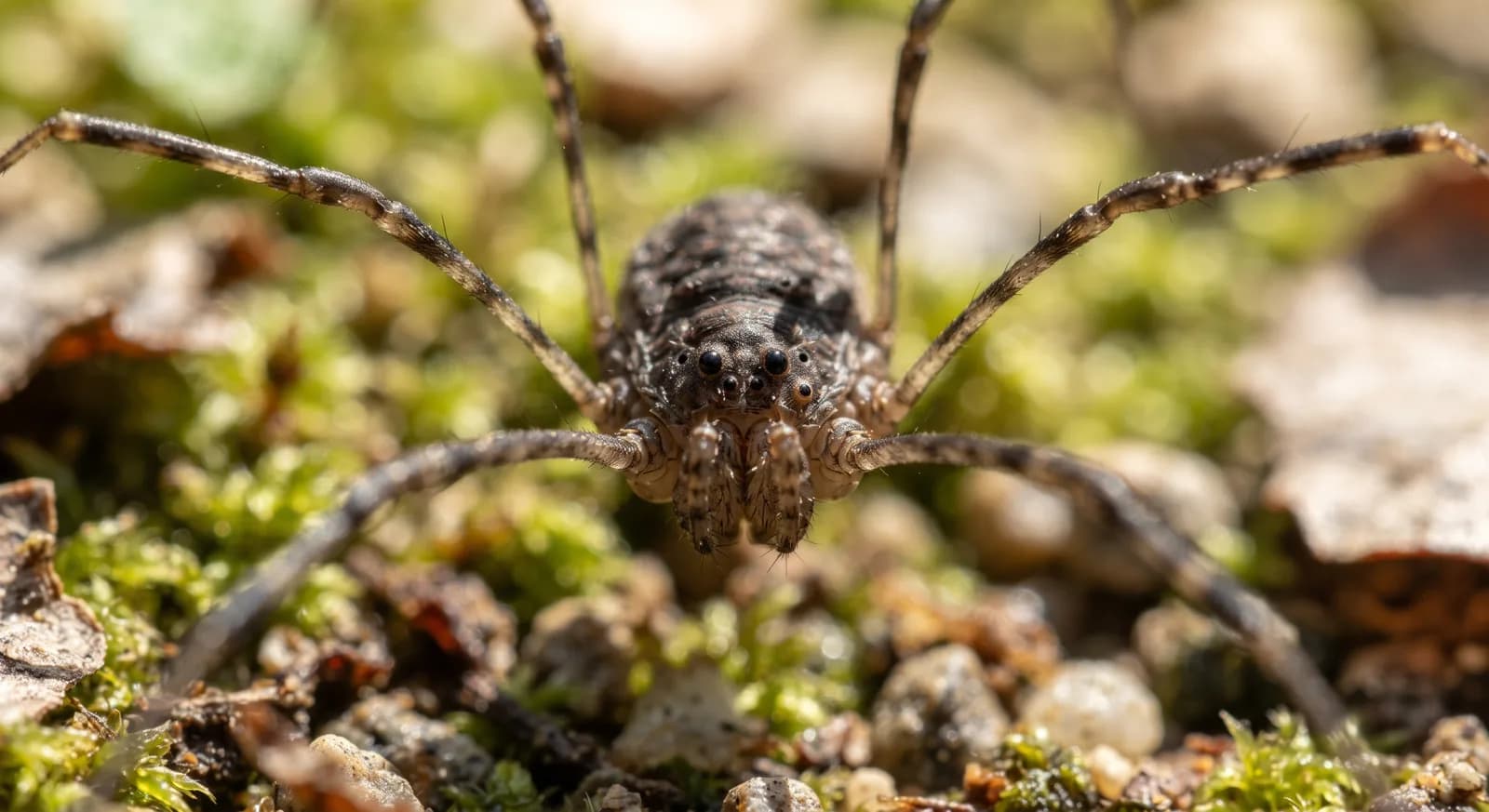
European Harvestman (Phalangium opilio)

Arachnids · Opiliones · Phalangiidae

European Harvestman

Phalangium opilio

Not Evaluated

It has not yet been assessed against the IUCN criteria.

Spotted something wrong?

A harvestman with a small, oval body, pale grey or brown above and whitish below, with four pairs of extremely long, fine legs. Unlike spiders, its prosoma and opisthosoma are joined across their full width, with no waist, and it has only two eyes, set high on the head.

Size

up to 5.4 cm

Diet

Carnivore

Feeds mainly on other animals.

Activity

Nocturnal

Active mainly at night.
Social structure

Solitary

Lives and hunts alone, joining others only to breed.

Sighting difficulty

Unknown

Grassland
49countries182parks

AI-generated images: illustrations, not photographs.

Fun facts

  • It is not a spider: it has neither venom glands nor silk glands, it spins no webs, and it can swallow solid particles, something no spider does.
  • It practises autotomy: it sheds a leg when a predator grabs it, and the leg goes on twitching to distract the attacker. That is why they are so often seen with fewer than eight legs.
  • The name Opiliones comes from the Latin opilio, shepherd, from their habit of gathering together and from the resemblance to shepherds who used stilts to watch over their flocks.
  • It is not a spider. Harvestmen have a single-piece body with no waist, and produce neither silk nor venom: they build no webs and do not bite.
  • Its defences are scent glands at the front of the body that secrete repellent substances, and autotomy: it sheds a leg to escape, although it does not grow back.
  • Unlike spiders, it does not liquefy its prey outside the body: it tears it apart and swallows it in pieces, so it also eats plant matter and carrion.
  • It is a useful predator in crops, where it eats aphids, moth eggs and mites.
  • Its genome is being sequenced as a representative of the Opiliones, an order that lacked one and that is key to understanding the evolution of arachnid appendages.
  • The name harvestman comes from its abundance in late summer, when the crops are brought in.

Life cycle and biology

Skeleton type
Invertebrate - chitin exoskeleton (arachnid)
Habitat and environment
Very widely distributed and undemanding in its choice of habitat: it turns up almost anywhere except high mountains, from residential gardens to little-disturbed countryside
Size at birth
Spherical eggs about 0.4 mm across, dark grey or brown
Gestation / incubation
The eggs, laid in damp soil, overwinter and hatch in spring
Litter / clutch size
Around 10 eggs per clutch, with a single clutch a year

Sources consulted: Wikipedia (Phalangium opilio); EcuRed; Insectarium Virtual del Parc Natural del Penyal d'Ifac (Generalitat Valenciana); Gainett et al. 2022, Frontiers in Zoology 19; Waste Magazine

Where to find it

Best time: From summer to autumn, among bushes a metre off the ground and on the walls of houses

Loading map…

Where to see it

Parks and dive sites where this species has been documented — showing 10 of 182.

Related species

Other species in the catalogue with the most in common with European Harvestman — same habitat, park, country, tags or family.

Shares a park
Shares a park
Shares a park
Shares a park
Shares a park
Shares a park

Keep exploring

Based on what we already know about european harvestman.

Comments

Share an experience, a fun fact or a tip for seeing the european harvestman.

Be the first to comment.

See full glossary
This page in other languages: Español · Deutsch · Français · Português · Italiano

The pins mark the parks where its presence is documented.

See its range on the interactive map→
SarekSweden
PadjelantaSweden
HardangerviddaNorway
Lake DistrictUnited Kingdom
CairngormsUnited Kingdom
Snowdonia (Eryri)United Kingdom
KillarneyIreland
Picos de EuropaSpain
Ordesa y Monte PerdidoSpain
Aiguestortes i Estany de Sant MauriciSpain
See all 182 parks
Least Concern

Smooth Newt

Lissotriton vulgaris

Wasp SpiderNot Evaluated

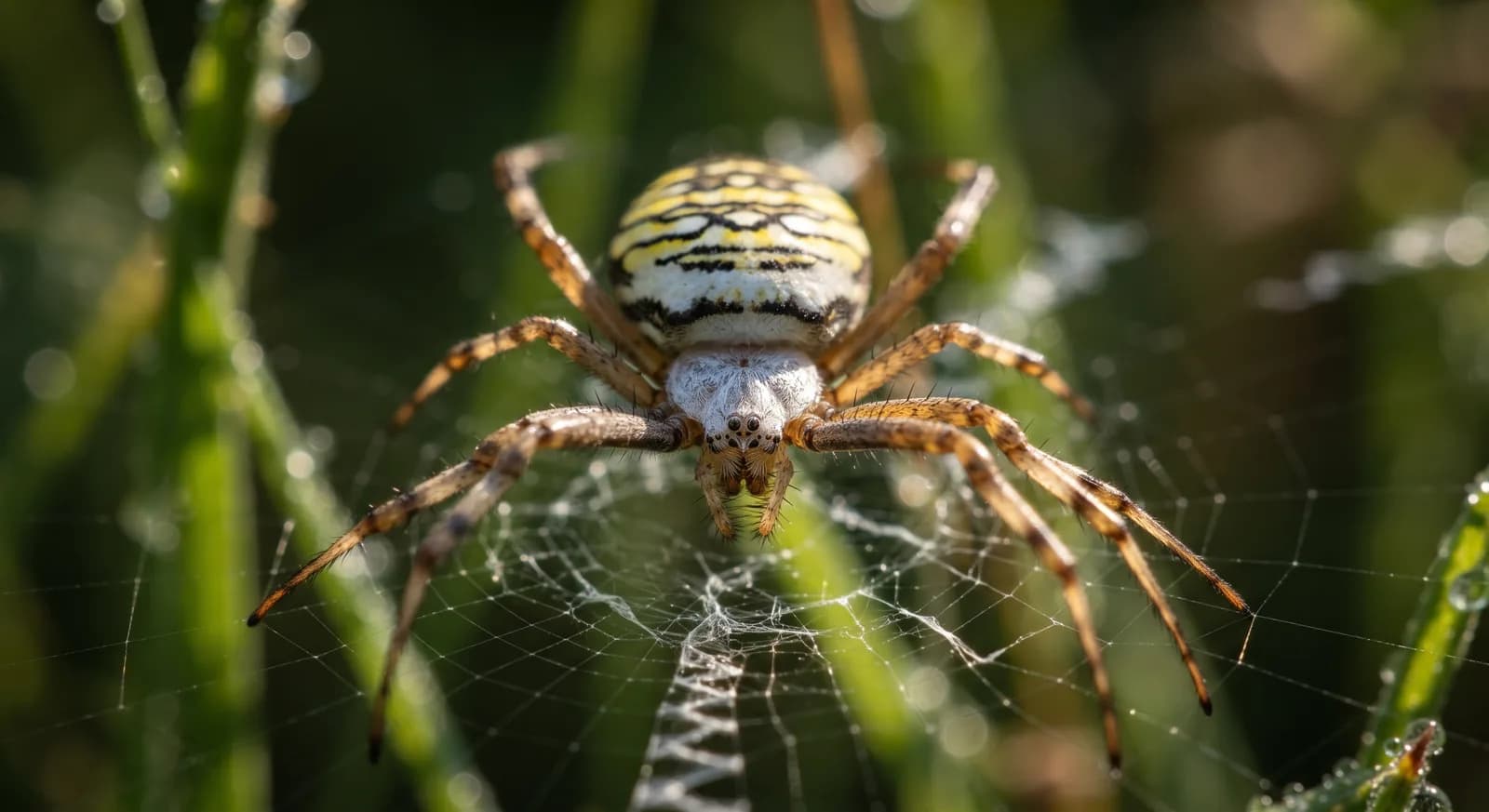
Wasp Spider

Argiope bruennichi

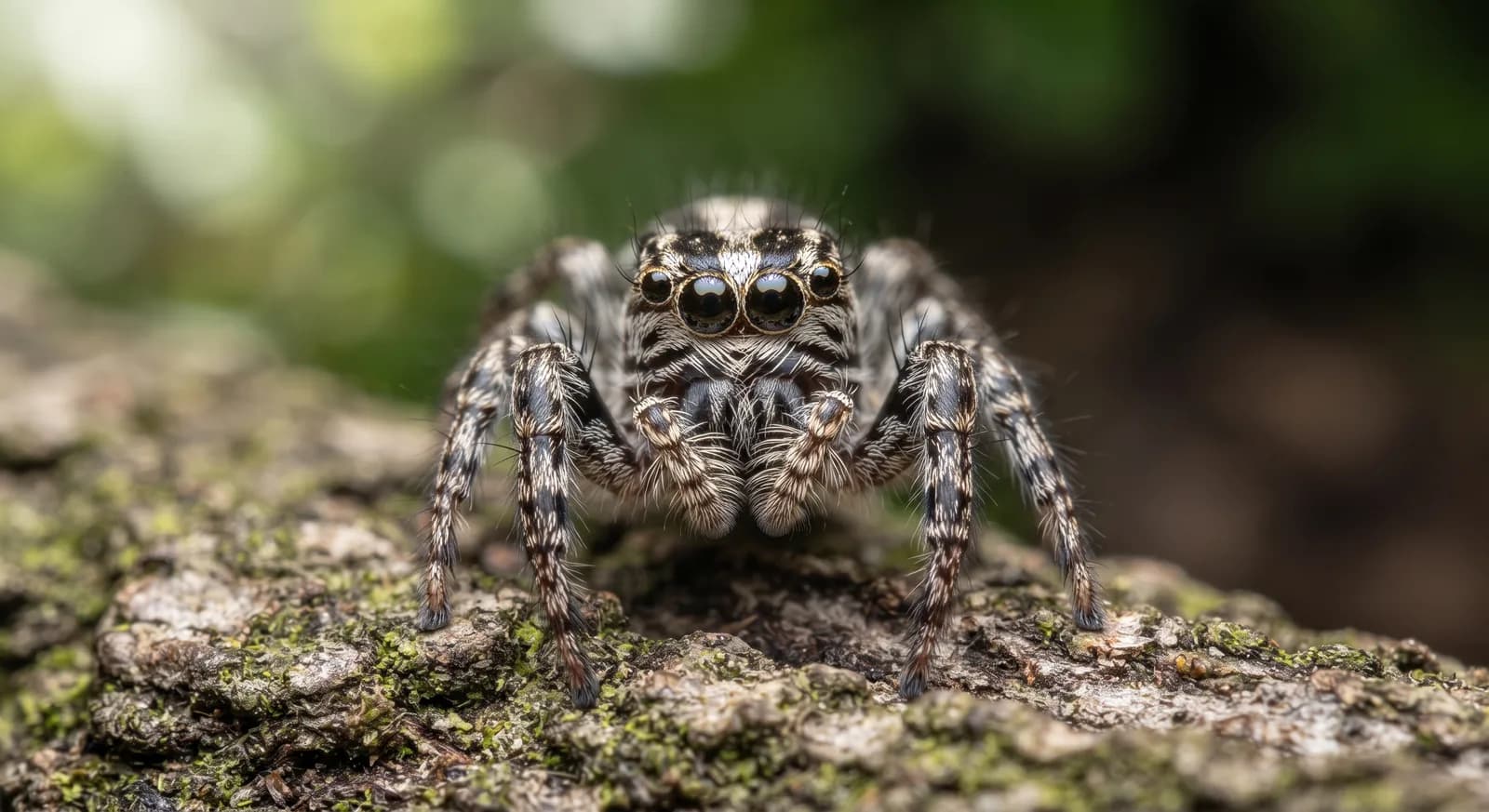
Zebra JumperNot Evaluated

Zebra Jumper

Salticus scenicus

Not Evaluated

European Wolf Spider

Lycosa tarantula

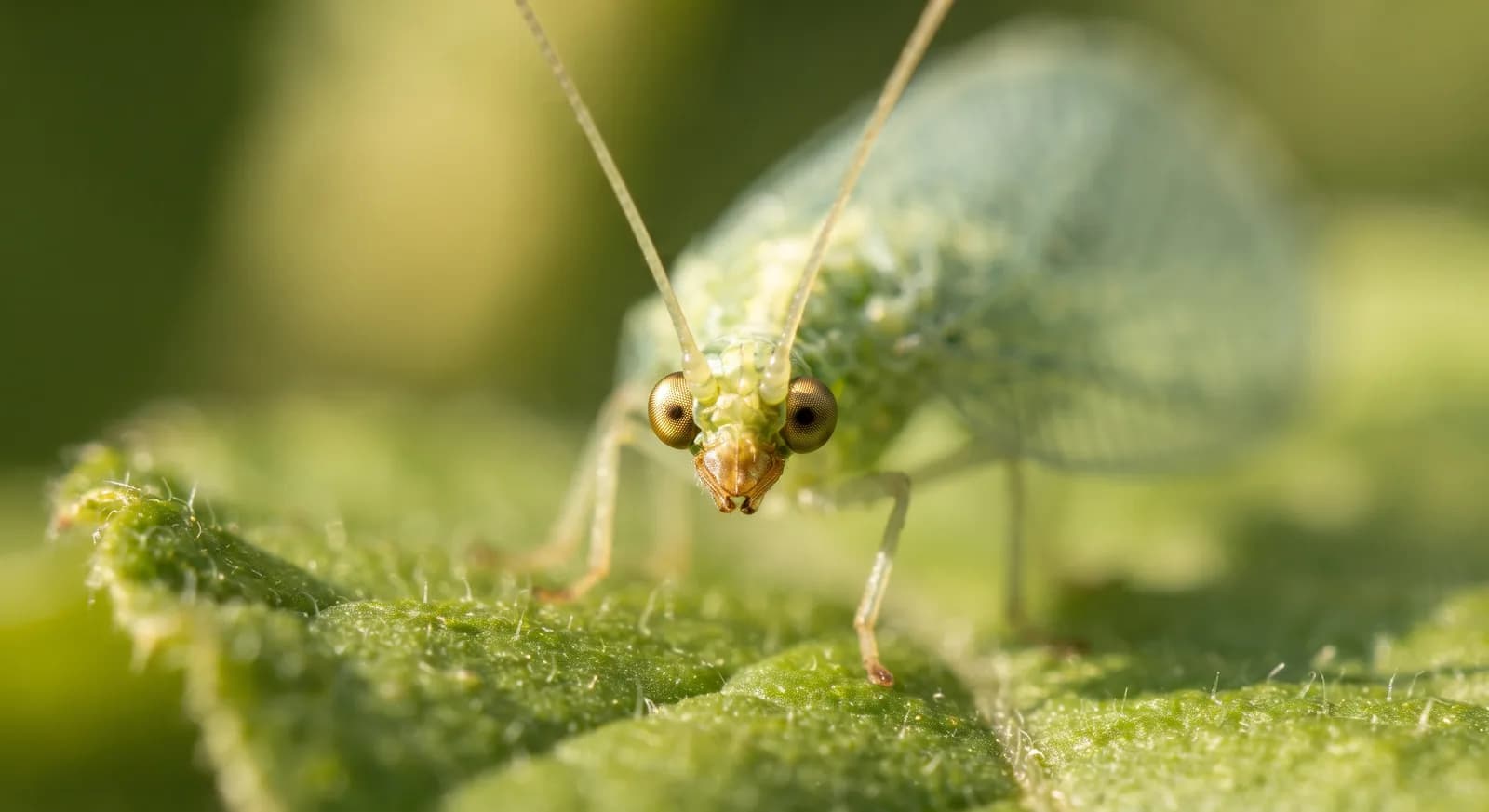
Common Green LacewingNot Evaluated

Common Green Lacewing

Chrysoperla carnea

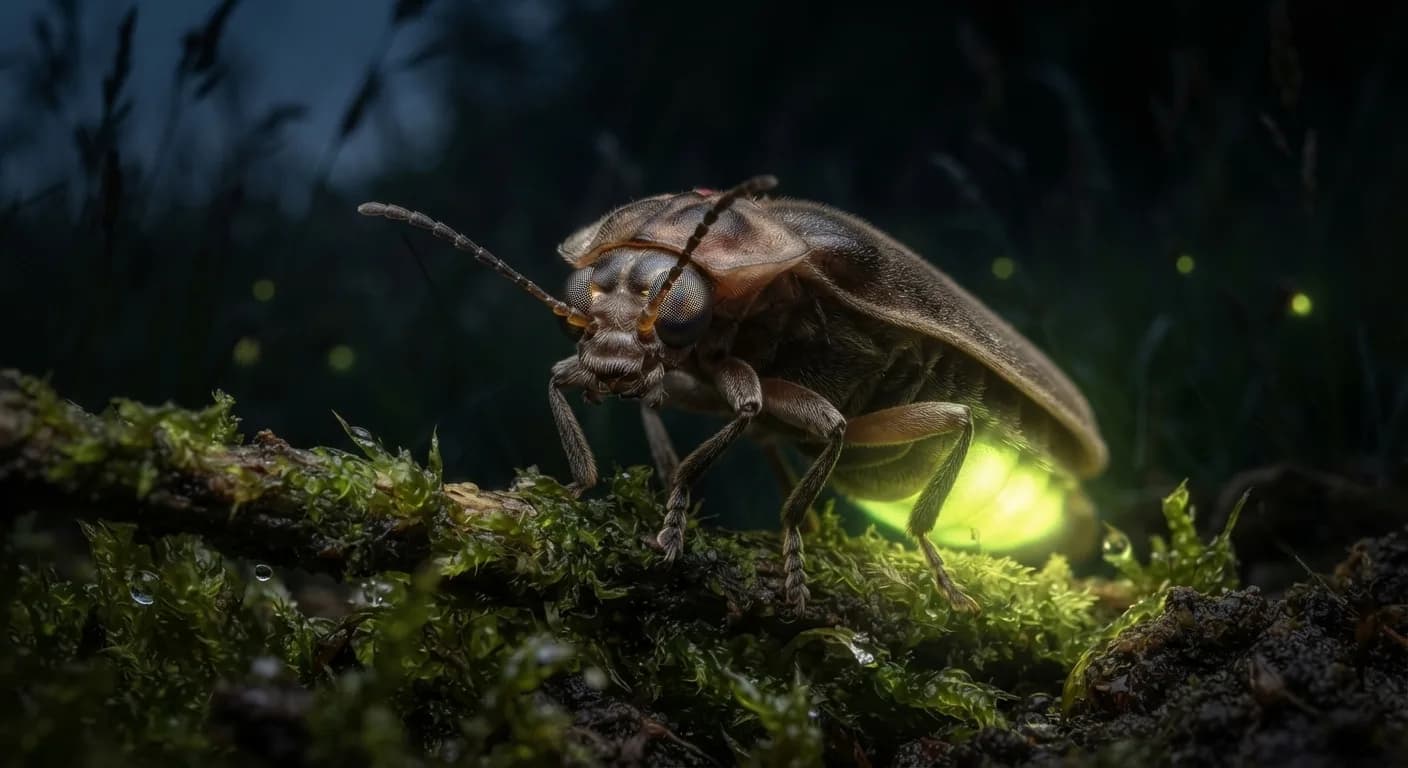
Glow-wormNot Evaluated

Glow-worm

Lampyris noctiluca

CountriesSpain
ParksSarekSweden
TagsCarnivore
Carnivore
Nocturnal
Solitary
Grassland
Arachnid

Europe40

Asia6

North America2

Oceania1

Spain
Sweden
Italy
United Kingdom
Finland
Poland
Albania
Andorra
Austria
Belarus
Belgium
Bosnia and Herzegovina
Bulgaria
Croatia
Czechia
Denmark
Estonia
Finland
France
Germany
Greece
Hungary
Ireland
Italy
Kosovo
Latvia
Liechtenstein
Lithuania
Luxembourg
Moldova
Montenegro
Netherlands
North Macedonia
Norway
Poland
Portugal
Romania
San Marino
Serbia
Slovakia
Slovenia
Spain
Sweden
Switzerland
Ukraine
United Kingdom
Armenia
Azerbaijan
Georgia
Japan
Russia
Türkiye
Canada
United States
New Zealand