Skip to content
WAnimals
  • Map
  • Species
  • Parks
  • Diving
Log inCreate account
WAnimals

The guide for travellers and animal lovers: discover, plan and share your wild adventures around the world.

Discover wildlife

  • Species
  • Ecosystems
  • Glossary
  • Tags

Explore places

  • Map
  • Countries
  • Parks
  • Diving

Plan experiences

  • Guides

Learn

  • Blog

Resources

  • Help centre
  • Contact
  • Install the app

Follow us

Account

  • Log in
  • Create account

© 2026 WAnimals. All rights reserved.

About usHow we build our profilesTerms of servicePrivacyLegal notice
MapSpeciesParksDiving
  1. Home
  2. Species
  3. Death's-head Hawk-moth

One of the 4 hawk-moths on WAnimals
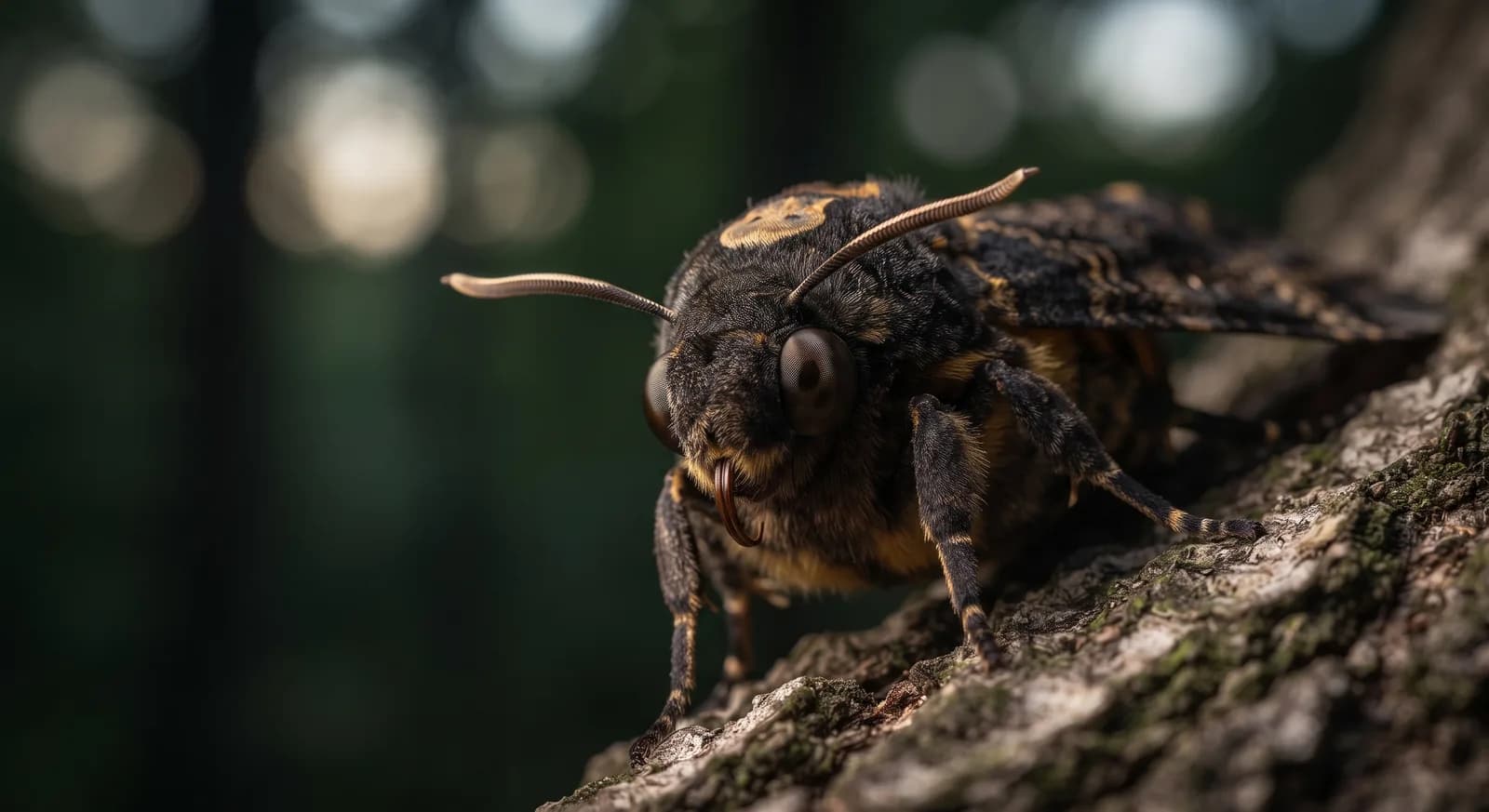
Death's-head Hawk-moth (Acherontia atropos)

Insects · Lepidoptera · Sphingidae

Death's-head Hawk-moth

Acherontia atropos

Not Evaluated

It has not yet been assessed against the IUCN criteria.

Spotted something wrong?

The African death's-head hawk-moth is a ditrysian lepidopteran of the family Sphingidae. The common name of the three species of the genus Acherontia refers to the marking on the back of the thorax, which resembles a human skull.

Size

9 cm – 13 cm

Diet

Herbivore

Feeds mainly on plants.

Activity

Nocturnal

Active mainly at night.
Social structure

Solitary

Lives and hunts alone, joining others only to breed.

Sighting difficulty

Unknown

Grassland
60countries147parks2same family

AI-generated images: illustrations, not photographs.

Fun facts

  • It can produce an audible squeak by forcing air out through its proboscis, something unique among butterflies and moths.
  • It enters hives to steal honey: it mimics the chemical make-up of the bees' scent, so that they do not recognise it as an intruder, and its thick cuticle withstands the stings it does receive.
  • The skull marking and its habit of coming into houses at night have surrounded it with superstition for centuries, and given it a prominent role in literature and film.
  • It bears a marking on its thorax that looks like a human skull, and that mark has given it a sinister reputation for centuries: it was associated with death and omens, and it appears in The Silence of the Lambs and in works by Bram Stoker.
  • It squeaks. When disturbed it emits an audible squeak by forcing air out through its proboscis, a mechanism unique among butterflies and moths.
  • It raids beehives. It enters the combs to steal honey, and does so protected by a chemical signature: its cuticle carries fatty acids that mimic the smell of the hive itself, so the bees do not recognise it as an intruder.
  • Its proboscis is short and stout, adapted to piercing wax cappings rather than sipping at flowers.
  • It is a powerful migrant: it reaches northern Europe from Africa every year, but the northern populations do not survive the winter.
  • The caterpillar is enormous, up to 13 cm, and feeds mainly on nightshades, including potato and bittersweet.

Life cycle and biology

Skeleton type
Invertebrate - chitin exoskeleton (insect)
Habitat and environment
Open country and farmland in Africa, southern Europe and the Near East; it migrates north in summer, reaching as far as the United Kingdom and Scandinavia without being able to overwinter there

Sources consulted: https://es.wikipedia.org/wiki/Acherontia_atropos

Where to find it

Best time: Summer and autumn, when the migrants arrive from Africa

Loading map…

Where to see it

Parks and dive sites where this species has been documented — showing 10 of 147.

Related species

Other species in the catalogue with the most in common with Death's-head Hawk-moth — same habitat, park, country, tags or family.

Same taxonomic family
Shares a park
Shares a park
Shares a park
Shares a park
Shares a park

Keep exploring

Based on what we already know about death's-head hawk-moth.

Comments

Share an experience, a fun fact or a tip for seeing the death's-head hawk-moth.

Be the first to comment.

See full glossary
This page in other languages: Español · Deutsch · Français · Português · Italiano

The pins mark the parks where its presence is documented.

See its range on the interactive map→
Picos de EuropaSpain
Ordesa y Monte PerdidoSpain
Aiguestortes i Estany de Sant MauriciSpain
Peneda-GeresPortugal
CalanquesFrance
Abruzzo, Lazio and MoliseItaly
Cinque TerreItaly
Alta MurgiaItaly
Mount OlympusGreece
Alonissos and the Northern SporadesGreece
See all 147 parks
Humming-bird Hawk-mothNot Evaluated

Humming-bird Hawk-moth

Macroglossum stellatarum

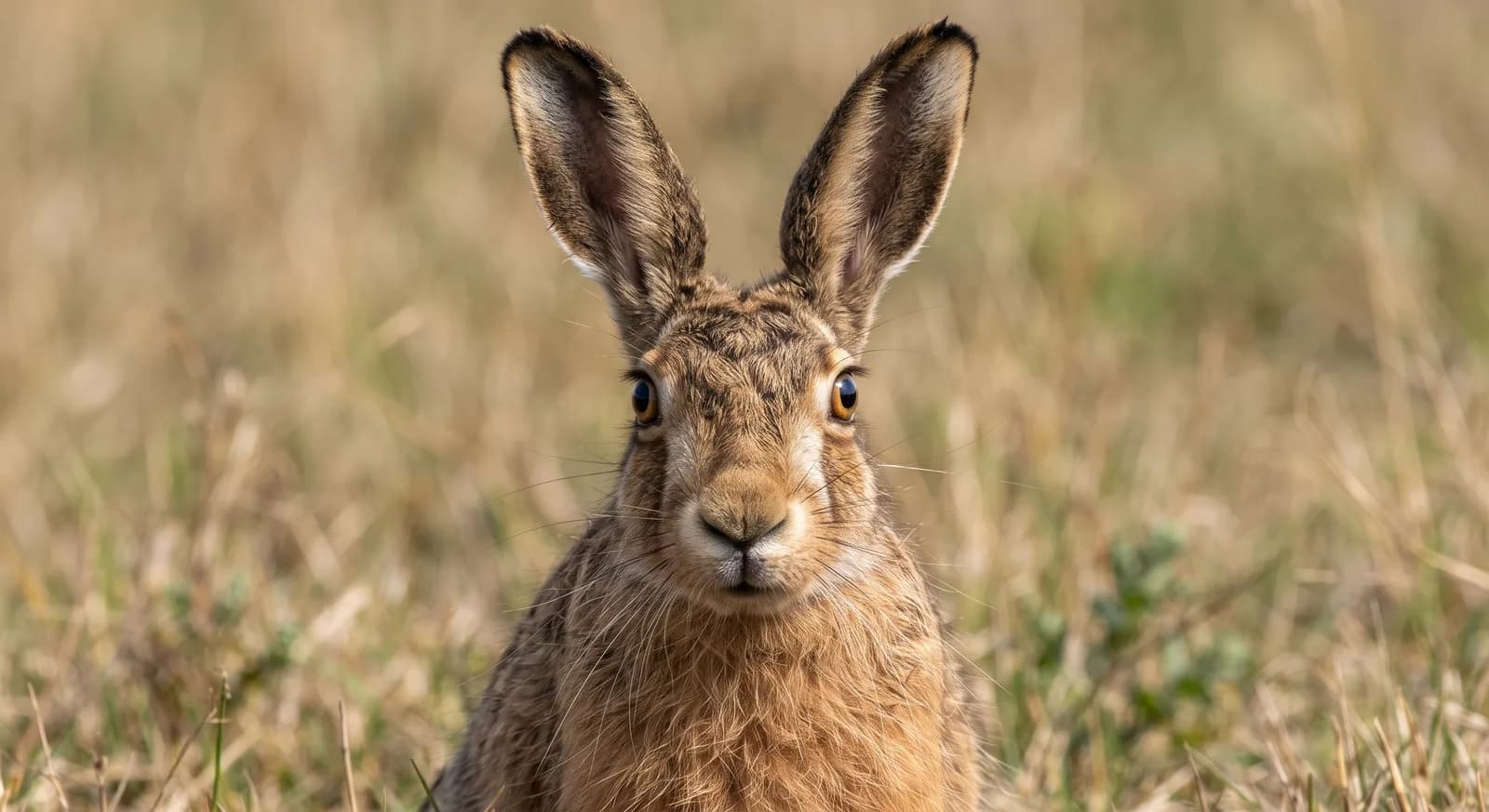
European HareLeast Concern

European Hare

Lepus europaeus

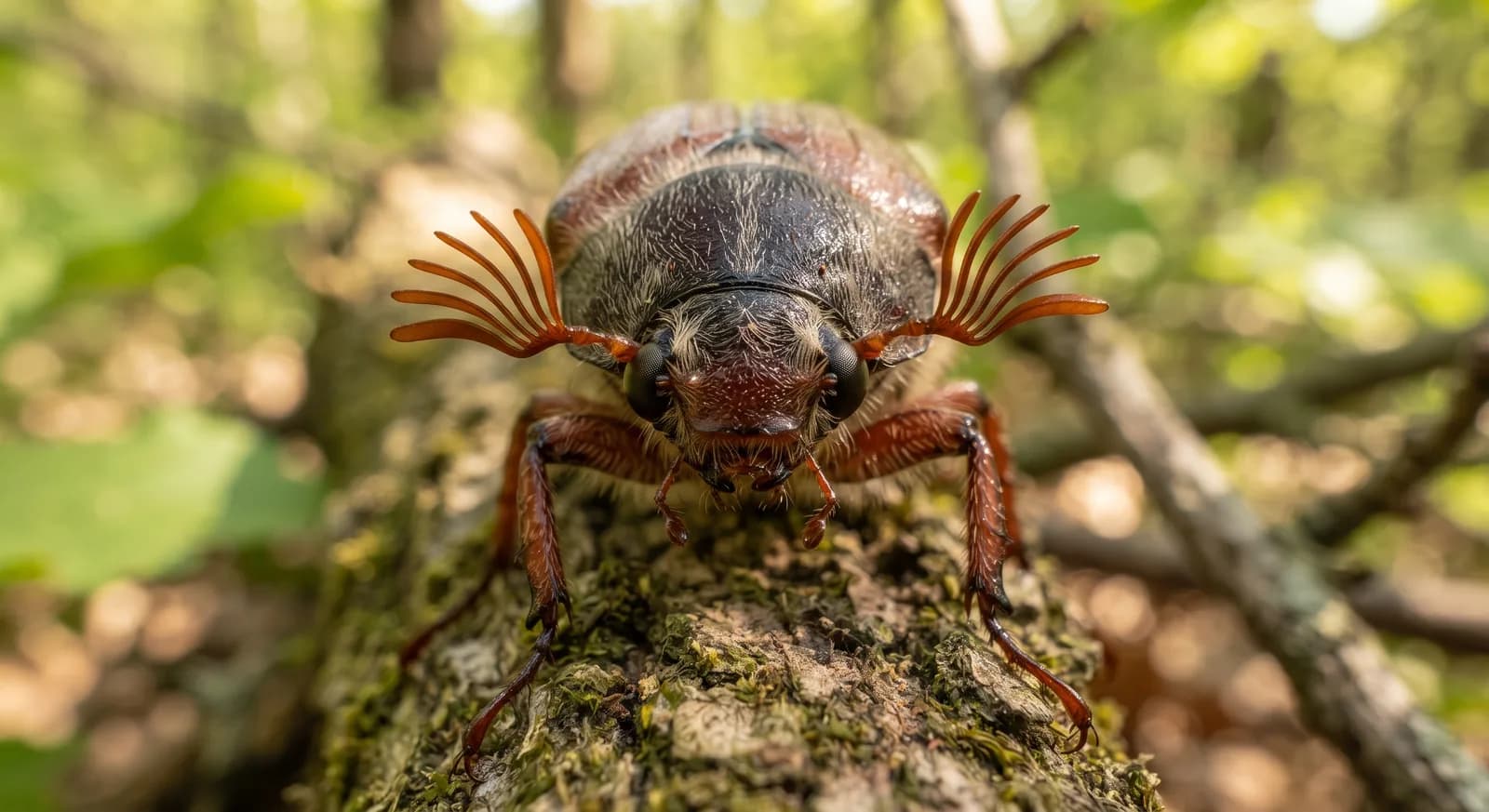
Common CockchaferNot Evaluated

Common Cockchafer

Melolontha melolontha

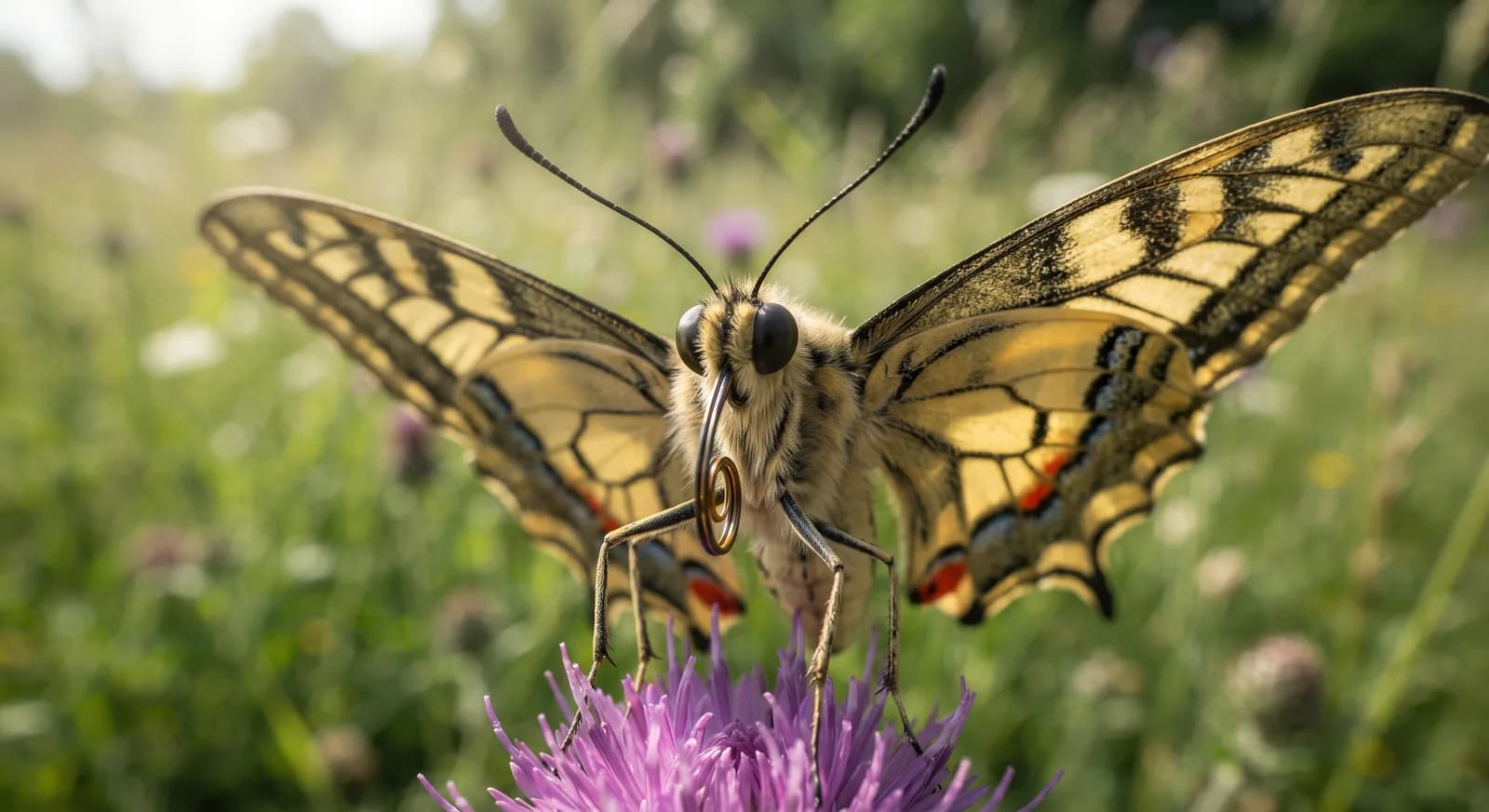
SwallowtailLeast Concern

Swallowtail

Papilio machaon

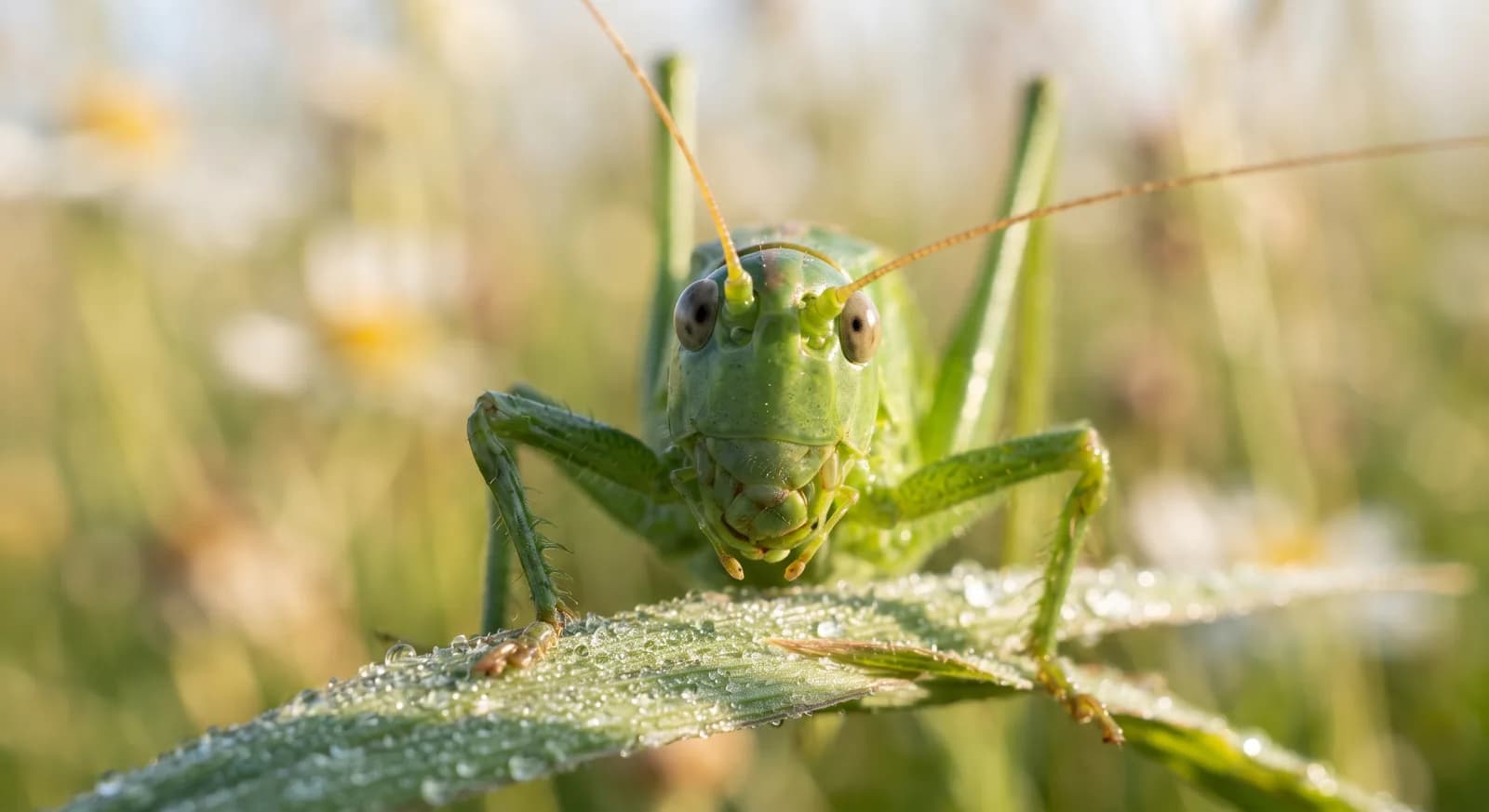
Great Green Bush CricketNot Evaluated

Great Green Bush Cricket

Tettigonia viridissima

Mole CricketNot Evaluated

Mole Cricket

Gryllotalpa gryllotalpa

CountriesSpain
ParksPicos de EuropaSpain
TagsHerbivore
Herbivore
Nocturnal
Solitary
Insect
Grassland

Europe37

Africa13

Asia10

Spain
Italy
Poland
Greece
Germany
Croatia
Albania
Austria
Belarus
Belgium
Bosnia and Herzegovina
Bulgaria
Croatia
Cyprus
Czechia
Denmark
Estonia
Finland
France
Germany
Greece
Hungary
Ireland
Italy
Latvia
Lithuania
Luxembourg
Malta
Moldova
Montenegro
Netherlands
Norway
Poland
Portugal
Romania
Serbia
Slovakia
Slovenia
Spain
Sweden
Switzerland
Ukraine
United Kingdom
Algeria
Egypt
Ethiopia
Ghana
Kenya
Libya
Madagascar
Morocco
Nigeria
South Africa
Tanzania
Tunisia
Uganda
India
Iran
Iraq
Israel
Lebanon
Russia
Saudi Arabia
Syria
Türkiye
Yemen