Skip to content
WAnimals
  • Map
  • Species
  • Parks
  • Diving
Log inCreate account
WAnimals

The guide for travellers and animal lovers: discover, plan and share your wild adventures around the world.

Discover wildlife

  • Species
  • Ecosystems
  • Glossary
  • Tags

Explore places

  • Map
  • Countries
  • Parks
  • Diving

Plan experiences

  • Guides

Learn

  • Blog

Resources

  • Help centre
  • Contact
  • Install the app

Follow us

Account

  • Log in
  • Create account

© 2026 WAnimals. All rights reserved.

About usHow we build our profilesTerms of servicePrivacyLegal notice
MapSpeciesParksDiving
  1. Home
  2. Species
  3. Mole Cricket
Mole Cricket (Gryllotalpa gryllotalpa)

Insects · Orthoptera · Gryllotalpidae

Mole Cricket

Gryllotalpa gryllotalpa

Not Evaluated

It has not yet been assessed against the IUCN criteria.

Spotted something wrong?

The mole cricket is an orthopteran insect of the family Gryllotalpidae native to western Europe and North Africa, although it has been introduced to eastern Asia, to South America and to the eastern United States.

Size

3.5 cm – 5 cm

Life expectancy

3 years

Diet

Omnivore

Combines animal and plant food depending on availability.
Activity

Nocturnal

Active mainly at night.

Social structure

Solitary

Lives and hunts alone, joining others only to breed.

Sighting difficulty

Unknown

Grassland
54countries130parks

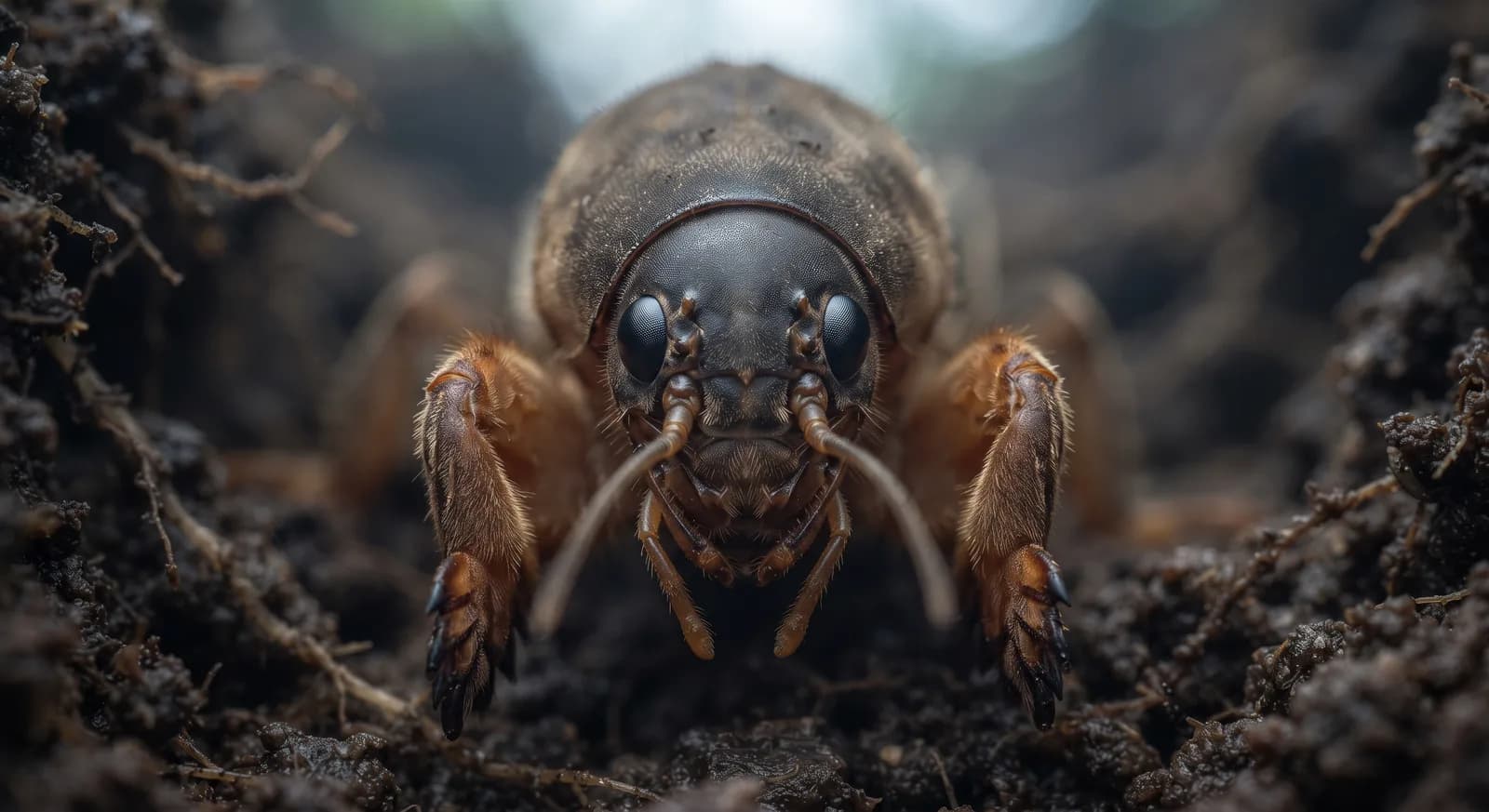
AI-generated images: illustrations, not photographs.

Fun facts

  • The male sings from a burrow he digs himself in the shape of a double horn, whose geometry amplifies the sound so effectively that his call carries more than a kilometre.
  • Its front legs are a case of perfect convergent evolution with those of the mole: two entirely unrelated lineages that have arrived at the same tool.
  • It has disappeared from much of Europe through agricultural intensification and the draining of wet meadows, and is protected in several countries.
  • Its front legs are transformed into toothed shovels, very like a mole's, and it is a classic case of evolutionary convergence: two entirely unrelated animals solving the problem of digging in the same way.
  • It builds an amplifier. The male digs a burrow shaped like a double horn, with two flared openings towards the surface, and sings from the exact spot where the geometry resonates best. The design turns his stridulation into a trill that can be heard more than a kilometre away.
  • It is a much-cited case of acoustic niche construction: the horn's efficiency depends on its shape and size, and the cricket tunes it by singing and modifying the tunnel until the volume is maximised.
  • It swims, flies and digs: it is one of the few insects capable of all three.
  • The female cares for her clutch, something uncommon among orthopterans: she watches over the eggs in an underground chamber and keeps them clean.
  • Its populations have fallen sharply in western Europe, and in the United Kingdom it is practically extinct.

Life cycle and biology

Skeleton type
Invertebrate - chitin exoskeleton (insect)
Habitat and environment
Damp, soft, rich soils of vegetable plots, meadows and riverbanks
Sexual maturity
The nymphs begin to mature from the following spring, but some do not do so until their third spring
Gestation / incubation
The eggs hatch between 10 and 20 days after laying according to some sources and in 2 to 4 weeks according to others; the nymphs moult six times and take one to three years to mature
Litter / clutch size
100 to 350 eggs in an underground chamber dug in spring; the female guards them and goes on watching over the nymphs for another two or three weeks

Sources consulted: https://es.wikipedia.org/wiki/Gryllotalpa_gryllotalpa; Ficha de especie de Gryllotalpa gryllotalpa; SINA; Arkive; e-nema, ficha Mole cricket; SINA, capitulo Gryllotalpinae; Orthopterists' Society (SINA), capitulo Gryllotalpinae; Arkive, ficha Mole cricket

Where to find it

Best time: Spring, when the males sing at dusk from their burrows

Loading map…

Where to see it

Parks and dive sites where this species has been documented — showing 10 of 130.

Related species

Other species in the catalogue with the most in common with Mole Cricket — same habitat, park, country, tags or family.

Shares a park
Shares a park
Shares a park
Shares a park
Shares a park
Shares a park

Keep exploring

Based on what we already know about mole cricket.

Comments

Share an experience, a fun fact or a tip for seeing the mole cricket.

Be the first to comment.

See full glossary
This page in other languages: Español · Deutsch · Français · Português · Italiano

The pins mark the parks where its presence is documented.

See its range on the interactive map→
Picos de EuropaSpain
Ordesa y Monte PerdidoSpain
Aiguestortes i Estany de Sant MauriciSpain
Peneda-GeresPortugal
Abruzzo, Lazio and MoliseItaly
Alta MurgiaItaly
Mount OlympusGreece
PlitviceCroatia
DurmitorMontenegro
BiałowieżaPoland
See all 130 parks
Critically Endangered

Common Hamster

Cricetus cricetus

Red FoxLeast Concern

Red Fox

Vulpes vulpes

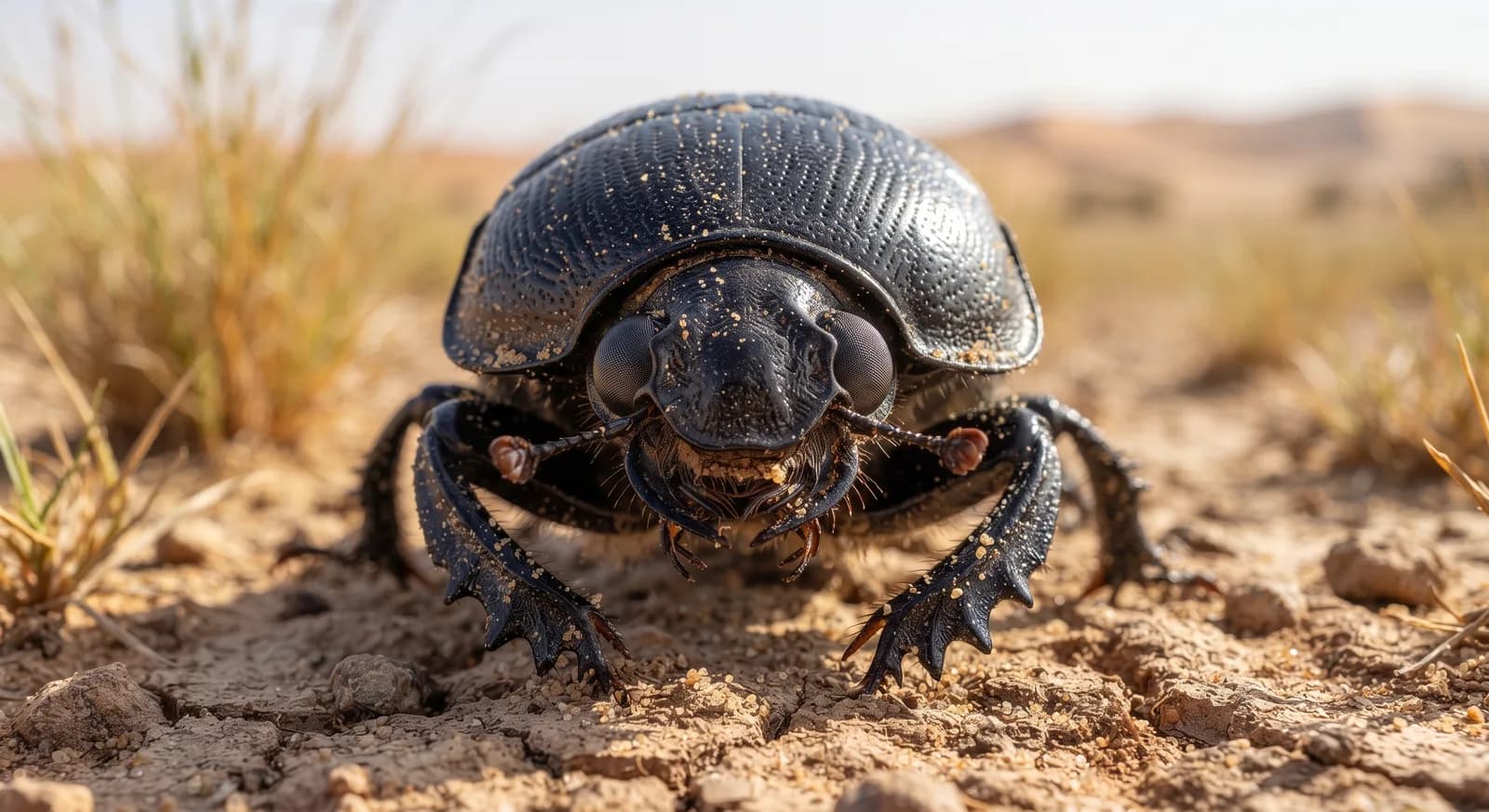
Sacred ScarabNot Evaluated

Sacred Scarab

Scarabaeus sacer

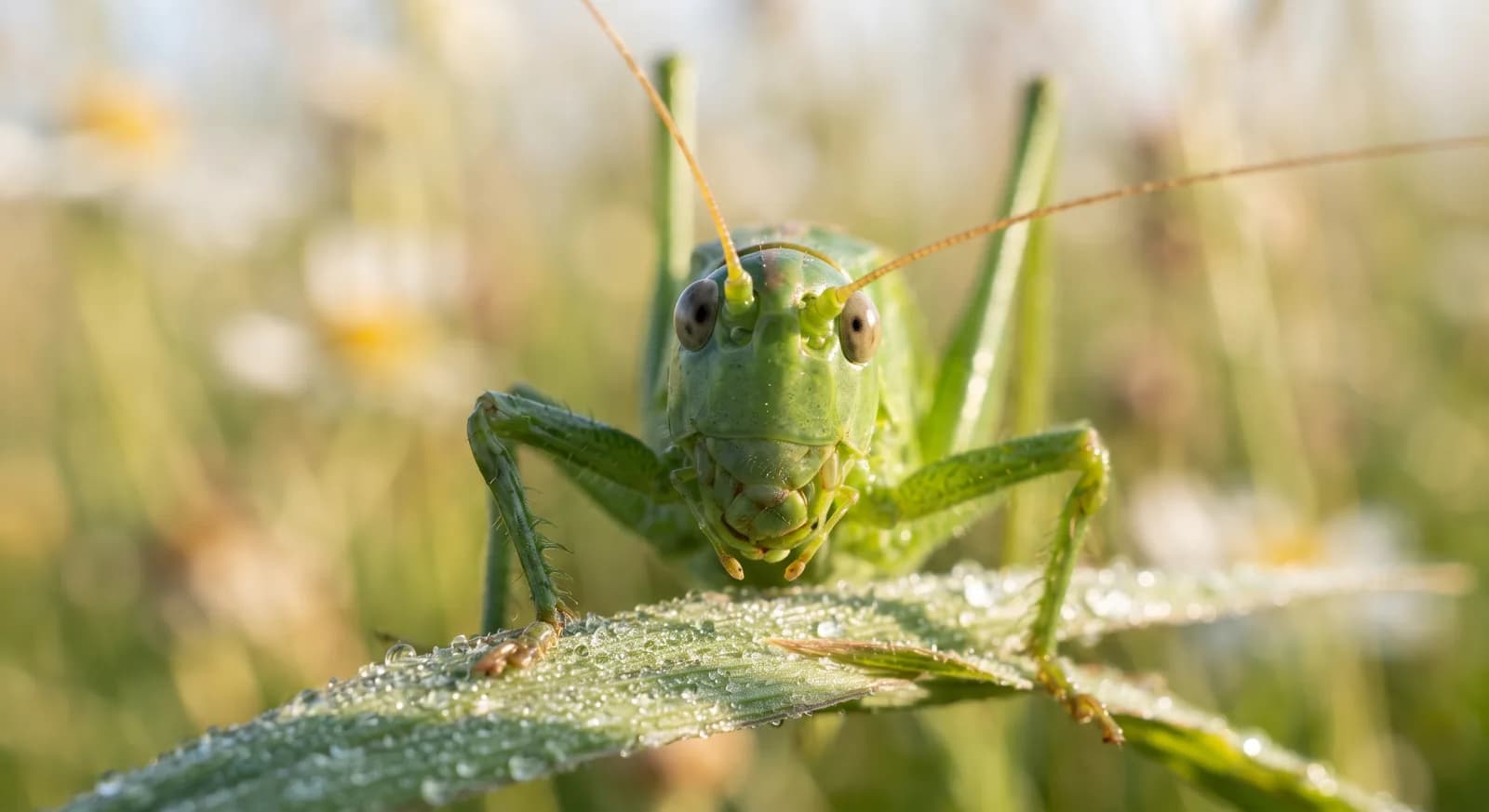
Great Green Bush CricketNot Evaluated

Great Green Bush Cricket

Tettigonia viridissima

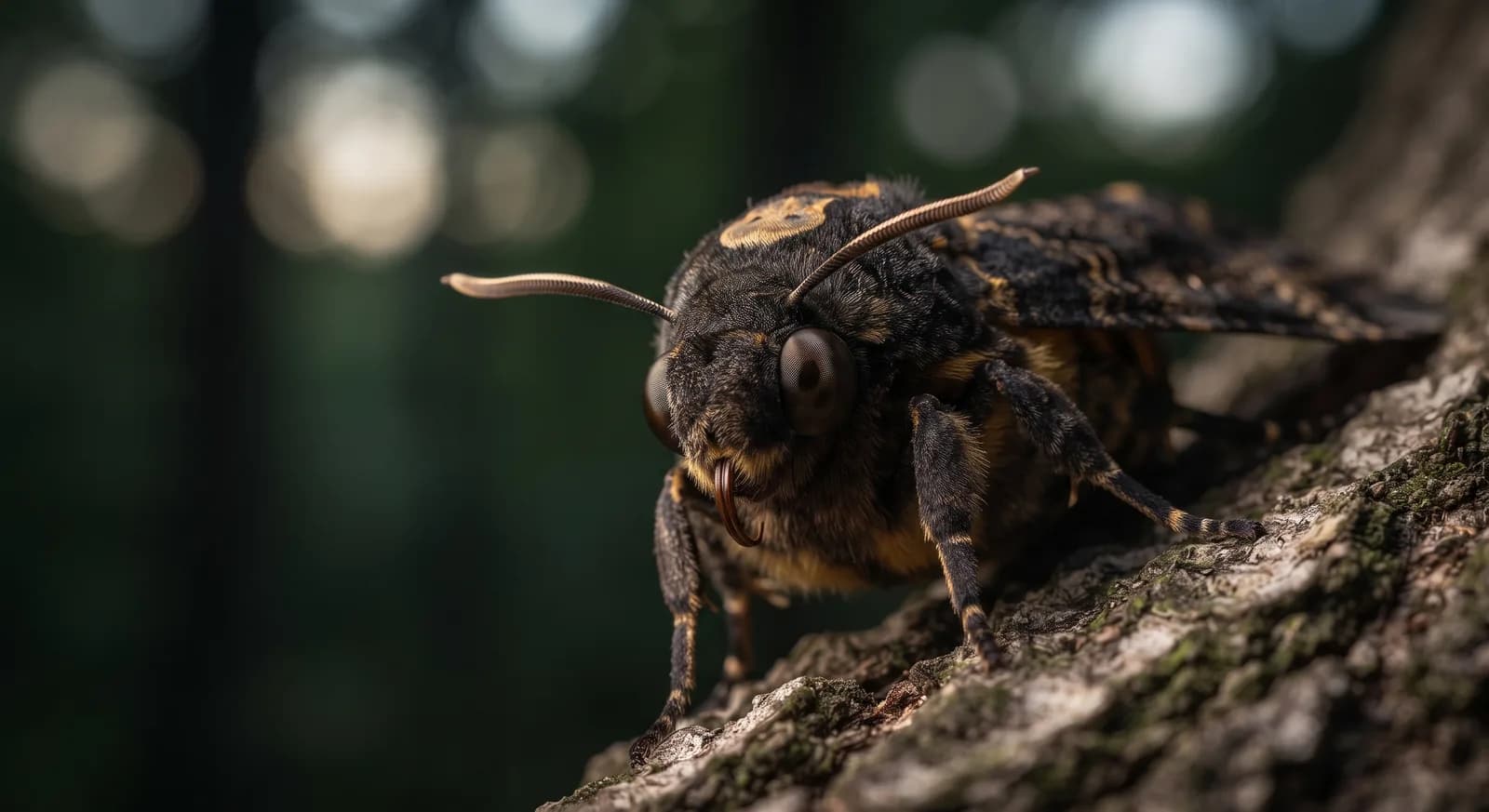
Death's-head Hawk-mothNot Evaluated

Death's-head Hawk-moth

Acherontia atropos

Not Evaluated

Dung Beetle

Onthophagus taurus

CountriesSpain
ParksPicos de EuropaSpain
TagsOmnivore
Omnivore
Nocturnal
Solitary
Insect
Grassland
SpainItalyPolandGermanyGreeceHungary

Europe41

AlbaniaAndorraAustriaBelarusBelgiumBosnia and HerzegovinaBulgariaCroatiaCyprusCzechiaDenmarkEstoniaFinlandFranceGermanyGreeceHungaryIrelandItalyLatviaLiechtensteinLithuaniaLuxembourgMaltaMoldovaMonacoMontenegroNetherlandsNorth MacedoniaNorwayPolandPortugalRomaniaSerbiaSlovakiaSloveniaSpainSwedenSwitzerlandUkraineUnited Kingdom

Asia10

ArmeniaAzerbaijanGeorgiaIranIsraelKazakhstanLebanonRussiaSyriaTürkiye

Africa3

AlgeriaMoroccoTunisia