Skip to content
WAnimals
  • Map
  • Species
  • Parks
  • Diving
Log inCreate account
WAnimals

The guide for travellers and animal lovers: discover, plan and share your wild adventures around the world.

Discover wildlife

  • Species
  • Ecosystems
  • Glossary
  • Tags

Explore places

  • Map
  • Countries
  • Parks
  • Diving

Plan experiences

  • Guides

Learn

  • Blog

Resources

  • About us
  • How we build our profiles
  • Help centre
  • Contact
  • Install the app

Follow us

Account

  • Log in
  • Create account

© 2026 WAnimals. All rights reserved.

Terms of servicePrivacyCookiesLegal notice
MapSpeciesParksDiving
  1. Home
  2. Species
  3. Humming-bird Hawk-moth

One of the 4 hawk-moths on WAnimals
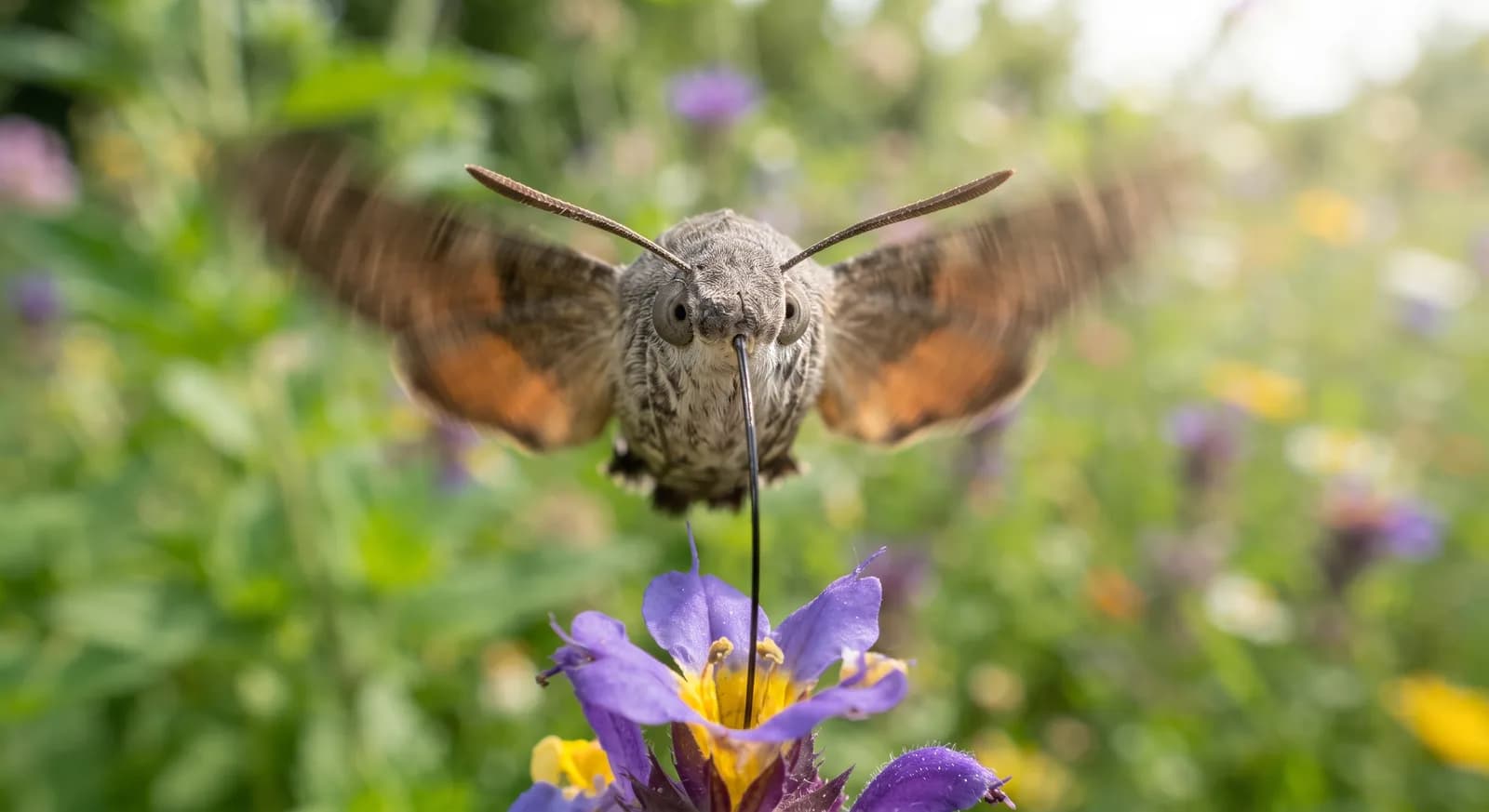
Humming-bird Hawk-moth (Macroglossum stellatarum)

Insects · Lepidoptera · Sphingidae

Humming-bird Hawk-moth

Macroglossum stellatarum

Not Evaluated

It has not yet been assessed against the IUCN criteria.

Spotted something wrong?

The hummingbird hawk-moth is a ditrysian lepidopteran of the family Sphingidae. It lives in southern Europe, including the Iberian Peninsula, North Africa and central Asia, India and Indochina. It is frequently confused with the hawk-moths of the genus Hemaris from North America. It takes its name from its flight and its way of feeding, which resemble those of a hummingbird.

Size

4 cm – 5 cm

Diet

Herbivore

Feeds mainly on plants.

Activity
Diurnal

Active mainly during the day.

Social structure

Solitary

Lives and hunts alone, joining others only to breed.

Grassland
54countries169parks2same family

AI-generated images: illustrations, not photographs.

Fun facts

  • It remembers the position of the flowers it has already visited and returns to the same plants at the same time on successive days, a spatial memory remarkable for an insect.
  • It is migratory: every spring whole populations cross from southern Europe and North Africa towards the centre and north of the continent.
  • Its resemblance to a hummingbird is a case of convergent evolution: two entirely unrelated lineages have arrived at the same solution for feeding while hovering.
  • It is constantly mistaken for a hummingbird, and that is its most remarkable trait: it hovers in the air before the flower, beats its wings at around 70 to 80 strokes per second and sips nectar with an extremely long proboscis without alighting.
  • It is a striking case of convergent evolution: two utterly unrelated lineages, a bird and an insect, solved the problem of feeding on nectar while hovering in the same way.
  • It is diurnal, which is exceptional among the hawk-moths, which usually fly at dusk.
  • It has spatial memory: it remembers which flowers it has visited and returns to the same flower beds day after day, something demonstrated experimentally.
  • It is migratory and in warm years reaches northern Europe, where it prompts regular reports of hummingbird sightings that never turn out to be hummingbirds.
  • It can fly at more than 5 metres per second and copes with low temperatures thanks to thermoregulation by muscular shivering before take-off.

Life cycle and biology

Skeleton type
Invertebrate - chitin exoskeleton (insect)
Habitat and environment
Gardens, verges, scrub and urban areas with flowers

Sources consulted: Wikipedia (es): Macroglossum stellatarum

Where to find it

Best time: Spring to autumn, in gardens and on balconies with tubular flowers

Loading map…

Where to see it

Parks and dive sites where this species has been documented — showing 10 of 169.

Related species

Other species in the catalogue with the most in common with Humming-bird Hawk-moth — same habitat, park, country, tags or family.

Same taxonomic family
Shares a park
Shares a park
Shares a park
Shares a park
Shares a park

Keep exploring

Based on what we already know about humming-bird hawk-moth.

Share an experience, a fun fact or a tip for seeing the humming-bird hawk-moth.
See full glossary
This page in other languages: Español · Deutsch · Français · Português · Italiano

The pins mark the parks where its presence is documented.

See its range on the interactive map→
Lake DistrictUnited Kingdom
CairngormsUnited Kingdom
Snowdonia (Eryri)United Kingdom
KillarneyIreland
Picos de EuropaSpain
Ordesa y Monte PerdidoSpain
Aiguestortes i Estany de Sant MauriciSpain
Peneda-GeresPortugal
CalanquesFrance
Abruzzo, Lazio and MoliseItaly
See all 169 parks
Death's-head Hawk-mothNot Evaluated

Death's-head Hawk-moth

Acherontia atropos

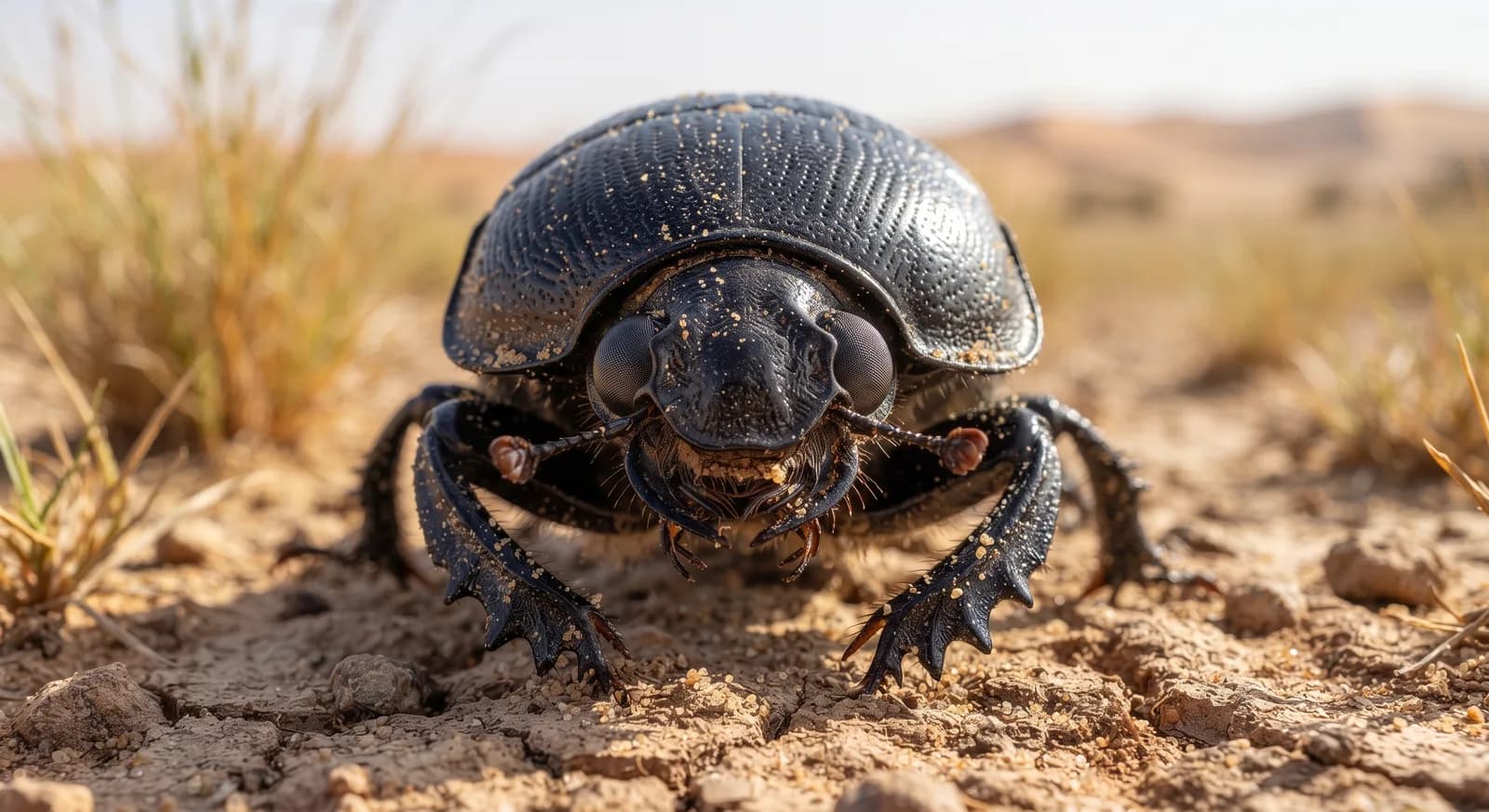
Sacred ScarabNot Evaluated

Sacred Scarab

Scarabaeus sacer

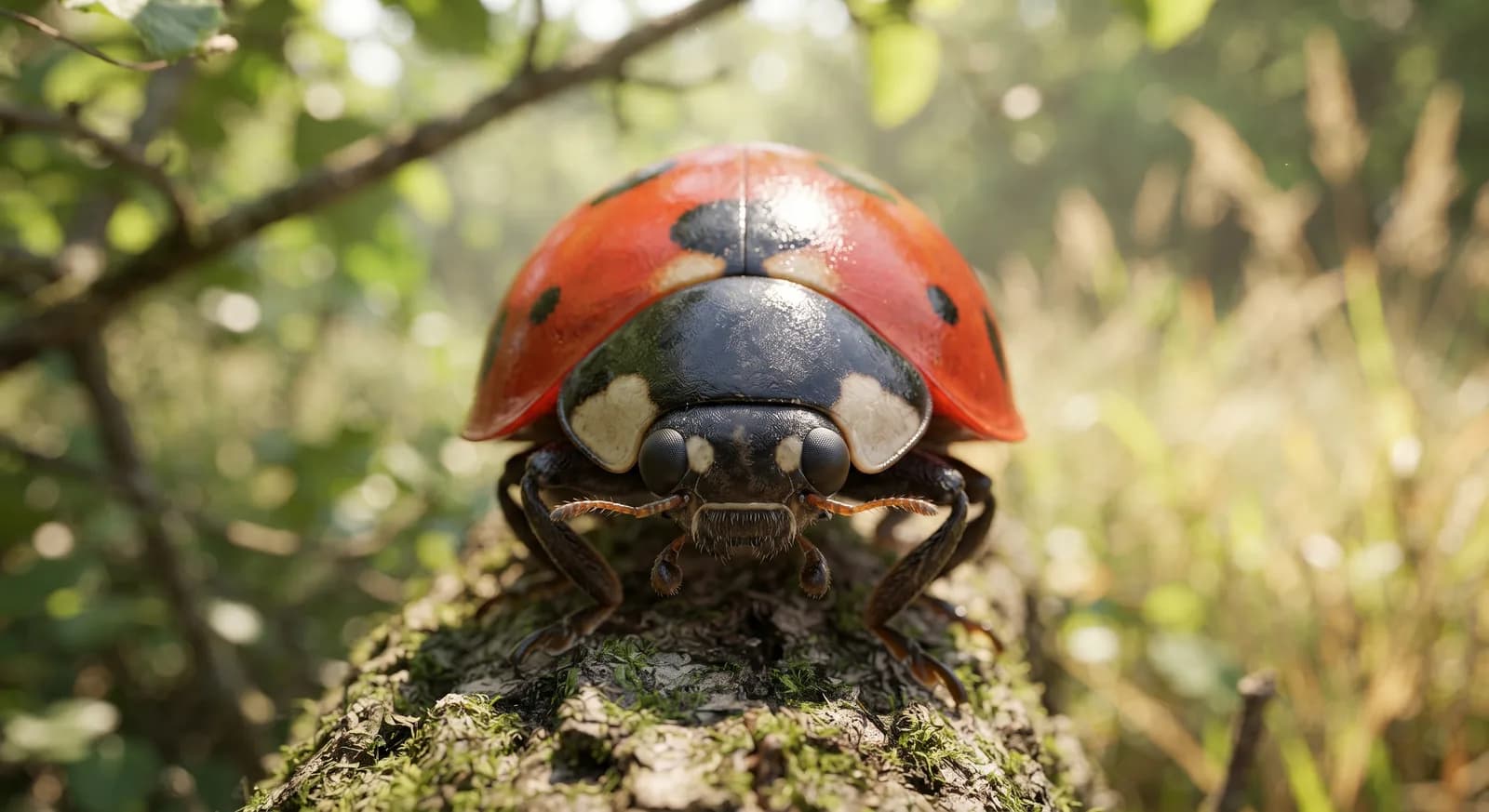
Seven-spotted Lady BeetleNot Evaluated

Seven-spotted Lady Beetle

Coccinella septempunctata

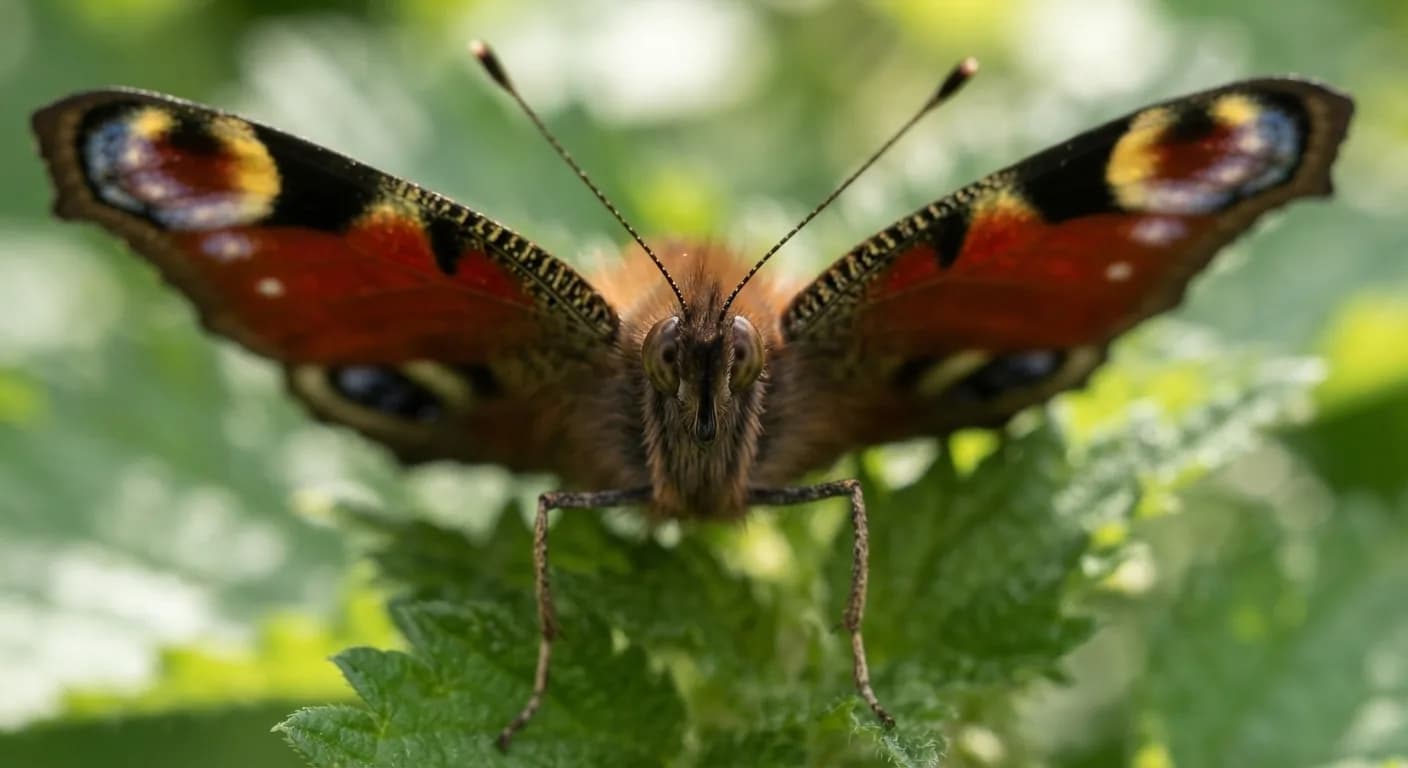
PeacockLeast Concern

Peacock

Aglais io

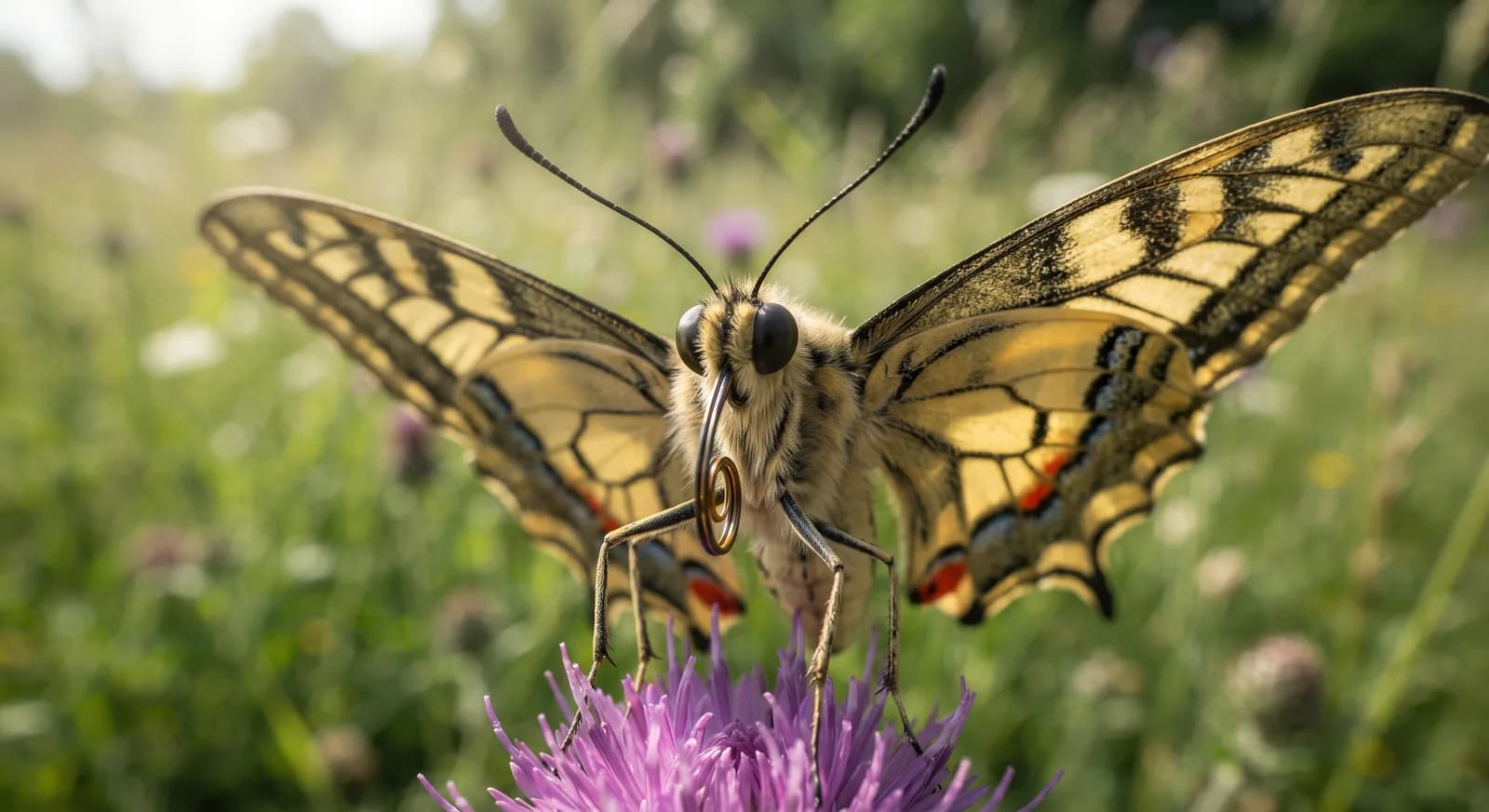
SwallowtailLeast Concern

Swallowtail

Papilio machaon

Large WhiteLeast Concern

Large White

Pieris brassicae

CountriesSpain
ParksLake DistrictUnited Kingdom
TagsHerbivore
Herbivore
Diurnal
Solitary
Insect
Grassland

Europe41

Asia10

Africa3

Spain
Italy
United Kingdom
Poland
Greece
Germany
Albania
Andorra
Austria
Belarus
Belgium
Bosnia and Herzegovina
Bulgaria
Croatia
Cyprus
Czechia
Denmark
Estonia
Finland
France
Germany
Greece
Hungary
Ireland
Italy
Latvia
Liechtenstein
Lithuania
Luxembourg
Malta
Moldova
Monaco
Montenegro
Netherlands
North Macedonia
Norway
Poland
Portugal
Romania
Serbia
Slovakia
Slovenia
Spain
Sweden
Switzerland
Ukraine
United Kingdom
Armenia
Azerbaijan
Georgia
Iran
Israel
Kazakhstan
Lebanon
Russia
Syria
Türkiye
Algeria
Morocco
Tunisia