Skip to content
WAnimals
  • Map
  • Species
  • Parks
  • Diving
Log inCreate account
WAnimals

The guide for travellers and animal lovers: discover, plan and share your wild adventures around the world.

Discover wildlife

  • Species
  • Ecosystems
  • Glossary
  • Tags

Explore places

  • Map
  • Countries
  • Parks
  • Diving

Plan experiences

  • Guides

Learn

  • Blog

Resources

  • Help centre
  • Contact
  • Install the app

Follow us

Account

  • Log in
  • Create account

© 2026 WAnimals. All rights reserved.

About usHow we build our profilesTerms of servicePrivacyLegal notice
MapSpeciesParksDiving
  1. Home
  2. countries
  3. Poland

Poland

Europe

514

Documented species

24

Parks and reserves

1

Dive sites

Poland keeps some of the best-preserved ecosystems on the European plain, starting with the Białowieża forest, the last great fragment of the primeval woodland that covered the continent before agriculture, with trees over five hundred years old and deadwood in quantities that no longer exist anywhere else in Europe. To the northeast lie the Biebrza marshes, the largest natural wetland in central Europe, with flood meadows where harriers, godwits and the scarce aquatic warbler breed. The Masurian lakes, a glacial inheritance, and the Baltic coast with the shifting dunes of Słowiński complete the north. To the south, the Carpathians and the Tatras add mountain fauna and a solid population of brown bear, wolf and lynx. The country also hosts a very substantial share of the world population of white stork, tied to its traditional farmland mosaic.

Nature in Poland

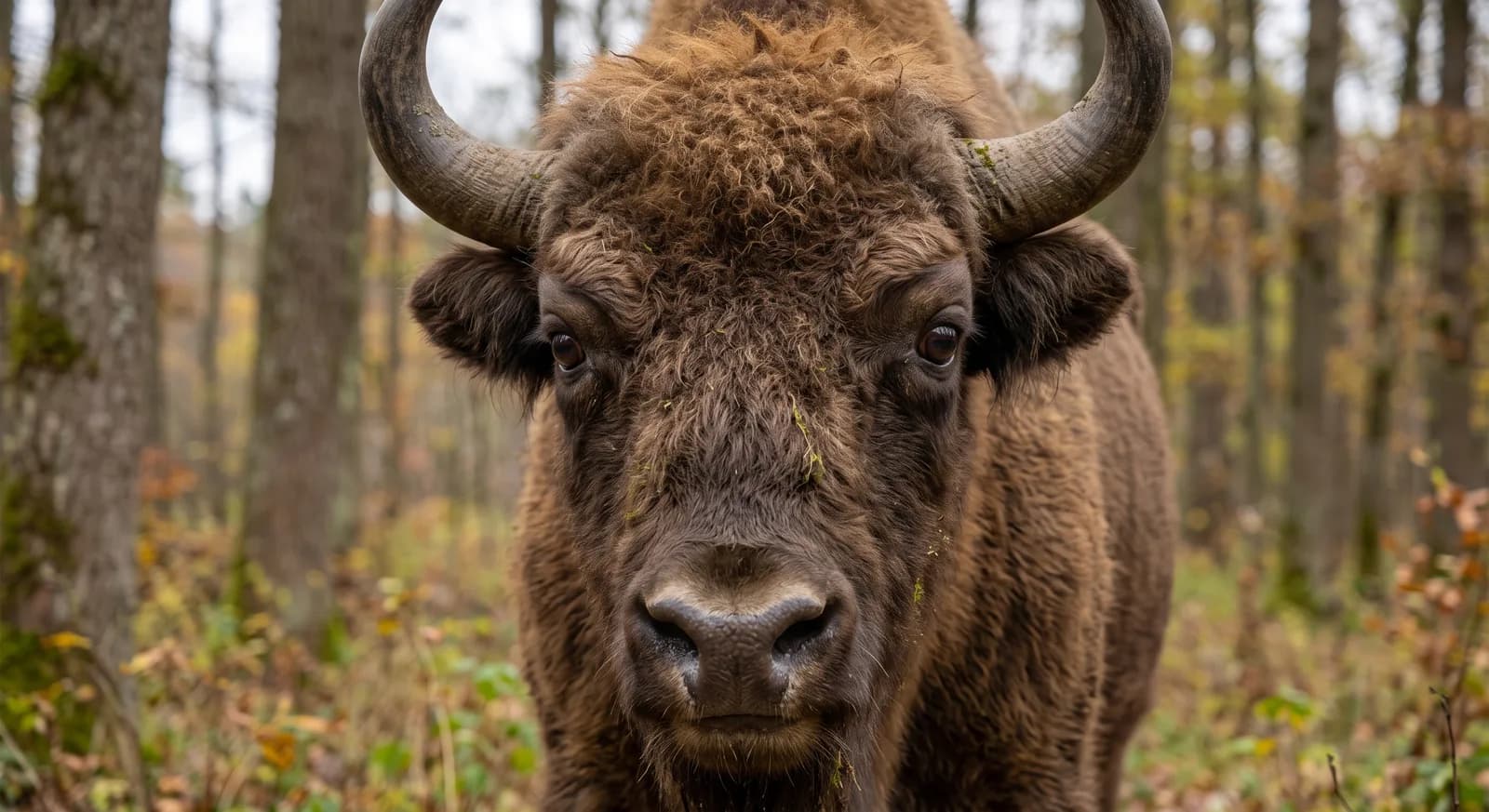
National animal: The white eagle is the emblem of the state; the European bison is the de facto national animal

Did you know?

The European bison became extinct in the wild in 1927, when the last wild animal in the Caucasus was shot. The entire species was reduced to a few dozen animals in zoos, and the recovery was built from only twelve founders. The first releases were made in Białowieża, and the several thousand bison living in Europe today descend from that handful of survivors, with Poland as the main global reservoir.

Biodiversity profile

Conservation

Białowieża has been the scene of a first-order European conflict over logging authorised in its protected zone, halted by the Court of Justice of the EU in 2018. Bieszczady is today one of the best refuges for large carnivores on the continent.

Where and when to watch wildlife

Białowieża in winter, when bison gather in the clearings and snow betrays wolf tracks. Biebrza between April and May for wetland birds. Bieszczady at dawn in autumn for the deer rut and bear sightings.

Parks and reserves

National Park (transboundary forest)

Białowieża

The last great primeval lowland forest in Europe; the first European natural site on the UNESCO list (1979)

See park
National Park

Bieszczady

The remotest corner of Poland, with the country's highest density of wolves, bears and lynx

See park
National Park (transboundary)

Tatra

The only properly alpine high-mountain massif in the northern Carpathians

See park
National Park

Babiogórski

The "queen of the Beskids": Poland's largest massif outside the Tatras, with textbook altitudinal zonation.

See park
National Park

Bory Tucholskie

Pine woods and lobelia lakes on Poland's largest sandur, the core of a biosphere reserve of 319,000 hectares.

See park
National Park

Kampinoski

Poland's second-largest national park, a forest of inland dunes and marshes on the doorstep of Warsaw.

See park
National Park

Karkonoski

The Polish side of the Giant Mountains, with glacial cirques and high-altitude tundra, a transboundary biosphere reserve with Czechia.

See park
National Park

Poleski

Peatlands and pools of western Polesia with tundra relicts, the Polish core of a transboundary biosphere reserve.

See park
National Park

Roztoczański

Beech and fir forests of Roztocze with semi-wild konik horses, the Polish core of a transboundary reserve with Ukraine.

See park
National Park

Słowiński

Shifting dunes up to 40 metres high on the Baltic coast, a biosphere reserve since 1977.

See park
National Park

Biebrzański

Poland's largest national park and the best-preserved fen in central Europe, a refuge for the aquatic warbler.

See park
National Park

Drawieński

The Drawa River cut deep between forests in north-western Poland, with rapids and lakes on the forest floor.

See park
National Park

Gorczański

Carpathian beech and fir forests of the Gorce range, with traditional grazing clearings and forest in regeneration.

See park
National Park (transboundary)

Karkonosze

The highest mountain range of old Bohemia, now shared between Poland and the Czech Republic

See park
National Park

Magurski

Carpathian forest of the Low Beskids, one of Poland's finest large carnivore strongholds.

See park
National Park

Stołowe Mountains

Stepped sandstone plateaux and rock labyrinths in the Sudetes, Poland's only table-mountain relief.

See park
National Park

Narwiański

The "Polish Amazon": an anastomosing river that opens into dozens of channels among reedbeds.

See park
National Park

Ojcowski

Poland's smallest national park: a Jurassic limestone canyon with rock spires, caves and castles.

See park
National Park

Pieniński

One of the first transboundary parks in the world, with the Dunajec gorge and the Three Crowns.

See park
National Park

Świętokrzyski

One of the oldest mountain ranges in Europe, with quartzite block rivers and fir forests on Bald Mountain.

See park
National Park

Ujście Warty

The mouth of the Warta on the Oder, one of the most important bird wetlands in central Europe.

See park
National Park

Wielkopolski

A post-glacial landscape of lakes and moraines beside Poznań, with erratic boulders and pine and oak woods.

See park
National Park

Wigierski

A string of glacial lakes in north-eastern Poland, with Lake Wigry and its Camaldolese monastery.

See park
National Park

Woliński

Cliffs above the Baltic on the island of Wolin, with a European bison enclosure and an inland delta.

See park

Diving and snorkelling

Cold-water wreck

Gdańsk (Baltic wrecks)

The Polish Baltic coast with wrecks from both World Wars, exceptionally well preserved by the low salinity and temperature.

See dive site

Similar countries

Where else might I want to travel?

Belarus

Same region: Eastern Europe

Romania

Same region: Eastern Europe

Russia

Same region: Eastern Europe

Ukraine

Same region: Eastern Europe

Species documented in Poland

Filter
Class
Family
Habitat
Diet
Conservation

514 species found

Related guides

  • Threatened mammals of Poland8 species
  • Birds in Poland5 species

Keep exploring

Based on what we already know about Poland.
ParkBiałowieżaDivingGdańsk (Baltic wrecks)

Explore on the map

Interactive map

This page in other languages: Español · Deutsch · Français · Português · Italiano
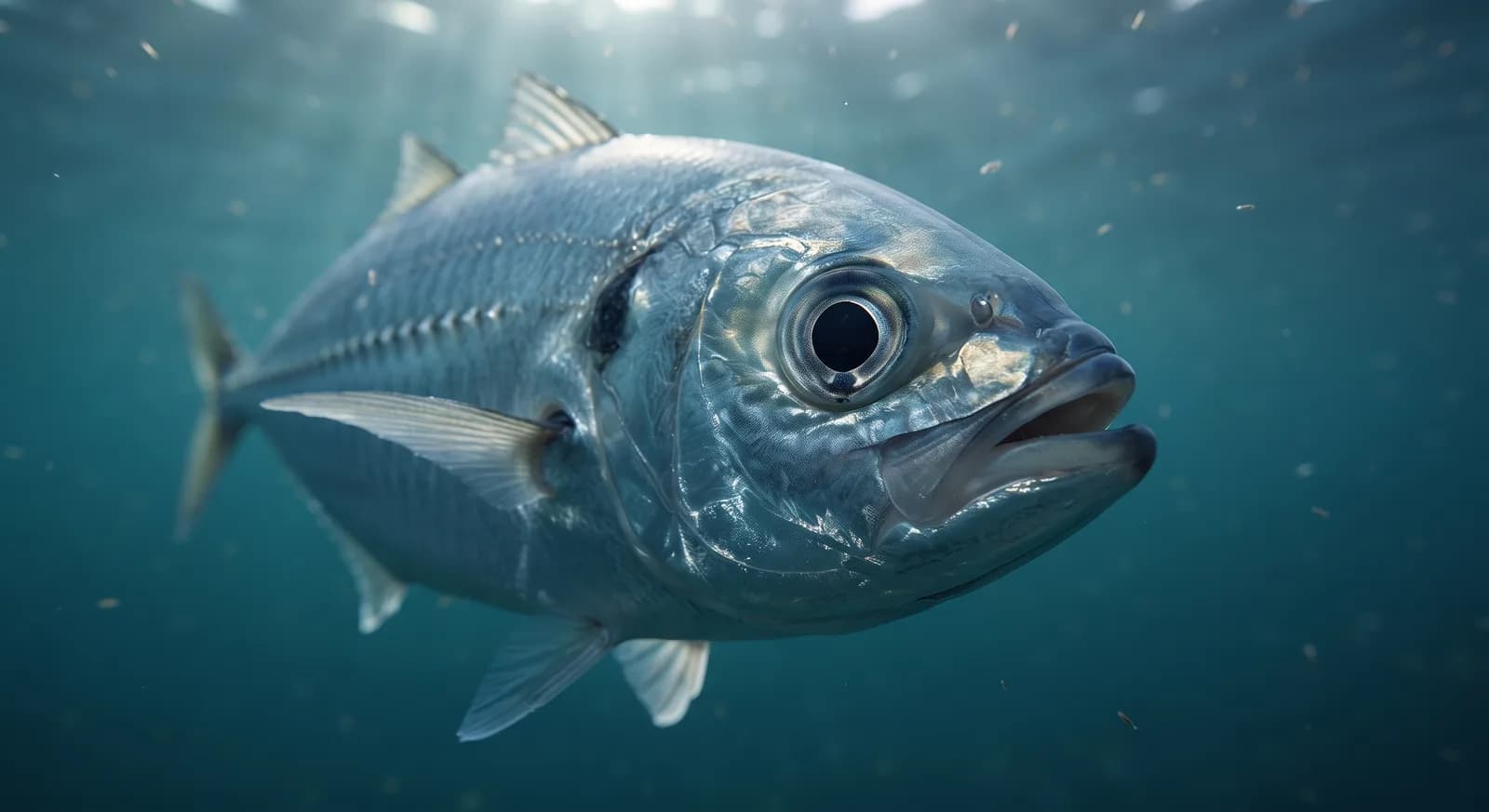
Horse MackerelVulnerable

Horse Mackerel

Trachurus trachurus

SpurdogVulnerable

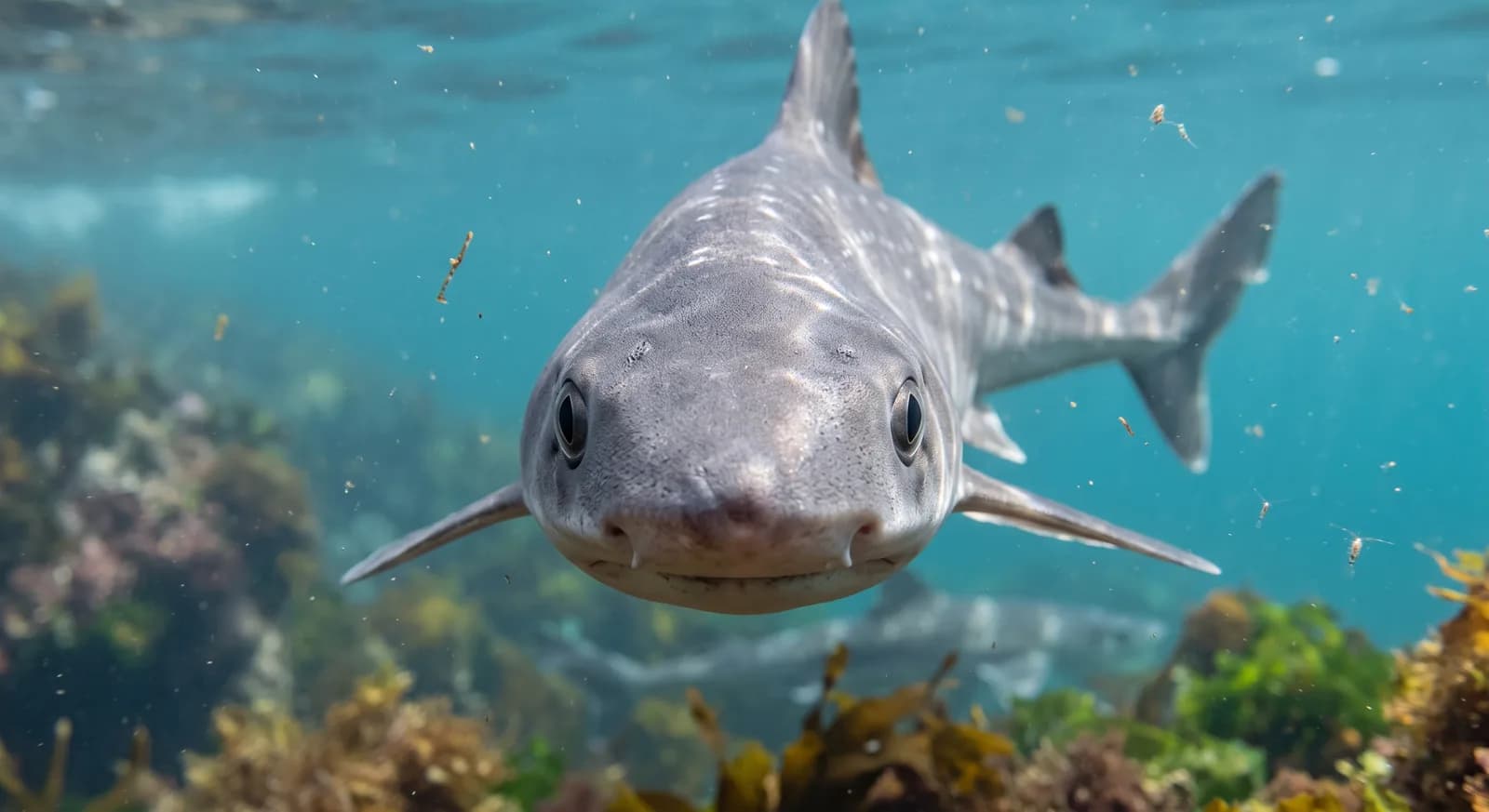
Spurdog

Squalus acanthias

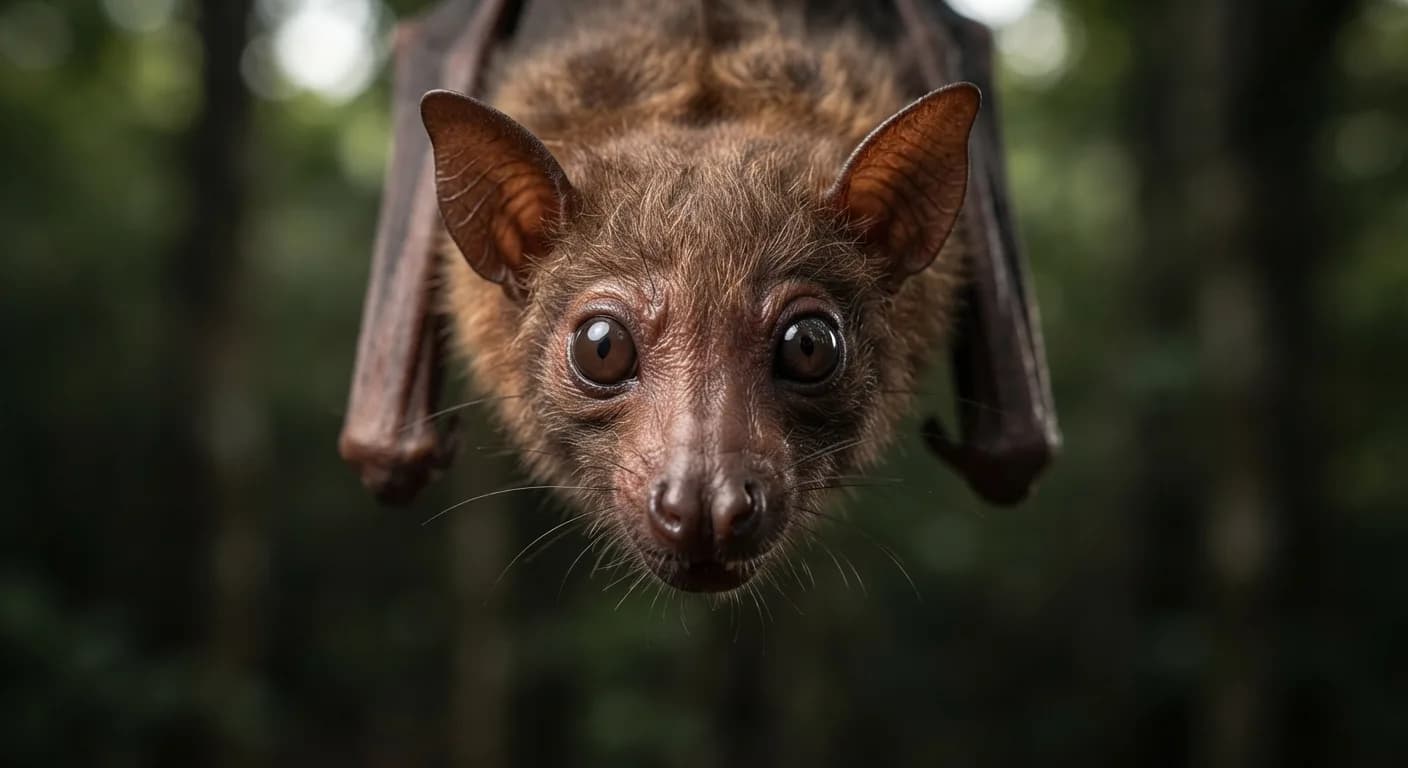
Giant NoctuleVulnerable

Giant Noctule

Nyctalus lasiopterus

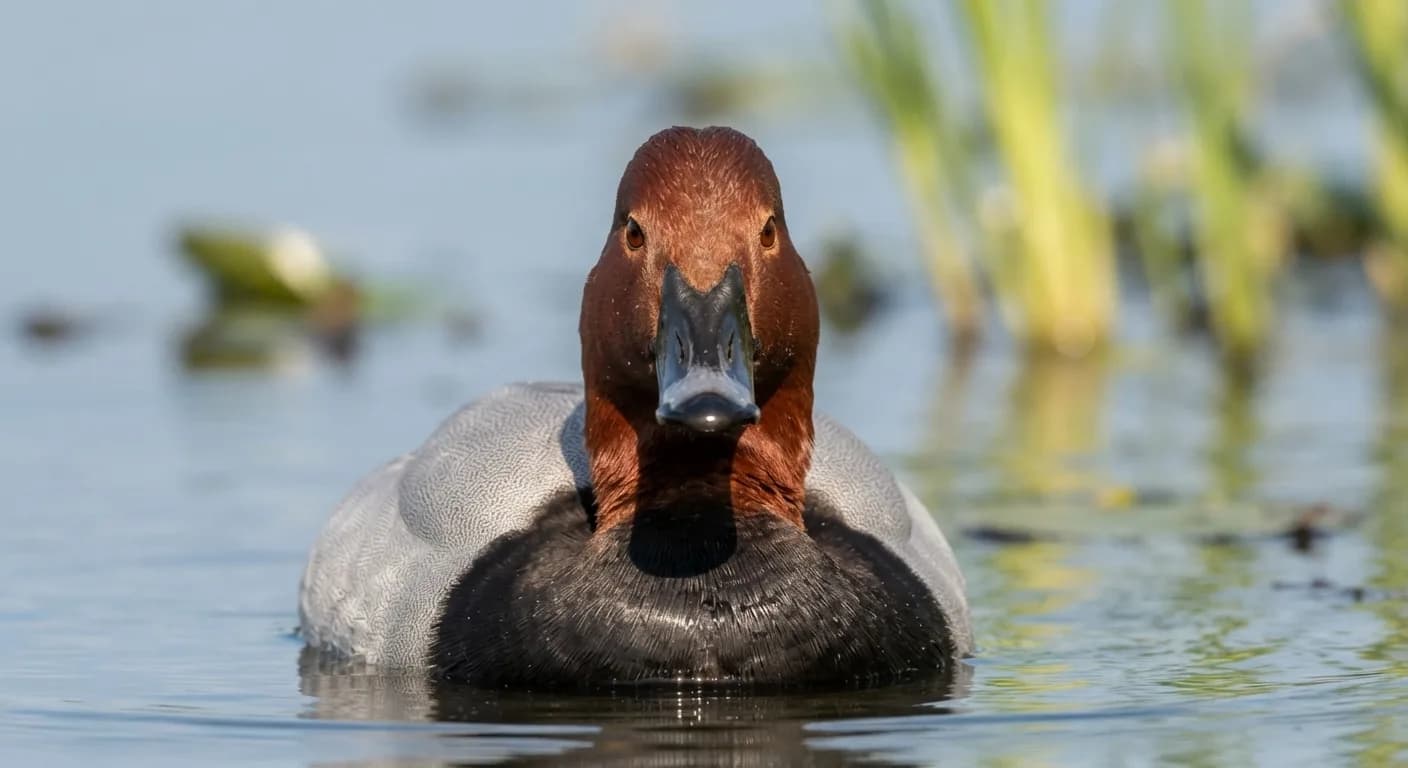
Common PochardVulnerable

Common Pochard

Aythya ferina

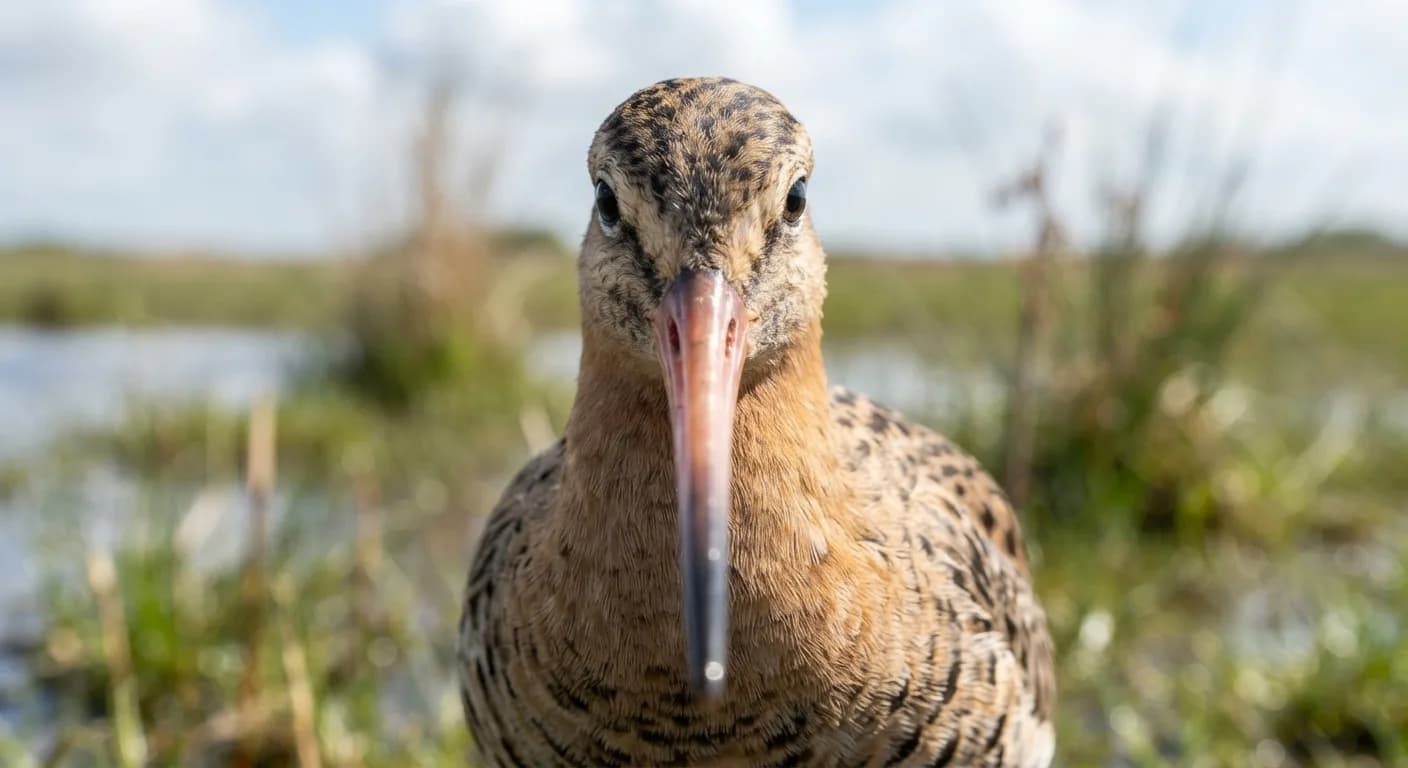
Black-tailed GodwitNear Threatened

Black-tailed Godwit

Limosa limosa

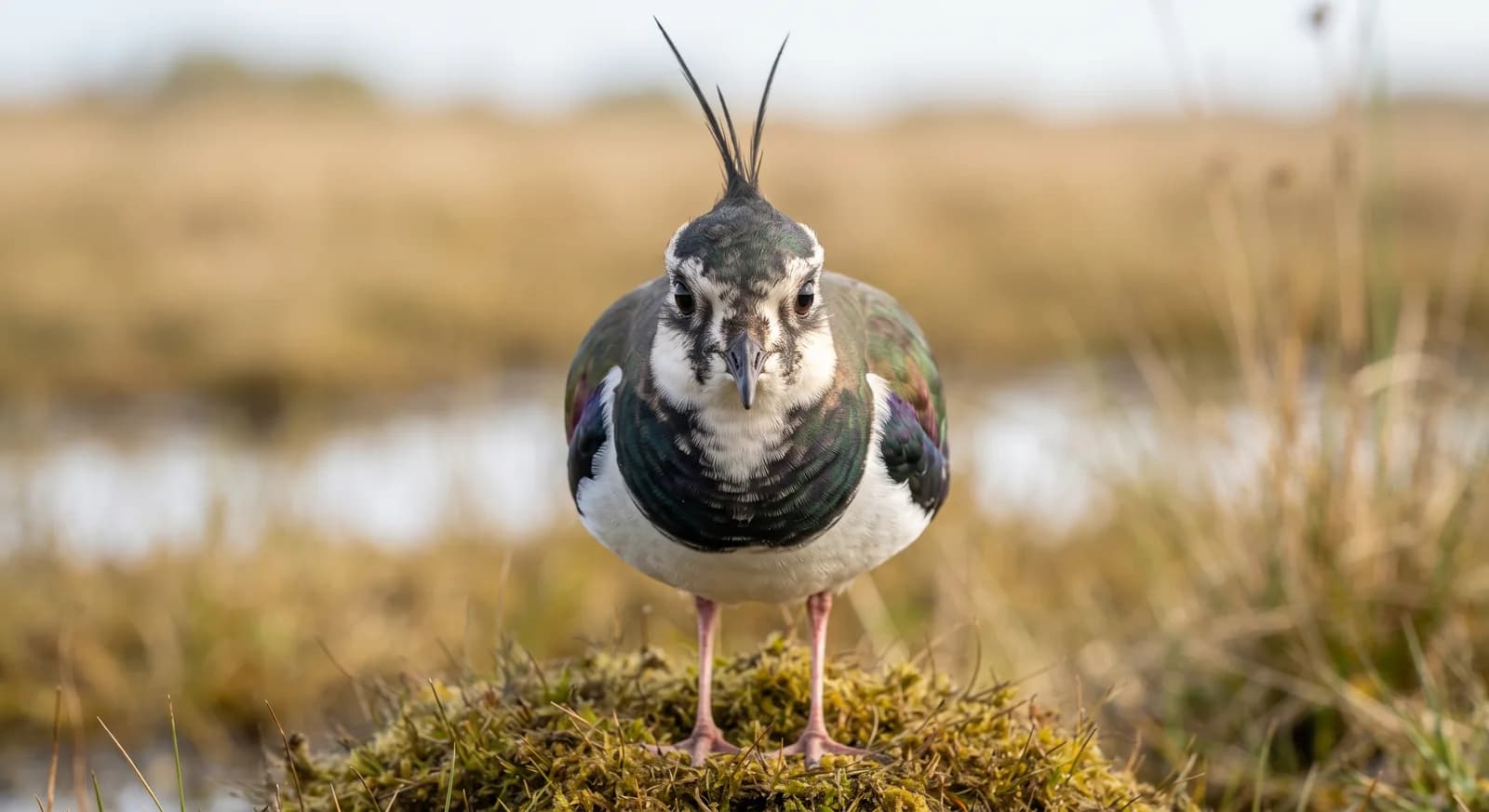
Northern LapwingNear Threatened

Northern Lapwing

Vanellus vanellus

European BisonNear Threatened

European Bison

Bison bonasus

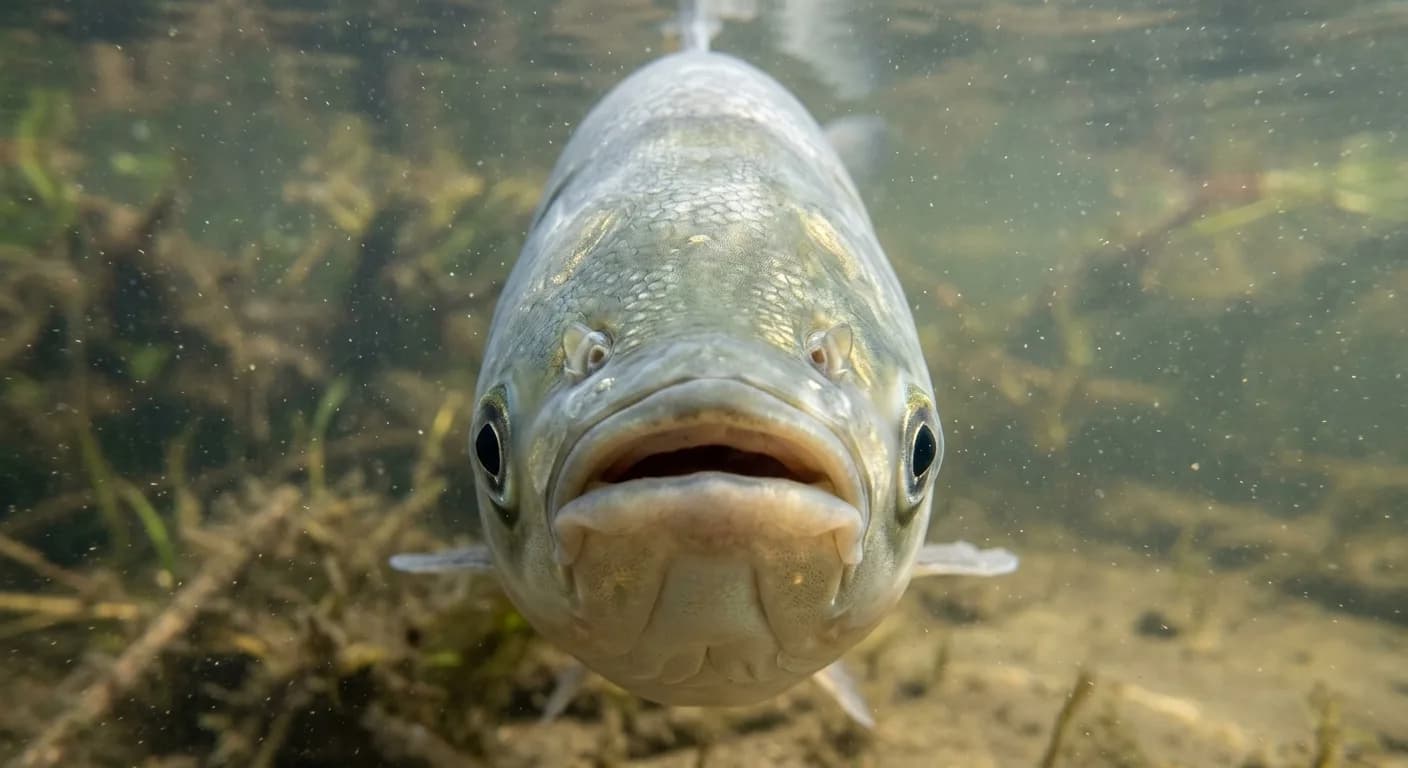
Silver CarpNear Threatened

Silver Carp

Hypophthalmichthys molitrix

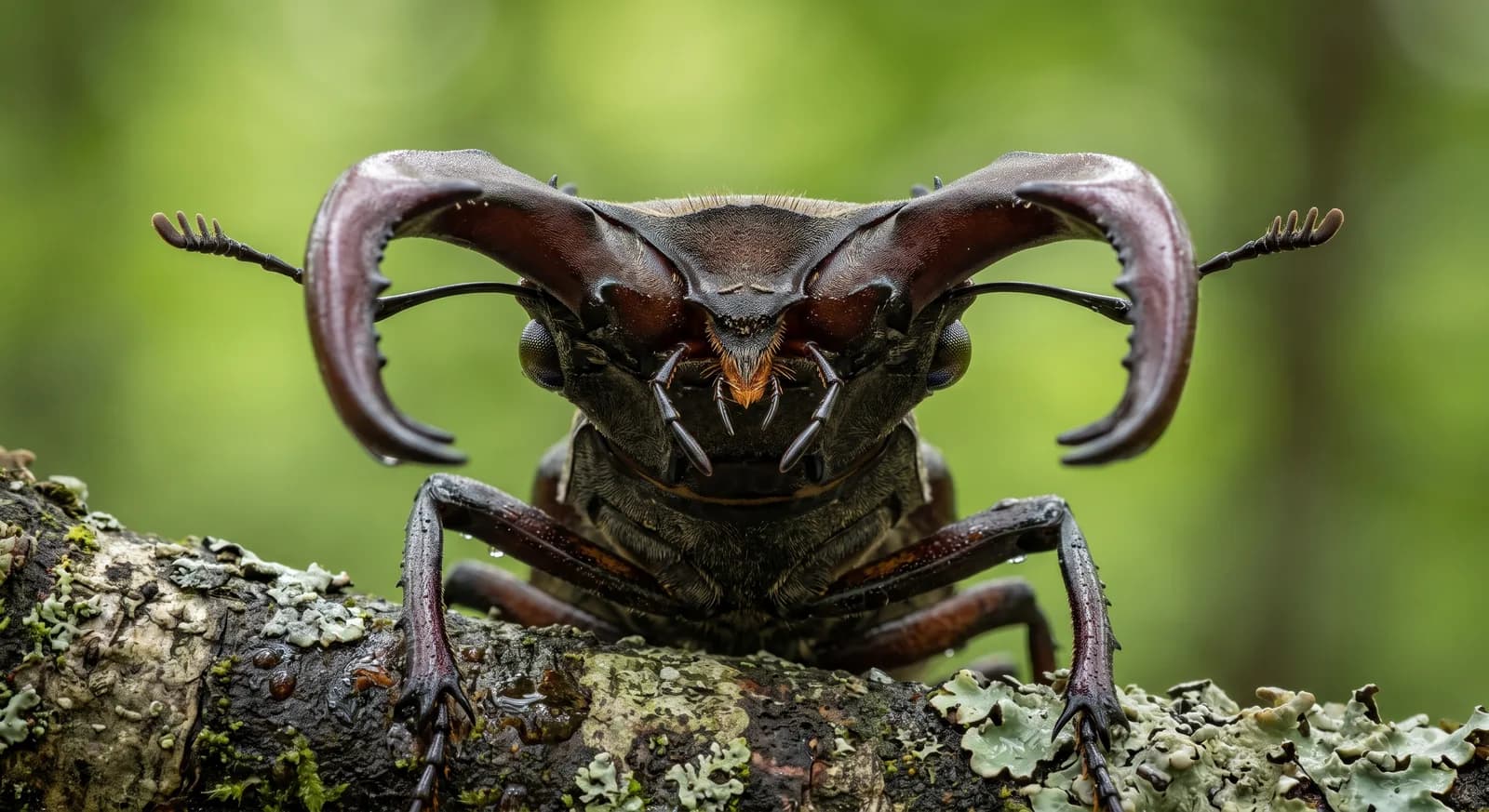
Stag BeetleNear Threatened

Stag Beetle

Lucanus cervus

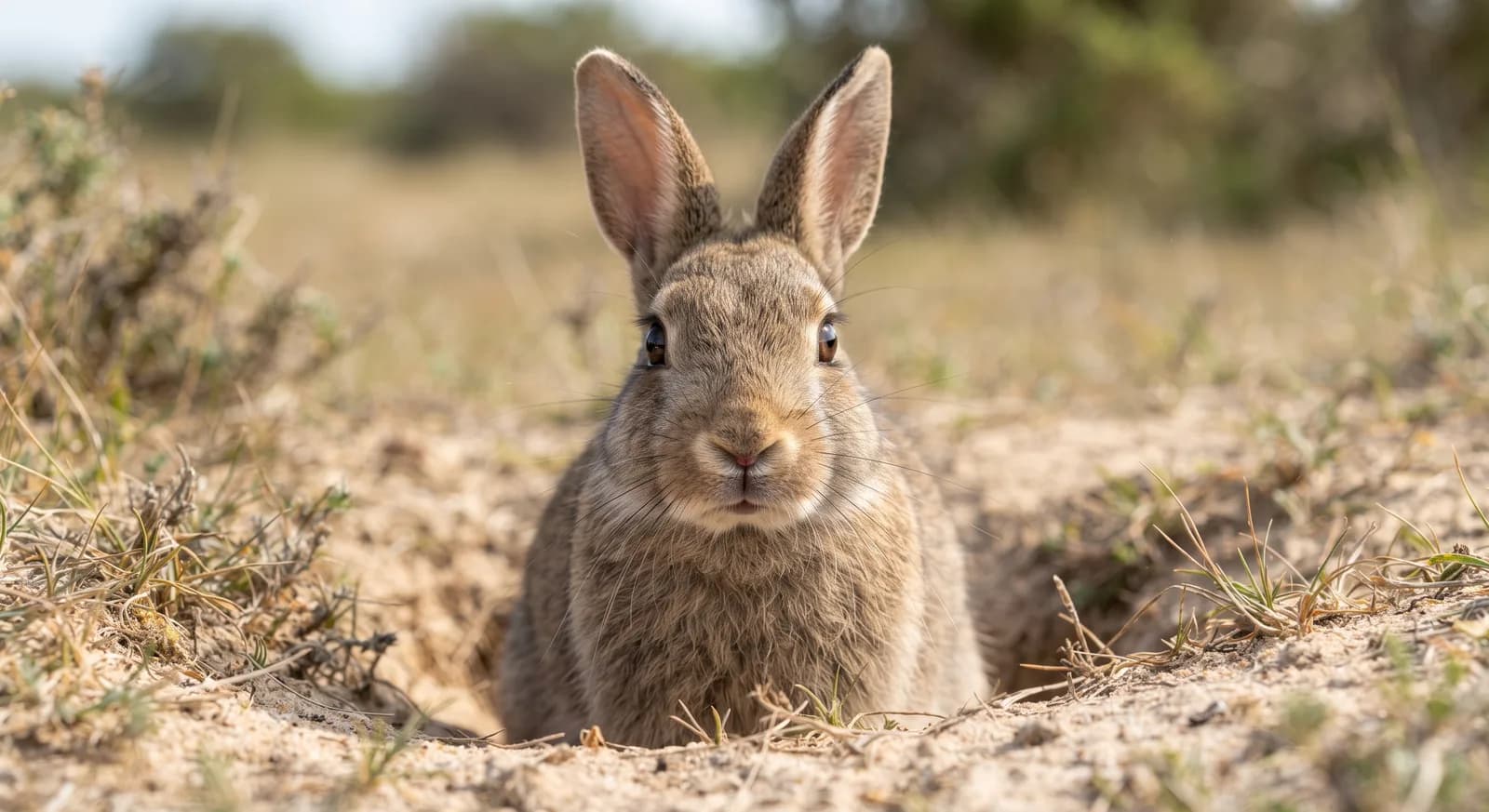
European RabbitNear Threatened

European Rabbit

Oryctolagus cuniculus

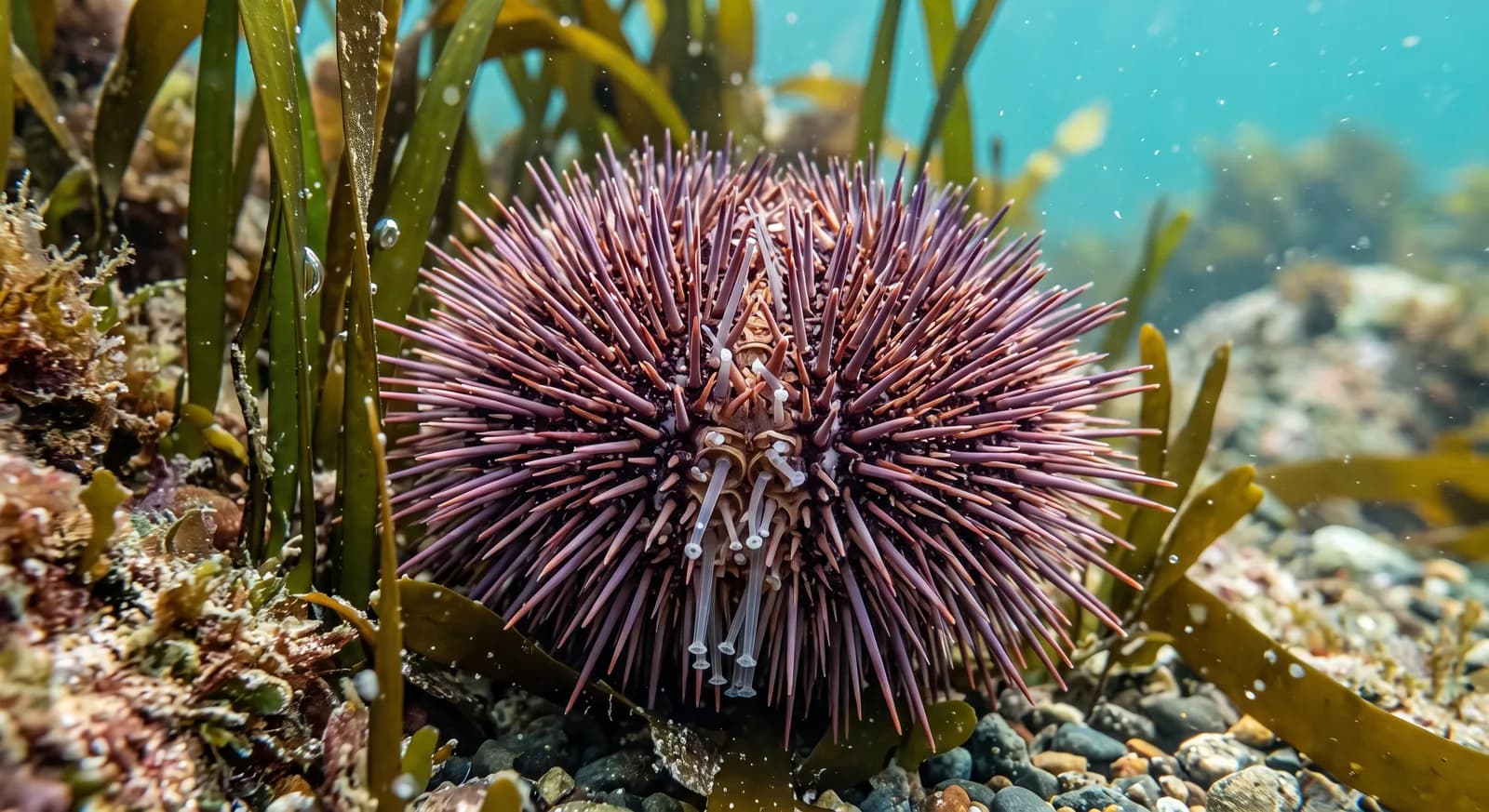
Edible Sea UrchinNear Threatened

Edible Sea Urchin

Echinus esculentus

West European HedgehogNear Threatened

West European Hedgehog

Erinaceus europaeus

Page 2 of 43
Mountain
Freshwater