UNESCO
National Park
Aggtelek
Hungary
 Hungary
Cave-dwelling Bats · Troglobitic Fauna
See parkThe puszta of Little Cumania, a park made up of seven separate units between the Danube and the Tisza.
Area
570 km²
Designated in
1975
Region
Central Europe
Sandy puszta with shifting dunes and alkaline lakes
Kiskunság National Park was created on 1 January 1975 in the interfluve of the Danube and the Tisza, mainly in Bács-Kiskun county, and was Hungary's second national park. Its structural peculiarity is that it is not a single territory but is made up of seven separate units scattered across the region of Little Cumania, on the Great Hungarian Plain.
Each unit protects a different type of puszta landscape: still-mobile sand dunes, alkaline grassland, shallow saline lakes, marshes and mires, and poplar and juniper woodland on the sand. That dispersal answers precisely to the wish to represent the whole variety of a flat landscape that at first sight appears uniform.
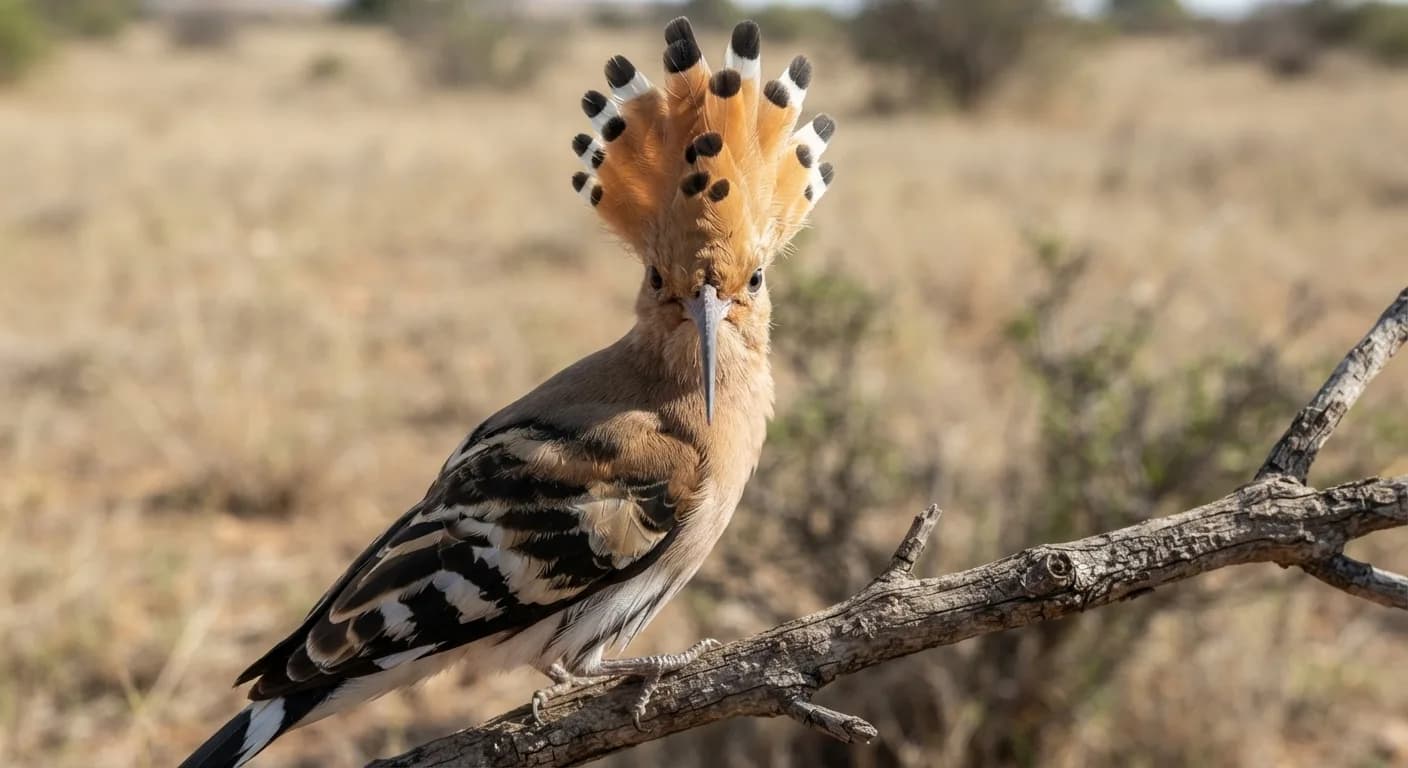
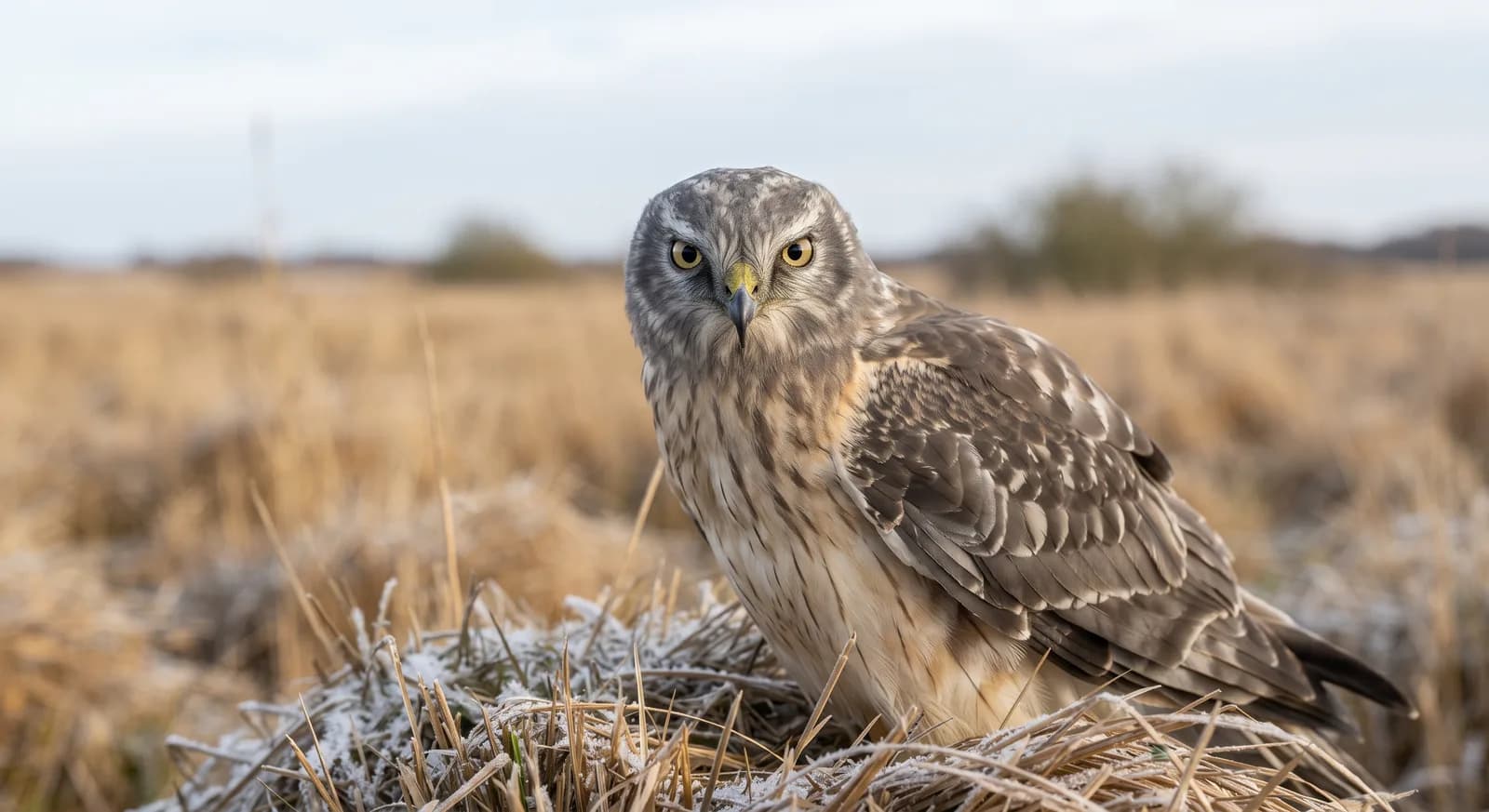
It is an ornithological destination of the first order, with great bustard, harriers, waders and large concentrations of waterbirds on the alkaline lakes, as well as a notable richness of orchids and of European pond turtle. The puszta is also a cultural landscape: traditional Hungarian herding, with Hungarian Grey cattle, the twisted-horned Racka sheep and horses, is maintained within the park both as a management tool and as living heritage. Kiskunság was recognised as a biosphere reserve by UNESCO in 1979.
Ecosystems found in Hungary, where Kiskunság lies.
Which other parks are like this one?
Same country: Hungary
Same country: Hungary
Same country: Hungary
Same country: Hungary
Based on what we already know about this park.
Share your experience visiting Kiskunság, or a tip for other travellers.
Be the first to comment.
Climate
Arid / desert, Temperate
Threatened:,,,