UNESCO
National Park
Aggtelek
Hungary
 Hungary
Cave-dwelling Bats · Troglobitic Fauna
See parkThe Balaton uplands, with isolated volcanic cones, geyserite and the Little Balaton wetland.
Area
570 km²
Designated in
1997
Region
Central Europe
Volcanic witness hills and the Kis-Balaton wetland
Balaton Uplands National Park was created in 1997 on the northern shore of Lake Balaton, the largest lake in central Europe, and protects some 570 km² spread across several units.
Its most characteristic features are the tanúhegyek, or witness hills: cones and mesas of volcanic origin that rise in isolation above the plain and are the remains of volcanism active between two and eight million years ago, later sculpted by erosion. Some preserve columnar basalt formations and fossil geysers, and vines have been grown on their sunny slopes since Roman times. The Tihany peninsula, with its explosion craters and geyserite cones, is the most distinctive geological complex and was Hungary's first protected area, declared in 1952.
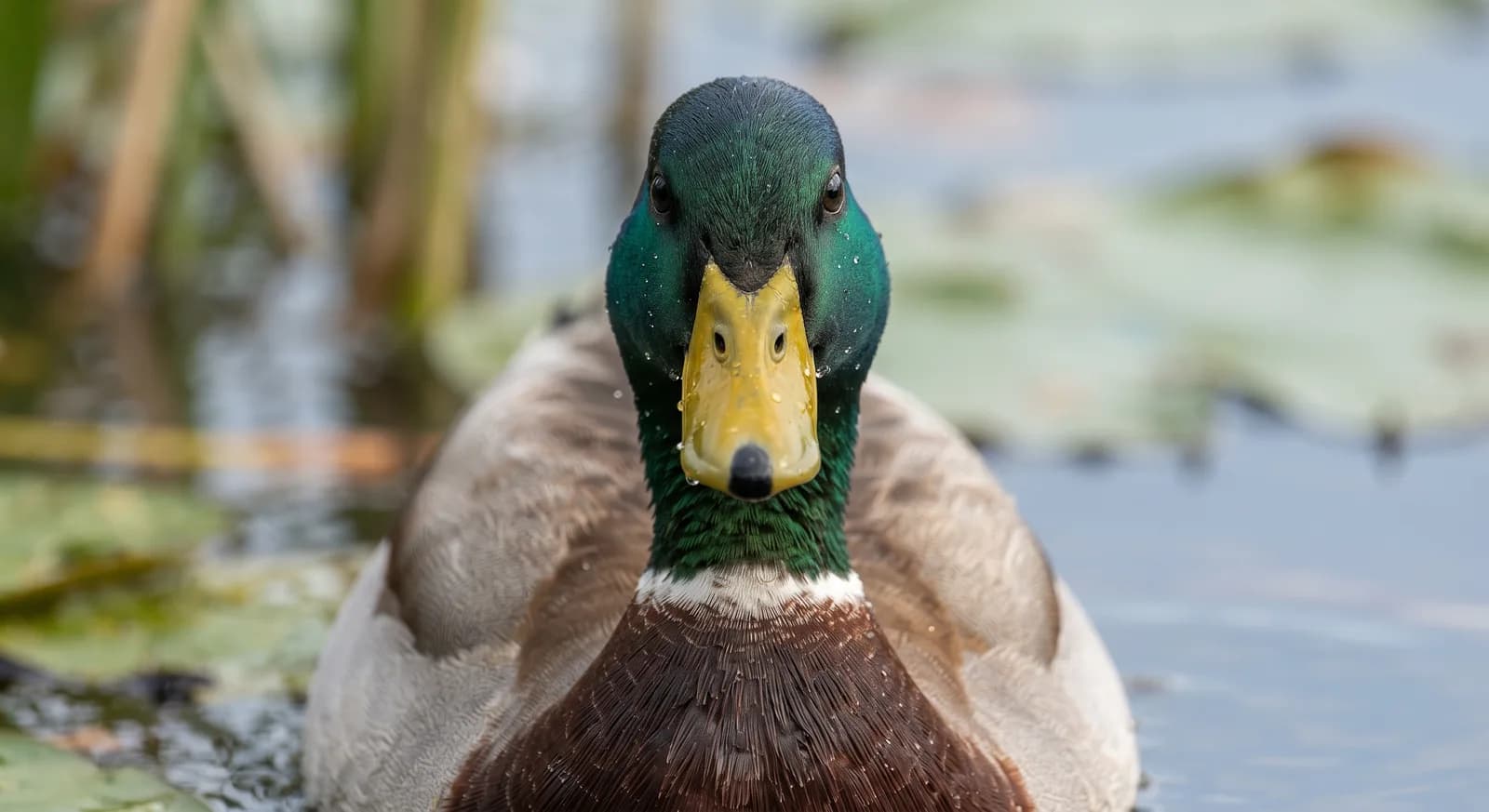
The park also includes the Kis-Balaton, or Little Balaton, an extensive wetland at the mouth of the Zala River that was drained in the nineteenth century and has been gradually restored since the 1980s so that it can once again filter nutrients before they reach the lake. Today it is one of the most important wetlands in Hungary for waterbirds, with large concentrations of geese, herons and spoonbills.
1 dive site within 300 km is also shown.
Ecosystems found in Hungary, where Balaton-felvidék lies.
Where can I dive near here?
293 km away
Which other parks are like this one?
Same country: Hungary
Same country: Hungary
Same country: Hungary
Same country: Hungary
Based on what we already know about this park.
Climate
Arid / desert, Temperate
Threatened:,