UNESCO
National Park
Aggtelek
Hungary
 Hungary
Cave-dwelling bats · troglobitic fauna
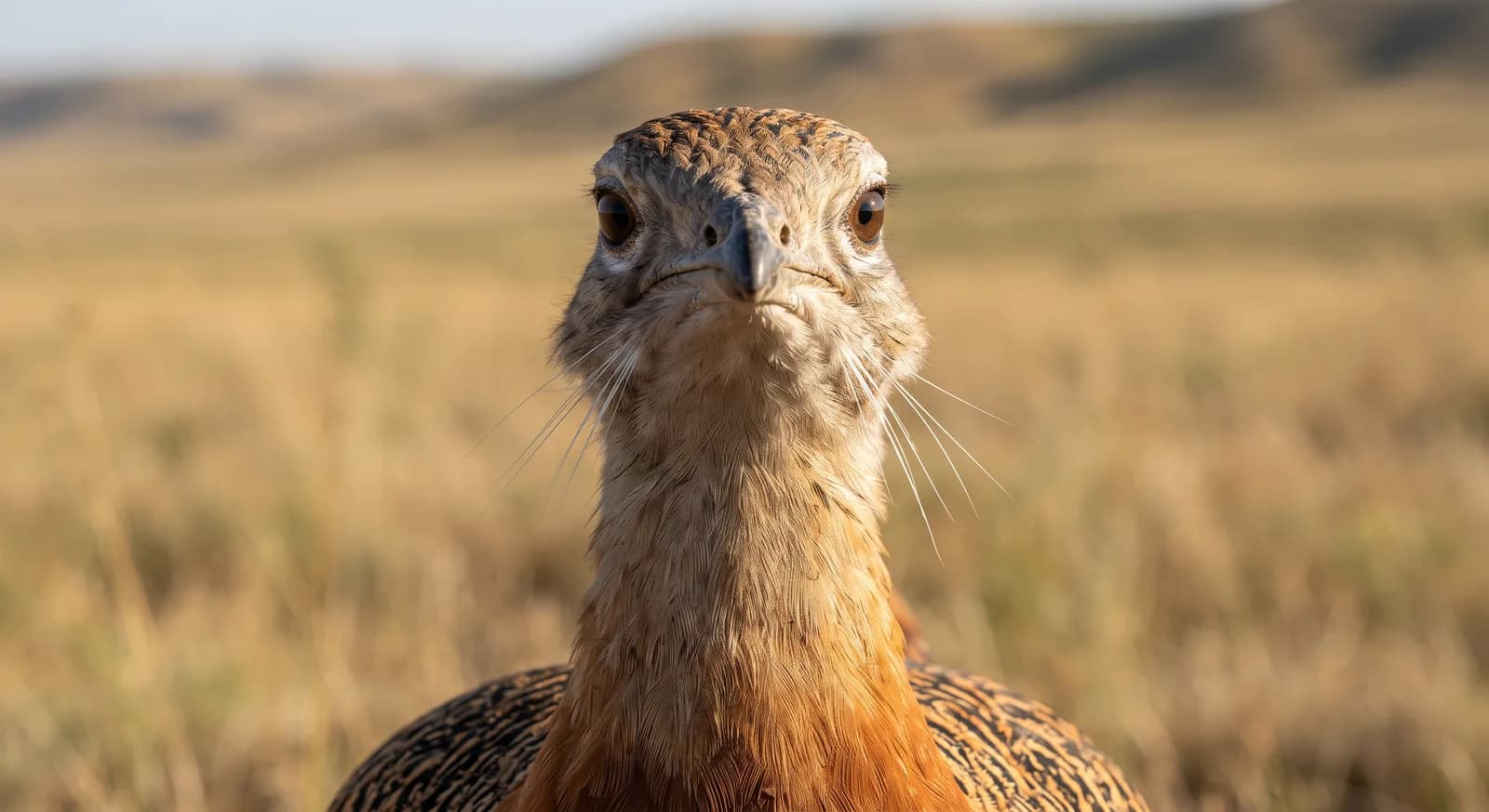
See parkAlkaline grasslands and steppe remnants of the Great Plain, one of the last refuges of the great bustard in Hungary.
Area
510 km²
Designated in
1997
Region
Central Europe
Alkaline and loess grasslands of the Great Hungarian Plain
Körös-Maros National Park was created in 1997 in south-eastern Hungary, between the Körös and Maros rivers, and protects some 510 km² spread across more than a dozen units separated by the agricultural landscape of the Great Plain.
That fragmentation reflects what is left: the plain of south-eastern Hungary is one of the most intensively farmed regions in central Europe, and the park protects the last fragments of alkaline grassland, loess steppe, marsh and riverine woodland that survived the drainage and ploughing of the nineteenth and twentieth centuries.
Its emblematic species is the great bustard, one of the heaviest flying birds in the world, which finds in these grasslands one of its last Hungarian strongholds; the park runs specific nest protection programmes and agreements with farmers to adapt operations to the breeding calendar. It is joined by the little bustard, Montagu's harrier and large concentrations of geese on passage. Conservation depends here, more than in any other Hungarian park, on active management: mowing, extensive grazing and control of the water regime.
Ecosystems found in Hungary, where Körös-Maros lies.
Which other parks are like this one?
Same country: Hungary
Same country: Hungary
Same country: Hungary
Same country: Hungary
Based on what we already know about this park.
Climate
Arid / desert, Temperate
Threatened:,,