The largest unbroken system of intertidal sand and mud flats in the world
Area
11,500 km²
Designated in
1985
Region
Central and Northern Europe
Protected since 1985 on the German side and extended with the Dutch and Danish sections, the Wadden Sea forms the largest unbroken system of intertidal sand and mud flats on the planet, inscribed as a UNESCO World Heritage Site in 2009 as a transboundary natural property across three countries. It is a critical staging post for more than 10 million migratory birds that cross it each year between the Arctic and West Africa, and its tides expose and cover as much as a third of its total area every day.
Ecosystems found in Germany, where Wadden Sea lies.
What is worth looking out for this month in Germany?
Now is a good time: Migratory shorebird passage in the Wadden Sea (March to May and August to October (wintering October to April))
Which other parks are like this one?
Same country: Germany
Based on what we already know about this park.
Share your experience visiting Wadden Sea, or a tip for other travellers.
Be the first to comment.
Climate
Temperate, Mountain
Best season
May to September
Threatened:European Eel,Cod,Sturgeon,Horse Mackerel,Spurdog,Bluefish,Tope,Shortfin Mako,Porbeagle,Allis Shad
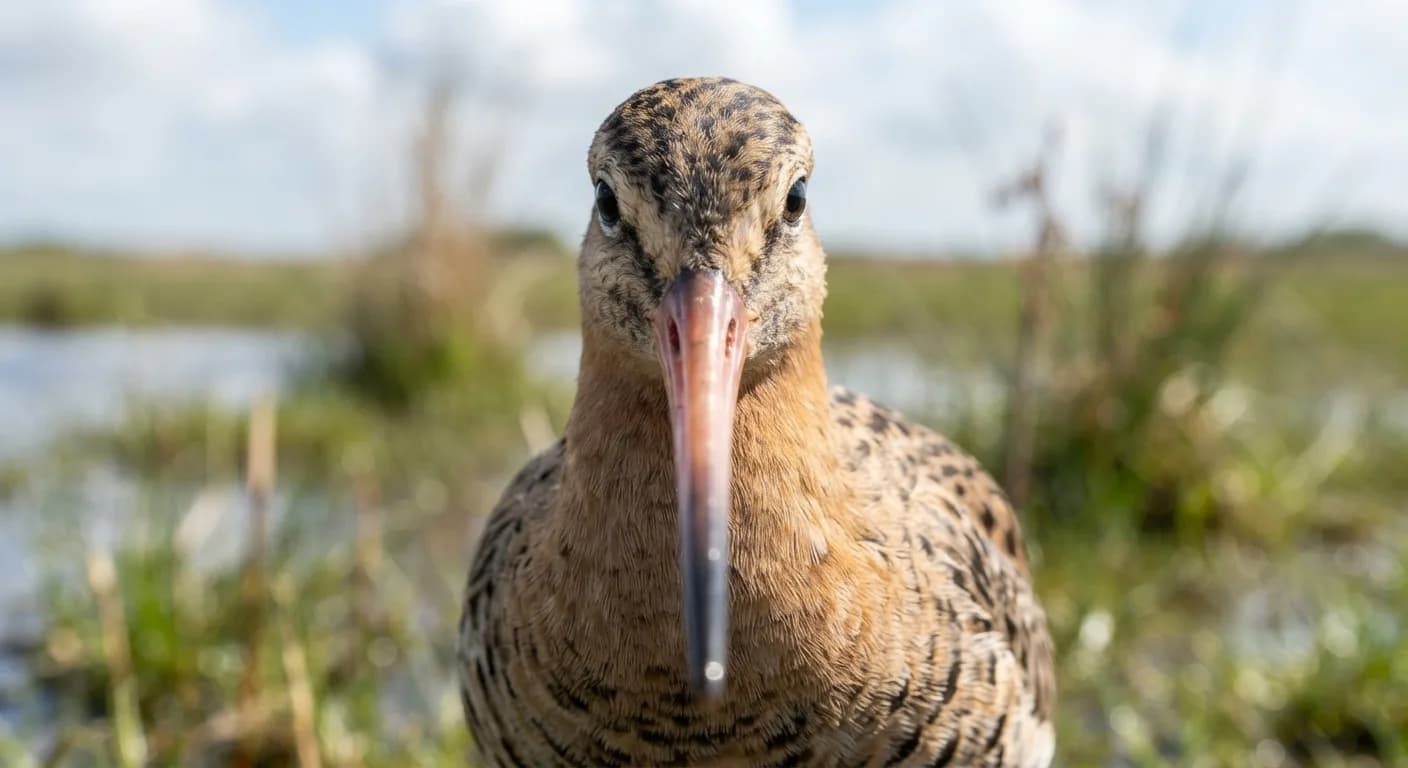
Near ThreatenedBlack-tailed Godwit
Limosa limosa
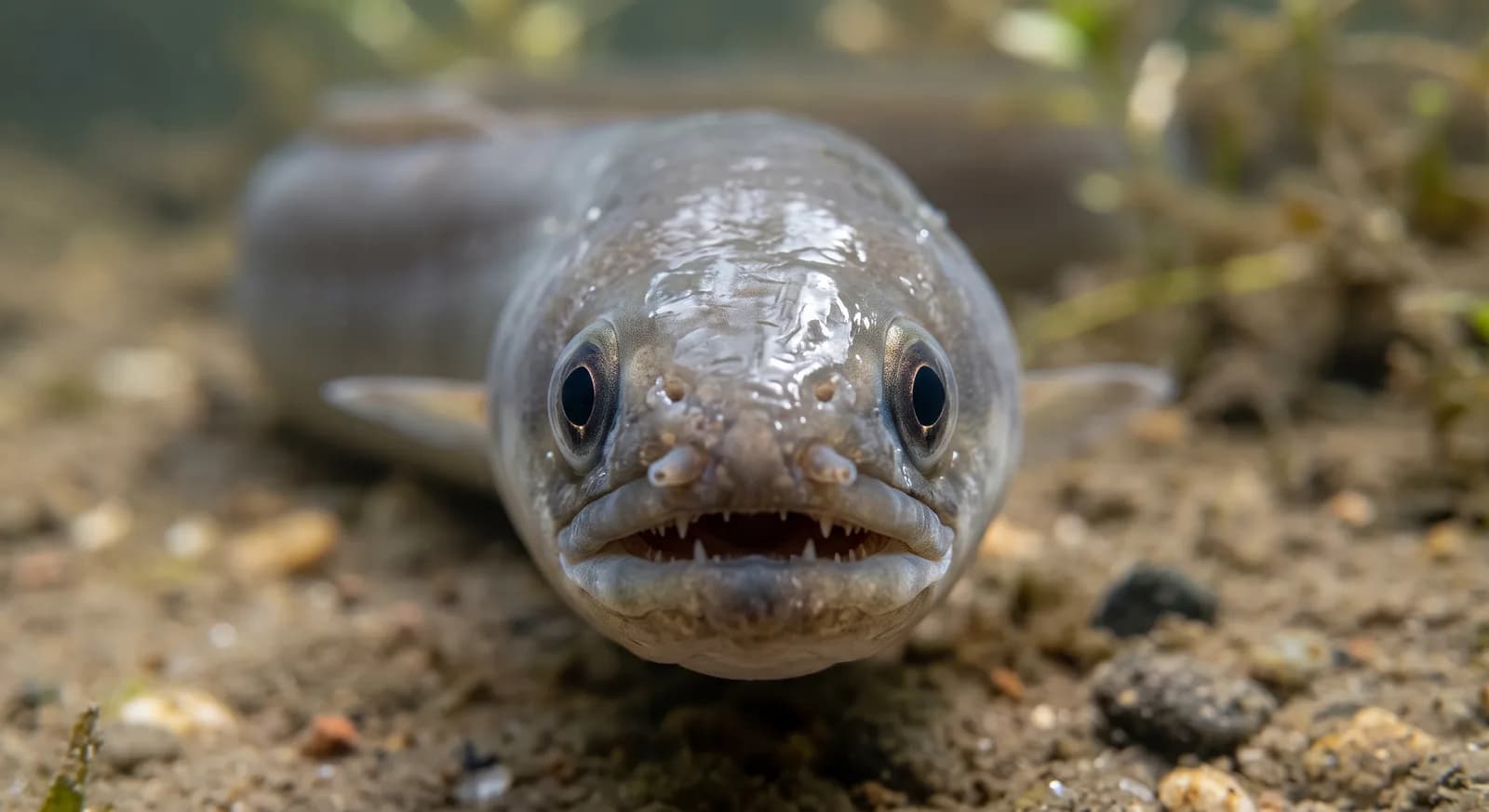
Critically EndangeredEuropean Eel
Anguilla anguilla
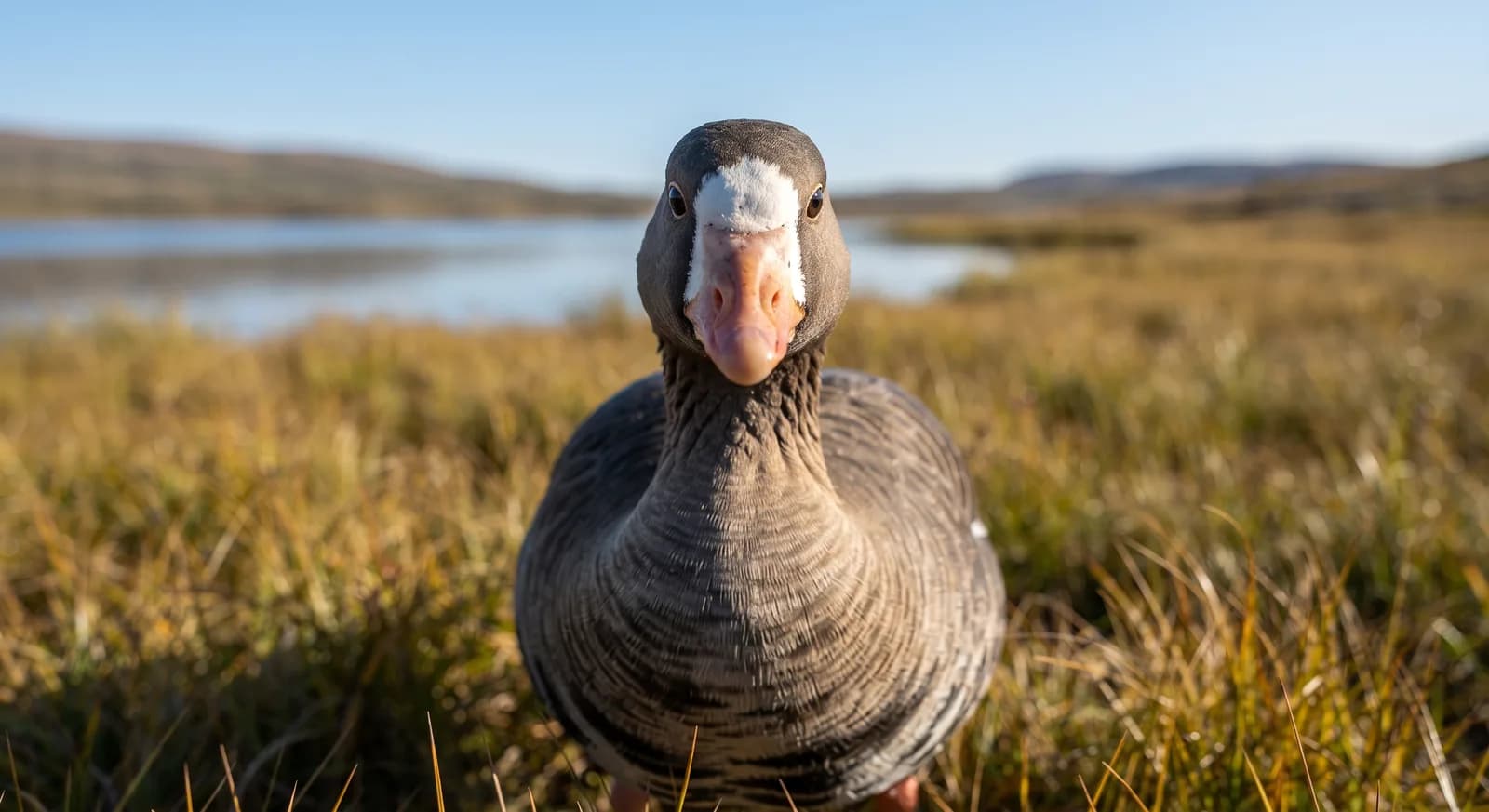
Least ConcernGreater White-fronted Goose
Anser albifrons
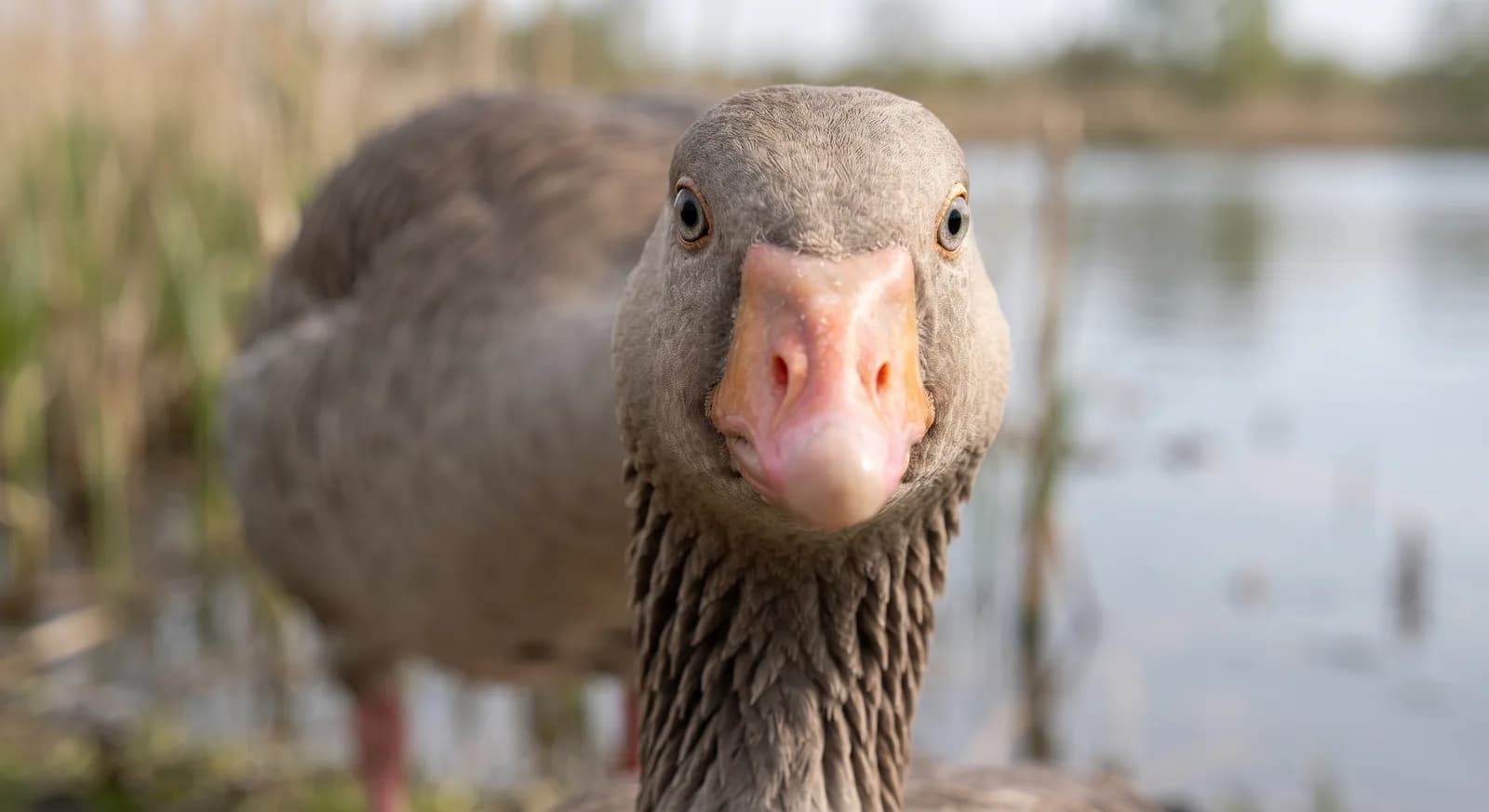
Least ConcernGreylag Goose
Anser anser
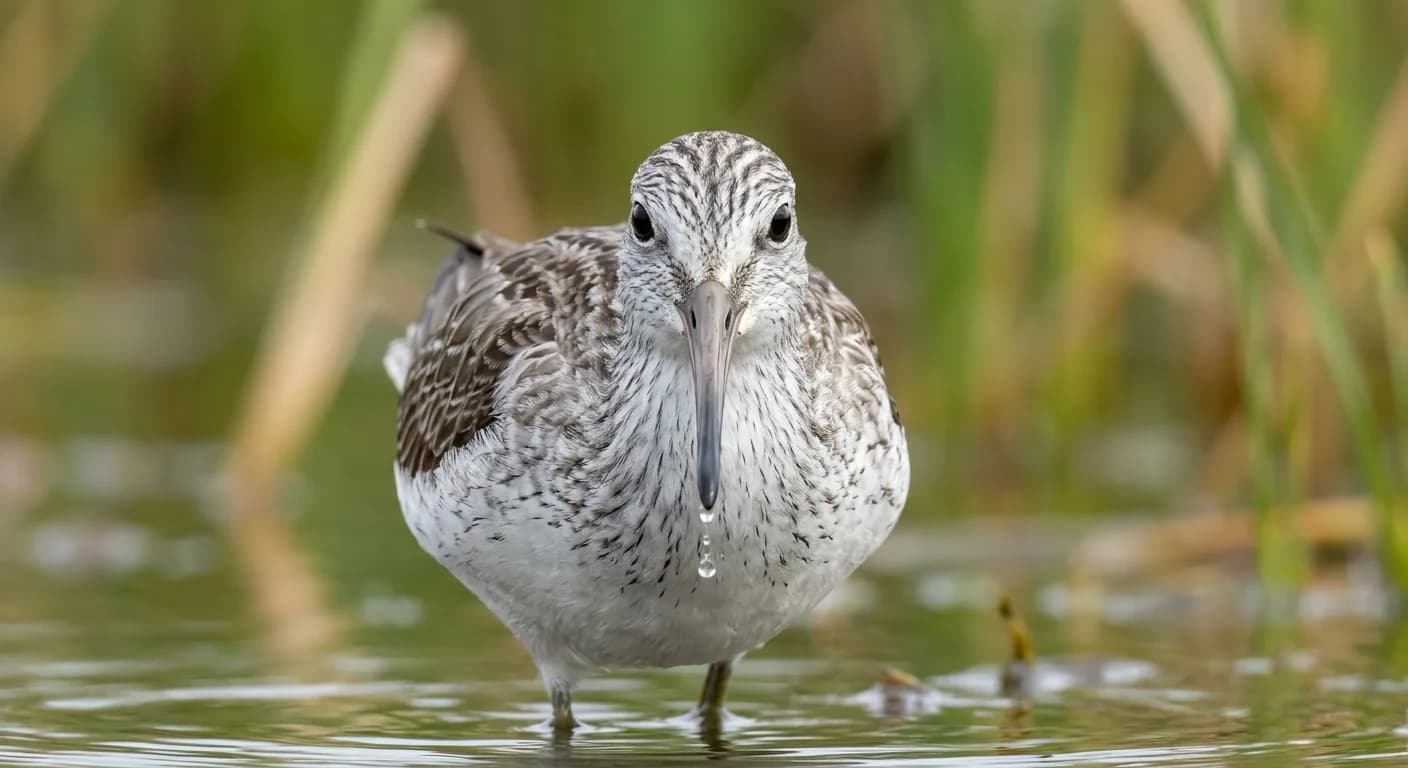
Least ConcernCommon Greenshank
Tringa nebularia
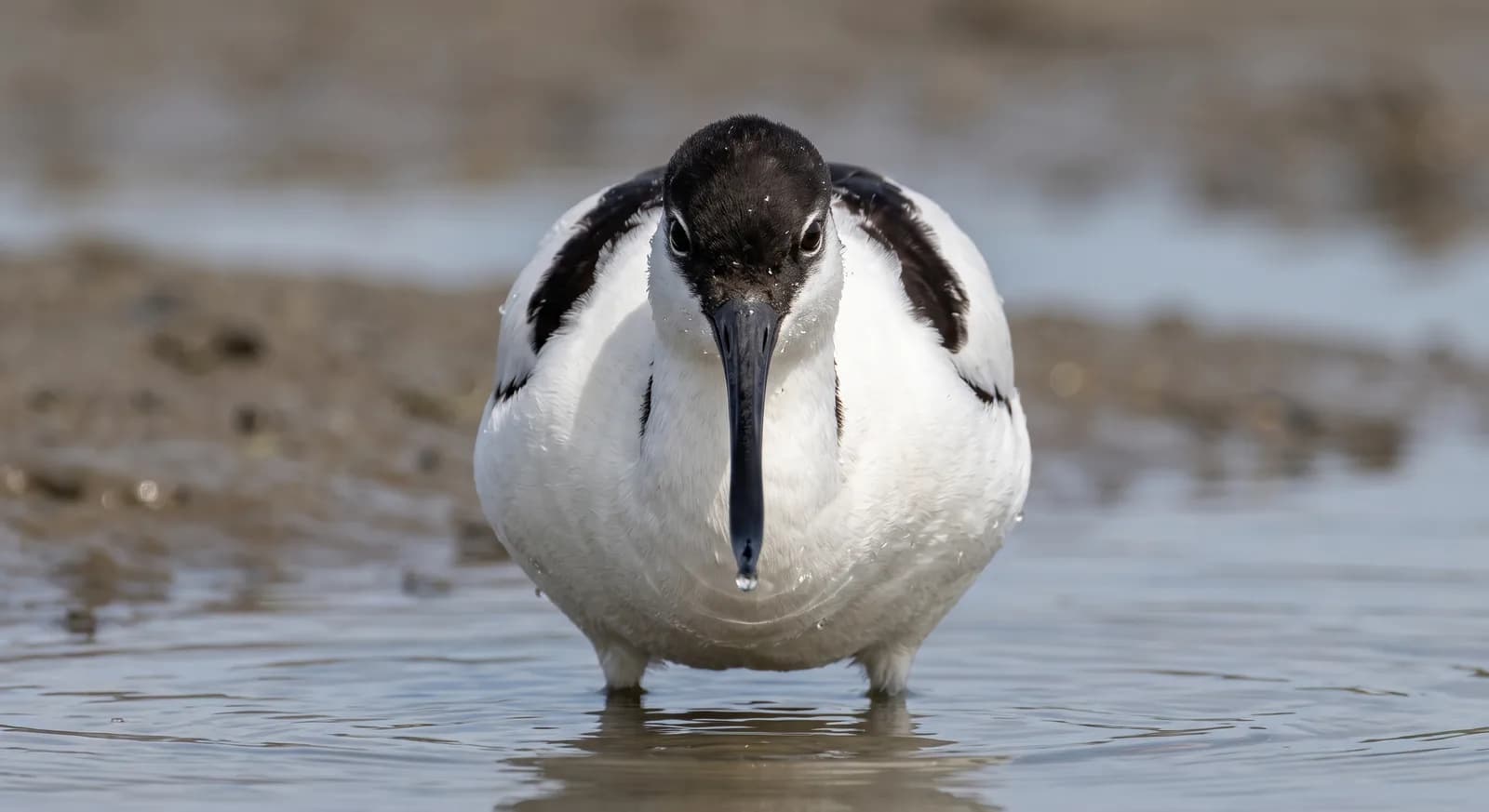
Least ConcernPied Avocet
Recurvirostra avosetta
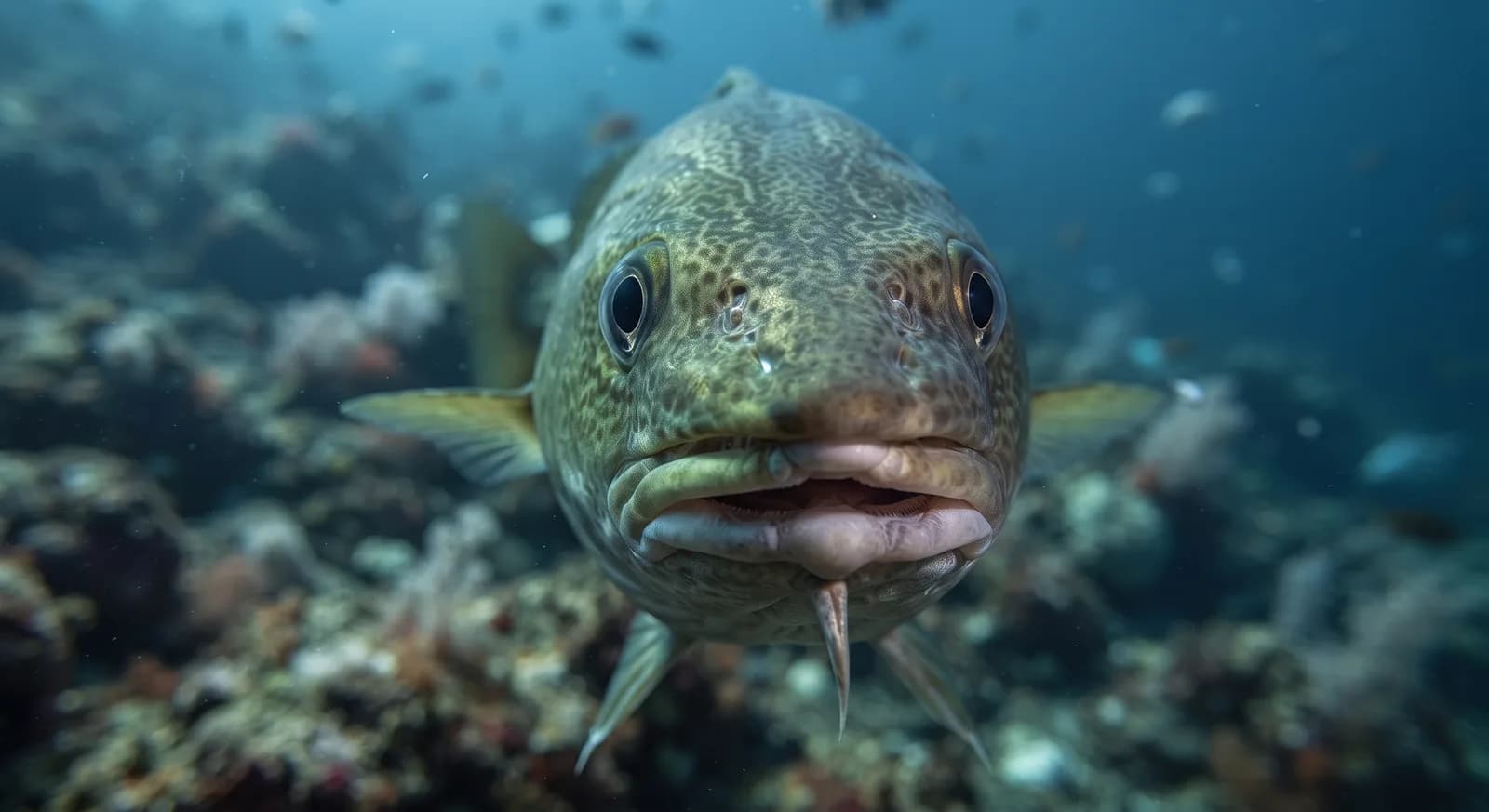
VulnerableCod
Gadus morhua
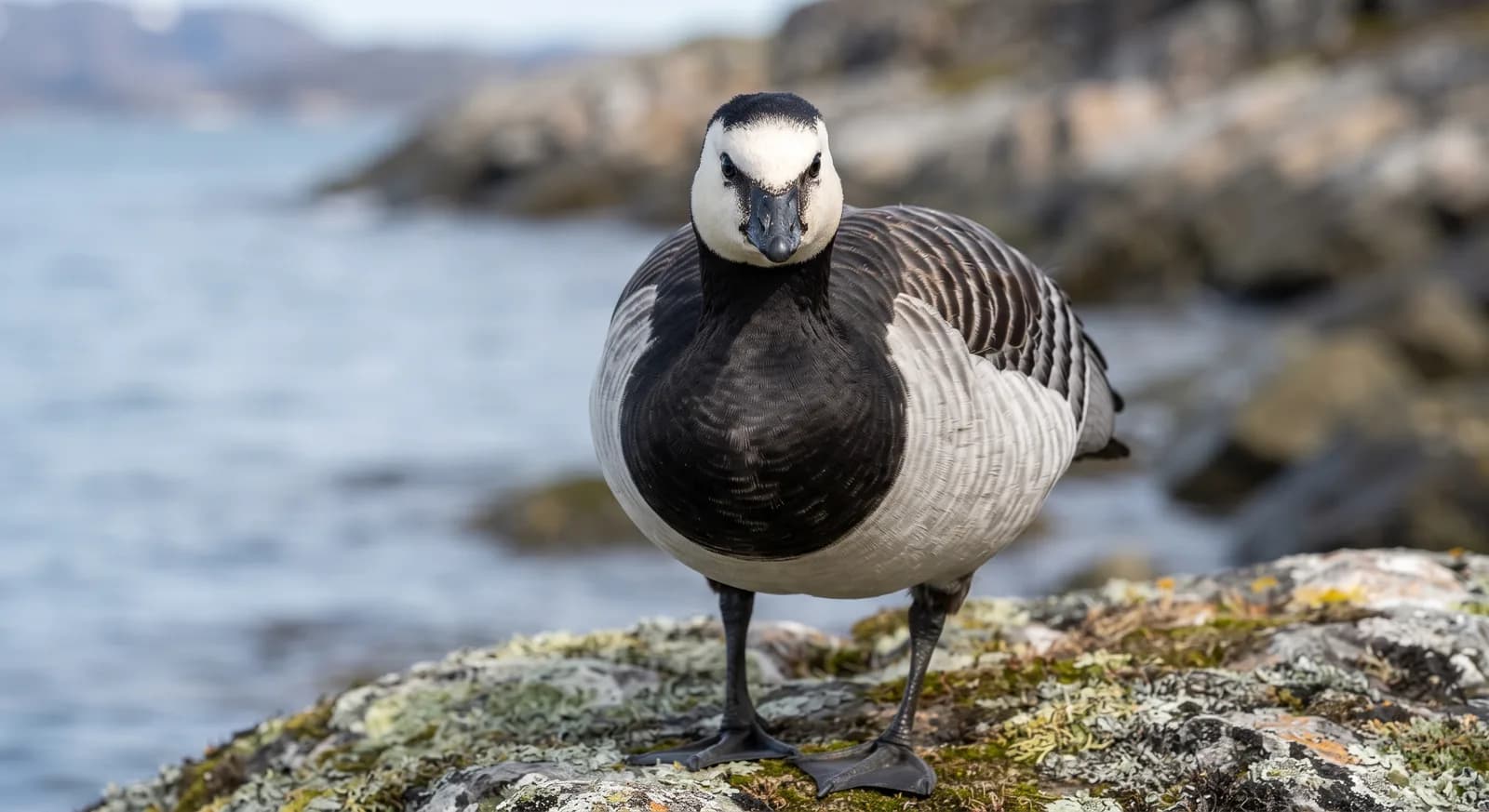
Least ConcernBarnacle Goose
Branta leucopsis
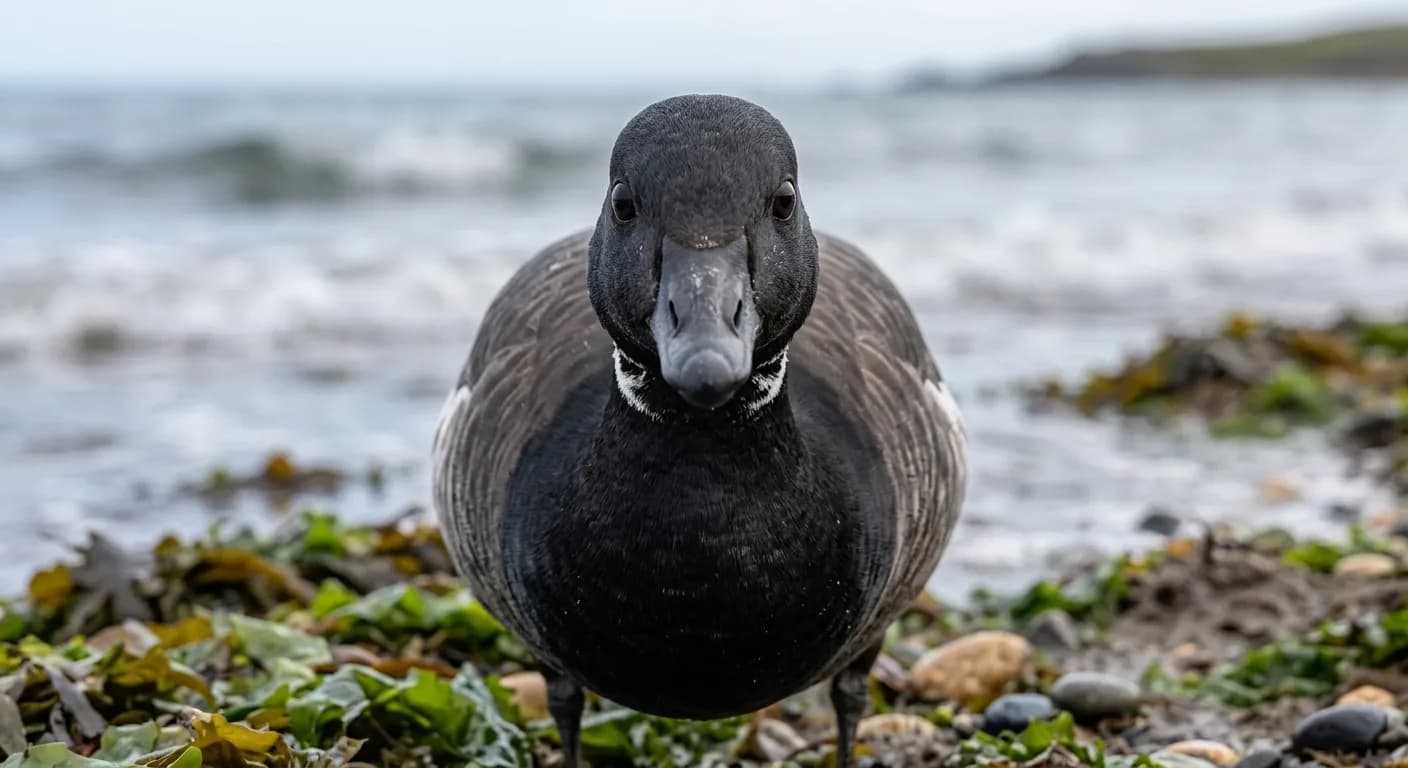
Least ConcernBrent Goose
Branta bernicla
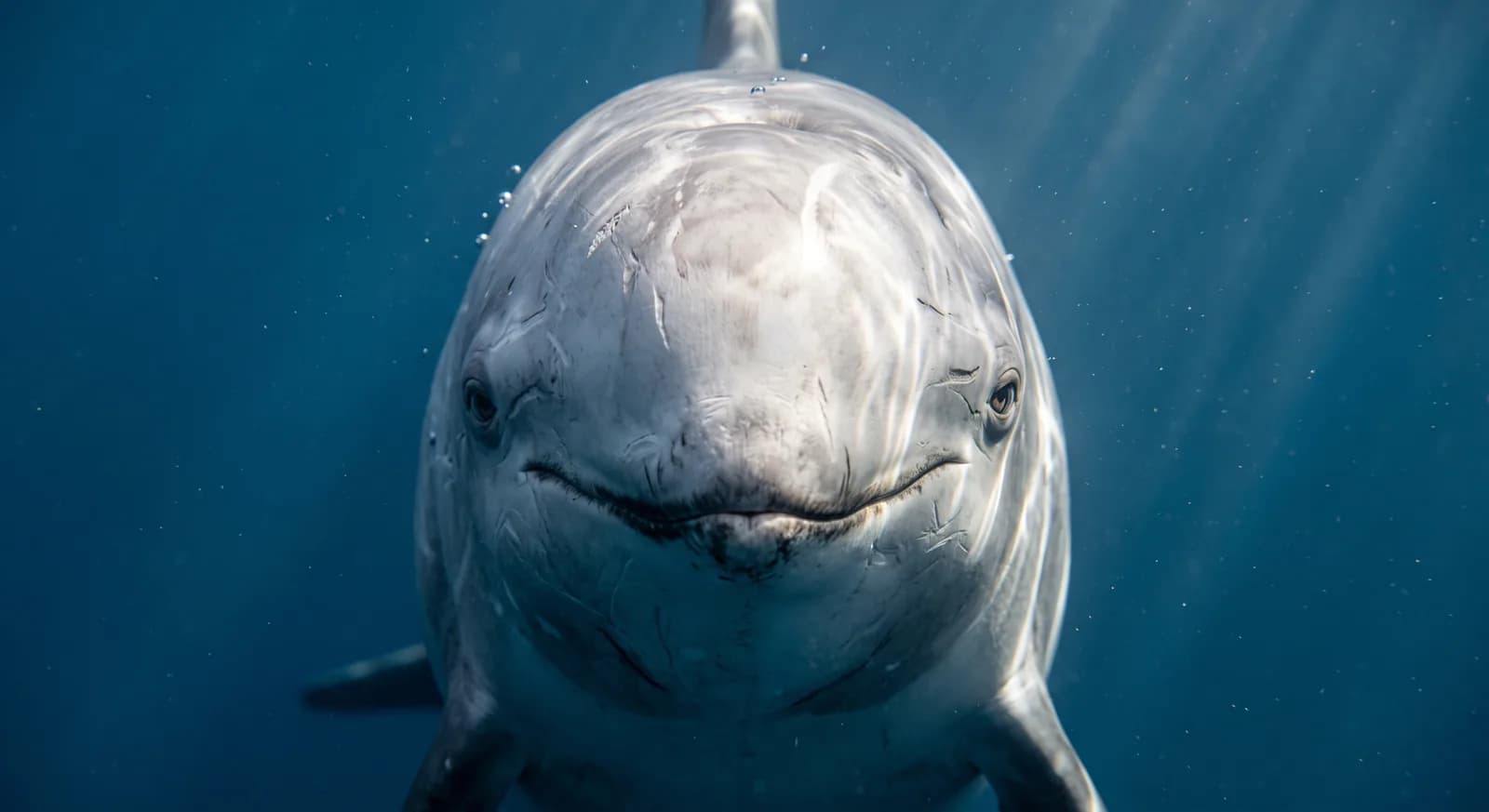
Least ConcernRisso's Dolphin
Grampus griseus
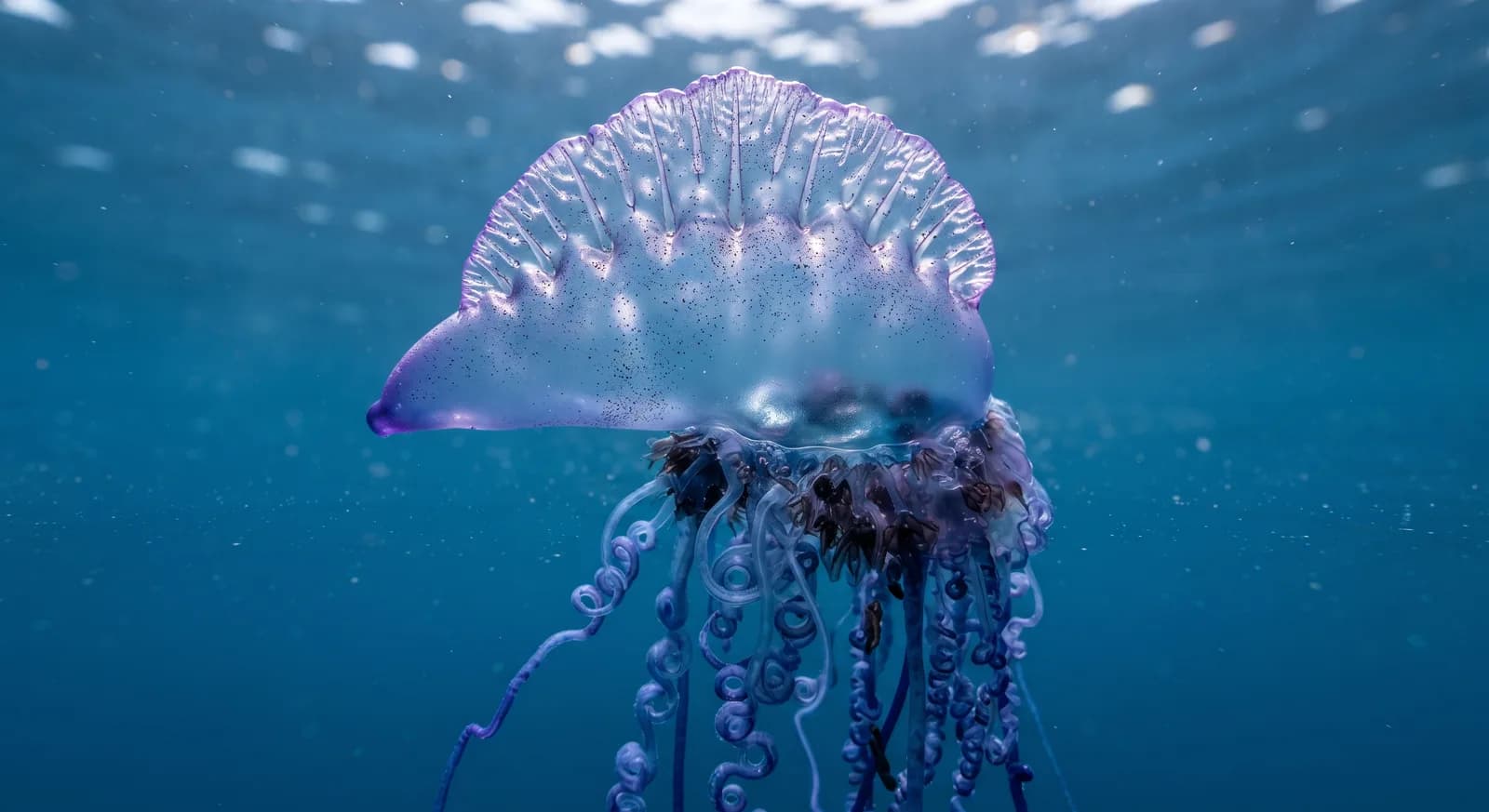
Not EvaluatedPortuguese Man-of-war
Physalia physalis

Least ConcernEurasian Teal
Anas crecca