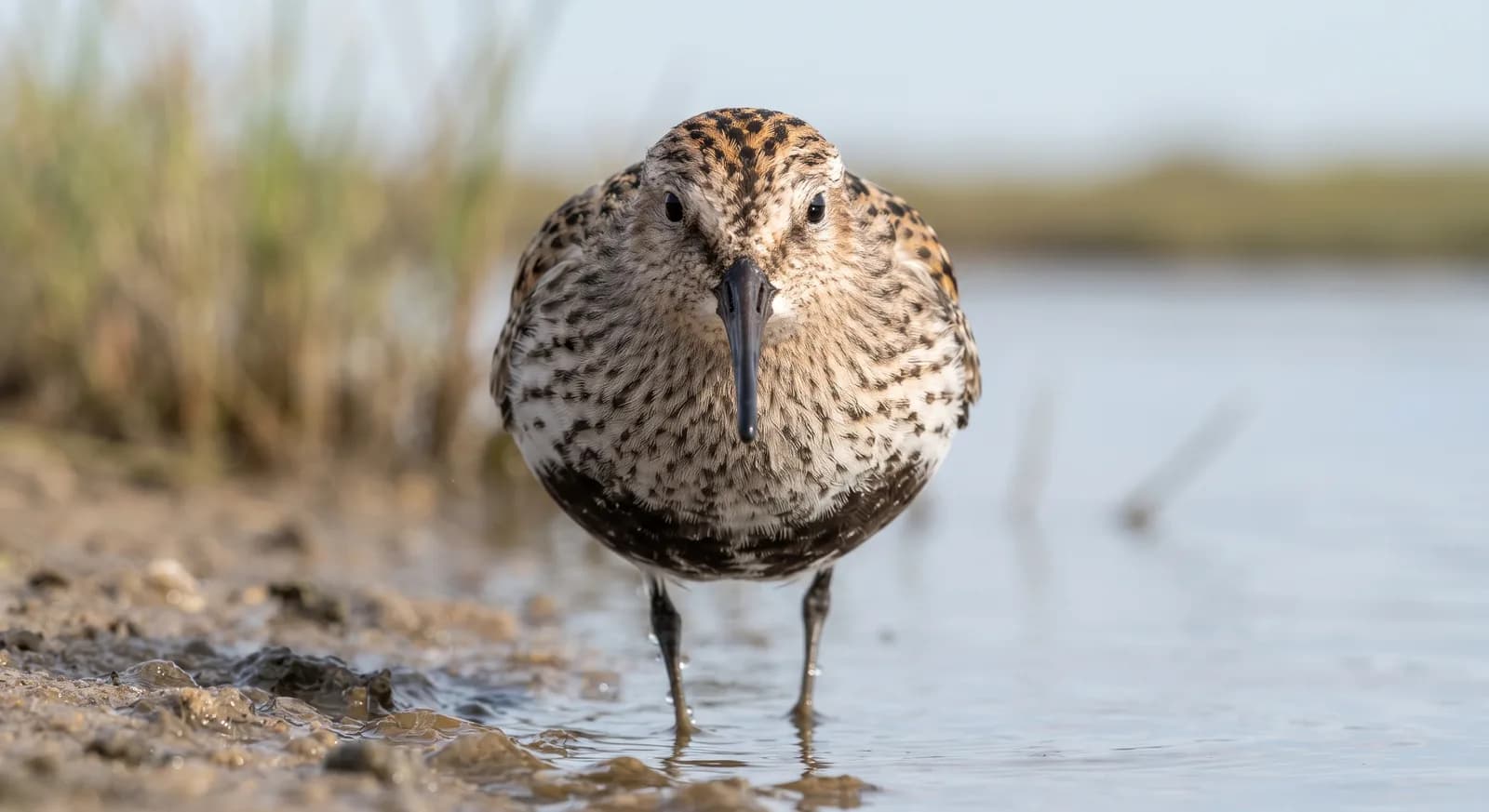
 Least Concern
Dunlin
Calidris alpina
The richest site in the world for understanding Eocene mammals, saved from becoming a landfill.
Area
0.42 km²
Designated in
1995
Region
Western Europe
An Eocene oil-shale Lagerstätte
The Messel Pit is a former oil shale quarry near Darmstadt, in Hesse, and was inscribed on the World Heritage List in 1995. At barely 0.42 km² it is one of the smallest natural properties on the List and the first in Germany.
Some 47 million years ago, in the Middle Eocene, the place was a deep volcanic lake with anoxic water at the bottom. Animals that fell into it were buried in a sediment without oxygen and without scavengers, which produced exceptional preservation: not merely complete, articulated skeletons but also outlines of skin and hair, stomach contents, feathers and even the structural colouring of beetle elytra.
The result is the most complete record in existence of terrestrial life in the Eocene, the period in which mammals diversified after the extinction of the dinosaurs. Primitive dog-sized horses with young in gestation have been described, along with bats with intestinal contents intact, birds, reptiles and the primate Darwinius masillae, nicknamed Ida, whose presentation in 2009 drew great media attention. The site came close to being lost: after the quarry closed it was earmarked as a waste landfill, and only the mobilisation of scientists and local people managed to stop the project and save the deposit.
Ecosystems found in Germany, where Messel Pit lies.
What is worth looking out for this month in Germany?
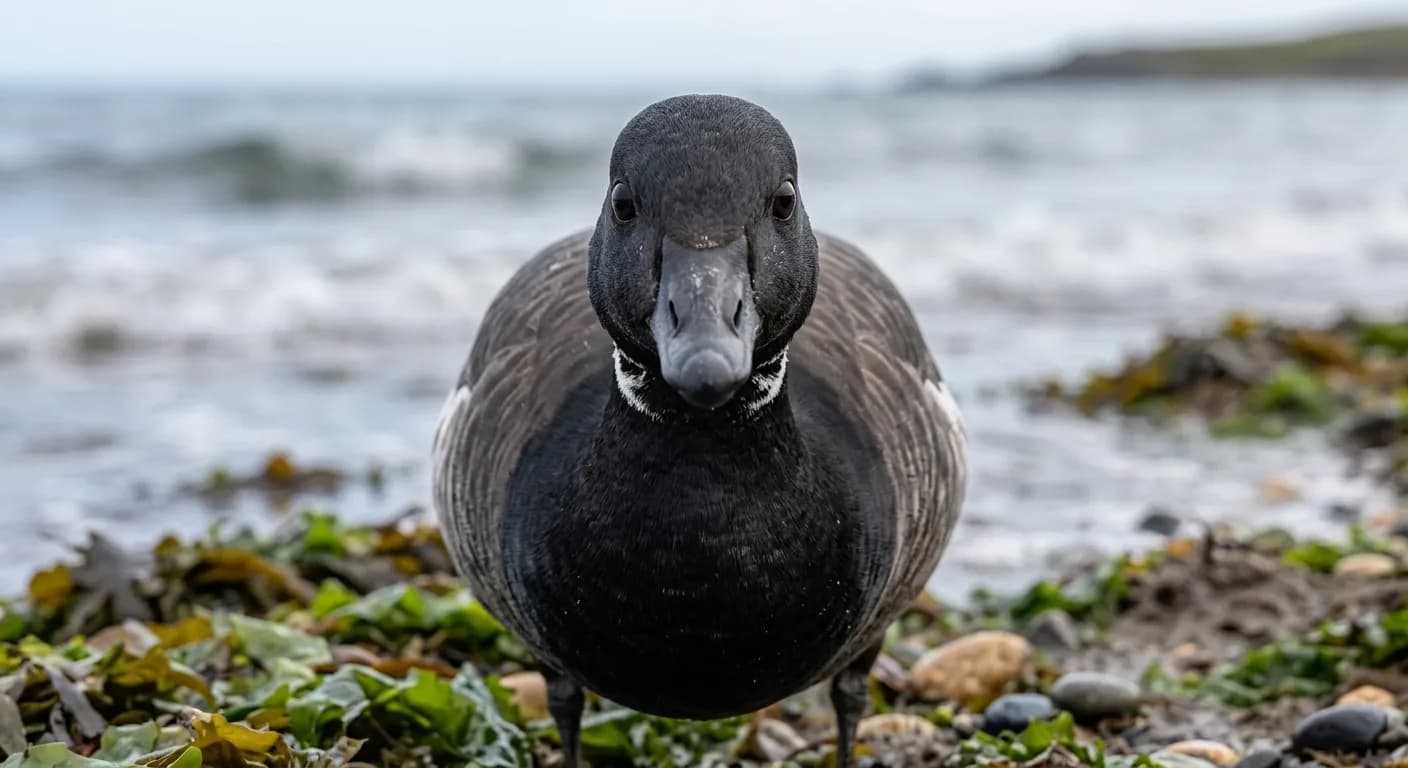
Now is a good time: Migratory shorebird passage in the Wadden Sea (March to May and August to October (wintering October to April))
Now is a good time: Migratory shorebird passage in the Wadden Sea (March to May and August to October (wintering October to April))
Which other parks are like this one?
Same country: Germany
Same country: Germany
Same country: Germany
Same country: Germany
Based on what we already know about this park.
Climate
Temperate, Mountain
Best season
May to September
 Germany