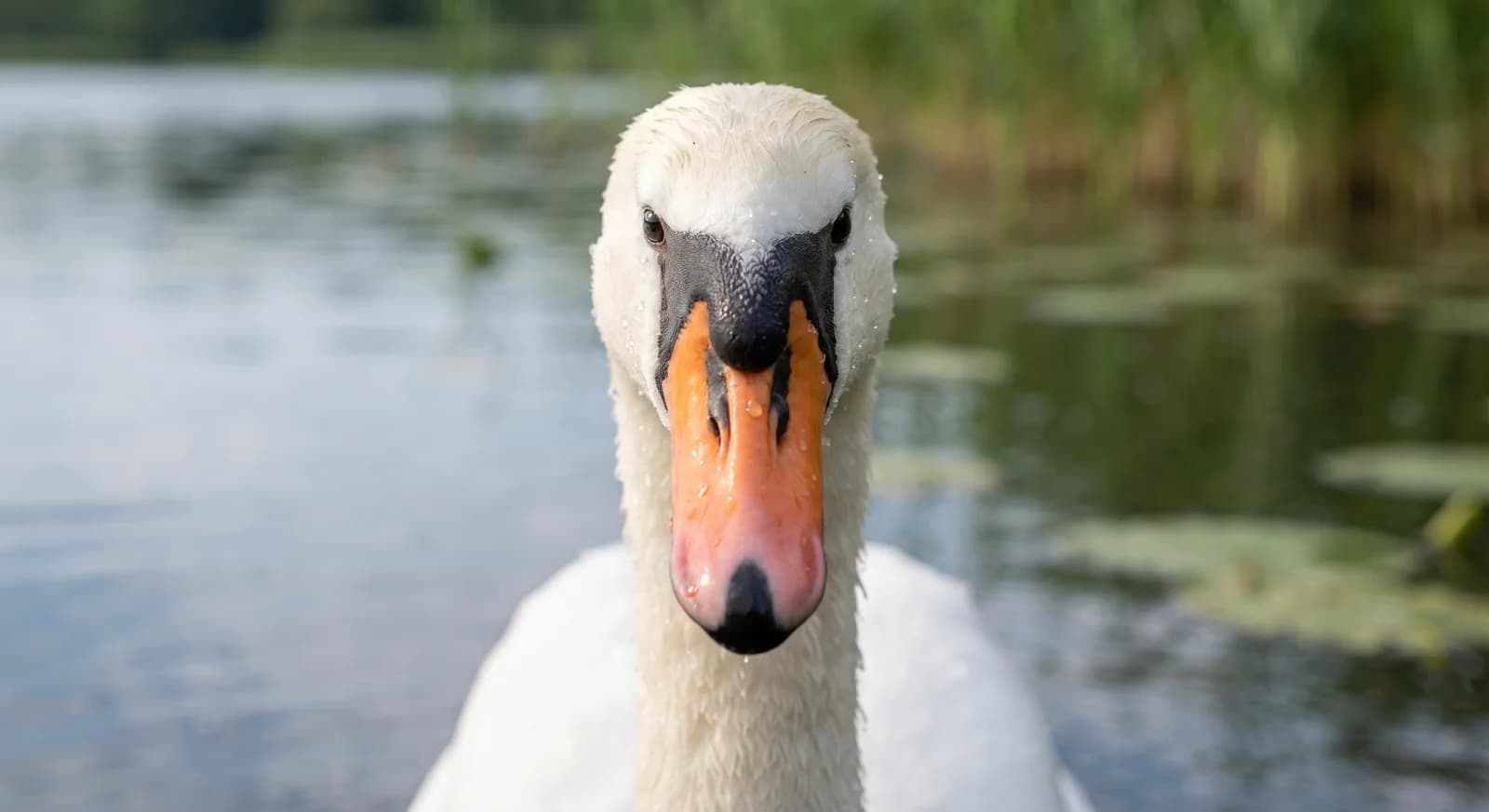
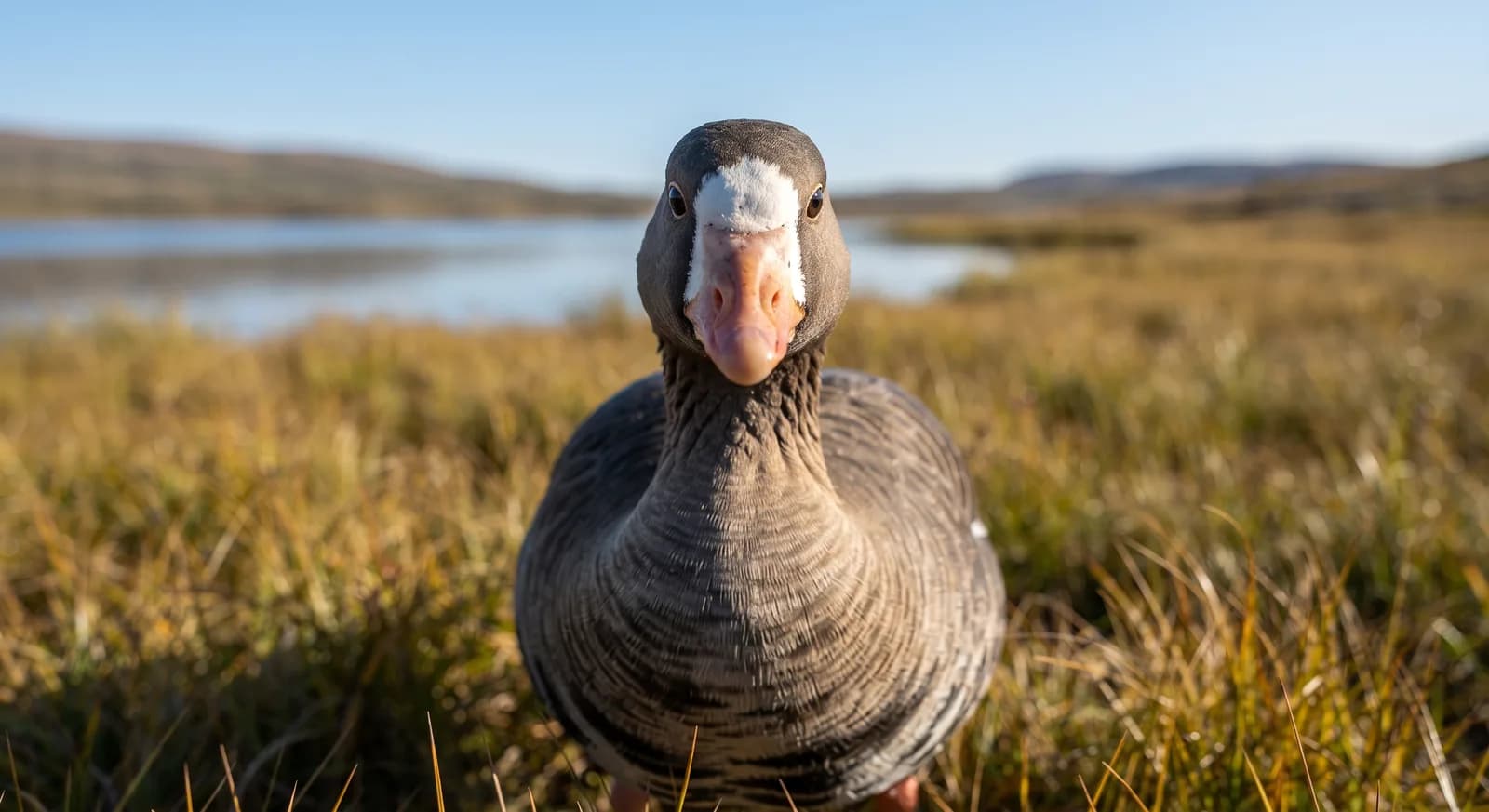
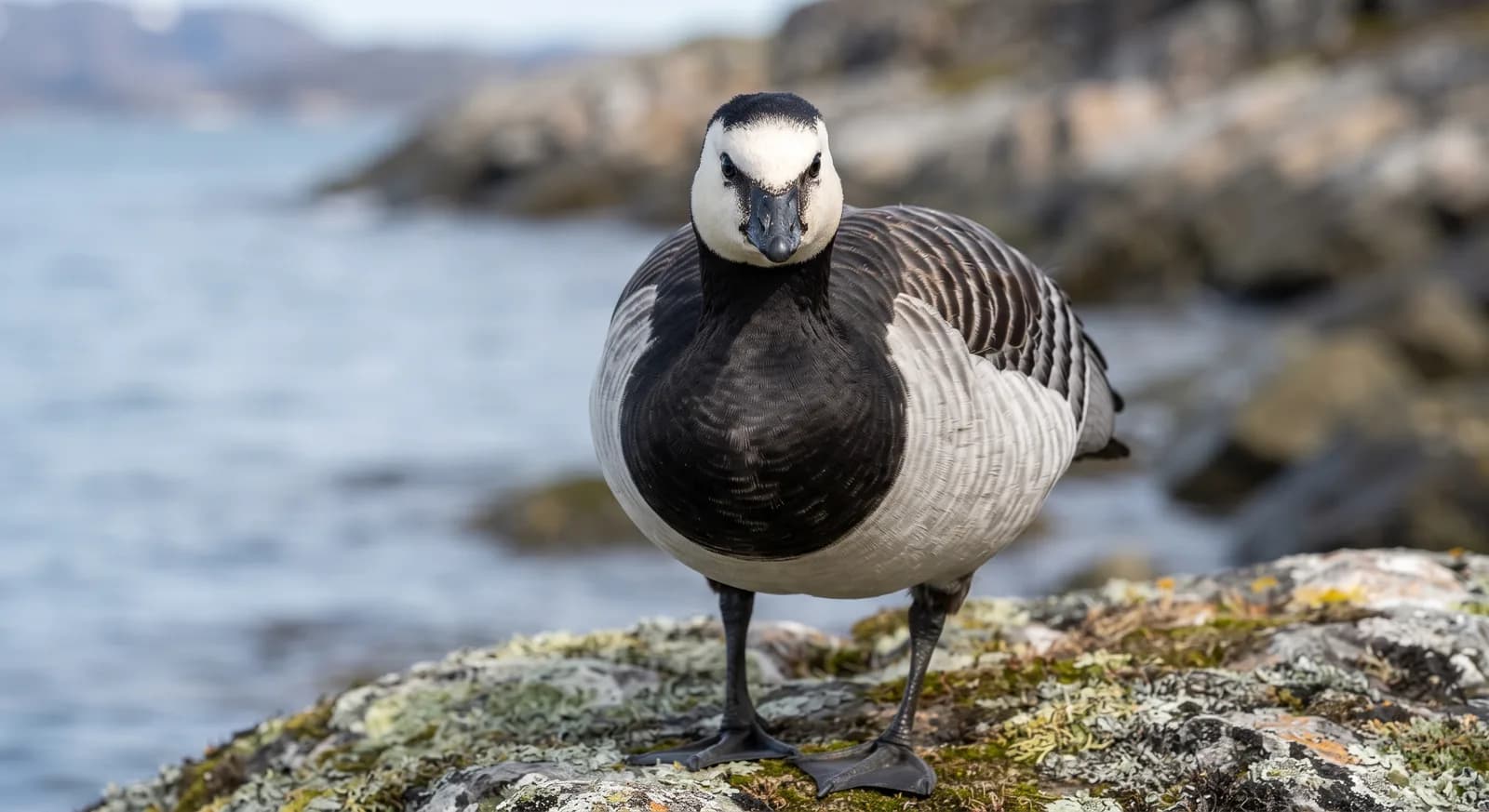
One of the 3 grey geese on WAnimals
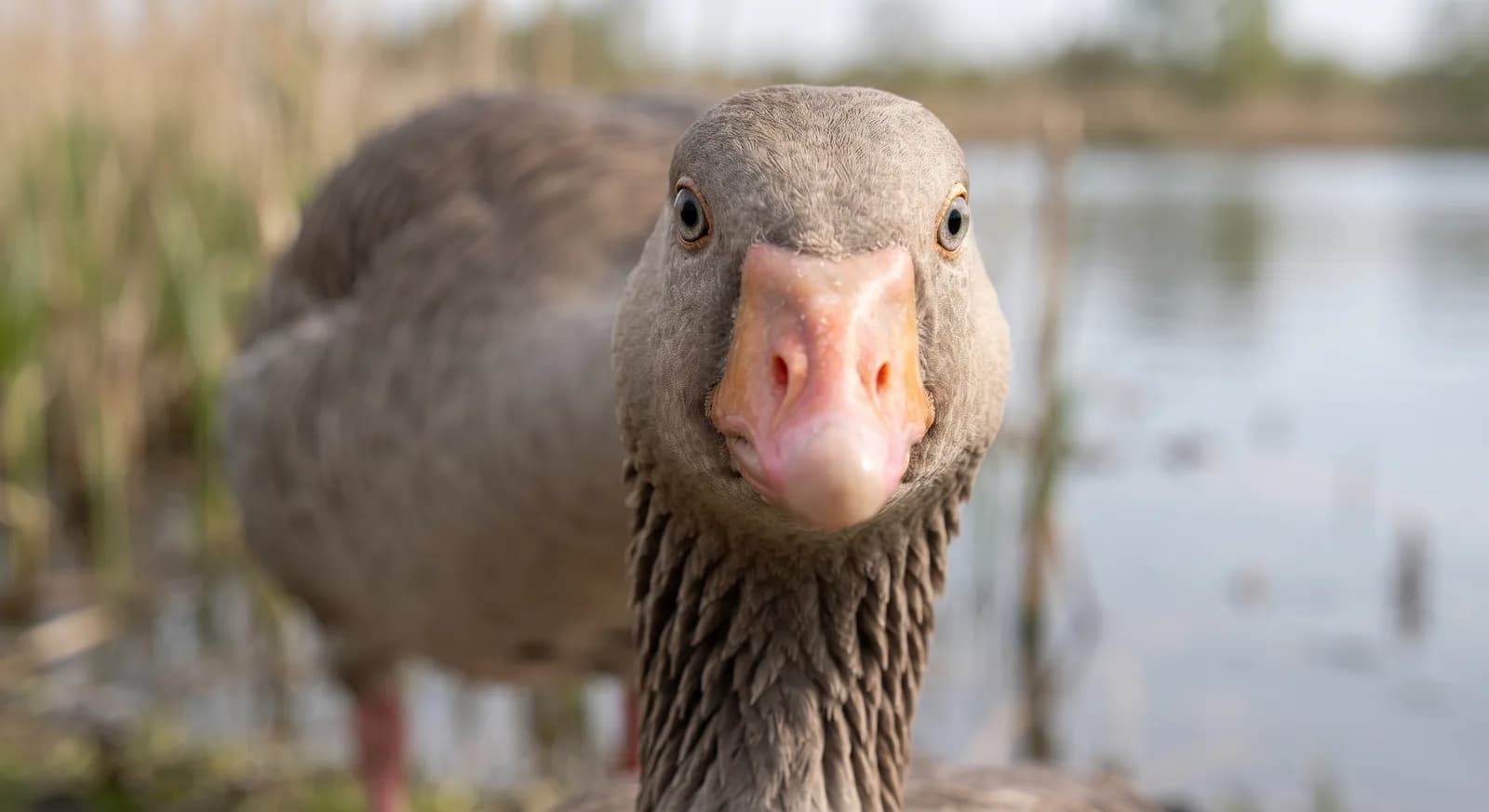
Birds · Anseriformes · Anatidae
Anser anser
The species is abundant and widely distributed; it faces no significant short-term risk.
It is the wild ancestor of practically every breed of domestic goose, a process documented since at least 1360 BC. It practises "egg adoption", gathering eggs from other species nesting nearby.
Weight
2.2 kg – 4.6 kg
Size
74 cm – 91 cm
Life expectancy
20 years
Diet
Herbivore
Feeds mainly on plants.
Activity
Diurnal
Active mainly during the day.
Social structure
Herd
Lives in large groups as a strategy against predators.
Sighting difficulty
Easy
Estimated population
In the 2007 national survey the Spanish breeding population was put at a minimum of 10 pairs, though it has since spread through the centre and north of the peninsula
AI-generated images: illustrations, not photographs.
Sources consulted: AnAge; Animal Diversity Web; EBSCO Research Starters; Animal Spot; Animalia.bio; AnimalHub; Animal Kingdom; PMC
Best time: From August to March in Doñana and the large lagoons; it is essentially a winter visitor
Parks and dive sites where this species has been documented — showing 10 of 50.
Other species in the catalogue with the most in common with Greylag Goose — same habitat, park, country, tags or family.
Based on what we already know about greylag goose.
Share an experience, a fun fact or a tip for seeing the greylag goose.
Be the first to comment.
The pins mark the parks where its presence is documented.