Skip to content
WAnimals
  • Map
  • Species
  • Parks
  • Diving
Log inCreate account
WAnimals

The guide for travellers and animal lovers: discover, plan and share your wild adventures around the world.

Discover wildlife

  • Species
  • Ecosystems
  • Glossary
  • Tags

Explore places

  • Map
  • Countries
  • Parks
  • Diving

Plan experiences

  • Guides

Learn

  • Blog

Resources

  • Help centre
  • Contact
  • Install the app

Follow us

Account

  • Log in
  • Create account

© 2026 WAnimals. All rights reserved.

About usHow we build our profilesTerms of servicePrivacyLegal notice
MapSpeciesParksDiving
  1. Home
  2. Species
  3. Cedar Waxwing

One of the 2 waxwings on WAnimals

Birds · Passeriformes · Bombycillidae

Cedar Waxwing

Bombycilla cedrorum

Least Concern

The species is abundant and widely distributed; it faces no significant short-term risk.

Spotted something wrong?

The cedar waxwing is an elegant bird with silky brown plumage, a black mask and a pointed crest, with waxy red tips on the wing feathers. It feeds almost entirely on fruit, and that diet shapes its whole life: it breeds late in summer, when the berries ripen, and moves in nomadic flocks following the fruiting.

Weight

30 g – 56 g

Size

14 cm – 17 cm

Life expectancy

8 years

Diet

Herbivore

Feeds mainly on plants.

Activity

Diurnal

Active mainly during the day.

Social structure

In pairs

Usually lives in pairs, sometimes for life.

Sighting difficulty

Easy

Temperate forestGrassland
8countries57parks1same family

Fun facts

  • GeneralA group will pass berries from bill to bill along a branch.
  • It passes food from bill to bill: flocks perched in a row along a branch pass a berry from one bird to the next until one of them eats it, a social behaviour with no clear equivalent in other birds.
  • It can get drunk: when it eats fermented berries it takes in enough alcohol to become disoriented, and in some years dazed waxwings are picked up beneath the rowans in towns.
  • The tail tip of some individuals is orange instead of yellow: the change is caused by a pigment from an introduced exotic honeysuckle, and appears only in birds that grew up eating its fruit.

Life cycle and biology

Skeleton type
Vertebrate - internal bony skeleton (bird)
Habitat and environment
Open woodland, copses, orchards and gardens with berry-bearing shrubs in North America
Size at birth
Altricial: born blind, naked or with sparse down and entirely dependent
Sexual maturity
12 months
Gestation / incubation
14 days
Litter / clutch size
4

Sources consulted: https://es.wikipedia.org/wiki/Bombycilla_cedrorum

Where to find it

Best time: From winter to early spring, when the flocks range across North America in search of shrubs laden with berries.

Loading map…

Where to see it

Parks and dive sites where this species has been documented — showing 10 of 57.

Related species

Other species in the catalogue with the most in common with Cedar Waxwing — same habitat, park, country, tags or family.

Same taxonomic family
Shares a park
Shares a park
Shares a park
Shares a park
Shares a park

Keep exploring

Based on what we already know about cedar waxwing.

Comments

Share an experience, a fun fact or a tip for seeing the cedar waxwing.

Be the first to comment.

See full glossary
This page in other languages: Español · Deutsch · Français · Português · Italiano

The pins mark the parks where its presence is documented.
See its range on the interactive map→
Yellowstone National ParkUnited States
GlacierUnited States
Great Smoky MountainsUnited States
RedwoodUnited States
AcadiaUnited States
OlympicUnited States
Mammoth CaveUnited States
Channel IslandsUnited States
Grand TetonUnited States
Crater LakeUnited States
See all 57 parks
Least Concern

Bohemian Waxwing

Bombycilla garrulus

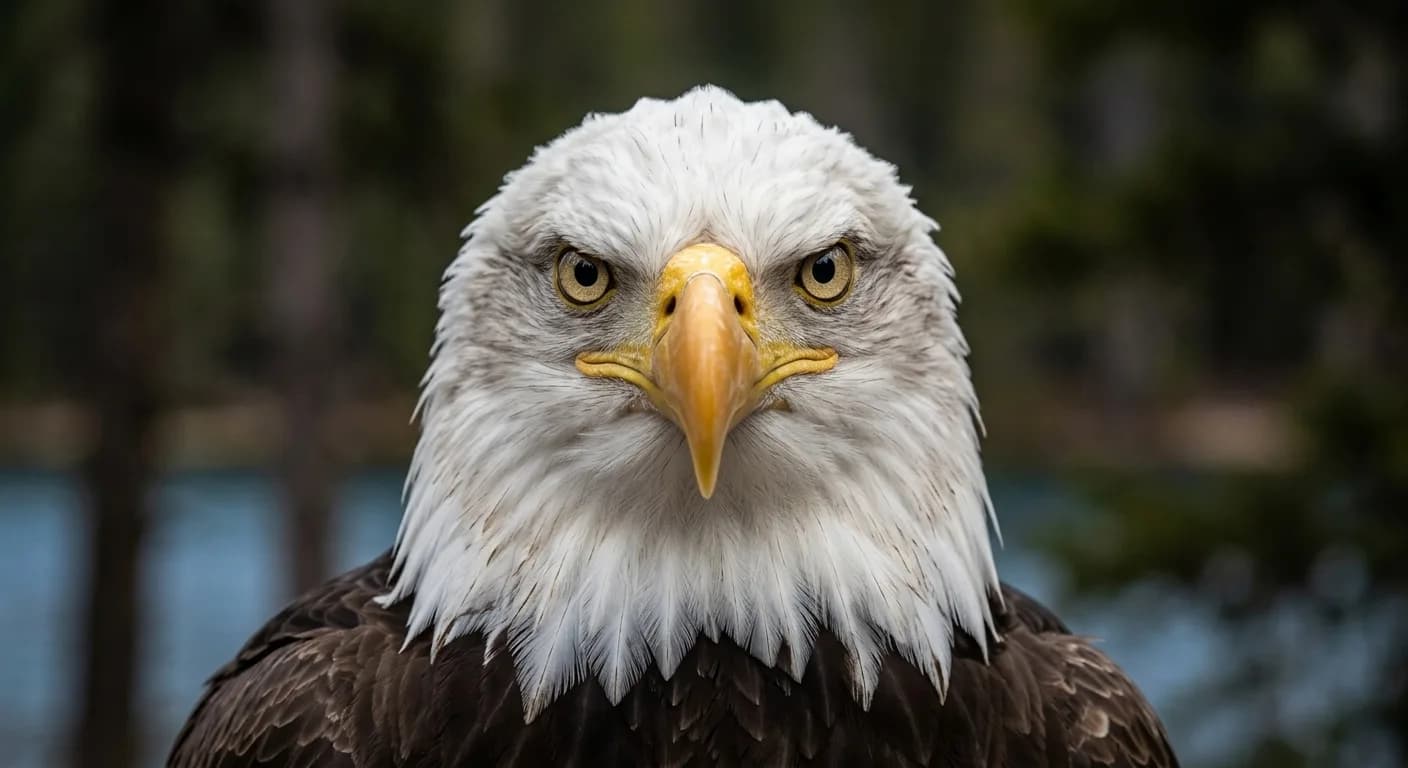
Bald EagleLeast Concern

Bald Eagle

Haliaeetus leucocephalus

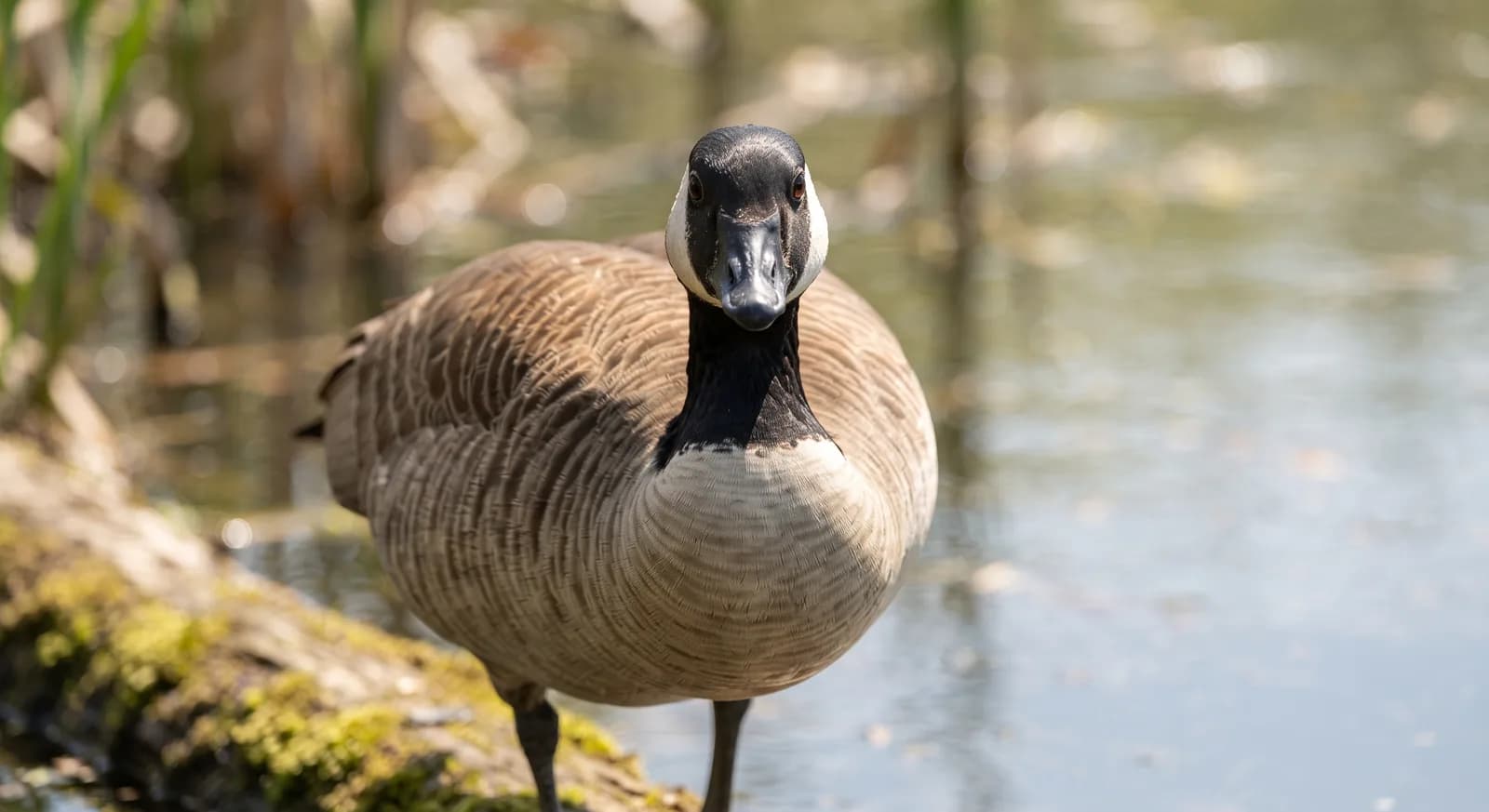
Canada GooseLeast Concern

Canada Goose

Branta canadensis

Least Concern

Wood Duck

Aix sponsa

Least Concern

Mourning Dove

Zenaida macroura

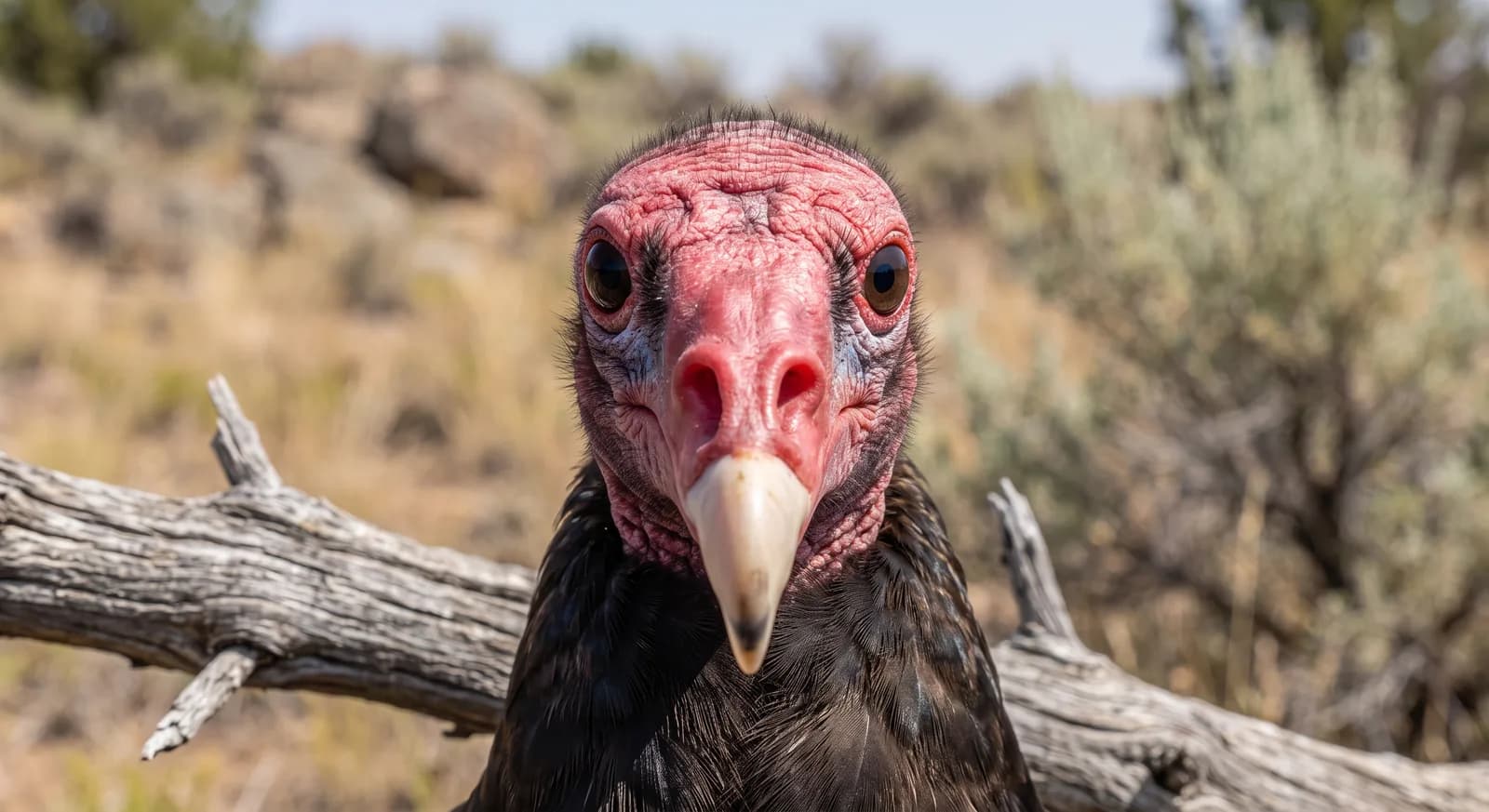
Turkey VultureLeast Concern

Turkey Vulture

Cathartes aura

CountriesCanada
ParksYellowstone National ParkUnited States
TagsHerbivore
Herbivore
Diurnal
In pairs
Bird
Temperate forest
Grassland
Canada
United States
Mexico
Costa Rica
Cuba
Guatemala
Honduras
Panama