One of the 12 deer on WAnimals

Mammals · Artiodactyla · Cervidae
Mule Deer
Odocoileus hemionus
Least Concern
The species is abundant and widely distributed; it faces no significant short-term risk.
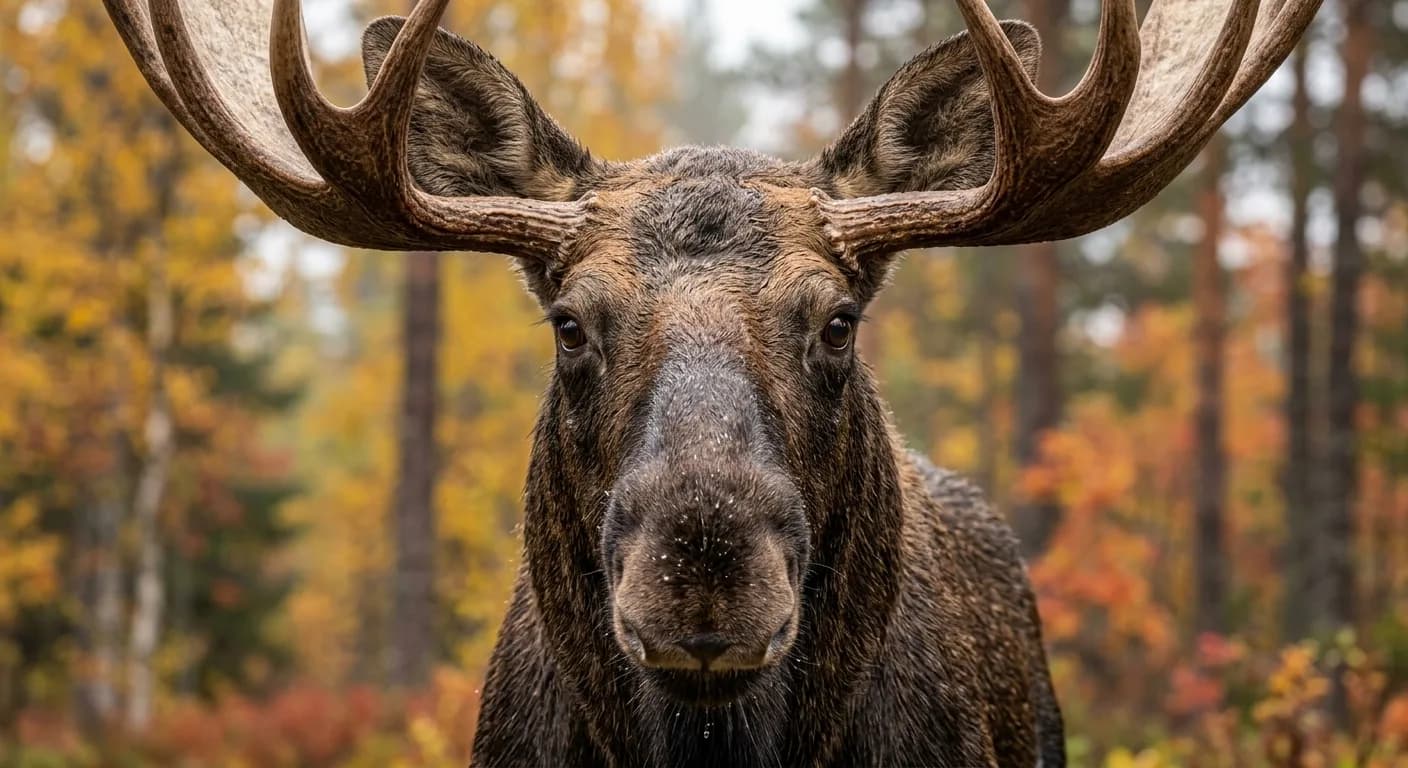
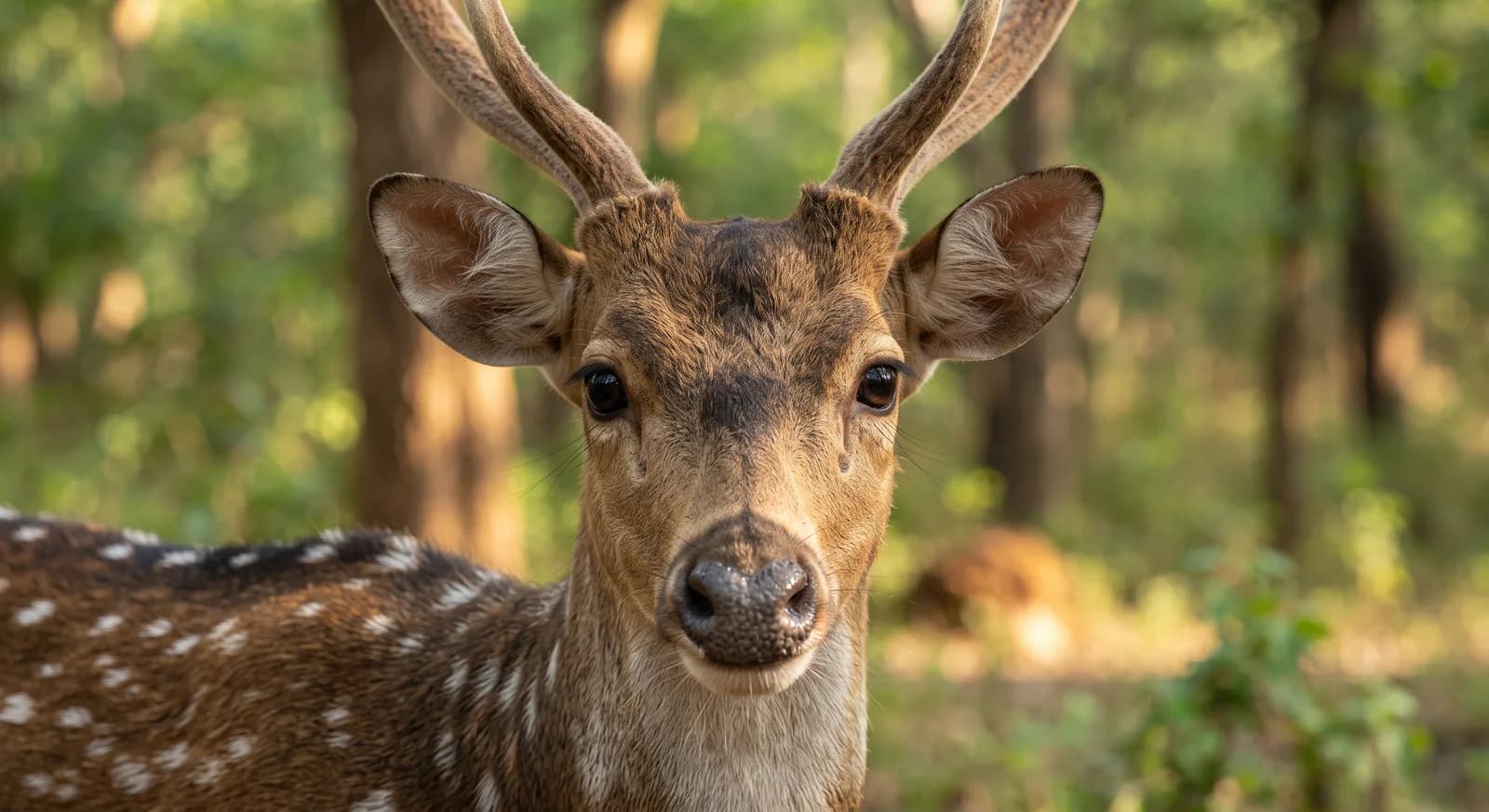
The mule deer is an artiodactyl mammal of the family Cervidae. It is native to North America, occurring in Canada, the United States and Mexico, as well as in Argentina, where it has been introduced. It owes its name to its long ears, like a mule's. Its closest relative is the white-tailed deer. The two species often share habitats and can be mistaken for one another. The most specific differences between them are the colour of their tails and their antlers. The mule deer's tail is black-tipped. The mule deer's antlers fork as they grow, spreading more towards the front. Each year the mule deer's antlers begin to grow from mid-January to mid-April. Mule deer antlers also tend to grow somewhat larger than those of the white-tailed deer, particularly in cold climates, and the ears are rather more prominent.
Weight
45 kg – 150 kg
Size
1.3 m – 2 m