Skip to content
WAnimals
  • Map
  • Species
  • Parks
  • Diving
Log inCreate account
WAnimals

The guide for travellers and animal lovers: discover, plan and share your wild adventures around the world.

Discover wildlife

  • Species
  • Ecosystems
  • Glossary
  • Tags

Explore places

  • Map
  • Countries
  • Parks
  • Diving

Plan experiences

  • Guides

Learn

  • Blog

Resources

  • About us
  • How we build our profiles
  • Help centre
  • Contact
  • Install the app

Follow us

Account

  • Log in
  • Create account

© 2026 WAnimals. All rights reserved.

Terms of servicePrivacyCookiesLegal notice
MapSpeciesParksDiving
  1. Home
  2. Species
  3. White-tailed Deer

One of the 2 deer on WAnimals

White-tailed Deer (Odocoileus virginianus)

Mammals · Artiodactyla · Cervidae

White-tailed Deer

Odocoileus virginianus

Least Concern

The species is abundant and widely distributed; it faces no significant short-term risk.

Spotted something wrong?

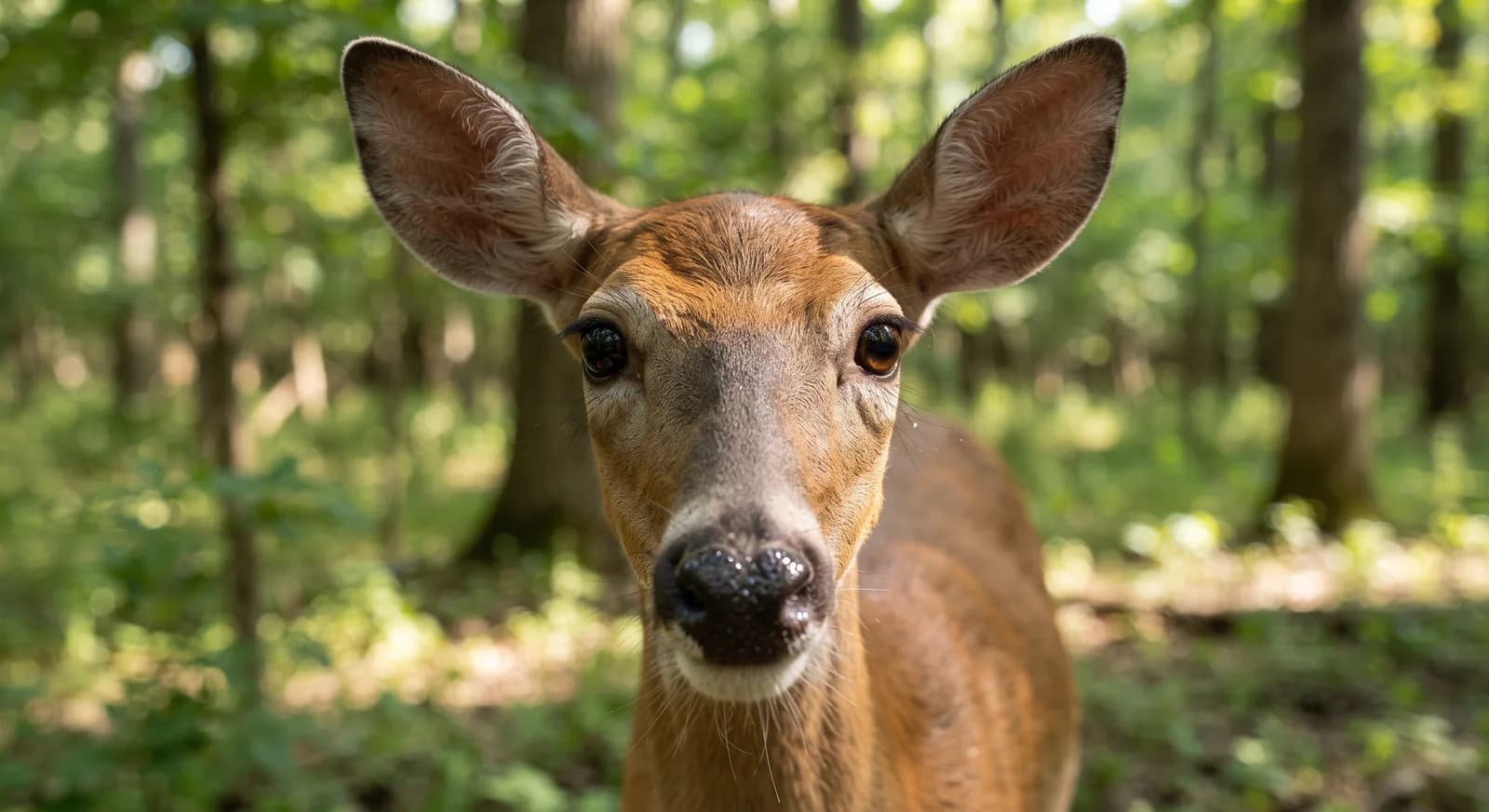
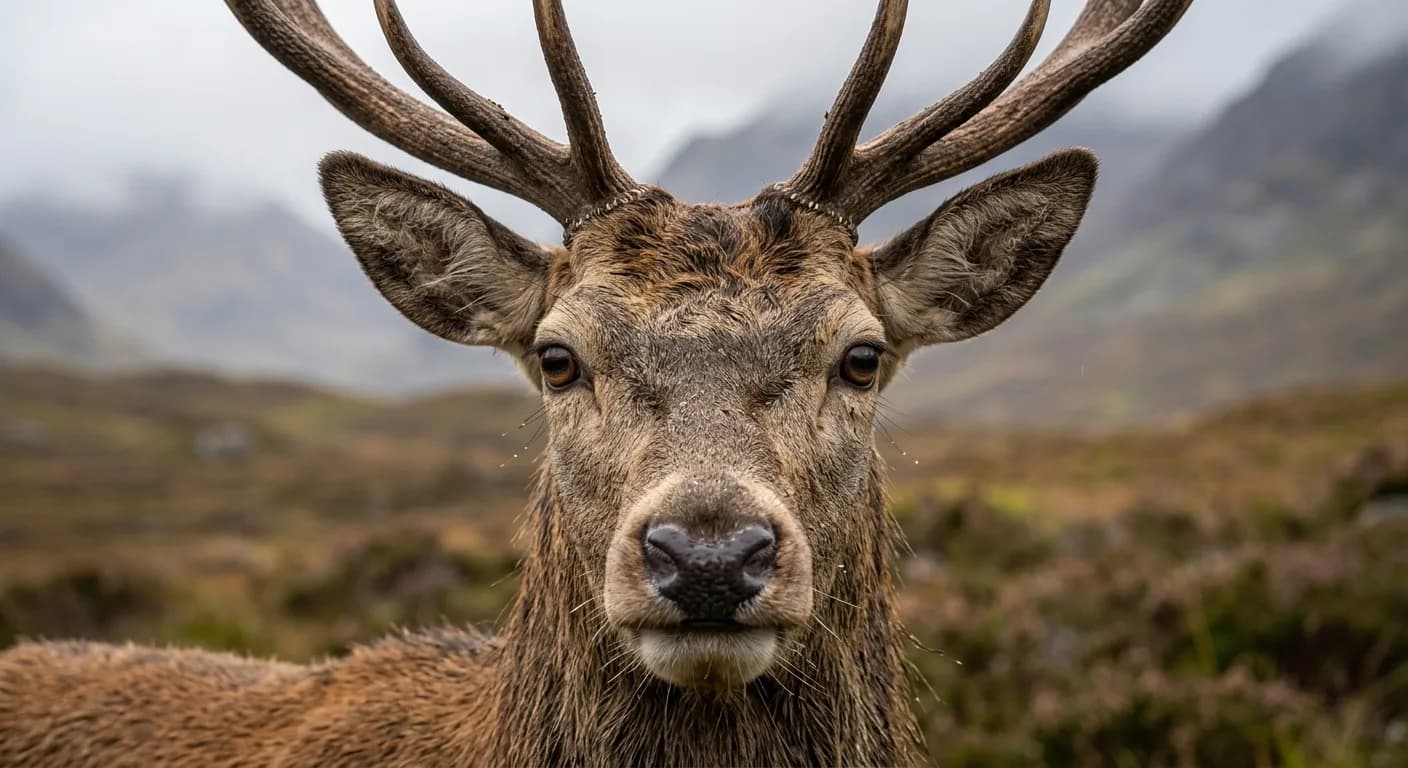
The white-tailed deer, also called the Virginia deer or grey deer, is an artiodactyl mammal of the deer family. It lives in a range of American ecosystems, from those of Canada in the subarctic, through the dry forests of the mountain slopes of Mexico and the tropical rainforests of Central and South America, to the dry equatorial forests of northern Peru and other wooded areas of South America. It feeds on shrubs and grasses. It is heavily hunted throughout its range, but is not considered at risk. In some regions its populations have grown because of a shortage of predators. On 28 June 1993 the National Congress of the Republic of Honduras made the white-tailed deer the national symbol of the country's wildlife. Odocoileus virginianus was likewise declared a national symbol of the Republic of Costa Rica on 2 May 1995.

Weight

25 kg – 150 kg

Size

95 cm – 2.2 m
Life expectancy

14 years

Diet

Herbivore

Feeds mainly on plants.

Activity

Crepuscular

Active mainly at dawn and dusk.

SavannaRainforestTemperate forestGrassland
14countries19parks23same family

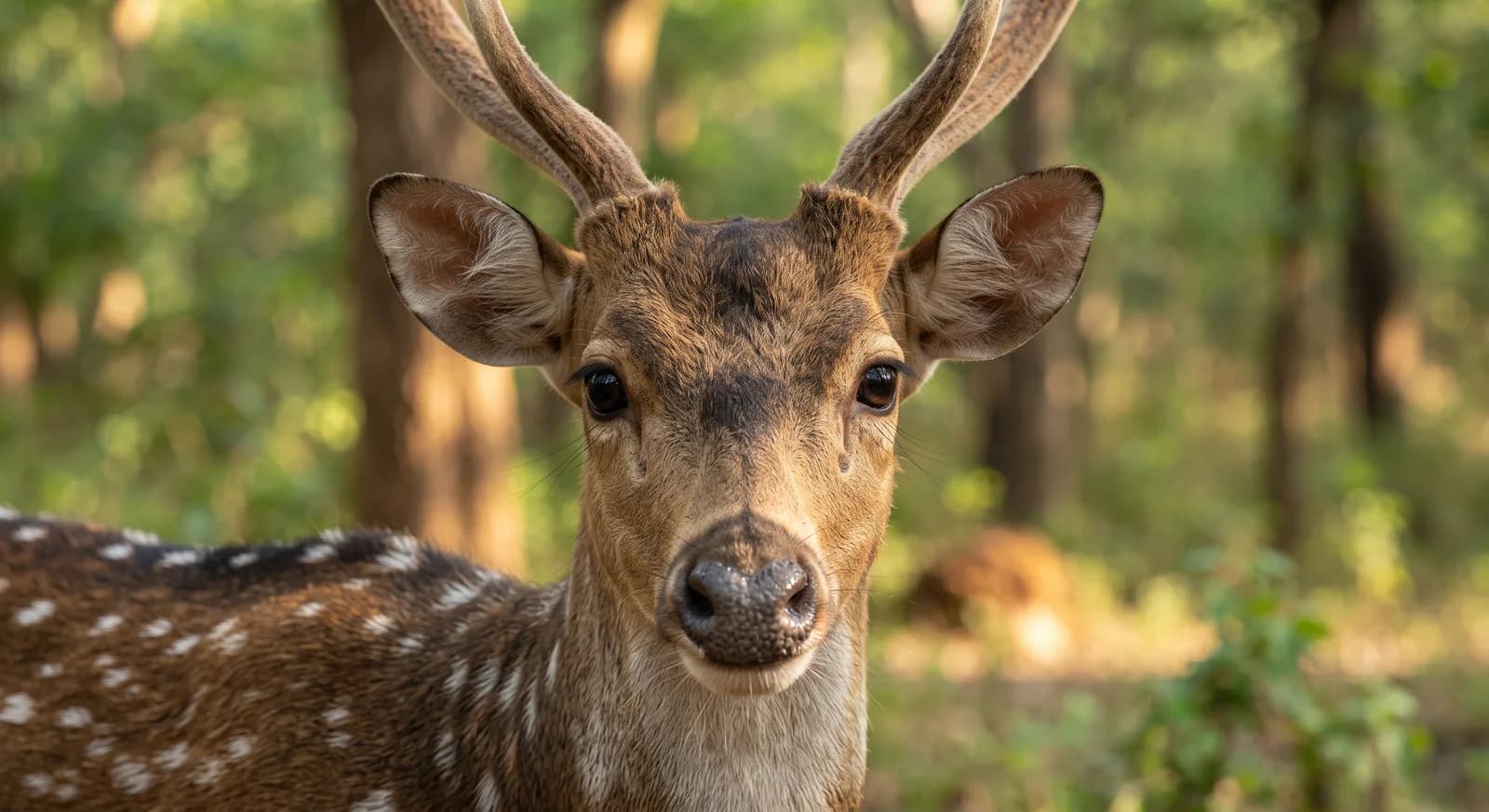
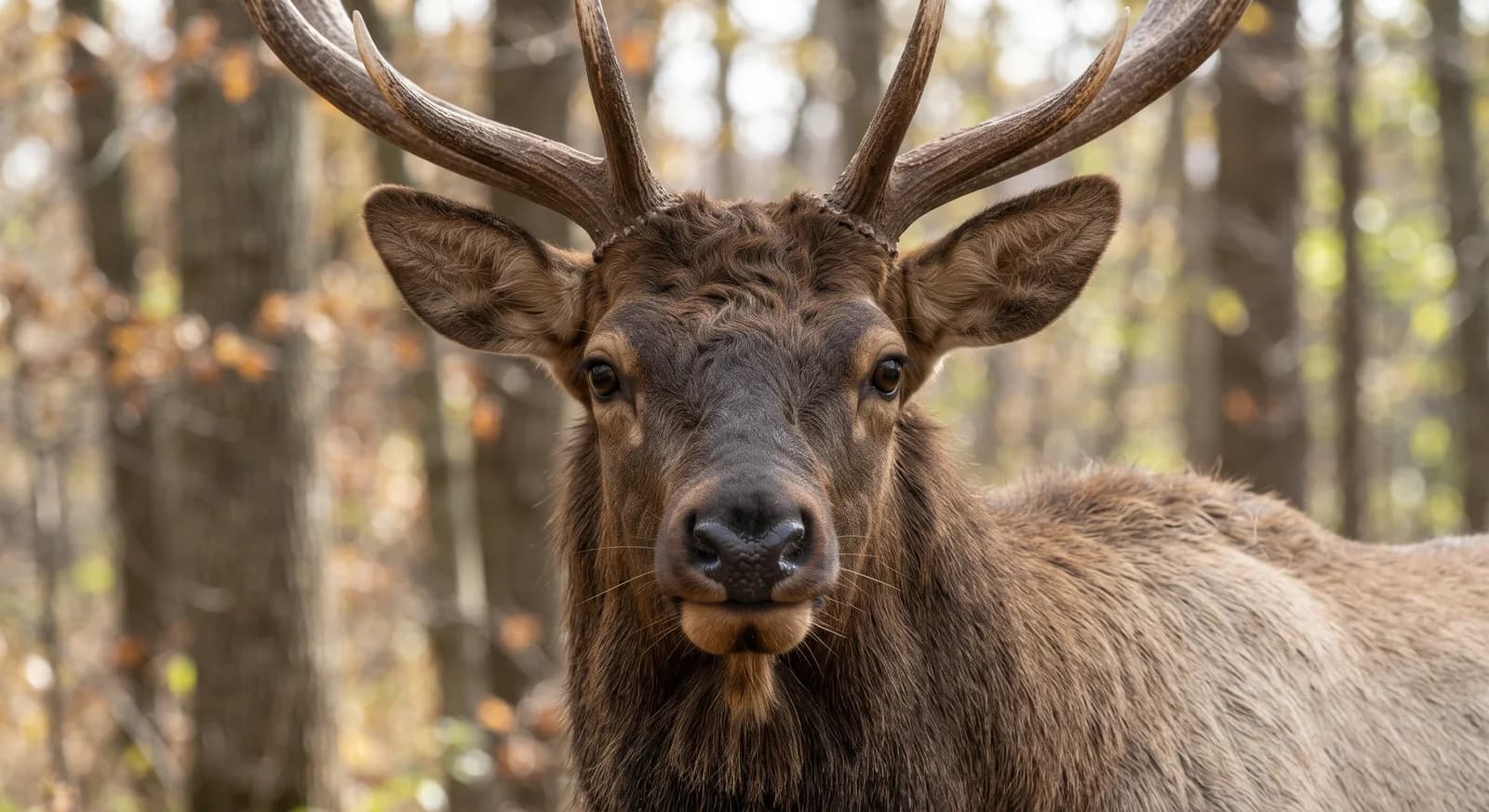
AI-generated images: illustrations, not photographs.

Fun facts

  • comunicaciónIt raises its tail to flash the white underside as an alarm signal to the rest of the group when it senses danger.
  • As it flees it raises its tail to show the white underside, a signal visible at a great distance that alerts the rest of the group and that, according to some studies, tells the predator it has already been spotted.
  • It went from fewer than half a million animals in the United States at the start of the 20th century to tens of millions today: a recovery so complete that its overabundance now prevents the forests of the east of the country from regenerating.

Life cycle and biology

Skeleton type
Vertebrate - internal bony skeleton (mammal)
Habitat and environment
Forests, farm and woodland mosaics, savannahs and rainforests from Canada to Bolivia
Sexual maturity
10.2 months
Gestation / incubation
6.5 months
Litter / clutch size
2

Sources consulted: Wikipedia (es): Odocoileus virginianus

Where to find it

Loading map…

The pins mark the parks where its presence is documented.

Where to see it

Parks and dive sites where this species has been documented — showing 10 of 19.

Related species

Other species in the catalogue with the most in common with White-tailed Deer — same habitat, park, country, tags or family.

Same taxonomic family

Keep exploring

Based on what we already know about white-tailed deer.

Share an experience, a fun fact or a tip for seeing the white-tailed deer.
See full glossary
This page in other languages: Español · Deutsch · Français · Português · Italiano
See its range on the interactive map→
Monarch ButterflyMexico
Nevado de ColimaMexico
HuascaránPeru
CotopaxiEcuador
SangayEcuador
Sierra Nevada de Santa MartaColombia
Los NevadosColombia
El CocuyColombia
CutervoPeru
PuracéColombia
See all 19 parks
Vulnerable

Northern Pudu

Pudella mephistophiles

Red DeerLeast Concern

Red Deer

Cervus elaphus

ChitalLeast Concern

Chital

Axis axis

Gray BrocketLeast Concern

Gray Brocket

Subulo gouazoubira

Mule DeerLeast Concern

Mule Deer

Odocoileus hemionus

WapitiLeast Concern

Wapiti

Cervus canadensis

CountriesEcuador
ParksMonarch ButterflyMexico
TagsHerbivore
Herbivore
Crepuscular
Savannah
Rainforest
Temperate forest
Grassland
Mammal

North America8

South America6

Ecuador
Colombia
Costa Rica
Mexico
Peru
Bolivia
Canada
Costa Rica
Guatemala
Honduras
Mexico
Nicaragua
Panama
United States
Bolivia
Brazil
Colombia
Ecuador
Peru
Venezuela