Skip to content
WAnimals
  • Map
  • Species
  • Parks
  • Diving
Log inCreate account
WAnimals

The guide for travellers and animal lovers: discover, plan and share your wild adventures around the world.

Discover wildlife

  • Species
  • Ecosystems
  • Glossary
  • Tags

Explore places

  • Map
  • Countries
  • Parks
  • Diving

Plan experiences

  • Guides

Learn

  • Blog

Resources

  • About us
  • How we build our profiles
  • Help centre
  • Contact
  • Install the app

Follow us

Account

  • Log in
  • Create account

© 2026 WAnimals. All rights reserved.

Terms of servicePrivacyCookiesLegal notice
MapSpeciesParksDiving
  1. Home
  2. Species
  3. Northern Pudu

One of the 2 pudus on WAnimals

Mammals · Artiodactyla · Cervidae

Northern Pudu

Pudella mephistophiles

Vulnerable

At high risk of extinction in the wild over the medium term.

Spotted something wrong?

The northern pudu is the smallest deer in the world: it stands barely 35 centimetres at the shoulder. It lives in the cloud forests and páramo of the Andes of Ecuador, Colombia and northern Peru, where it moves along tunnels it opens through dense vegetation. It is solitary, extremely unobtrusive and feeds on leaves, tender shoots and fallen fruit. Its compact body, short legs and dark brown coat are adaptations to a closed, humid understorey where agility matters less than going unnoticed.

Weight

3.3 kg – 6 kg

Size

60 cm – 80 cm

Life expectancy

10 years

Diet

Herbivore

Feeds mainly on plants.

Activity

Crepuscular

Active mainly at dawn and dusk.

Social structure

Solitary

Lives and hunts alone, joining others only to breed.

RainforestMountain
3countries10parks23same family

Fun facts

  • It is the smallest deer on the planet: an adult weighs about as much as a large domestic cat.
  • The males have tiny antlers, straight and unbranched, barely six centimetres long, almost hidden among the hair of the forehead.

Life cycle and biology

Skeleton type
Vertebrate - internal bony skeleton (mammal)
Habitat and environment
Andean cloud forest and páramo, between 2,000 and 4,000 metres above sea level
Gestation / incubation
7 months
Litter / clutch size
1

Sources consulted: IUCN Red List · Animal Diversity Web · Wikipedia (es)

Where to find it

Loading map…

The pins mark the parks where its presence is documented.

Where to see it

Parks and dive sites where this species has been documented.

Related species

Other species in the catalogue with the most in common with Northern Pudu — same habitat, park, country, tags or family.

Same taxonomic family
Shares a park
Shares a park
Shares a park
Shares a park
Shares a park

How to help

The northern pudu is classified as vulnerable. Organisations such as the IUCN, WWF and the Wildlife Conservation Society work specifically on its conservation and that of its habitat; looking into their programmes is a good starting point if you want to get involved.

It's documented in 10 protected areas — one reason why protecting these places matters for its conservation.

Keep exploring

Based on what we already know about northern pudu.
Share an experience, a fun fact or a tip for seeing the northern pudu.
See full glossary
This page in other languages: Español · Deutsch · Français · Português · Italiano
See its range on the interactive map→
SangayEcuador
Los NevadosColombia
El CocuyColombia
PuracéColombia
PodocarpusEcuador
Farallones de CaliColombia
Sumaco Napo-GalerasEcuador
Río AbiseoPeru
Cayambe CocaEcuador
LlanganatesEcuador
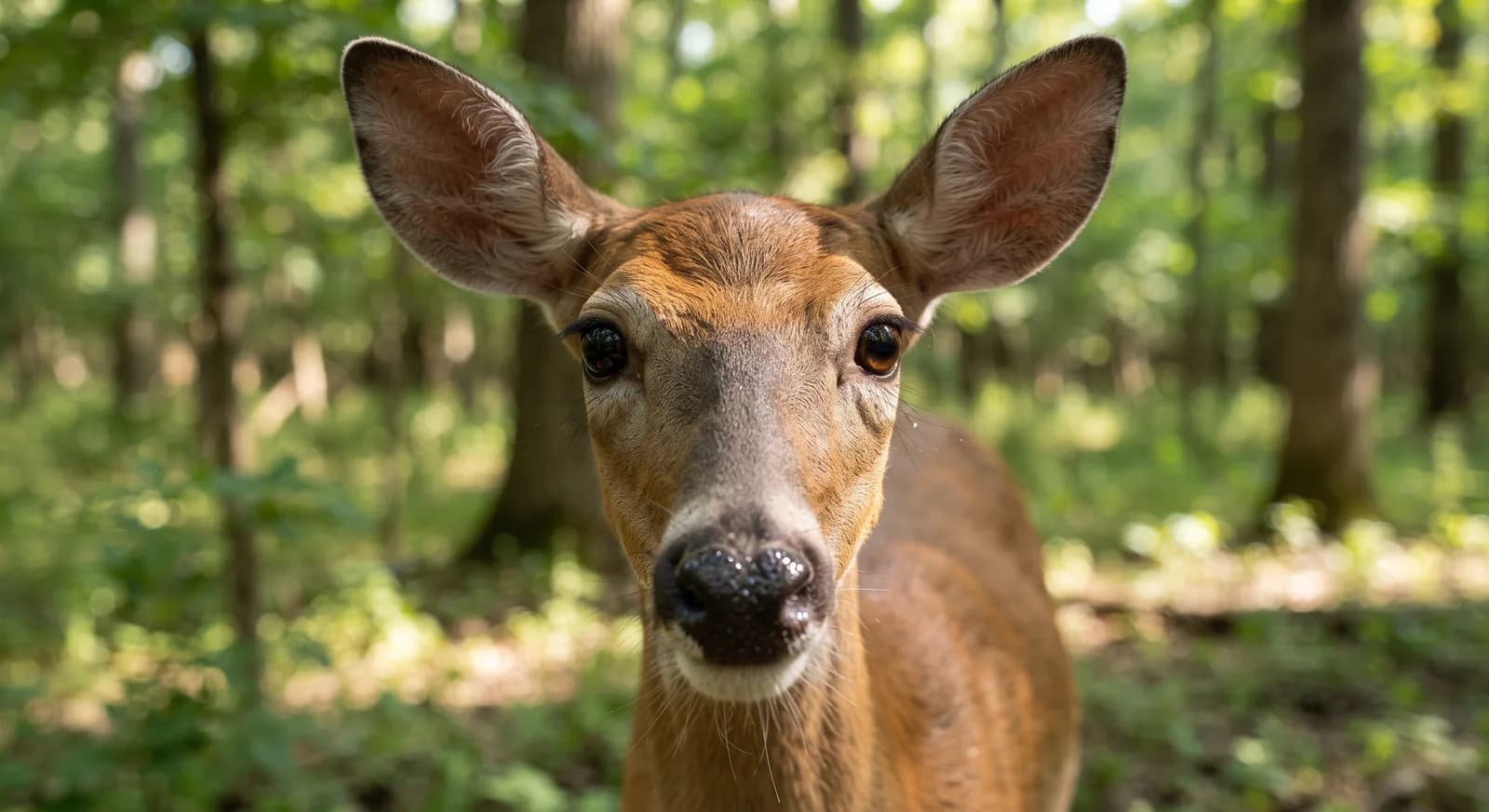
White-tailed DeerLeast Concern

White-tailed Deer

Odocoileus virginianus

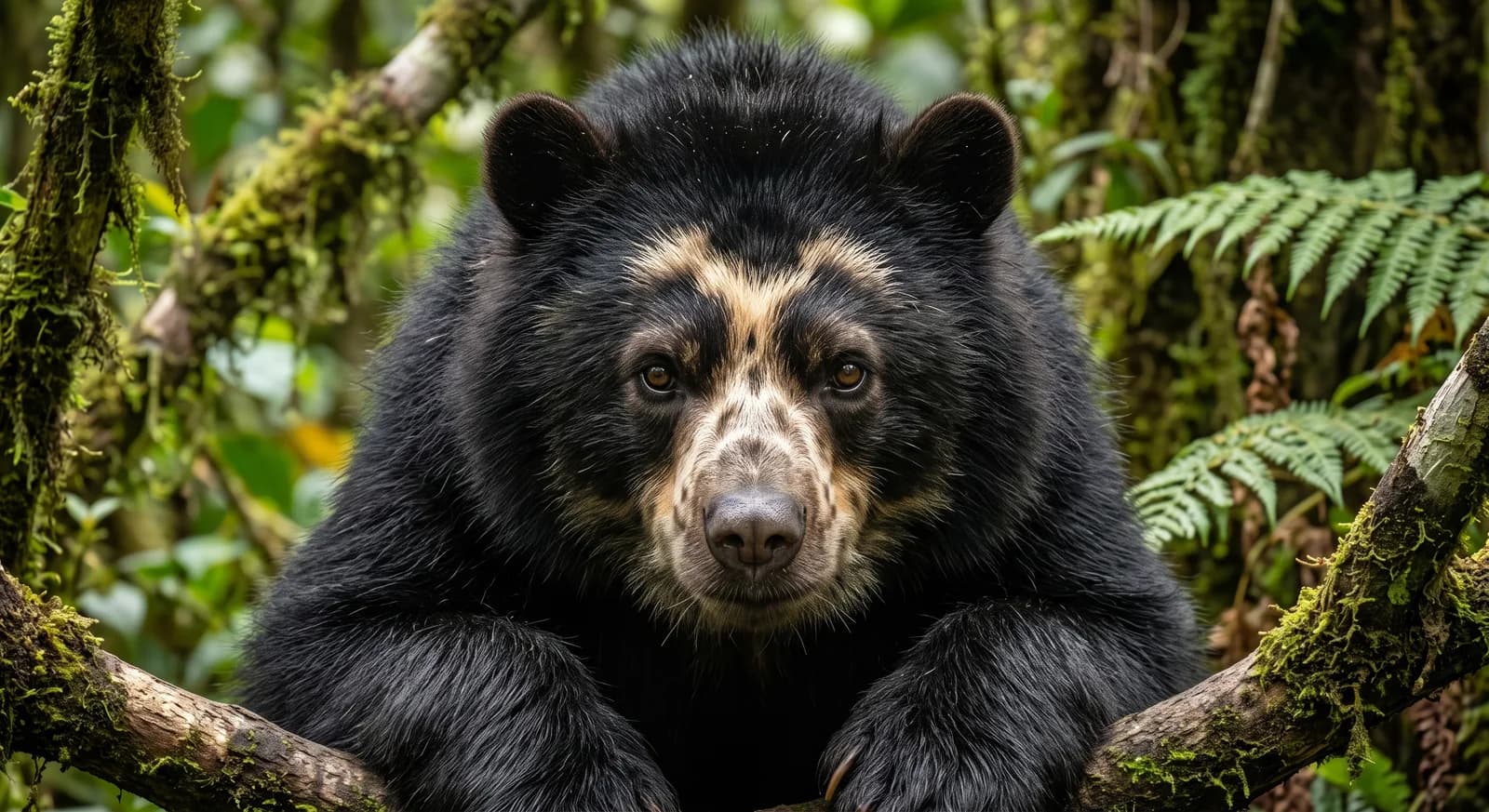
Andean BearVulnerable

Andean Bear

Tremarctos ornatus

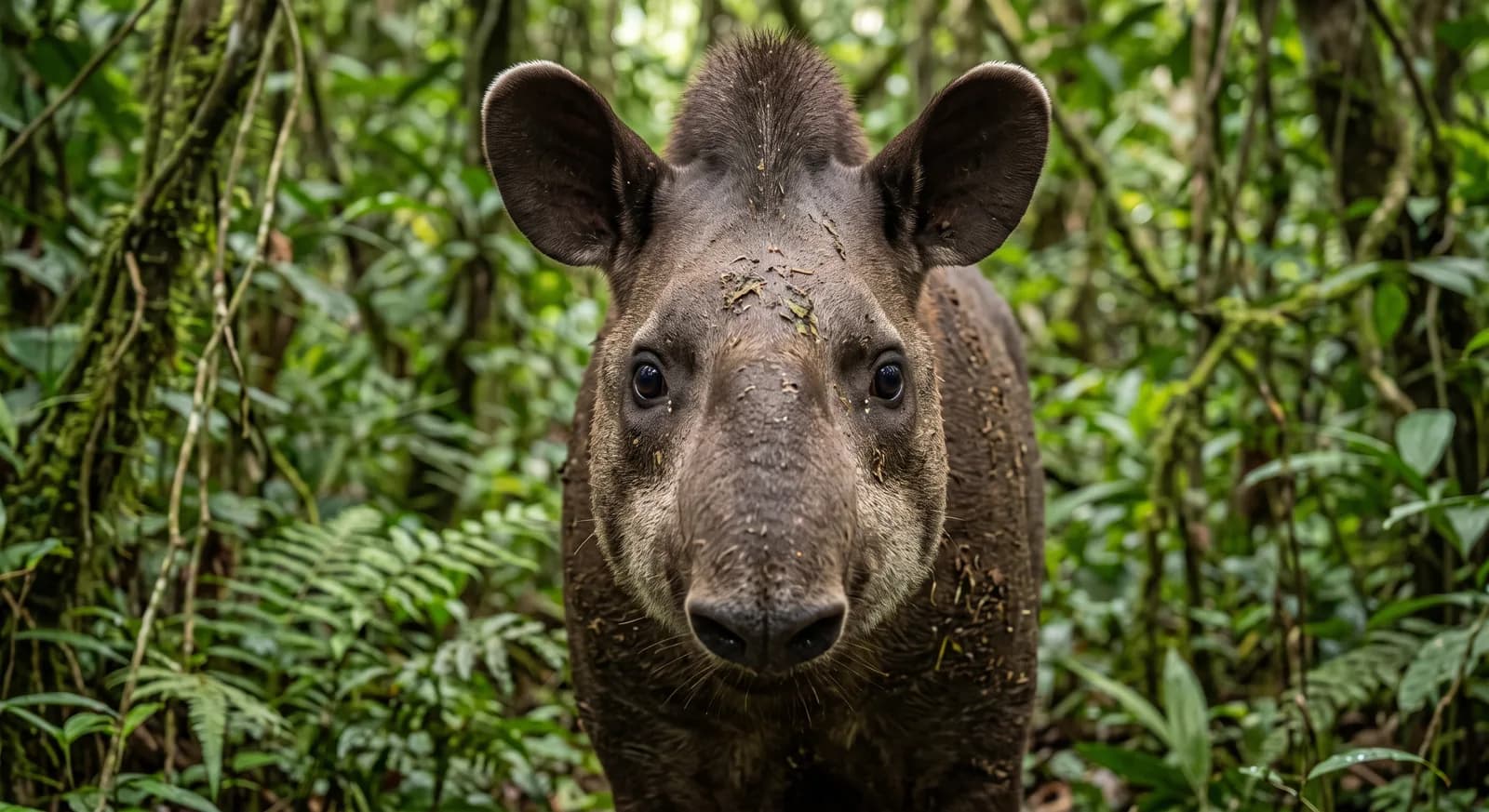
Lowland TapirVulnerable

Lowland Tapir

Tapirus terrestris

Vulnerable

Northern Tiger Cat

Leopardus tigrinus

Military MacawVulnerable

Military Macaw

Ara militaris

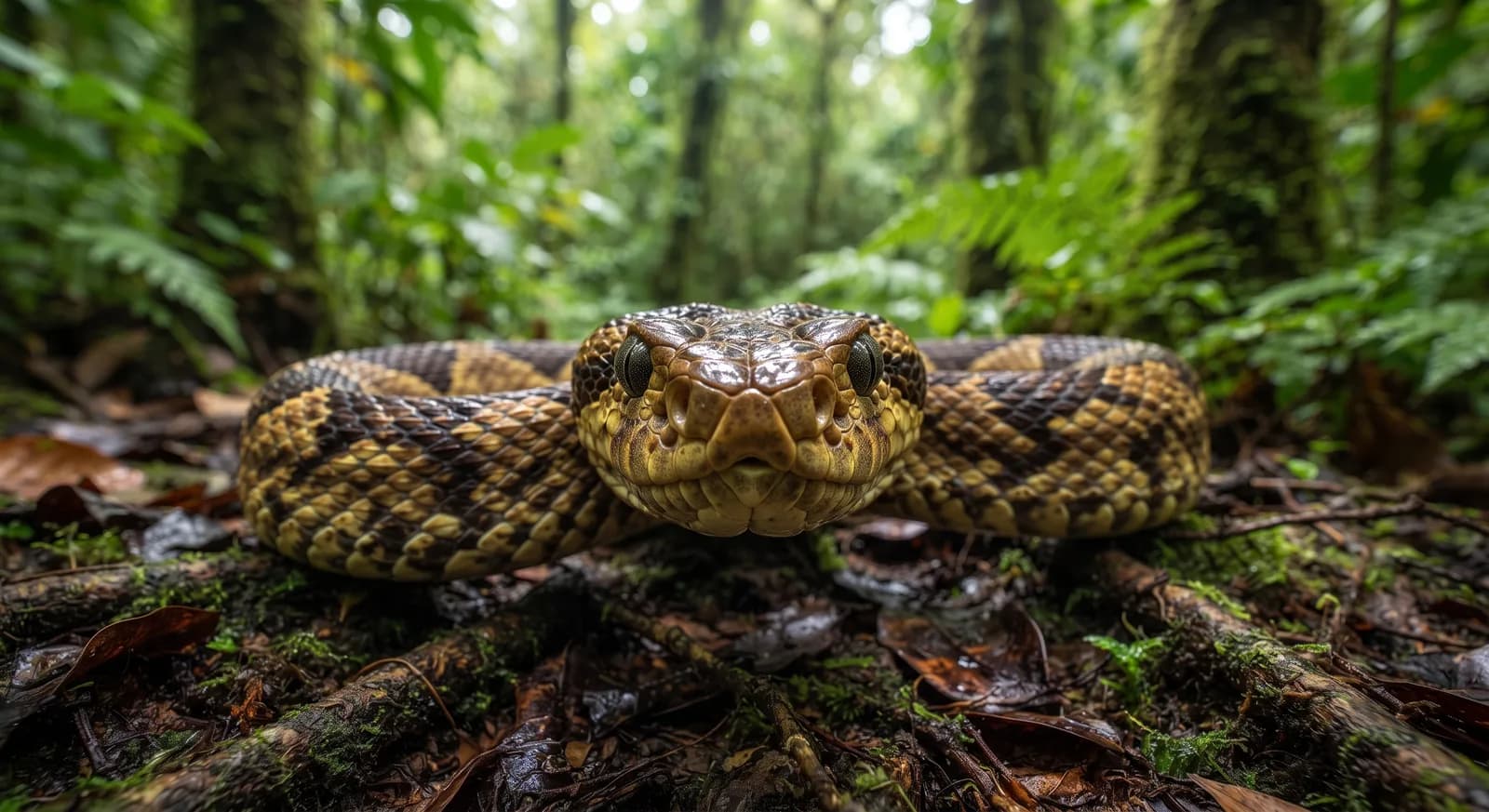
South American BushmasterVulnerable

South American Bushmaster

Lachesis muta

CountriesEcuador
ParksSangayEcuador
TagsHerbivore
Herbivore
Crepuscular
Solitary
Vulnerable
Rainforest
Mountain
Mammal
Ecuador
Colombia
Peru