Skip to content
WAnimals
  • Map
  • Species
  • Parks
  • Diving
Log inCreate account
WAnimals

The guide for travellers and animal lovers: discover, plan and share your wild adventures around the world.

Discover wildlife

  • Species
  • Ecosystems
  • Glossary
  • Tags

Explore places

  • Map
  • Countries
  • Parks
  • Diving

Plan experiences

  • Guides

Learn

  • Blog

Resources

  • About us
  • How we build our profiles
  • Help centre
  • Contact
  • Install the app

Follow us

Account

  • Log in
  • Create account

© 2026 WAnimals. All rights reserved.

Terms of servicePrivacyCookiesLegal notice
MapSpeciesParksDiving
  1. Home
  2. Species
  3. Canada Jay

One of the 4 jays on WAnimals

Birds · Passeriformes · Corvidae

Canada Jay

Perisoreus canadensis

Least Concern

The species is abundant and widely distributed; it faces no significant short-term risk.

Spotted something wrong?

The Canada jay, better known as the gray jay, is a soft grey corvid of the North American taiga, famous for its complete trust in people: it will land on a hiker's hand to take food. It survives winters of forty below zero by storing thousands of items of food stuck to the trees with its saliva.

Weight

65 g – 80 g

Size

25 cm – 33 cm

Life expectancy

19 years

Diet

Omnivore

Combines animal and plant food depending on availability.

Activity

Diurnal

Active mainly during the day.

Social structure

In pairs

Usually lives in pairs, sometimes for life.

Temperate forestMountainTundra
2countries12same family

Fun facts

  • It stores food by gluing it to branches with its saliva, which acts as a preservative: it makes tens of thousands of caches every summer and recovers them under the snow through the winter thanks to an extraordinary spatial memory.
  • It breeds in the depths of the boreal winter, in February and March, incubating eggs at thirty degrees below zero: it is one of the birds that breeds in the coldest conditions on the planet.
  • It is Canada's unofficial national bird following a public vote in 2016, although the official designation was never formalised.

Life cycle and biology

Skeleton type
Vertebrate - internal bony skeleton (bird)
Habitat and environment
Boreal spruce and fir forest of Canada, Alaska and the northern United States
Sexual maturity
12 months
Gestation / incubation
17 days
Litter / clutch size
3

Sources consulted: IUCN Red List · Animal Diversity Web · Wikipedia (es)

Where to find it

Loading map…

Related species

Other species in the catalogue with the most in common with Canada Jay — same habitat, park, country, tags or family.

Same taxonomic family

Keep exploring

Based on what we already know about canada jay.
Share an experience, a fun fact or a tip for seeing the canada jay.
See full glossary
This page in other languages: Español · Deutsch · Français · Português · Italiano
See its range on the interactive map→
Least Concern

Blue Jay

Cyanocitta cristata

Clark's NutcrackerLeast Concern

Clark's Nutcracker

Nucifraga columbiana

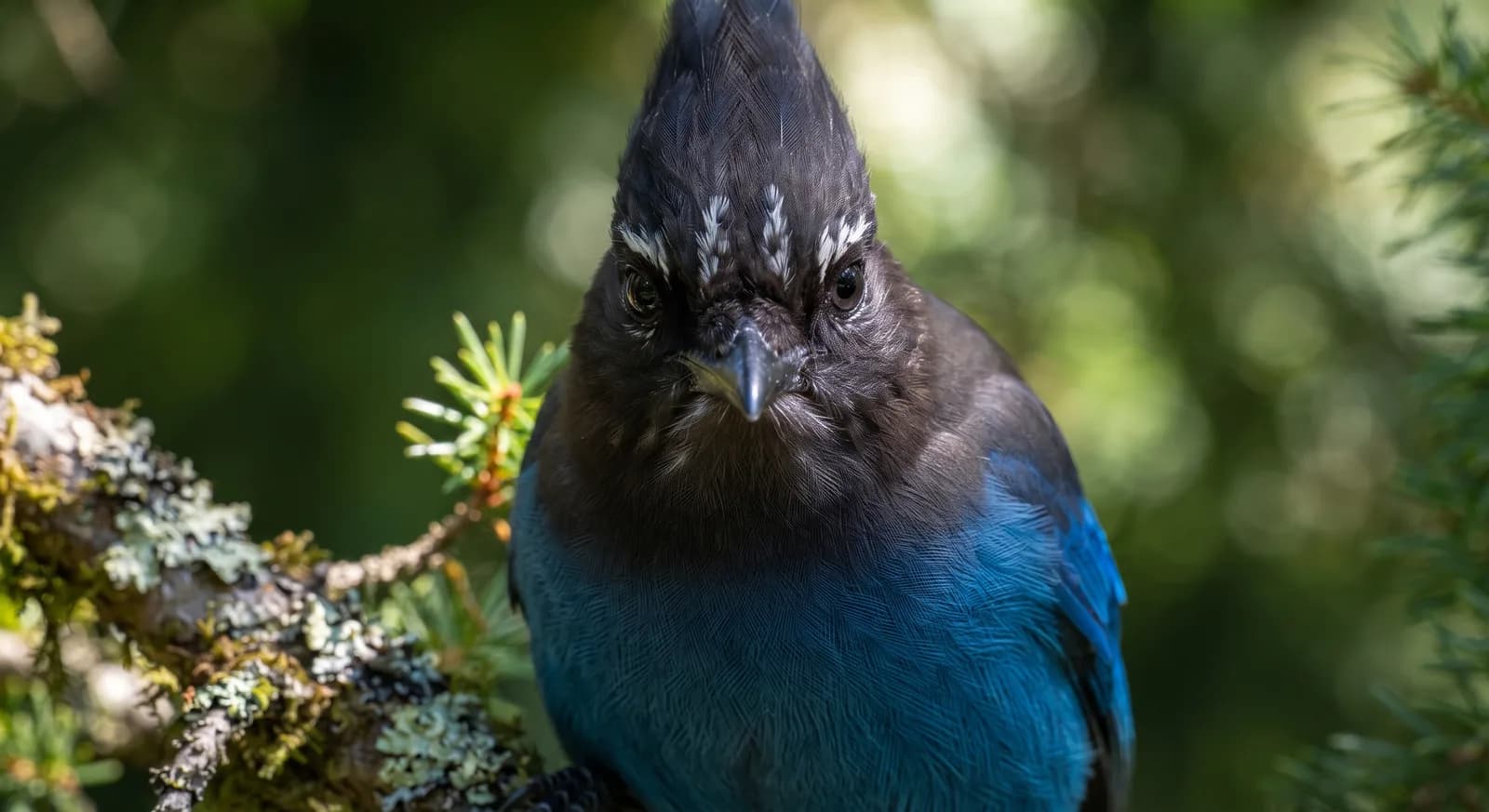
Steller's JayLeast Concern

Steller's Jay

Cyanocitta stelleri

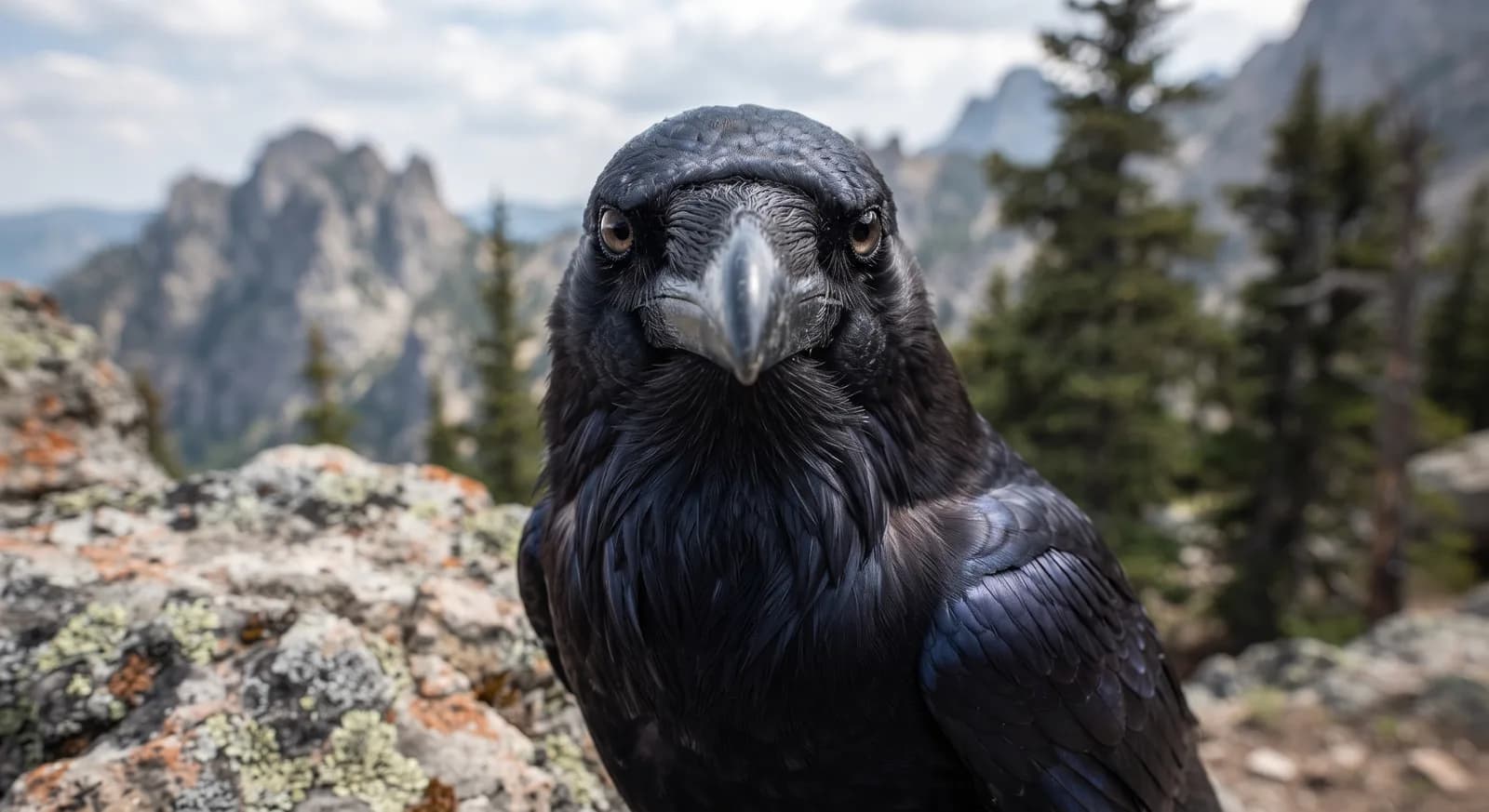
Common RavenLeast Concern

Common Raven

Corvus corax

Least Concern

Iberian Azure-winged Magpie

Cyanopica cooki

Least Concern

Northern Nutcracker

Nucifraga caryocatactes

CountriesCanada
TagsOmnivore
Omnivore
Diurnal
In pairs
Bird
Temperate forest
Mountain
Tundra
Canada
United States