Skip to content
WAnimals
  • Map
  • Species
  • Parks
  • Diving
Log inCreate account
WAnimals

The guide for travellers and animal lovers: discover, plan and share your wild adventures around the world.

Discover wildlife

  • Species
  • Ecosystems
  • Glossary
  • Tags

Explore places

  • Map
  • Countries
  • Parks
  • Diving

Plan experiences

  • Guides

Learn

  • Blog

Resources

  • About us
  • How we build our profiles
  • Help centre
  • Contact
  • Install the app

Follow us

Account

  • Log in
  • Create account

© 2026 WAnimals. All rights reserved.

Terms of servicePrivacyCookiesLegal notice
MapSpeciesParksDiving
  1. Home
  2. Species
  3. Green Jay

One of the 3 magpies on WAnimals

Birds · Passeriformes · Corvidae

Green Jay

Cyanocorax yncas

Least Concern

The species is abundant and widely distributed; it faces no significant short-term risk.

Spotted something wrong?

The green jay is a small, spectacular corvid of the Andean cloud forests: bright green above, yellow below, with a black face, a crown of electric-blue feathers and yellow eyes. It lives in noisy family groups that work the understorey and middle storey, and it breeds cooperatively. Like all corvids it is highly intelligent and notably opportunistic.

Weight

76 g – 88 g

Size

25 cm – 30 cm

Life expectancy

15 years

Diet

Omnivore

Combines animal and plant food depending on availability.

Activity

Diurnal

Active mainly during the day.

Social structure

Family group

Lives in small family groups with close bonds.

RainforestMountain
6countries23parks12same family

Fun facts

  • It has been documented using twigs as tools to extract grubs from bark, one of the few American corvids in which that behaviour has been seen.
  • Its crown of electric-blue feathers is erectile: it raises them in social interactions and lays them flat the rest of the time, completely changing the bird's outline.

Life cycle and biology

Skeleton type
Vertebrate - internal bony skeleton (bird)
Habitat and environment
Montane cloud forest, forest edges and shade-grown coffee plantations of the northern Andes
Birth weight
Altricial: born blind, naked or with sparse down and entirely dependent
Size at birth
Altricial: born blind, naked or with sparse down and entirely dependent
Sexual maturity
12 months
Gestation / incubation
17 days
Litter / clutch size
4

Sources consulted: Wikipedia (es): Cyanocorax yncas

Where to find it

Best time: All year round in the forests of Mexico, Central America and the Andes, by day; it moves in noisy groups through the understorey.

Loading map…

The pins mark the parks where its presence is documented.

Where to see it

Parks and dive sites where this species has been documented — showing 10 of 23.

Related species

Other species in the catalogue with the most in common with Green Jay — same habitat, park, country, tags or family.

Same taxonomic family
Shares a park
Shares a park
Shares a park
Shares a park

Keep exploring

Based on what we already know about green jay.
Share an experience, a fun fact or a tip for seeing the green jay.
See full glossary
This page in other languages: Español · Deutsch · Français · Português · Italiano
See its range on the interactive map→
Sierra GordaMexico
HuascaránPeru
CotopaxiEcuador
SangayEcuador
TayronaColombia
Sierra Nevada de Santa MartaColombia
Los NevadosColombia
El CocuyColombia
SajamaBolivia
CutervoPeru
See all 23 parks
Clark's NutcrackerLeast Concern

Clark's Nutcracker

Nucifraga columbiana

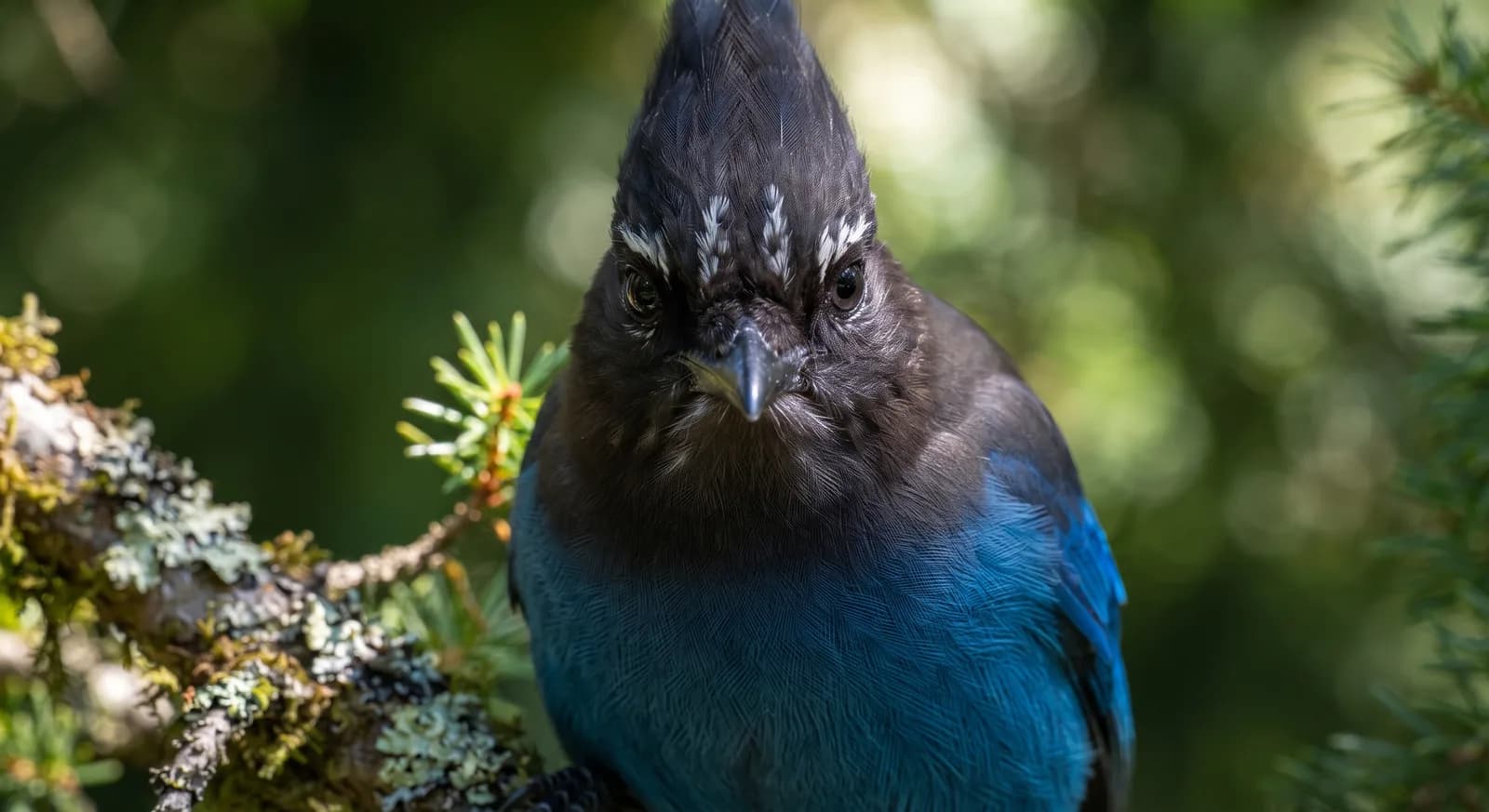
Steller's JayLeast Concern

Steller's Jay

Cyanocitta stelleri

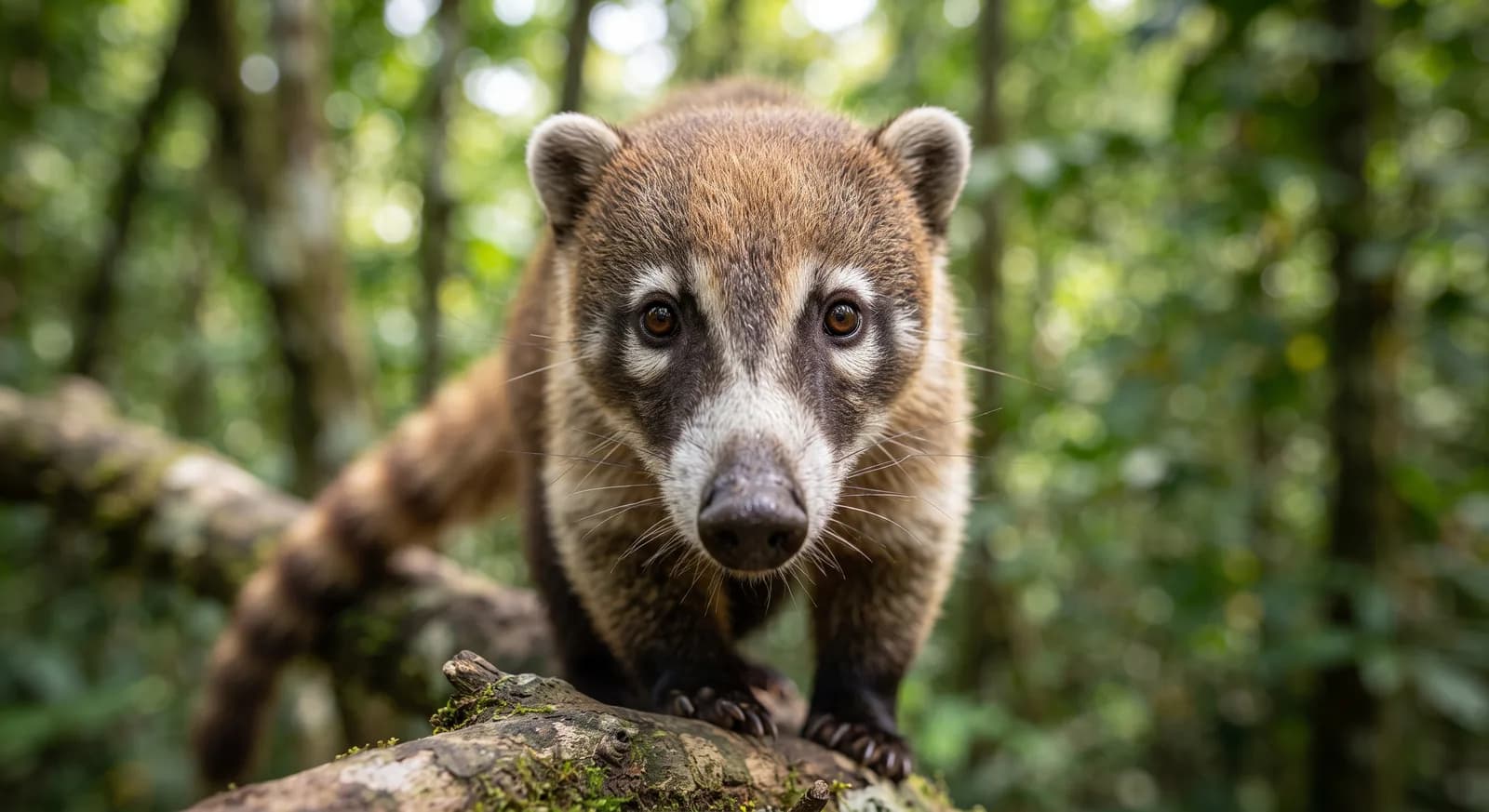
White-nosed CoatiLeast Concern

White-nosed Coati

Nasua narica

Crested GuanLeast Concern

Crested Guan

Penelope purpurascens

Least Concern

Collared Trogon

Trogon collaris

Least Concern

American Robin

Turdus migratorius

CountriesEcuador
ParksSierra GordaMexico
TagsOmnivore
Omnivore
Diurnal
Family group
Bird
Rainforest
Mountain
Ecuador
Colombia
Peru
Bolivia
Mexico
Venezuela