Skip to content
WAnimals
  • Map
  • Species
  • Parks
  • Diving
Log inCreate account
WAnimals

The guide for travellers and animal lovers: discover, plan and share your wild adventures around the world.

Discover wildlife

  • Species
  • Ecosystems
  • Glossary
  • Tags

Explore places

  • Map
  • Countries
  • Parks
  • Diving

Plan experiences

  • Guides

Learn

  • Blog

Resources

  • About us
  • How we build our profiles
  • Help centre
  • Contact
  • Install the app

Follow us

Account

  • Log in
  • Create account

© 2026 WAnimals. All rights reserved.

Terms of servicePrivacyCookiesLegal notice
MapSpeciesParksDiving
  1. Home
  2. Species
  3. American Robin

One of the 2 robins on WAnimals

Birds · Passeriformes · Turdidae

American Robin

Turdus migratorius

Least Concern

The species is abundant and widely distributed; it faces no significant short-term risk.

Spotted something wrong?

The American robin is a species of passerine bird of the thrush family. It is widely distributed in North America from northern Canada and Alaska. It winters in the states of Florida and California; and in Mexico, Guatemala and Belize. It is the official bird of the states of Connecticut, Michigan and Wisconsin. In Mexico it lives in twenty-nine of its thirty-two states; those where it has not been recorded are Tabasco, Chiapas and Campeche.

Weight

59 g – 94 g

Size

20 cm – 28 cm

Life expectancy

14 years

Diet

Omnivore

Combines animal and plant food depending on availability.

Activity

Diurnal

Active mainly during the day.

Social structure

In pairs

Usually lives in pairs, sometimes for life.

Temperate forestMountainGrassland
7countries88parks7same family

Fun facts

  • sentidosIt finds earthworms underground by sound and vibration as well as by sight, its main sense, several behavioural studies suggest.
  • It is not a robin: it is a thrush of the same genus as the European blackbird, and it owes its name to the English settlers who saw its orange breast and applied the name of the bird from home.
  • It locates worms by tilting its head, and for a long time it was thought to be listening: experiments have shown that it is in fact looking at them with one eye, because its eyes are on the sides of its head.
  • The intense turquoise blue of its eggs is so distinctive that it gives its name to a colour in English, and it is one of the most recognisable eggs in the world.

Life cycle and biology

Skeleton type
Vertebrate - internal bony skeleton (bird)
Habitat and environment
Woodland, grassland, orchards, parks and gardens throughout North America
Birth weight
Altricial: born blind, naked or with sparse down and entirely dependent
Size at birth
Altricial: born blind, naked or with sparse down and entirely dependent
Sexual maturity
12 months
Gestation / incubation
13 days
Litter / clutch size
3

Sources consulted: Wikipedia (es): Turdus migratorius

Where to find it

Best time: All year round in North America; in spring it is very conspicuous on lawns and in parks, pulling up earthworms.

Loading map…

Where to see it

Parks and dive sites where this species has been documented — showing 10 of 88.

Related species

Other species in the catalogue with the most in common with American Robin — same habitat, park, country, tags or family.

Same taxonomic family
Shares a park
Shares a park
Shares a park
Shares a park
Shares a park

Keep exploring

Based on what we already know about american robin.

Share an experience, a fun fact or a tip for seeing the american robin.
See full glossary
This page in other languages: Español · Deutsch · Français · Português · Italiano

The pins mark the parks where its presence is documented.

See its range on the interactive map→
Yellowstone National ParkUnited States
YosemiteUnited States
EvergladesUnited States
GlacierUnited States
Great Smoky MountainsUnited States
RedwoodUnited States
DenaliUnited States
AcadiaUnited States
OlympicUnited States
Glacier BayUnited States
See all 88 parks
Least Concern

Eastern Bluebird

Sialia sialis

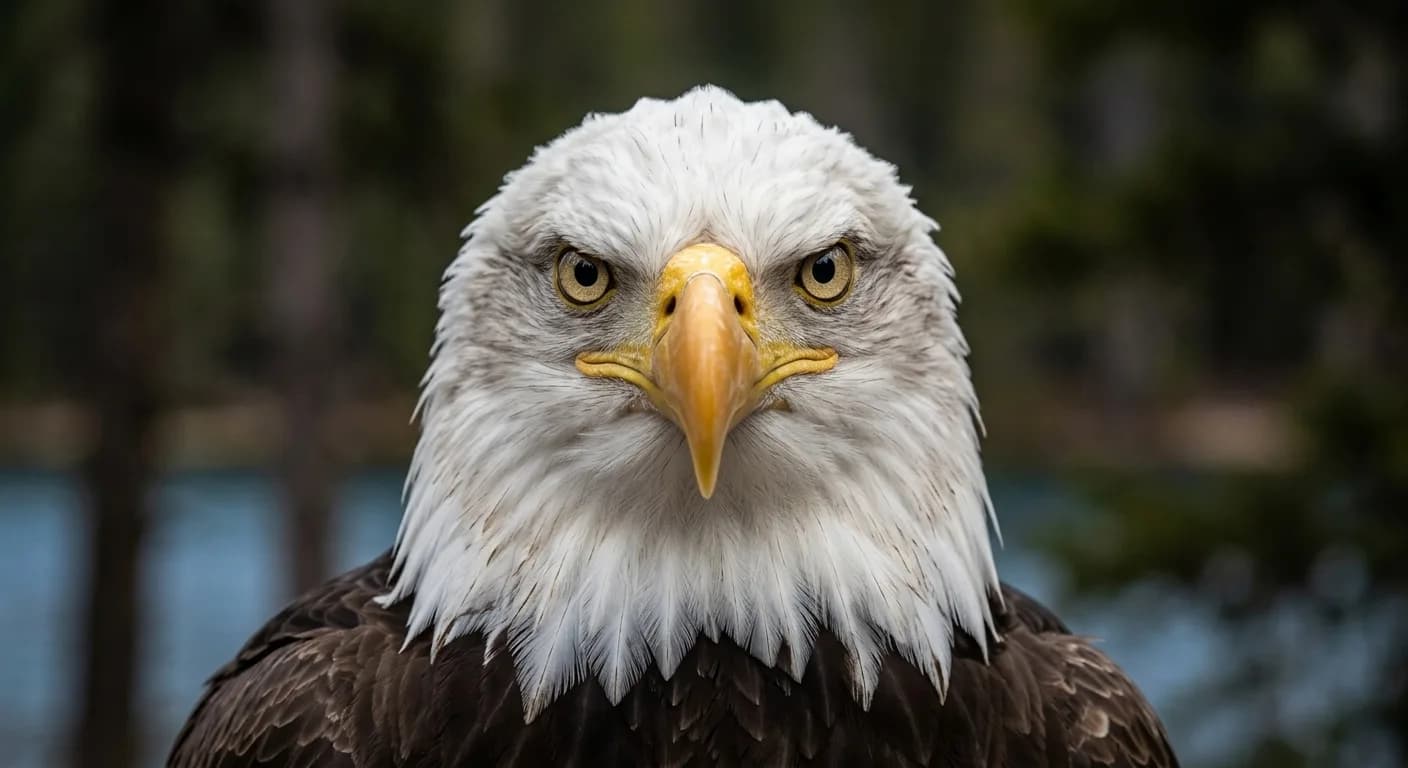
Bald EagleLeast Concern

Bald Eagle

Haliaeetus leucocephalus

Least Concern

Wood Duck

Aix sponsa

Least Concern

Wild Turkey

Meleagris gallopavo

Least Concern

Mourning Dove

Zenaida macroura

Greater RoadrunnerLeast Concern

Greater Roadrunner

Geococcyx californianus

CountriesUnited States
ParksYellowstone National ParkUnited States
TagsOmnivore
Omnivore
Diurnal
In pairs
Bird
Temperate forest
Mountain
Grassland
United States
Canada
Mexico
Bahamas
Belize
Cuba
Guatemala