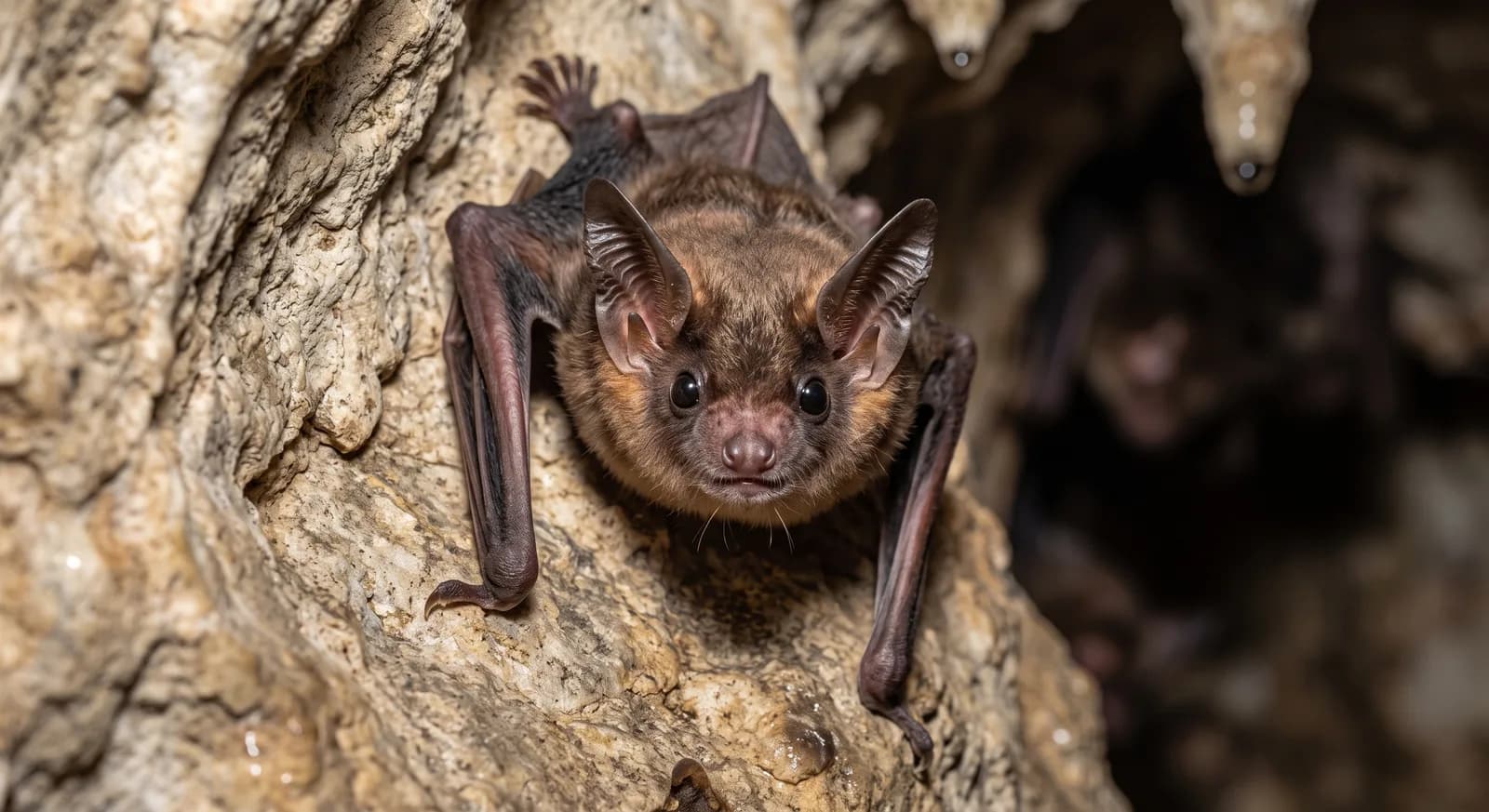
 Least Concern
Mexican Free-tailed Bat
Tadarida brasiliensis
One of the largest protected areas on the planet, a mixed property of islands and atolls in the north-western Hawaiian chain.
Area
362,075 km²
Designated in
2010
Region
Overseas territories
North-western Hawaiian atolls and seamounts
Papahānaumokuākea takes in the chain of islands, atolls, reefs and seamounts that stretches some 1,900 kilometres north-west of the main Hawaiian archipelago. UNESCO inscribed it in 2010 as a MIXED property, recognising both its natural values and its cultural significance for the Hawaiian people.
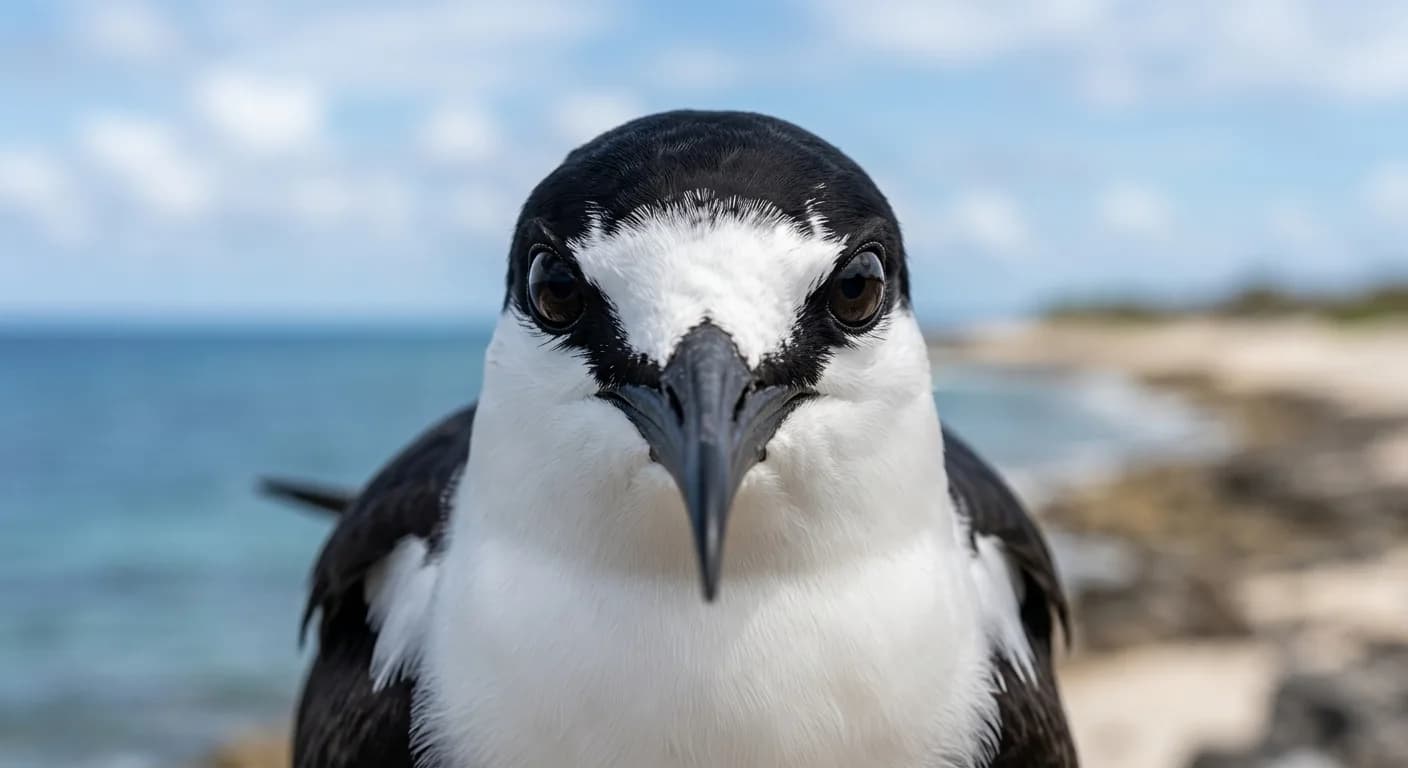
Its natural dimension is hard to overstate: it is one of the largest protected marine areas in the world and holds practically intact reef ecosystems, with a very high proportion of endemic species, more than half in some groups. It is the last refuge of the Hawaiian monk seal, one of the most threatened pinnipeds on the planet, a nesting ground for the Hawaiian green turtle and home to millions of seabirds, among them the largest Laysan albatross colony in the world and land species confined to a single atoll, such as the Laysan duck.
The cultural component is inseparable: the name alludes to Papahānaumoku and Wākea, the deities from whom, in Hawaiian cosmogony, the archipelago and its people descend. The islands of Nihoa and Mokumanamana preserve archaeological sites with temples and cultivation terraces, and Mokumanamana lies exactly on the Tropic of Cancer, a point of great significance in Hawaiian cosmology as the boundary between the world of the living and that of the ancestors. Management is shared between federal agencies, the state of Hawaii and the Office of Hawaiian Affairs.
Ecosystems found in the United States, where Papahānaumokuākea lies.
What is worth looking out for this month in the United States?
Now is a good time: Urban bat colony under Congress Avenue Bridge (March to November (peak in summer))
Which other parks are like this one?
Same country: United States
Same country: United States
Same country: United States
Same country: United States
Based on what we already know about this park.
Climate
Tropical, Arid / desert, Temperate, Mediterranean, Polar / cold
Best season
It depends on the region
Threatened:,,,,,
Endemic species of the United States:
 United States