Skip to content
WAnimals
  • Map
  • Species
  • Parks
  • Diving
Log inCreate account
WAnimals

The guide for travellers and animal lovers: discover, plan and share your wild adventures around the world.

Discover wildlife

  • Species
  • Ecosystems
  • Glossary
  • Tags

Explore places

  • Map
  • Countries
  • Parks
  • Diving

Plan experiences

  • Guides

Learn

  • Blog

Resources

  • Help centre
  • Contact
  • Install the app

Follow us

Account

  • Log in
  • Create account

© 2026 WAnimals. All rights reserved.

About usHow we build our profilesTerms of servicePrivacyLegal notice
MapSpeciesParksDiving
  1. Home
  2. Species
  3. Hawaiian Petrel

One of the 6 petrels on WAnimals
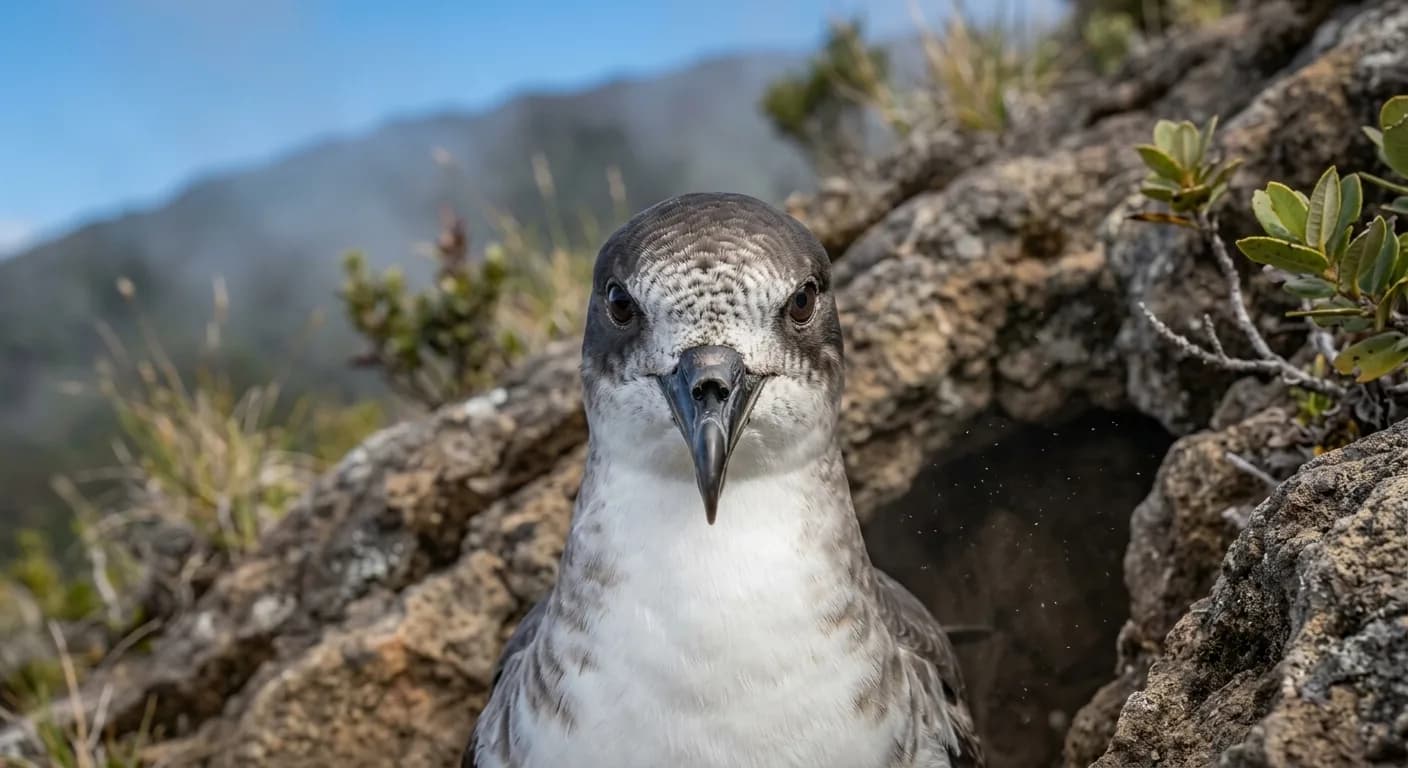
Hawaiian Petrel (Pterodroma sandwichensis)

Birds · Procellariiformes · Procellariidae

Hawaiian Petrel

Pterodroma sandwichensis

Endangered

At very high risk of extinction in the wild in the near future.

Spotted something wrong?

The Hawaiian petrel or ua'u breeds in burrows dug on the high slopes of the Hawaiian volcanoes, including the Haleakala caldera at an altitude of more than two thousand metres, and feeds on the open sea hundreds of kilometres away. It only enters the colony at night. Introduced rats, cats and mongooses, together with collisions with power lines and artificial lights, have reduced it to a few thousand pairs.

Weight

400 g – 500 g

Size

40 cm – 46 cm

Life expectancy

30 years

Diet

Carnivore

Feeds mainly on other animals.

Activity

Nocturnal

Active mainly at night.

Social structure

Colony

Lives in large concentrations, often for breeding reasons.

Sighting difficulty

Hard

MountainOceanIslands
1countries3parks10same family

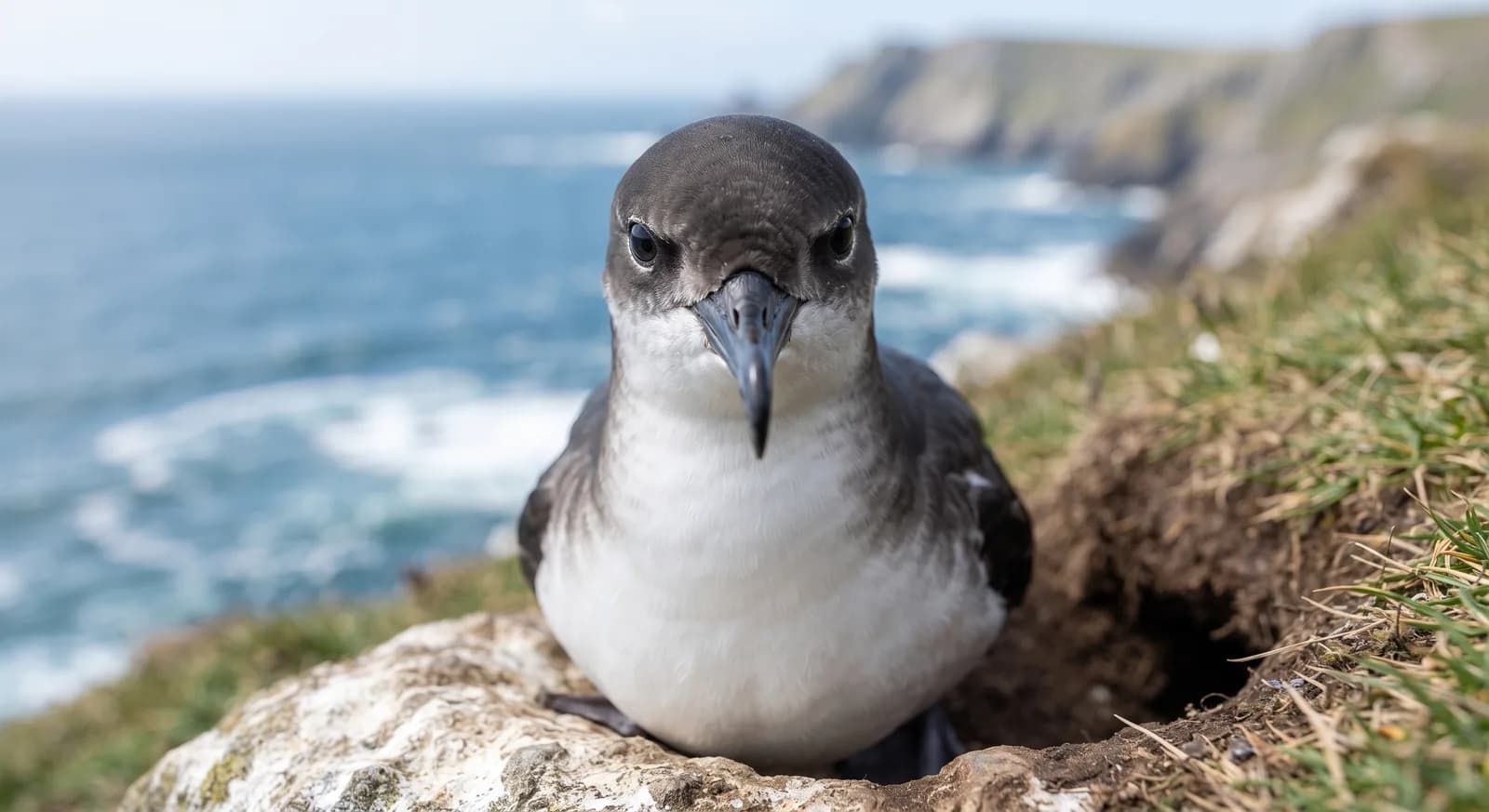
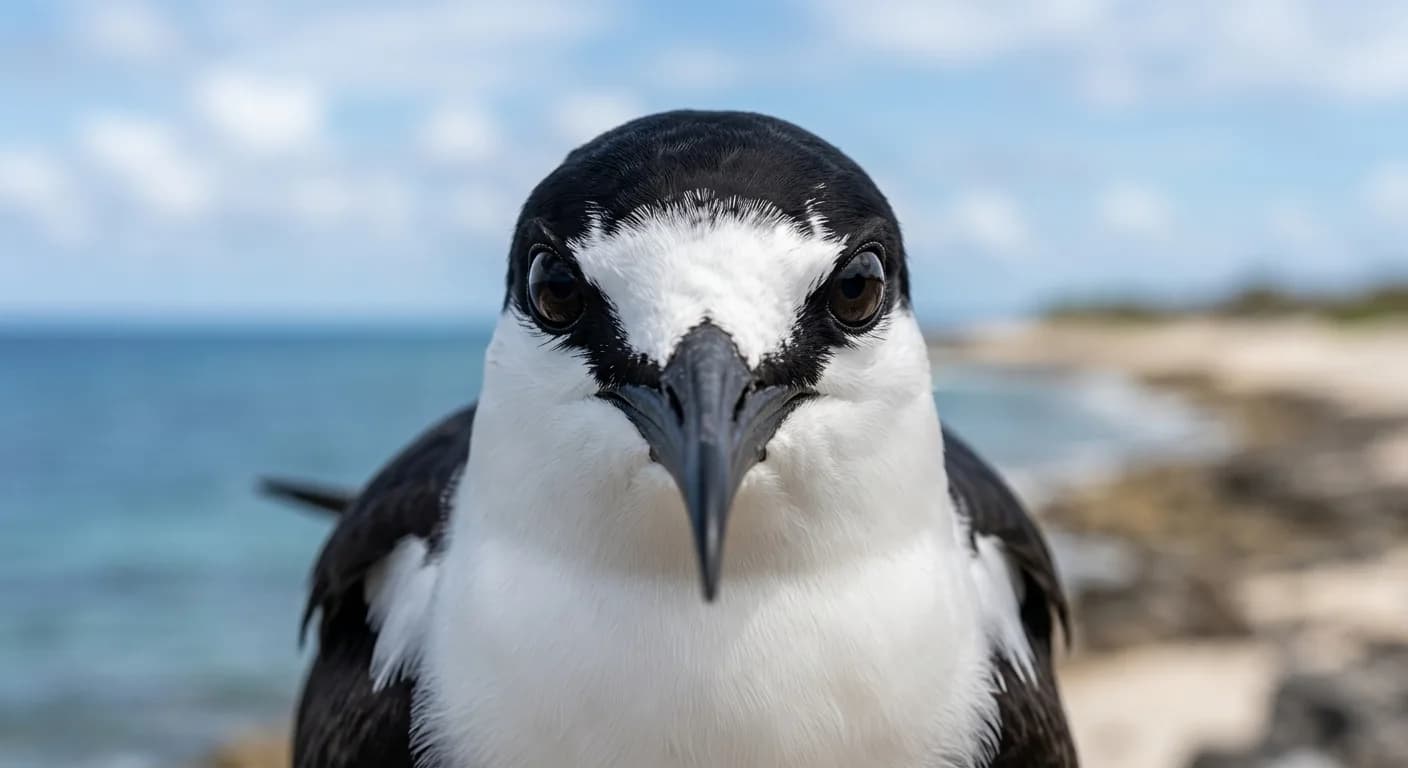
AI-generated images: illustrations, not photographs.

Fun facts

  • It nests in burrows above two thousand metres on the volcanic summits of Hawaii, and makes round trips of hundreds of kilometres to the sea every night to feed a single chick.
  • Isotopic analysis of bones of this species found at Hawaiian sites has made it possible to reconstruct how the food web of the North Pacific has changed over the last 4,000 years.

Life cycle and biology

Skeleton type
Vertebrate - internal bony skeleton (bird)
Habitat and environment
The tropical North Pacific; breeds in burrows on the volcanic summits of Hawaii, up to 3,000 metres
Sexual maturity
6 years
Gestation / incubation
55 days of incubation
Litter / clutch size
1 egg

Sources consulted: https://es.wikipedia.org/wiki/Pterodroma_sandwichensis

Where to find it

Loading map…

The pins mark the parks where its presence is documented.

Where to see it

Parks and dive sites where this species has been documented.

Related species

Other species in the catalogue with the most in common with Hawaiian Petrel — same habitat, park, country, tags or family.

Same taxonomic family
Shares a park
Same taxonomic family
Shares a park
Shares a park

How to help

The hawaiian petrel is classified as endangered. Organisations such as the IUCN, WWF and the Wildlife Conservation Society work specifically on its conservation and that of its habitat; looking into their programmes is a good starting point if you want to get involved.

It's documented in 3 protected areas — one reason why protecting these places matters for its conservation.

Keep exploring

Based on what we already know about hawaiian petrel.

Comments

Share an experience, a fun fact or a tip for seeing the hawaiian petrel.

Be the first to comment.

See full glossary
This page in other languages: Español · Deutsch · Français · Português · Italiano
See its range on the interactive map→
Hawaii VolcanoesUnited States
HaleakalaUnited States
PapahānaumokuākeaUnited States
Critically Endangered

Newell's Shearwater

Puffinus newelli

Hawaiian Monk SealEndangered

Hawaiian Monk Seal

Neomonachus schauinslandi

Manx ShearwaterLeast Concern

Manx Shearwater

Puffinus puffinus

Least Concern

Northern Fulmar

Fulmarus glacialis

Sooty TernLeast Concern

Sooty Tern

Onychoprion fuscatus

Red-footed BoobyLeast Concern

Red-footed Booby

Sula sula

CountriesUnited States
ParksHawaii VolcanoesUnited States
TagsCarnivore
Carnivore
Nocturnal
Colonial
Endangered
Bird
Mountain
Ocean
Islands
United States