 Least Concern
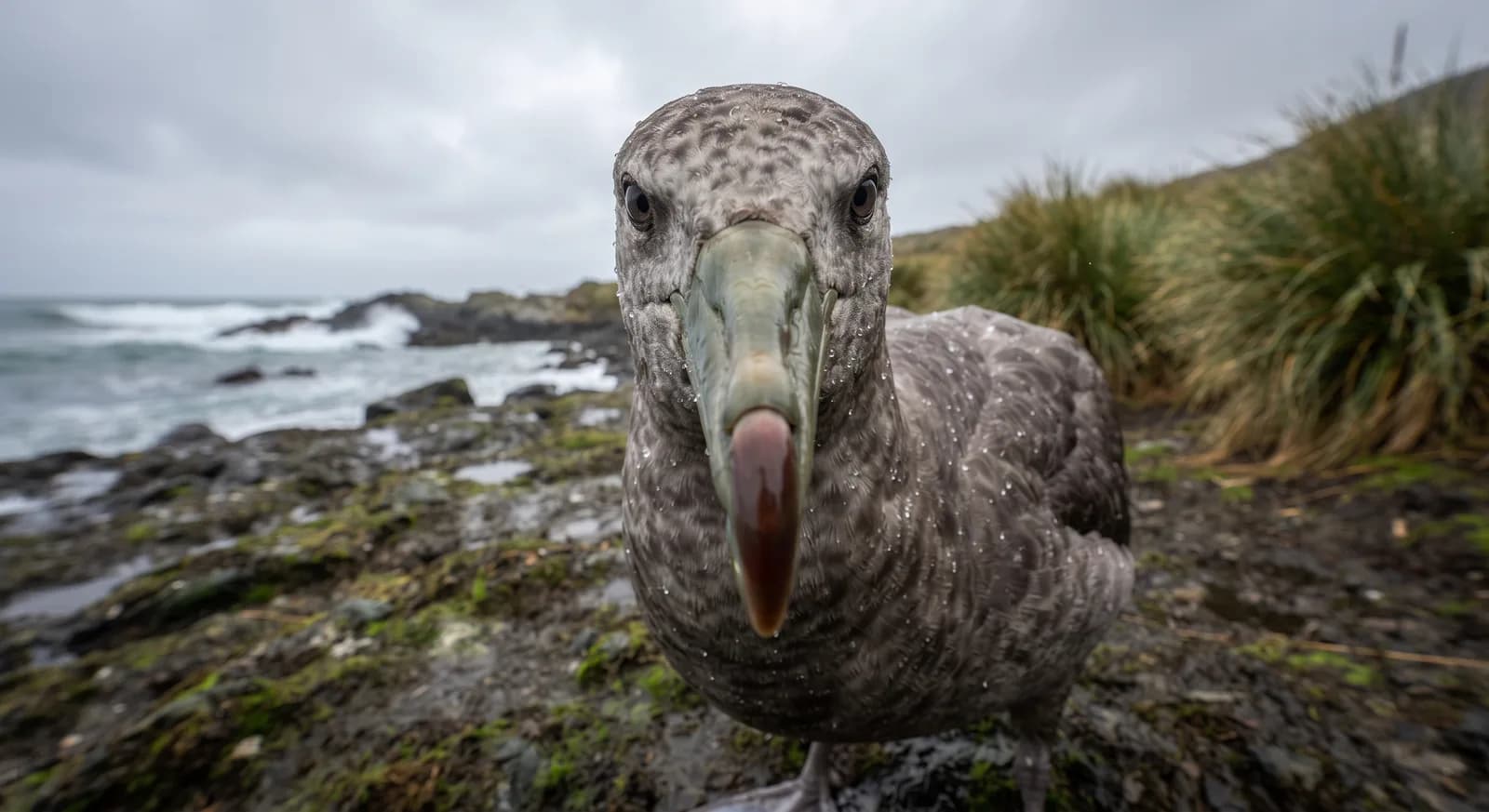
Southern Giant Petrel
Macronectes giganteus
11 countries24 parks
Species group · Birds
WAnimals has 6 species of petrel, spread across 2 families (Pelecanoididae, Procellariidae).
Each one has its own full profile. This group does not replace them: it brings them together.
1 species in this group is in a threatened category according to the IUCN.
Recorded in 17 countries. The ones with the most species in the group:
A scavenger at penguin and seal colonies; its wingspan reaches 2 m.
From
It eats both carrion and live prey, other seabirds' chicks included, and behaves more like a predator than most of its petrel relatives.
From
It is the only seabird of the Southern Ocean able to open the skin of a dead seal by itself: its hooked, massive bill gives it access to a resource no other species can exploit unaided.
From
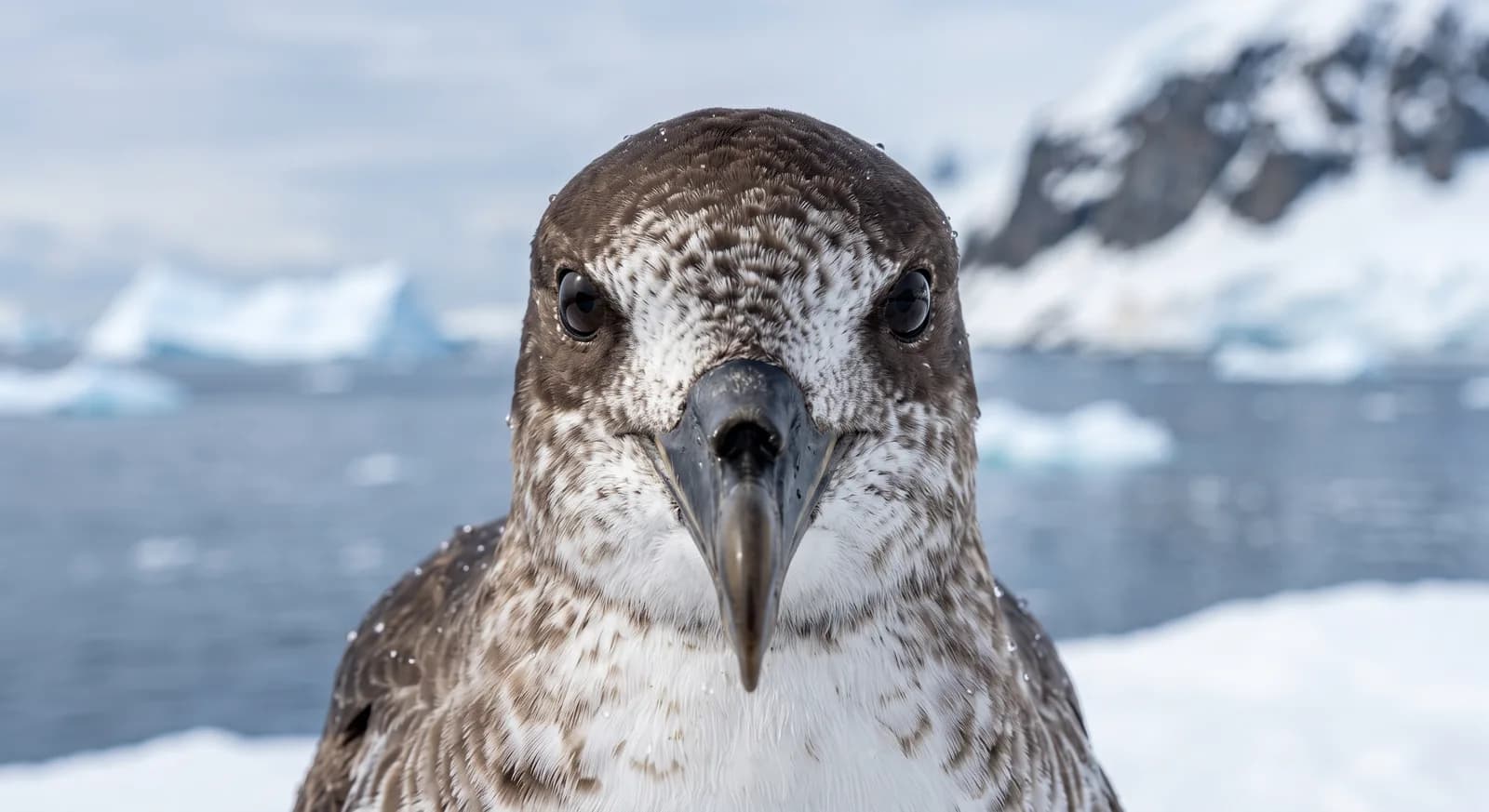
Its black-and-white mottled back is so distinctive that no other seabird in the southern hemisphere resembles it, and 19th-century whalers called it the Cape pigeon.
From
It feeds by swimming and filtering: it takes in surface water and forces it out again, holding back the krill with the lamellae of its bill, a method more like a duck's than a petrel's.
From
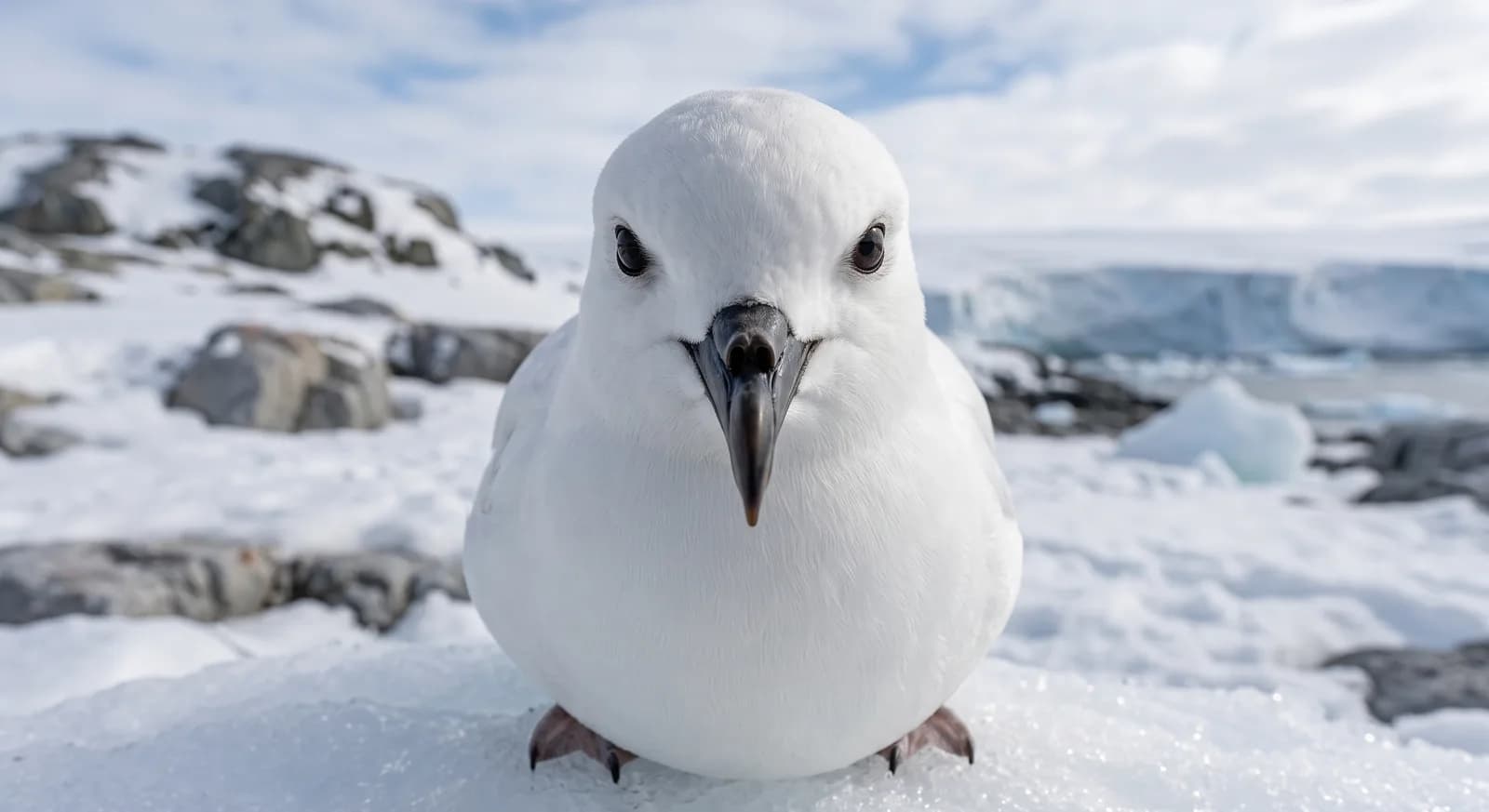
It breeds hundreds of kilometres inland in Antarctica, on nunataks protruding from the ice cap, and makes round trips to the sea of more than six hundred kilometres to feed a single chick.
From
Deposits of its stomach oil, hardened over time, build up beside its nests for millennia, and scientists use them to reconstruct Antarctic climate history over the past 30,000 years.
·
Ranges calculated from the profiles that record the figure, not from all 6.
From
The Svarthamaren colony, deep in the Antarctic interior, holds more than 200,000 pairs 200 kilometres from the nearest sea: the adults make round trips of more than four hundred kilometres to bring food to a single chick.
From