Skip to content
WAnimals
  • Map
  • Species
  • Parks
  • Diving
Log inCreate account
WAnimals

The guide for travellers and animal lovers: discover, plan and share your wild adventures around the world.

Discover wildlife

  • Species
  • Ecosystems
  • Glossary
  • Tags

Explore places

  • Map
  • Countries
  • Parks
  • Diving

Plan experiences

  • Guides

Learn

  • Blog

Resources

  • Help centre
  • Contact
  • Install the app

Follow us

Account

  • Log in
  • Create account

© 2026 WAnimals. All rights reserved.

About usHow we build our profilesTerms of servicePrivacyLegal notice
MapSpeciesParksDiving
  1. Home
  2. Parks
  3. United Kingdom
  4. Gough and Inaccessible Islands
World Heritage Site (Natural)UNESCO World Heritage

Gough and Inaccessible Islands

Overseas territoriesDesignated in 19957,900 km²
Spotted something wrong?

Two of the least disturbed temperate islands on the planet, with one of the largest seabird colonies in the world.

Area

7,900 km²

Designated in

1995

Region

Overseas territories

Highlight

Almost pristine temperate oceanic islands of the South Atlantic

Gough and Inaccessible Islands belong to the Tristan da Cunha archipelago, a British overseas territory in the South Atlantic, and are among the most remote inhabited places on the planet. Gough was inscribed on the World Heritage List in 1995 and the property was extended in 2004 to include Inaccessible.

They are two of the least altered cool temperate islands left in the world: they have very few introduced plants and mammals, and their flora and land fauna evolved in absolute isolation. Inaccessible is home to the Inaccessible Island rail, the smallest flightless bird in the world, and Gough has several bird and plant species found nowhere else.

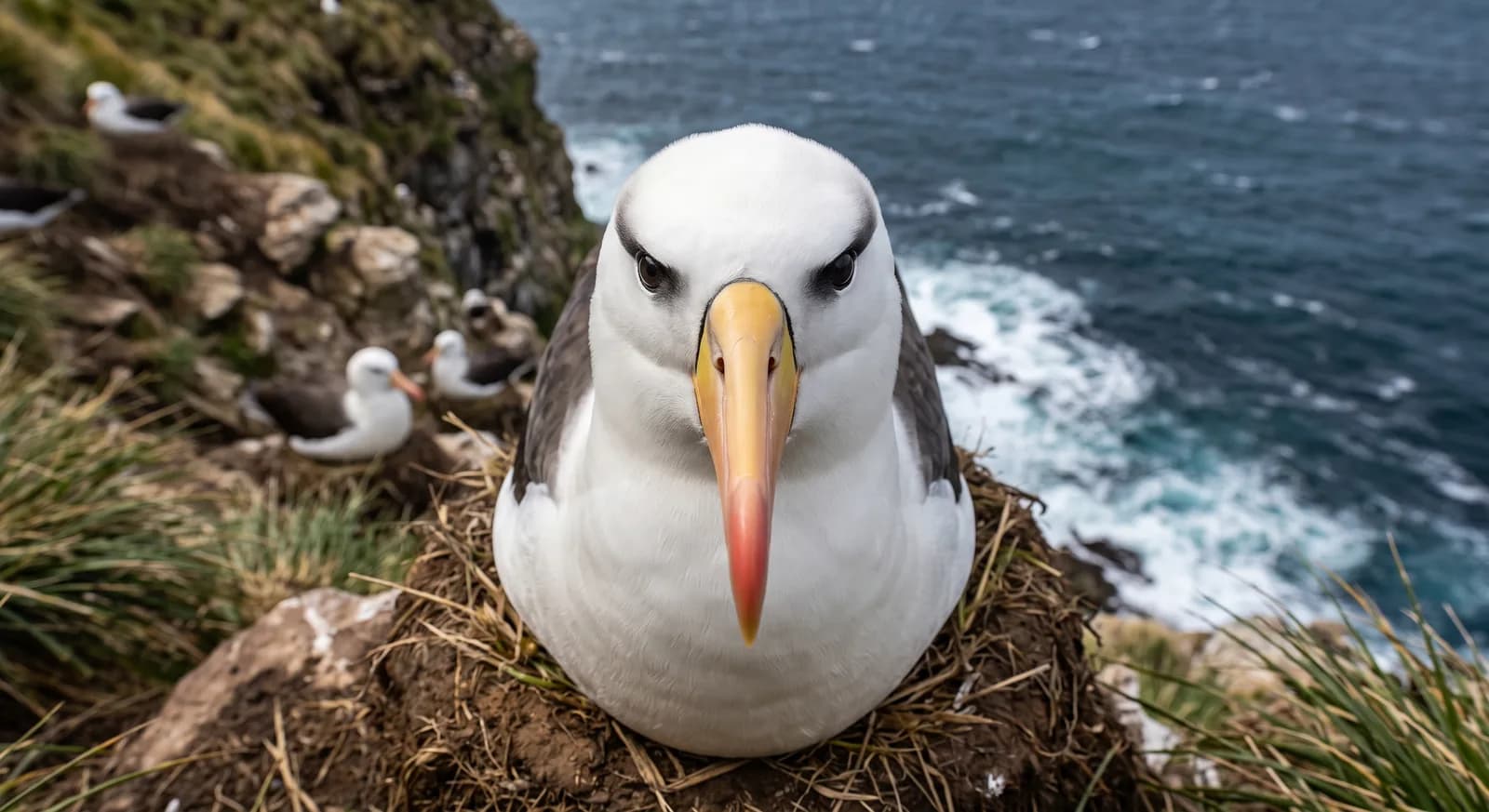
Their principal value is ornithological: Gough supports one of the largest and most diverse seabird colonies on the planet, with millions of individuals, among them almost the entire world population of the Tristan albatross and of the Atlantic petrel. That richness is under threat from an unexpected quarter: the house mice introduced by whalers in the nineteenth century have evolved to an abnormally large size and attack albatross chicks in the nest, causing enormous mortality. In 2021 a large-scale eradication operation was carried out, whose outcome has been monitored since.

Location

Loading map…

Gough and Inaccessible Islands: 13 documented species

Mammals3Birds6Cartilaginous fish

Flora and ecosystems

Ecosystems found in the United Kingdom, where Gough and Inaccessible Islands lies.

Temperate forestMarine / coastalWetland

Experiences in this park

Birdwatching

Wildlife you can see now

What is worth looking out for this month in the United Kingdom?

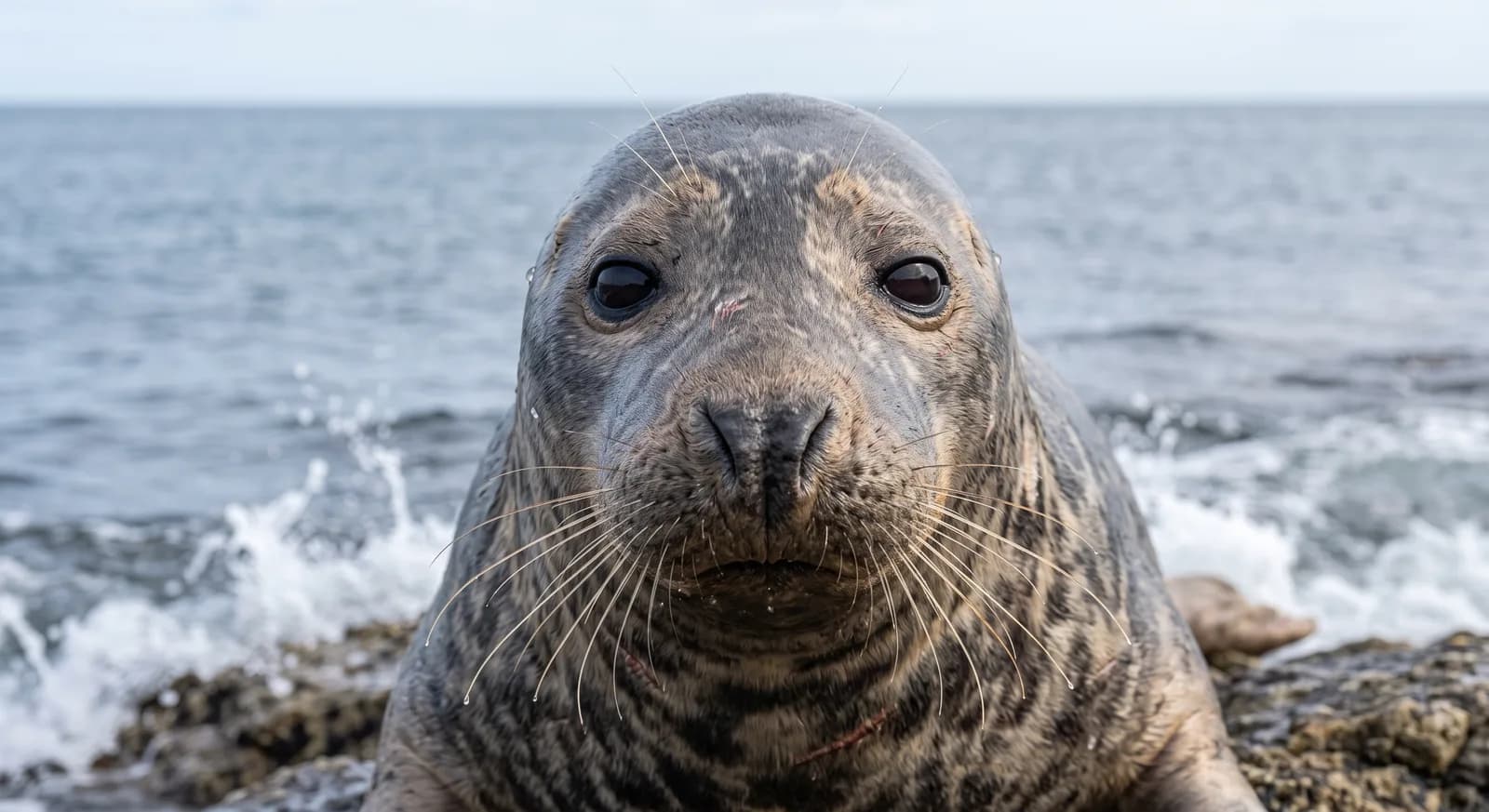
Now is a good time: Grey seal pupping at Donna Nook (Late October to December (peak in late November))

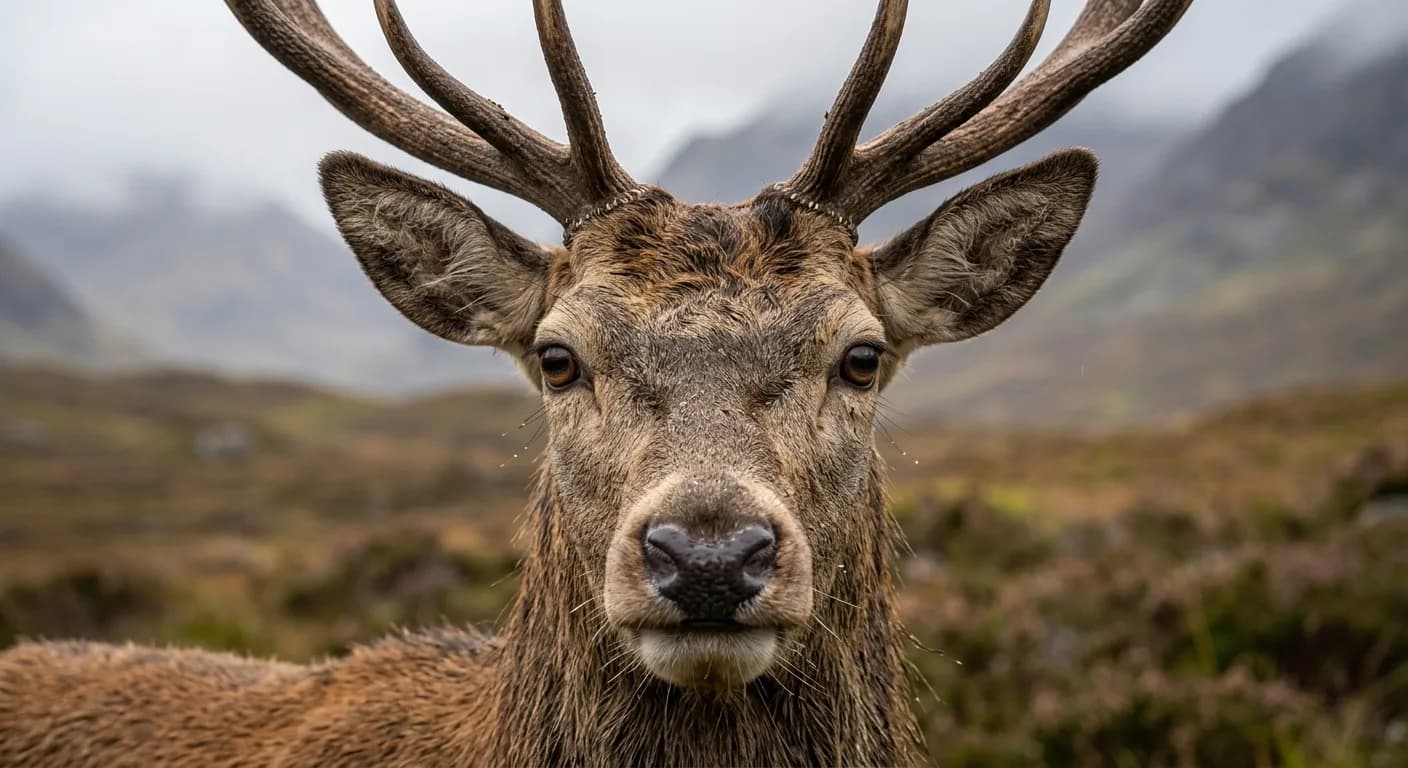
Now is a good time: Red deer rut in Scotland (September to November (peak late Sep-Oct))

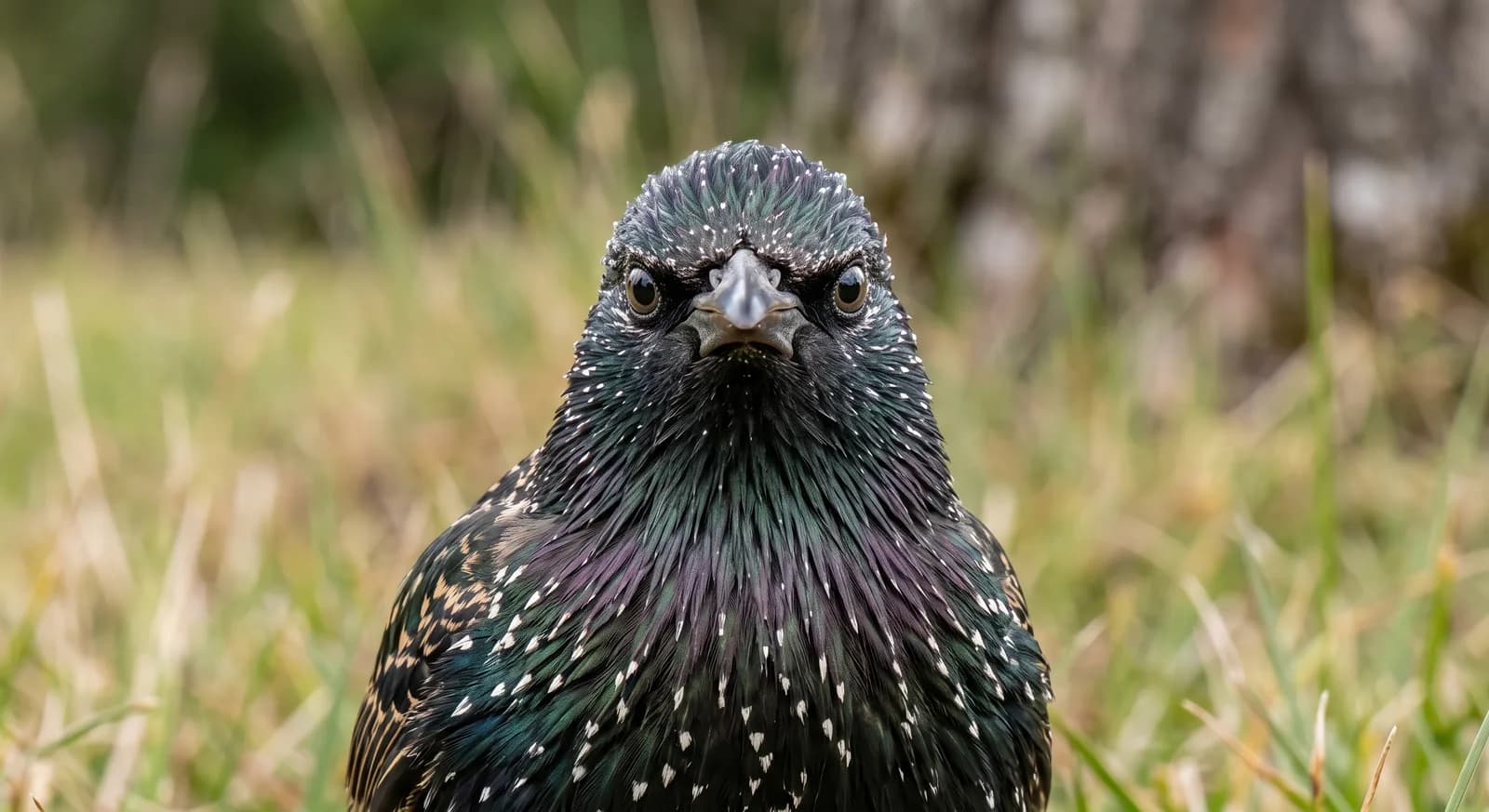
Now is a good time: Starling murmurations in the United Kingdom (October to March (peak Nov-Jan))

Similar parks

Which other parks are like this one?

Same country: United Kingdom

Same country: United Kingdom

Same country: United Kingdom

Same country: United Kingdom

Keep exploring

Based on what we already know about this park.

Comments

Share your experience visiting Gough and Inaccessible Islands, or a tip for other travellers.

Be the first to comment.

Climate

Temperate

Best season

May to September

Plan your visit

Best season
May to September
Area
7,900 km²
More places in the United KingdomSee location
1
Fish2
Malacostraca1

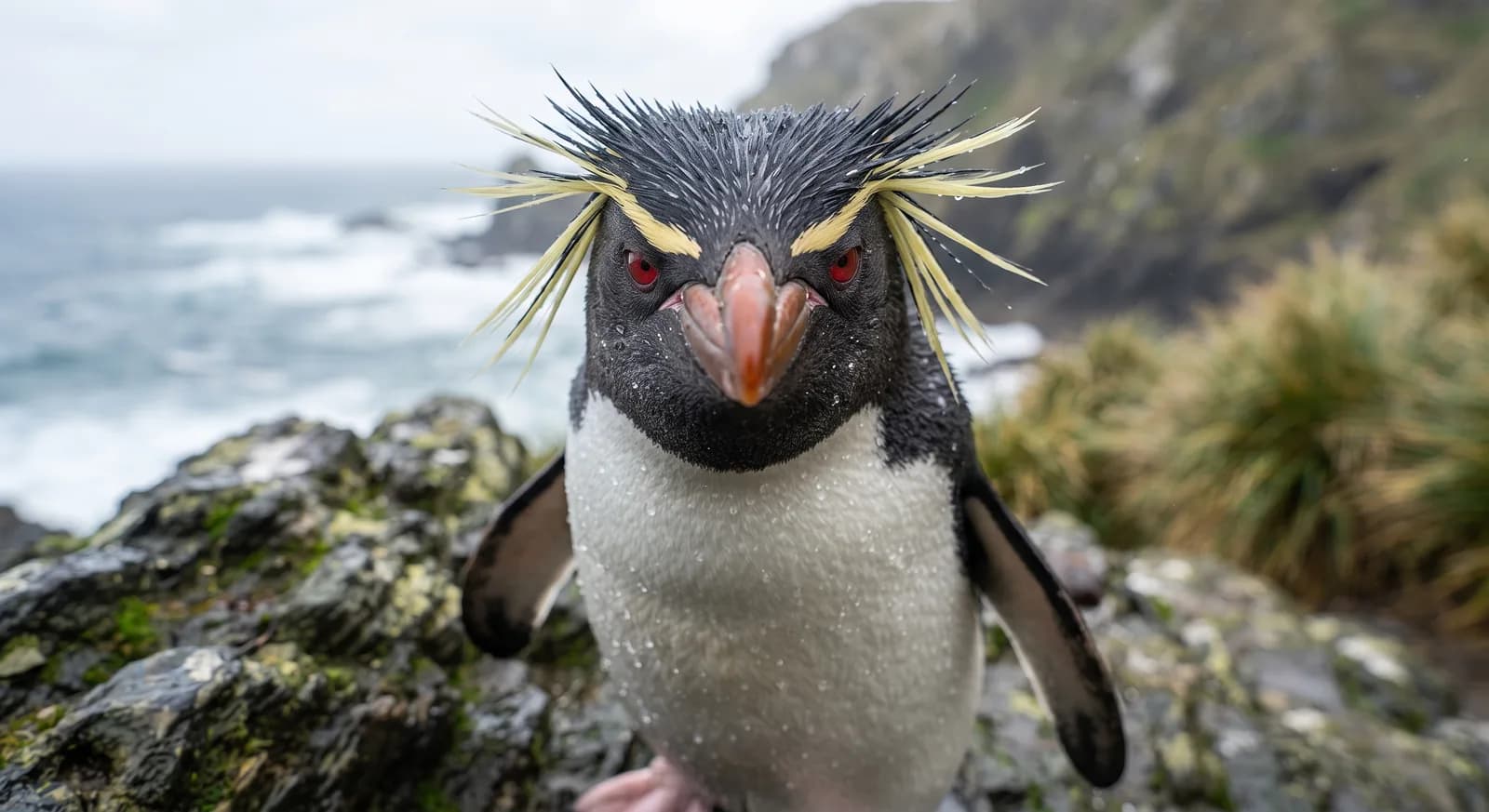
Threatened:Grey-Headed Albatross,Ocean Sunfish,Southern Rockhopper Penguin,Sei Whale,Porbeagle

Grey-Headed AlbatrossEndangered

Grey-Headed Albatross

Thalassarche chrysostoma

Black-browed AlbatrossLeast Concern

Black-browed Albatross

Thalassarche melanophris

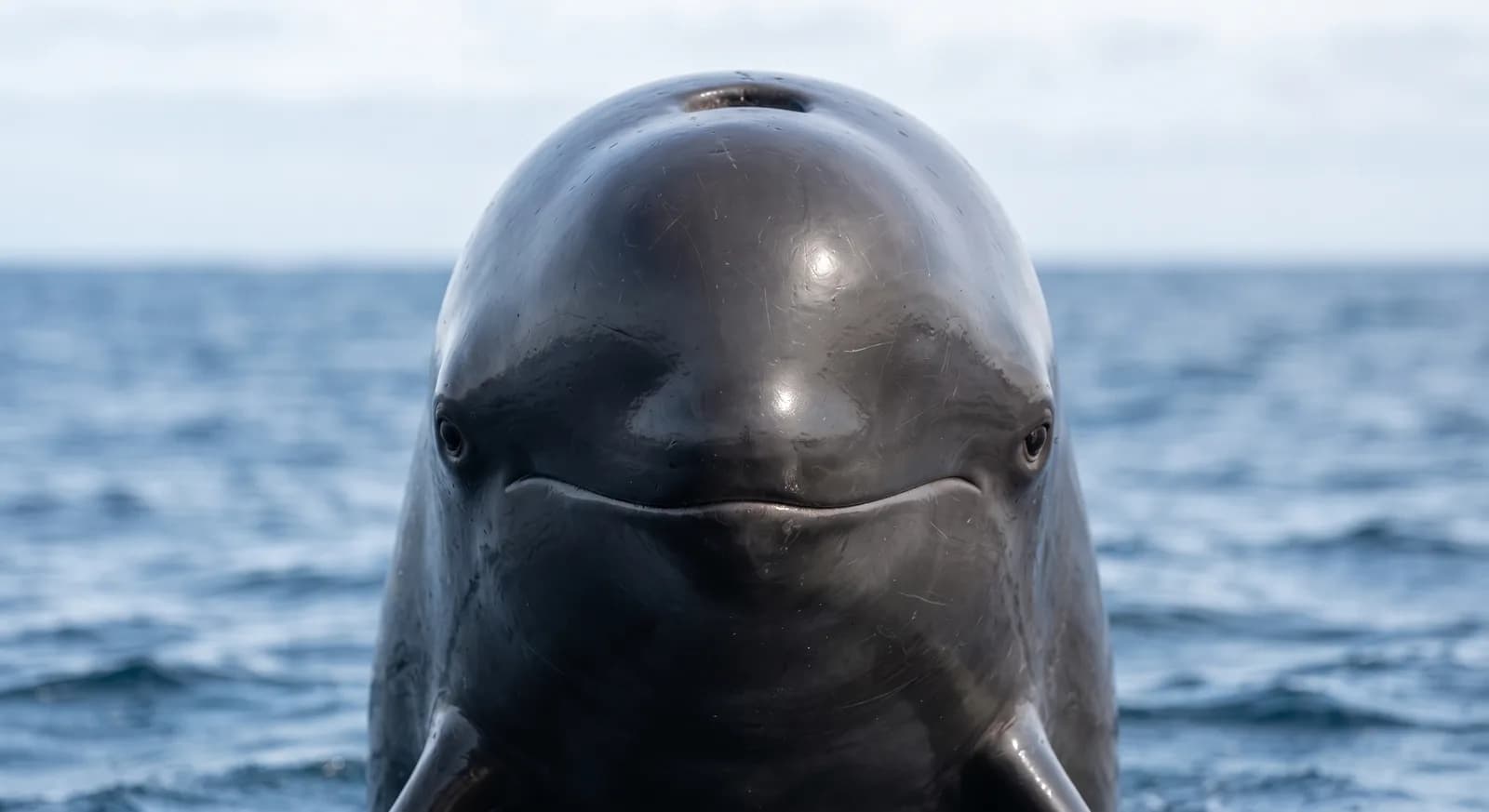
Long-finned Pilot WhaleLeast Concern

Long-finned Pilot Whale

Globicephala melas

Cape PetrelLeast Concern

Cape Petrel

Daption capense

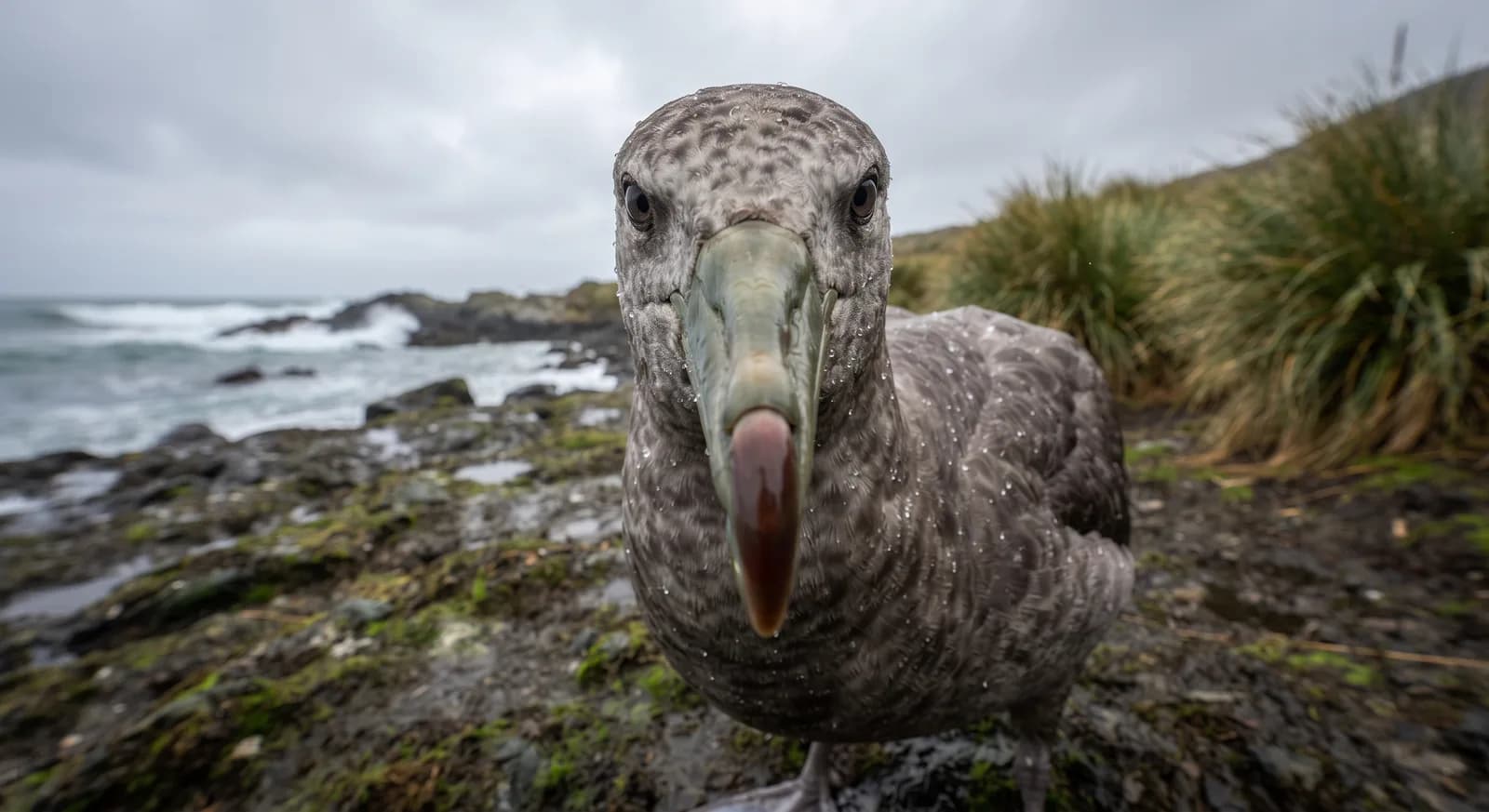
Southern Giant PetrelLeast Concern

Southern Giant Petrel

Macronectes giganteus

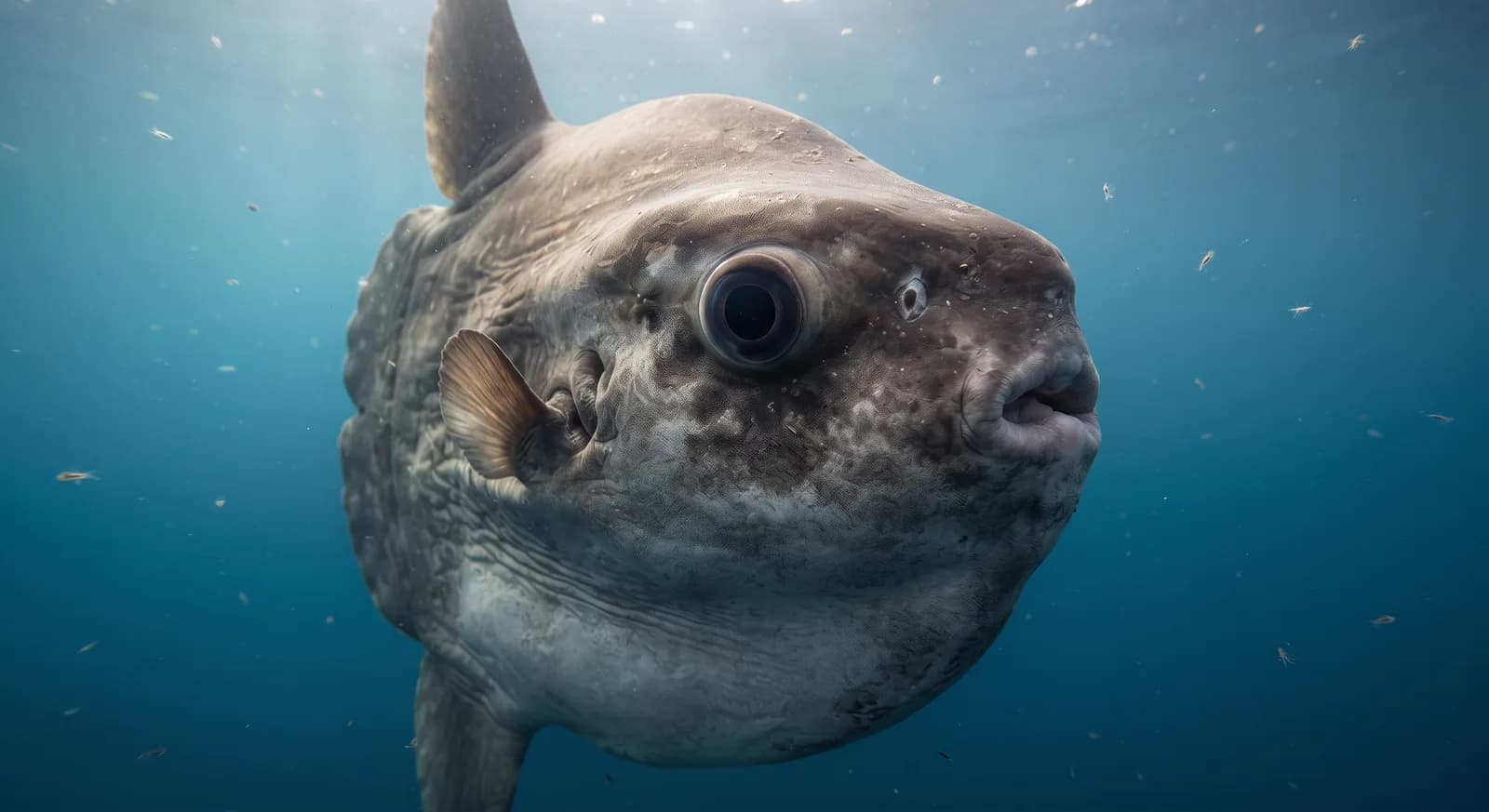
Ocean SunfishVulnerable

Ocean Sunfish

Mola mola

Southern Rockhopper PenguinVulnerable

Southern Rockhopper Penguin

Eudyptes chrysocome

Minke WhaleLeast Concern

Minke Whale

Balaenoptera acutorostrata

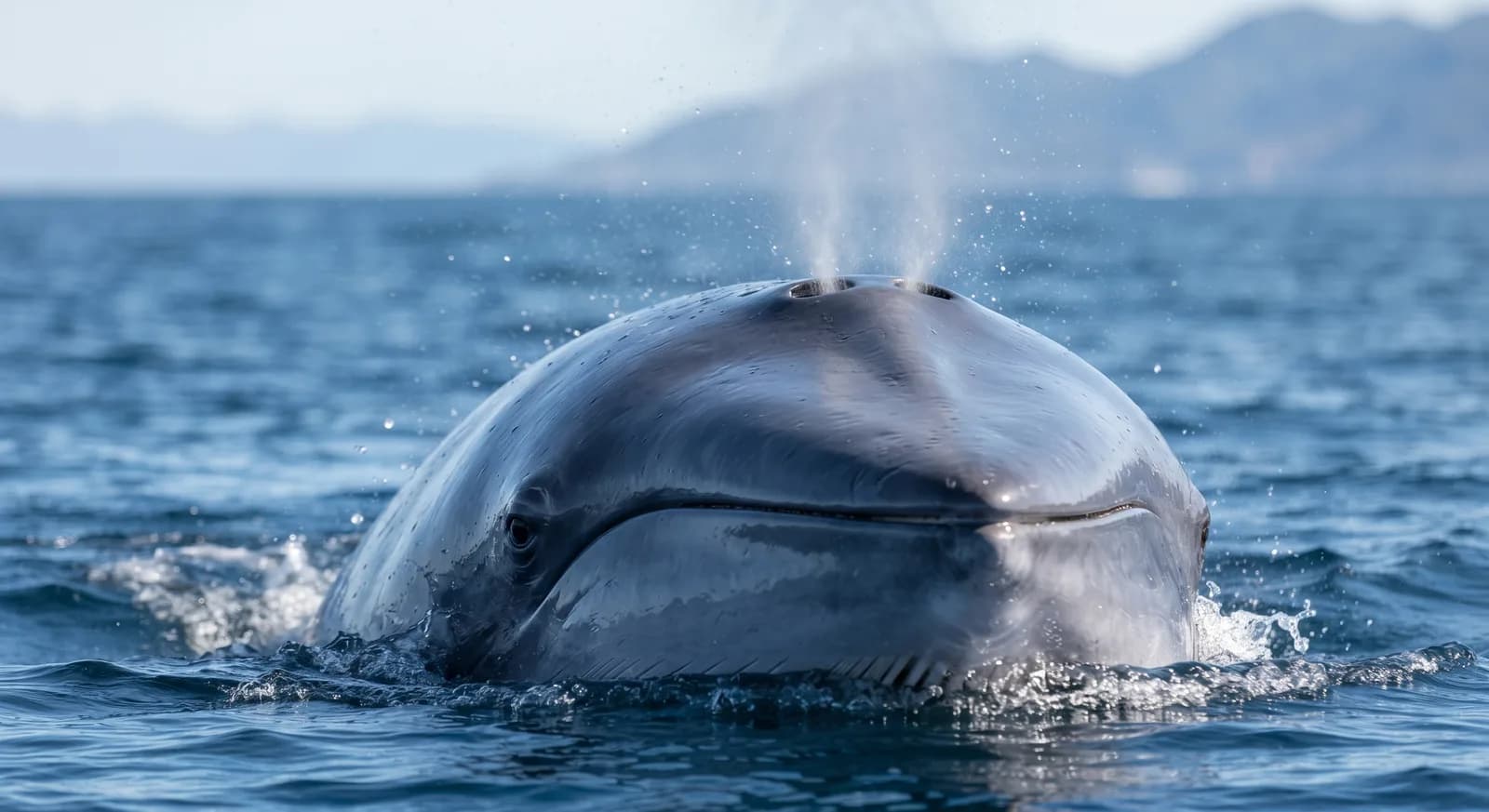
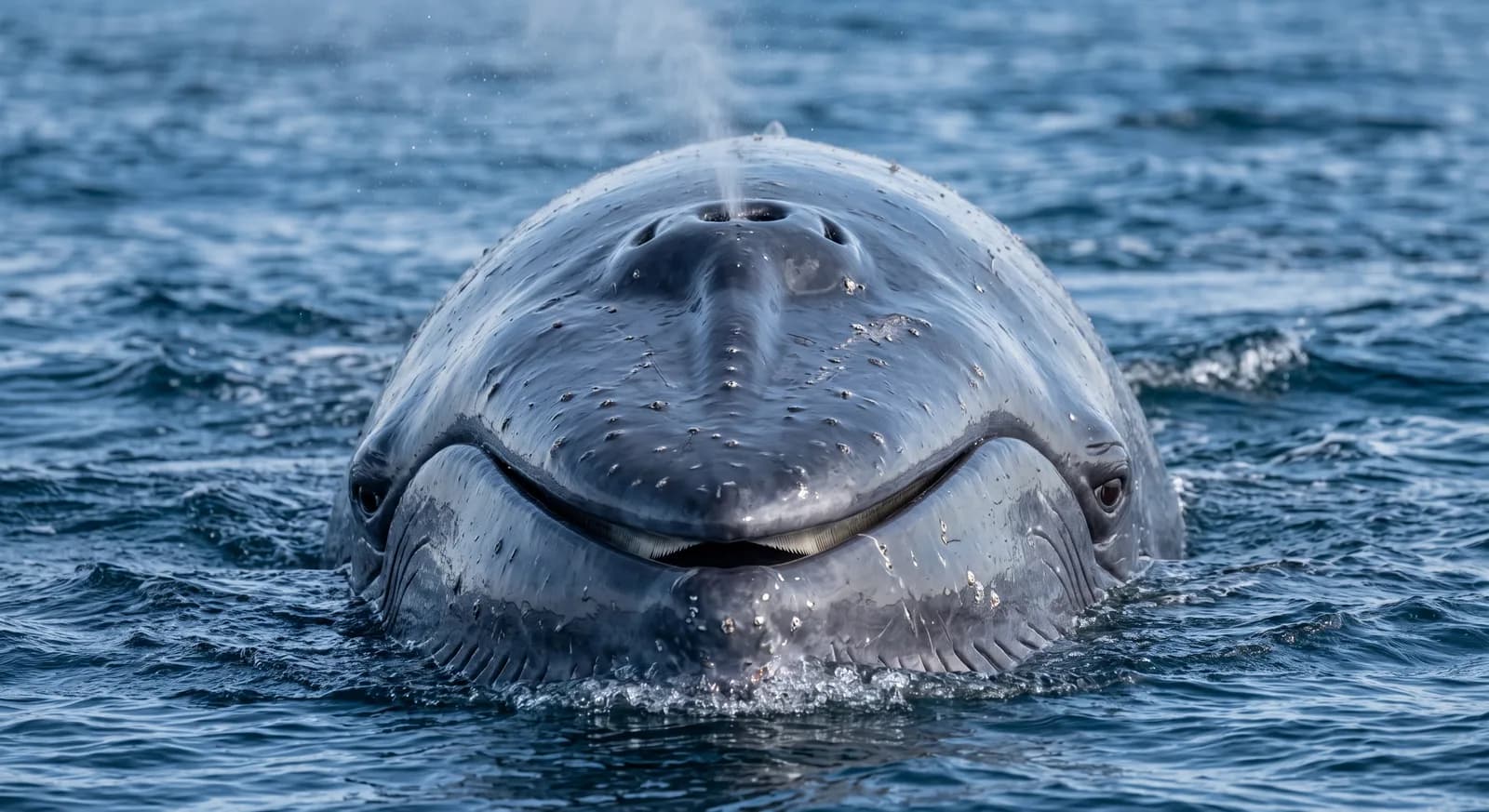
Sei WhaleEndangered

Sei Whale

Balaenoptera borealis

Not Evaluated

Pram Bug

Phronima sedentaria

Least Concern

Greater Weever

Trachinus draco

Vulnerable

Porbeagle

Lamna nasus

See all 13 species found here

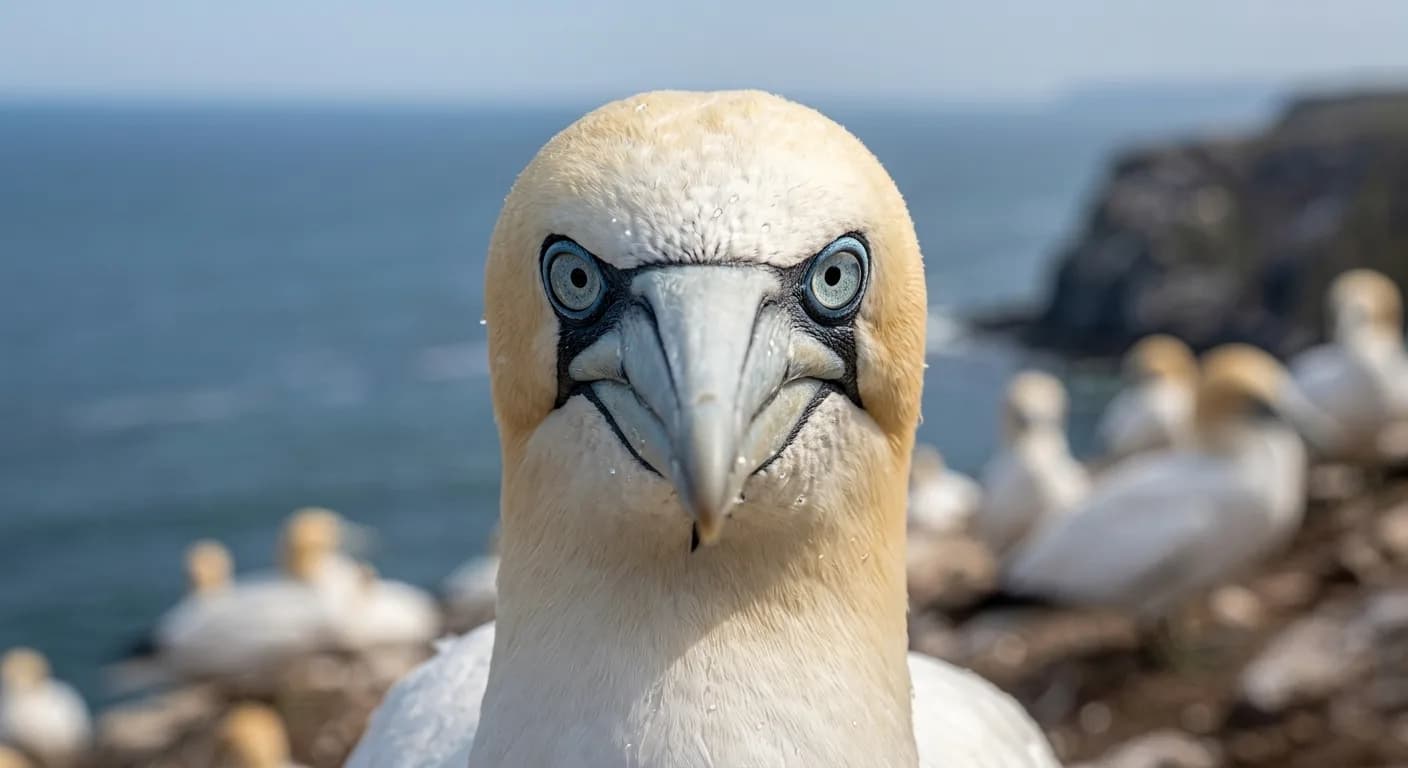
Northern GannetLeast Concern

Northern Gannet

Morus bassanus

Now is a good time: Northern gannet colony on Bass Rock (Late February to October (peak Jun-Aug))

United Kingdom · Overseas territories
See on the interactive map→
Grey SealLeast Concern

Grey Seal

Halichoerus grypus

Red DeerLeast Concern

Red Deer

Cervus elaphus

Common StarlingLeast Concern

Common Starling

Sturnus vulgaris

UNESCO
World Heritage Site (Natural)

Giant's Causeway

United Kingdom

Fulmar · European Shag

May to September

See park
UNESCO
World Heritage Site (Natural)

Dorset and East Devon Coast

United Kingdom

Ammonites And Marine Reptiles (fossils) · Peregrine Falcon

May to September

See park
UNESCO
World Heritage Site (Natural)

Henderson Island

United Kingdom

Henderson Crake · Henderson Fruit Dove

May to September

See park
National Park (protected landscape)

Snowdonia (Eryri)

United Kingdom

Feral goat

May to September

See park
CountryUnited Kingdom
This page in other languages: Español · Deutsch · Français · Português · Italiano
World Heritage