Forty thousand basalt columns on the Antrim coast, formed as lava flows cooled some sixty million years ago.
Area
0.7 km²
Designated in
1986
Region
Western Europe
Hexagonal basalt colonnade of the Antrim coast
The Giant's Causeway and Causeway Coast were inscribed on the World Heritage List in 1986, in the first batch of British nominations, and constitute one of the United Kingdom's five natural properties. They lie on the north coast of County Antrim, in Northern Ireland.
The site is made up of some forty thousand basalt columns, most of them hexagonal, wedged against one another like a pavement running down into the sea. They formed during the Palaeogene, some sixty million years ago, when the opening of the North Atlantic caused massive eruptions of fluid lava: as it cooled, the flow contracted and fractured along a regular pattern that produces vertical prisms. It is one of the most spectacular and best-exposed examples of columnar jointing in the world, and its study in the eighteenth and nineteenth centuries was decisive in the debate between Neptunists and Plutonists over the origin of rocks.
Irish legend attributes the formation to the giant Fionn mac Cumhaill, who is said to have built a causeway to cross to Scotland, where similar formations on the island of Staffa complete the story. The cliffs of the coast hold seabird colonies and a cliff flora of interest, with rare species on the inaccessible ledges.
3 dive sites within 300 km are also shown.
Ecosystems found in the United Kingdom, where Giant's Causeway lies.
Where can I dive near here?
56 km away
265 km away
285 km away
What is worth looking out for this month in the United Kingdom?
Now is a good time: Grey seal pupping at Donna Nook (Late October to December (peak in late November))
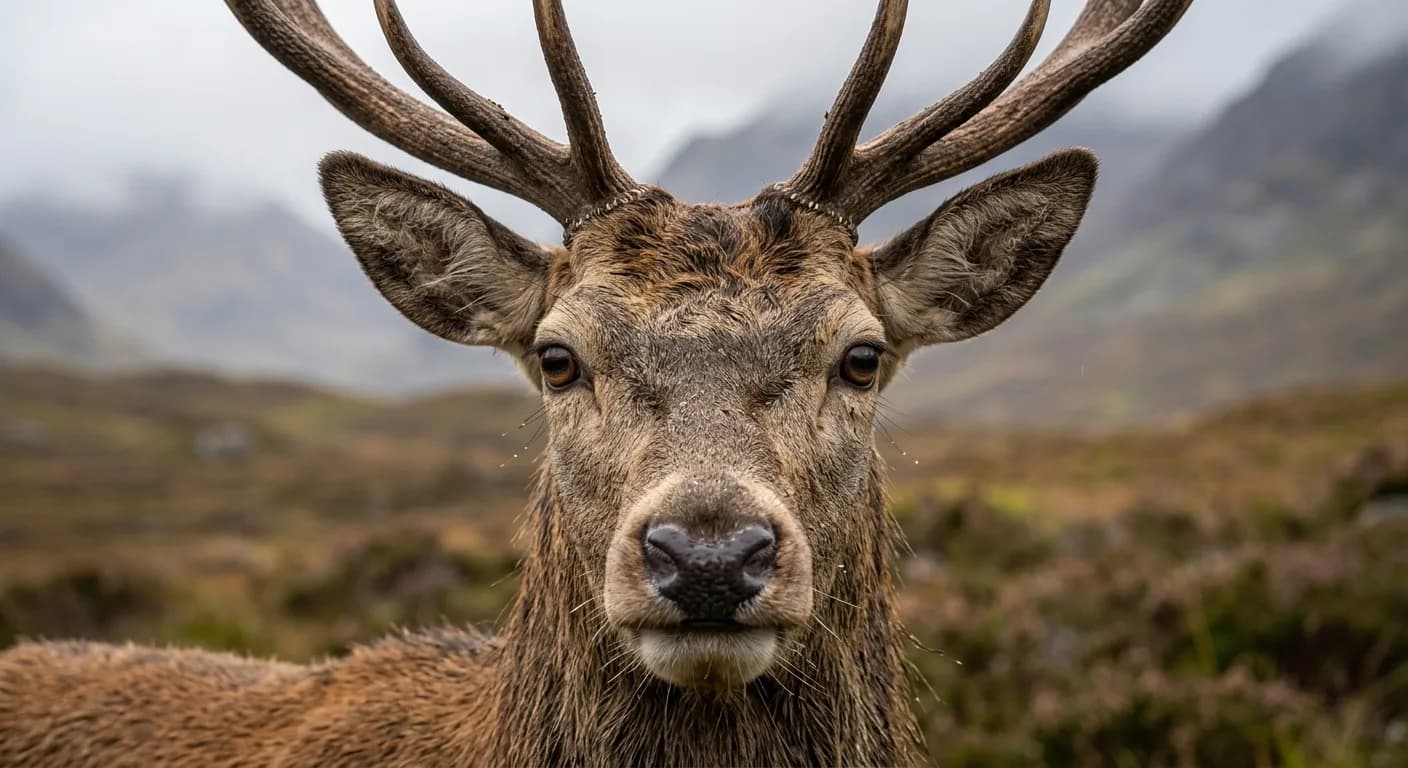
Now is a good time: Red deer rut in Scotland (September to November (peak late Sep-Oct))
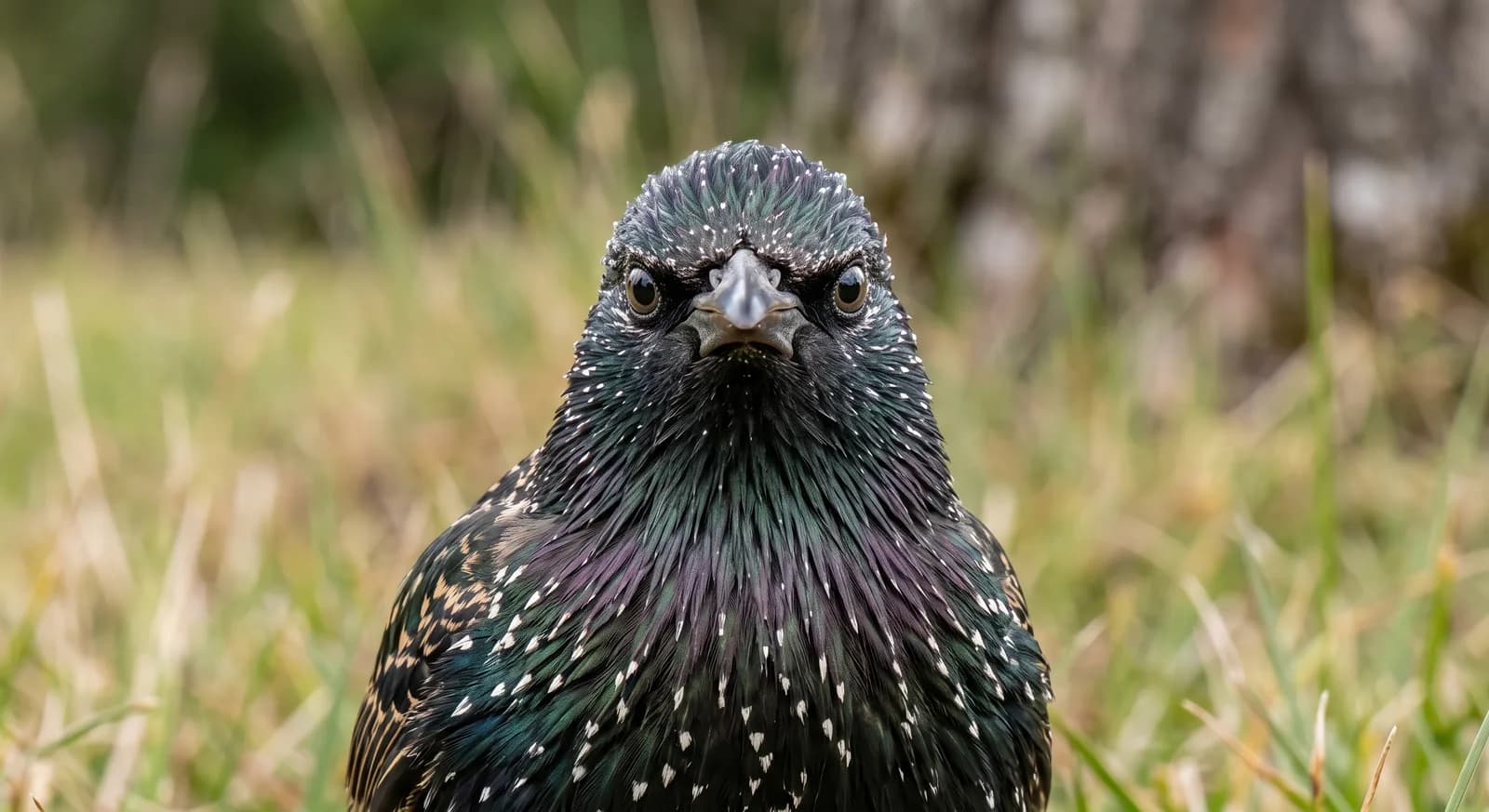
Now is a good time: Starling murmurations in the United Kingdom (October to March (peak Nov-Jan))
Which other parks are like this one?
Same country: United Kingdom
Based on what we already know about this park.
Climate
Temperate
Best season
May to September
Threatened:Atlantic Bluefin Tuna,Cod,Atlantic Puffin,Horse Mackerel,Spurdog,Smooth-hound,Ocean Sunfish,Sei Whale,Basking Shark,Grayfish,Bluefish,Topeand 6 more
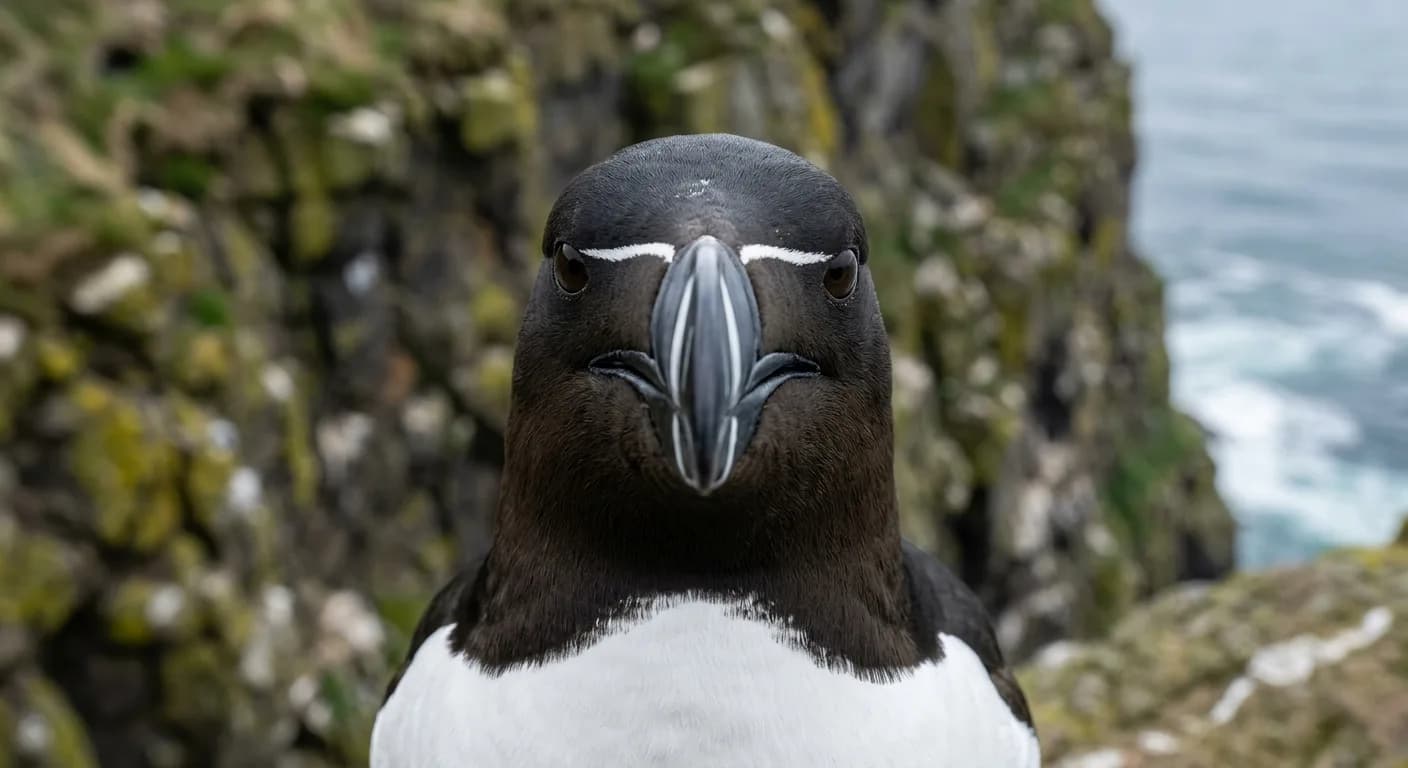
Least ConcernRazorbill
Alca torda
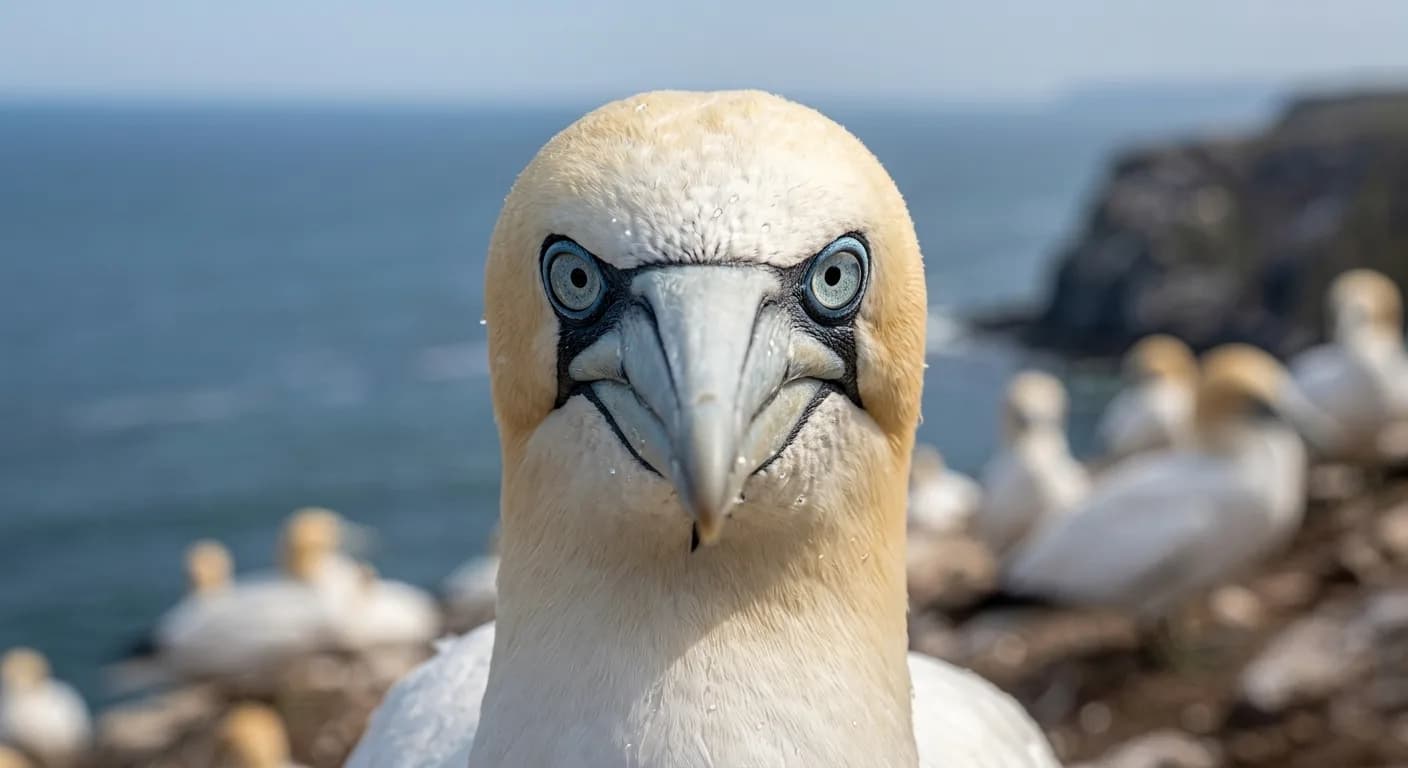
Least ConcernNorthern Gannet
Morus bassanus
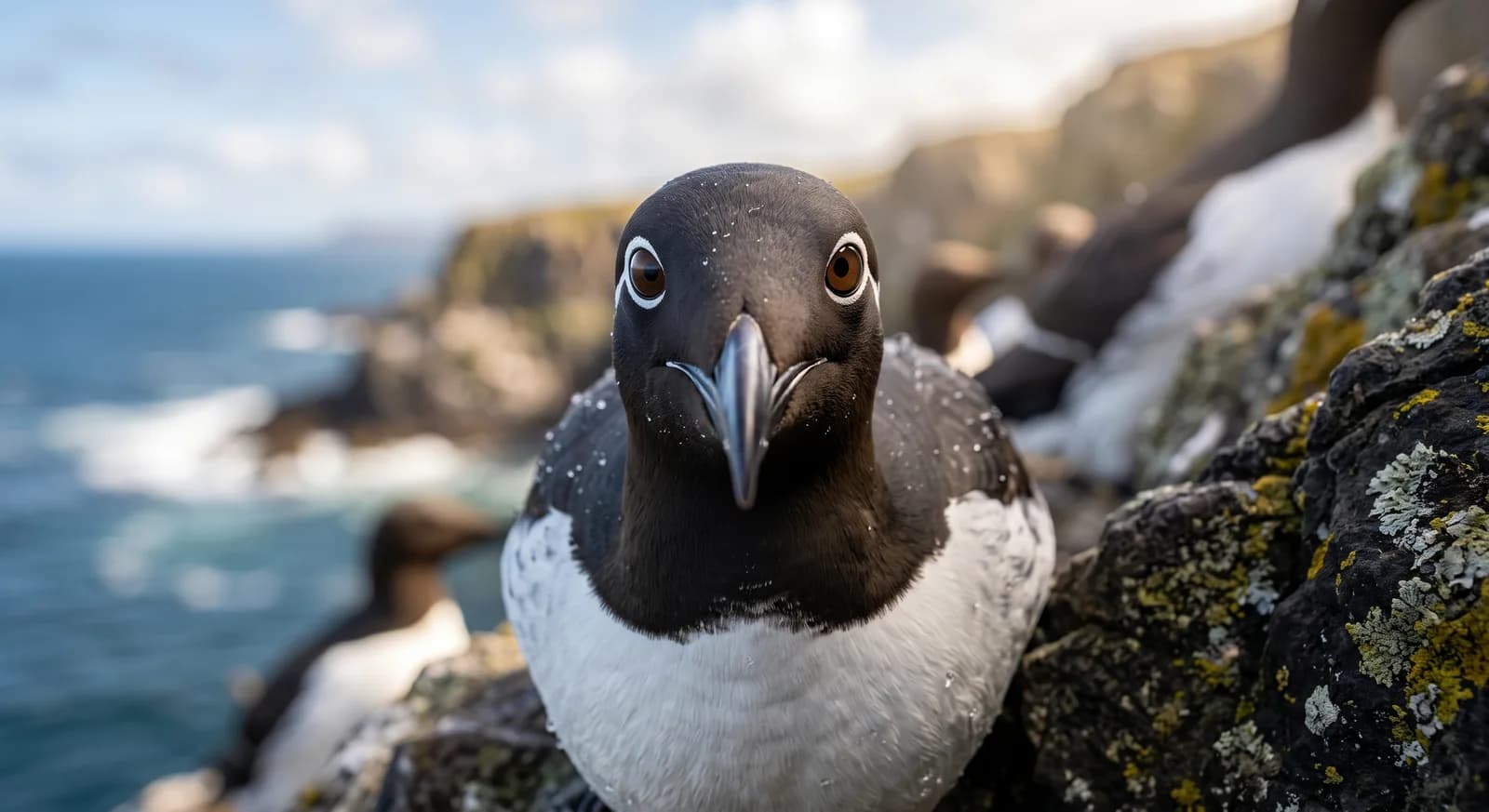
Least ConcernCommon Murre
Uria aalge
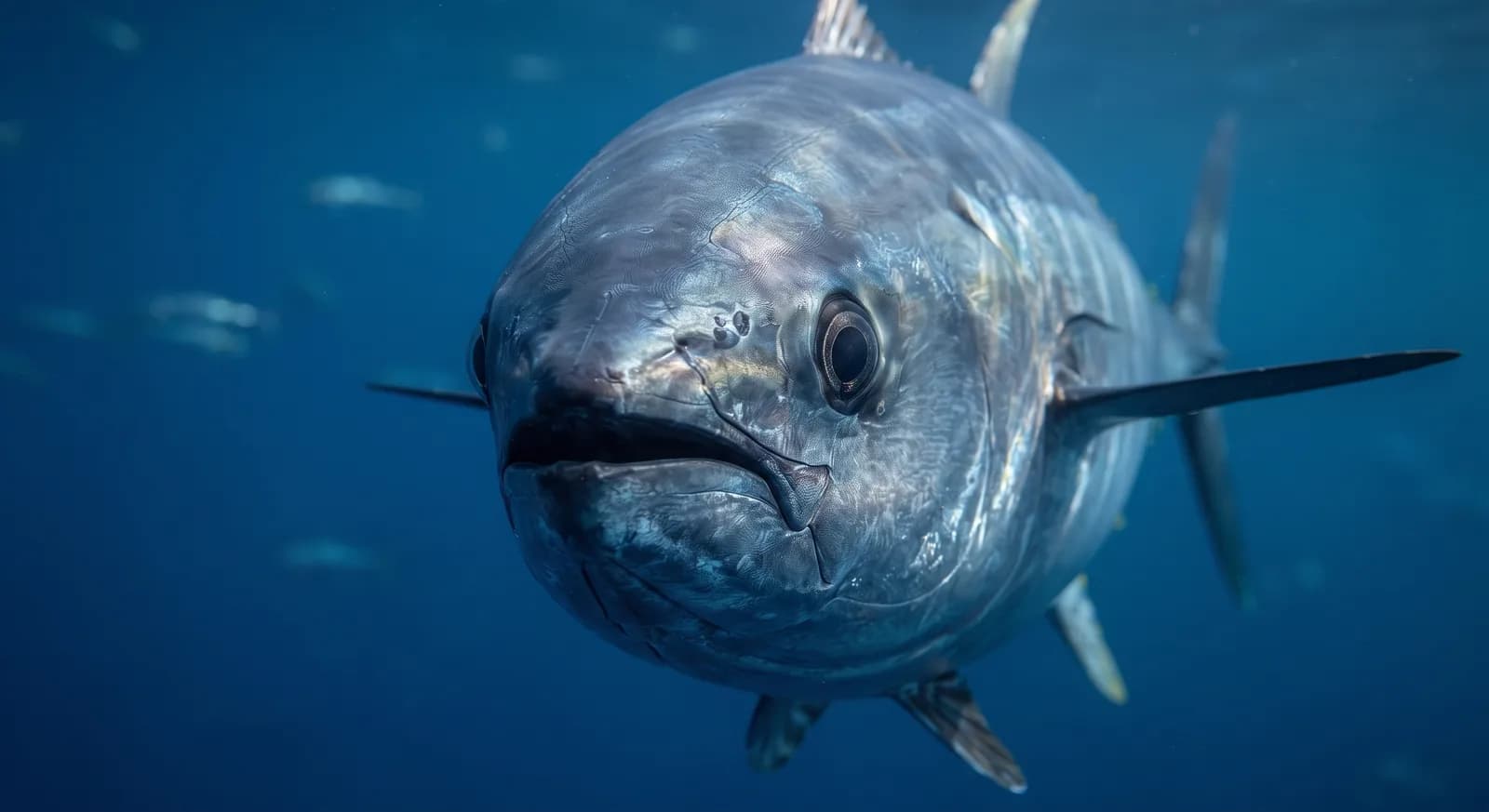
EndangeredAtlantic Bluefin Tuna
Thunnus thynnus
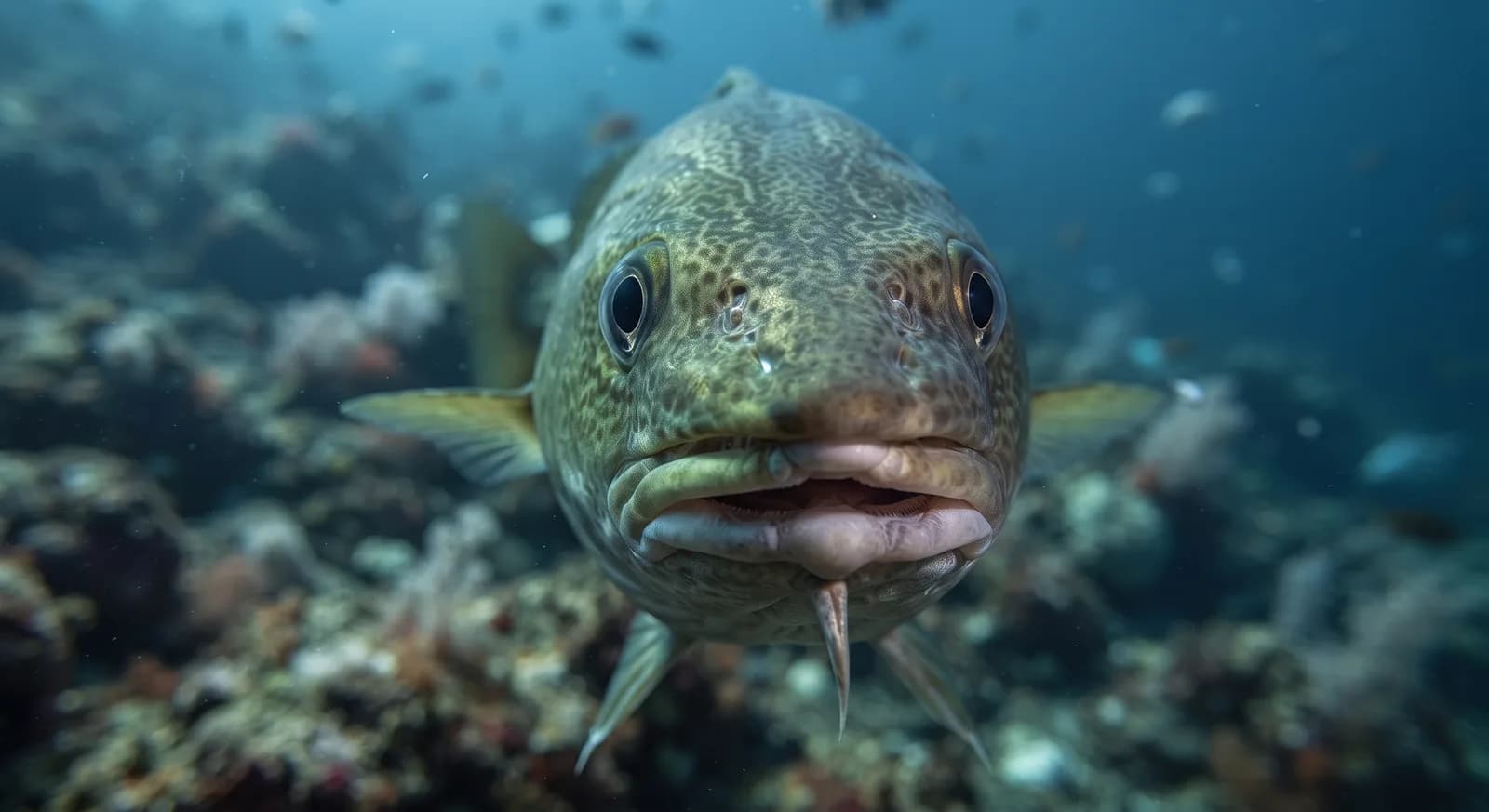
VulnerableCod
Gadus morhua
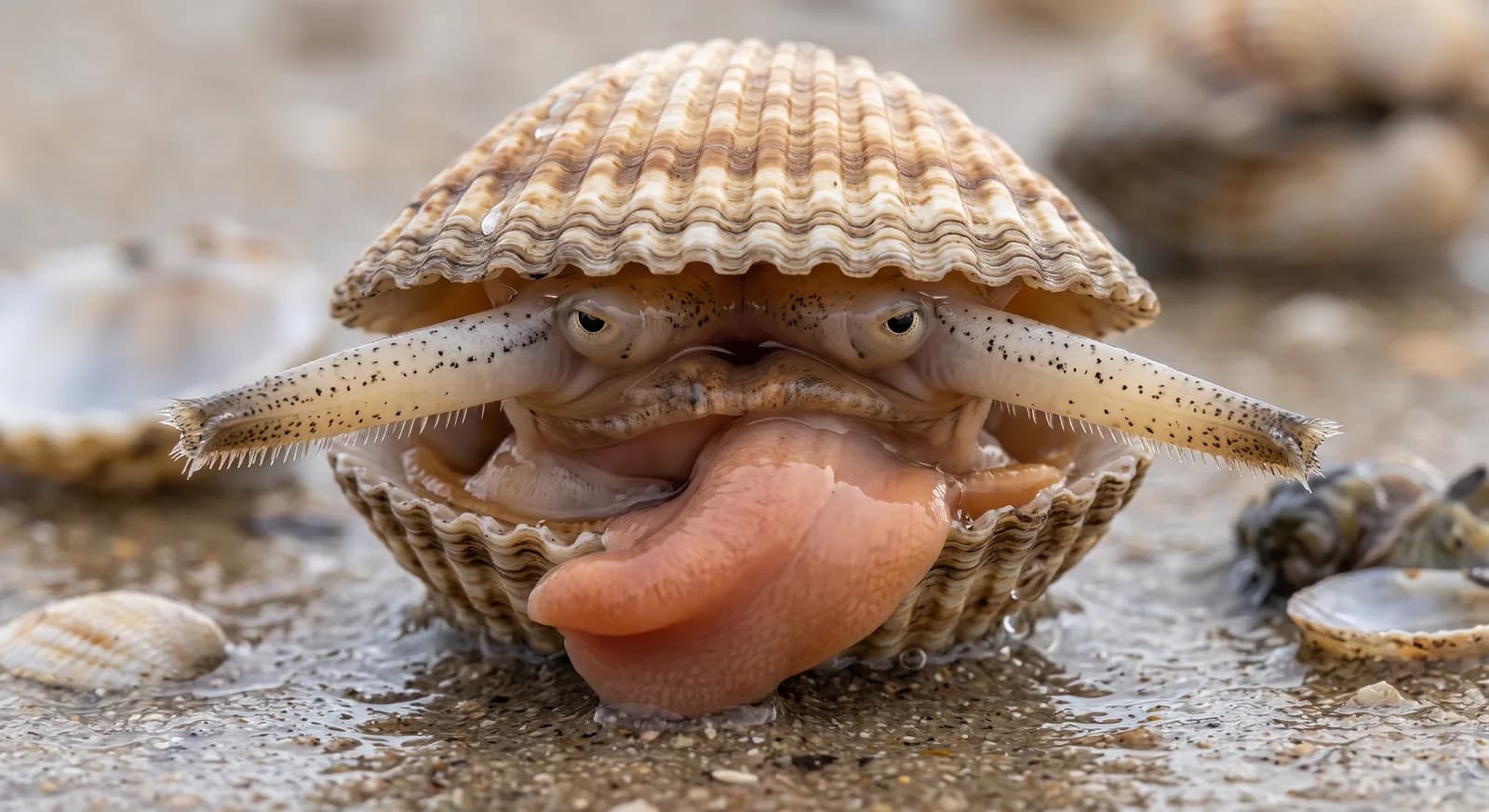
Not EvaluatedCommon Cockle
Cerastoderma edule
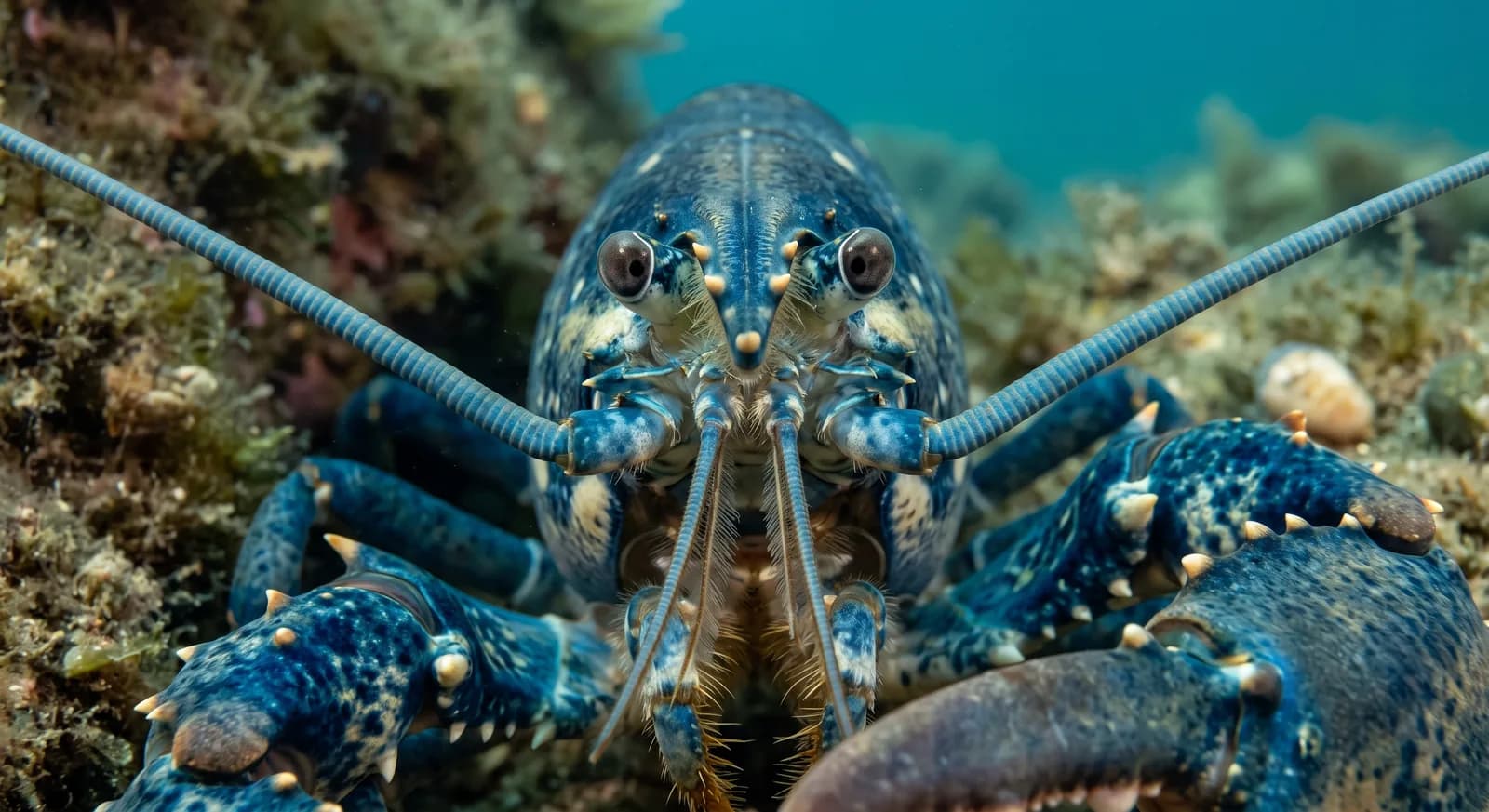
Least ConcernCommon Lobster
Homarus gammarus
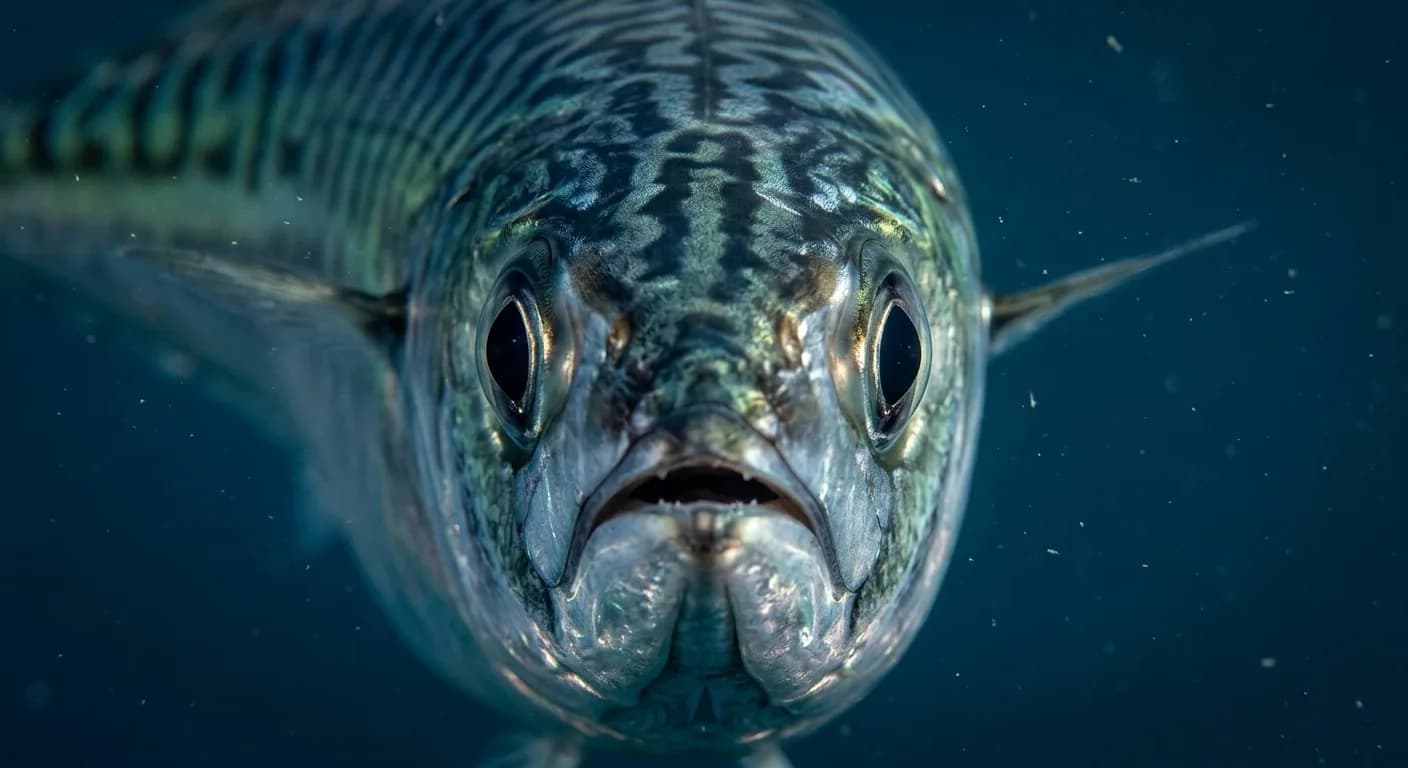
Least ConcernMackerel
Scomber scombrus
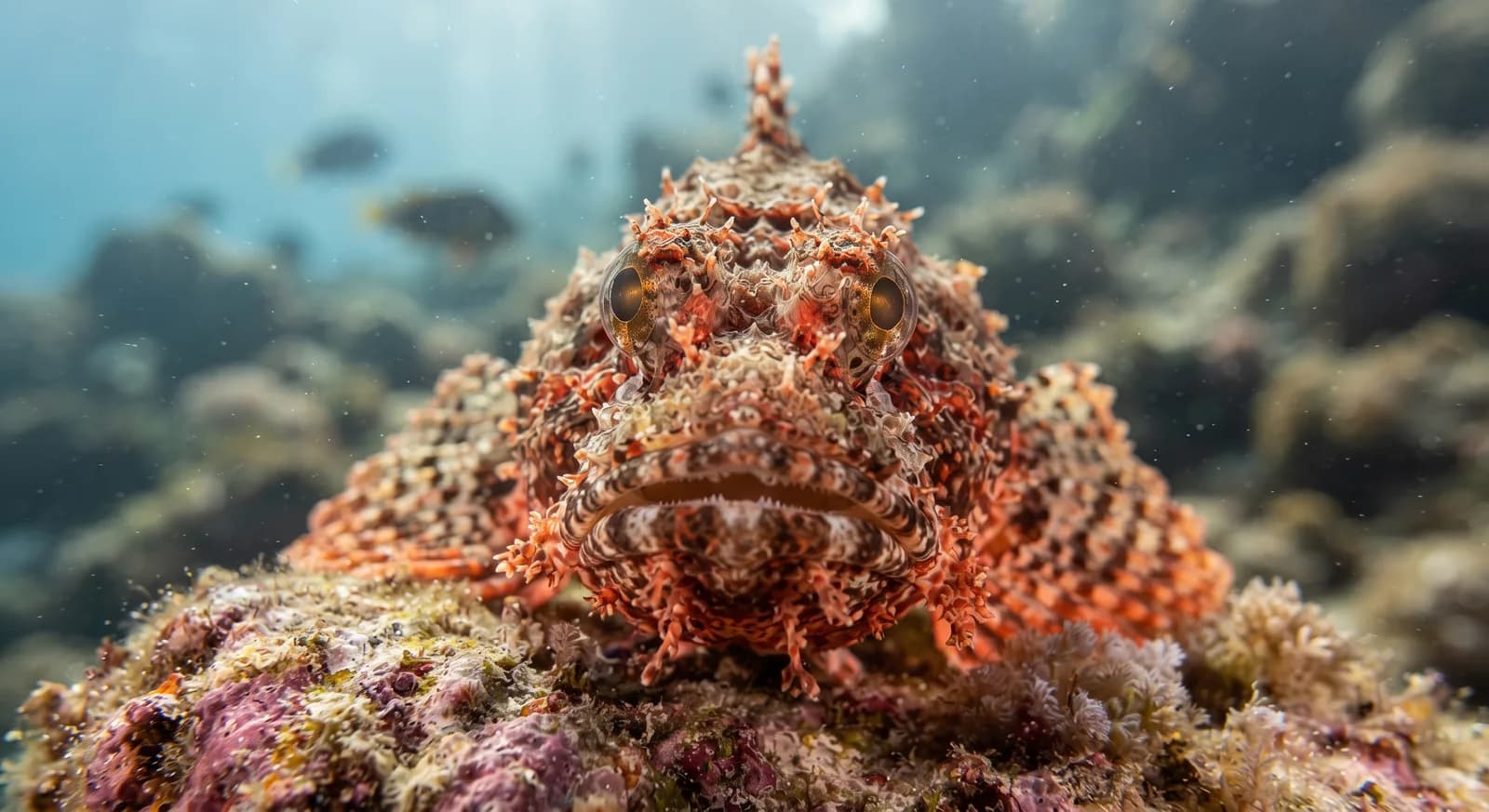
Least ConcernRed Scorpionfish
Scorpaena scrofa
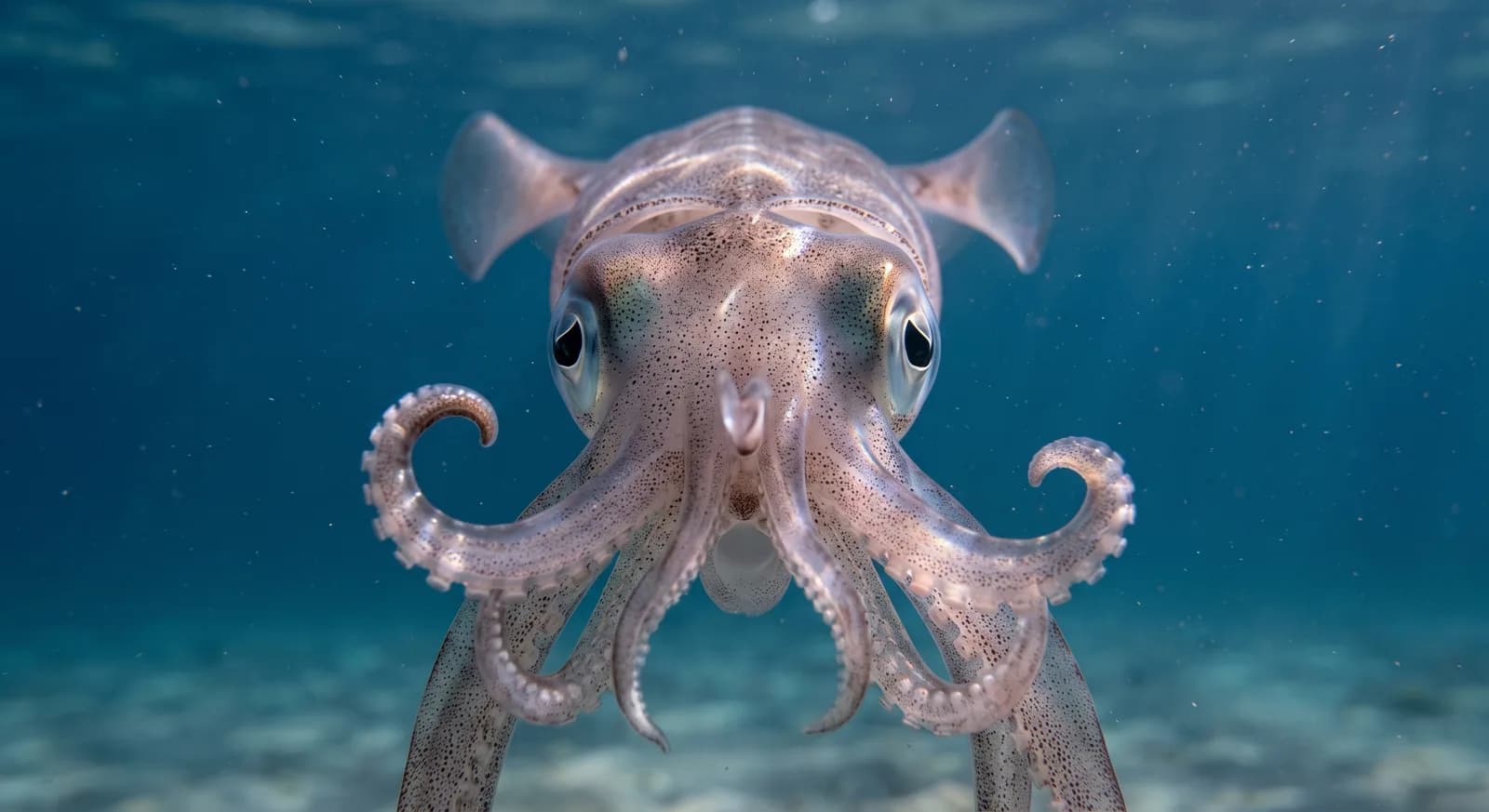
Not EvaluatedEuropean Squid
Loligo vulgaris
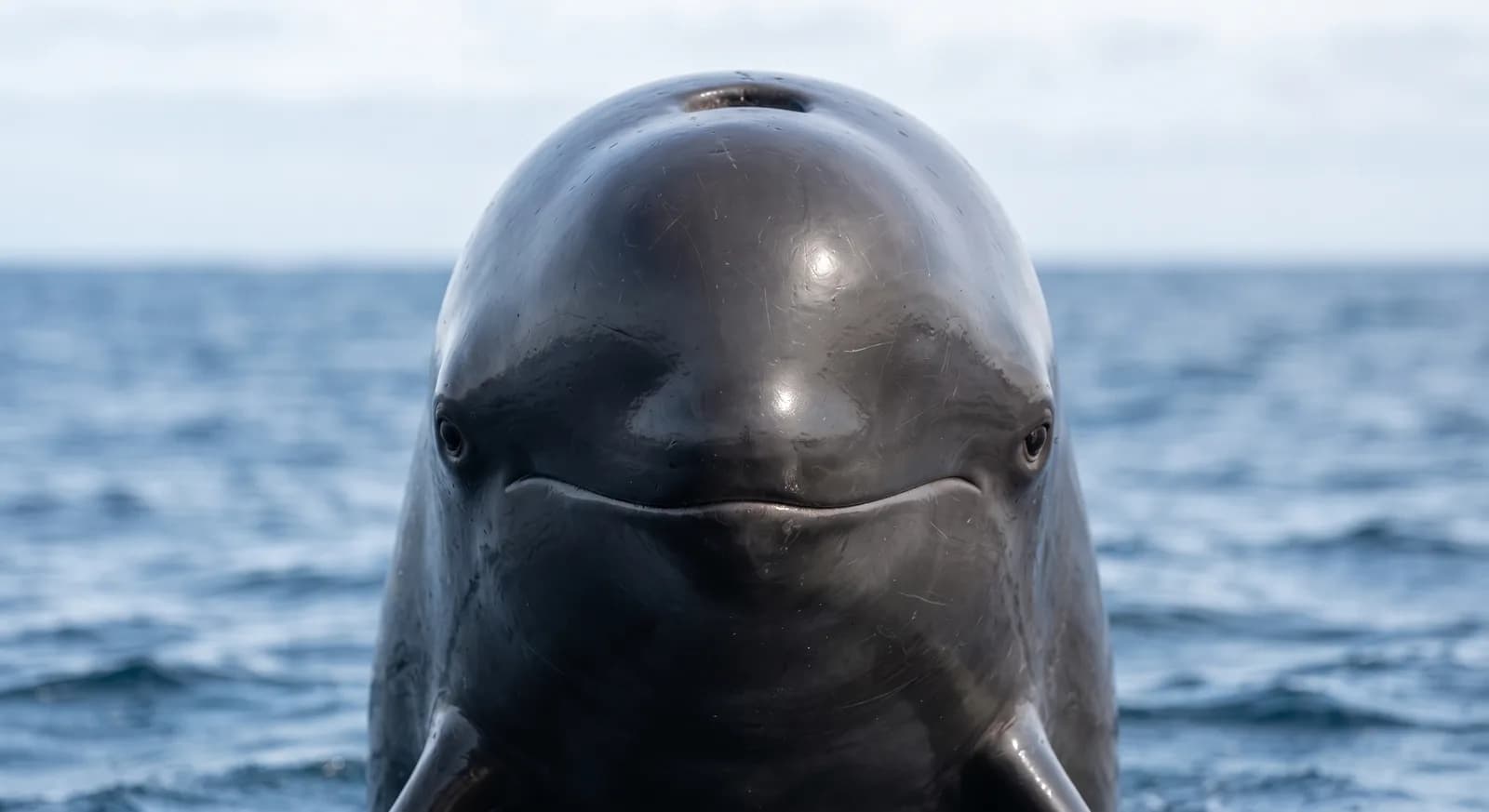
Least ConcernLong-finned Pilot Whale
Globicephala melas
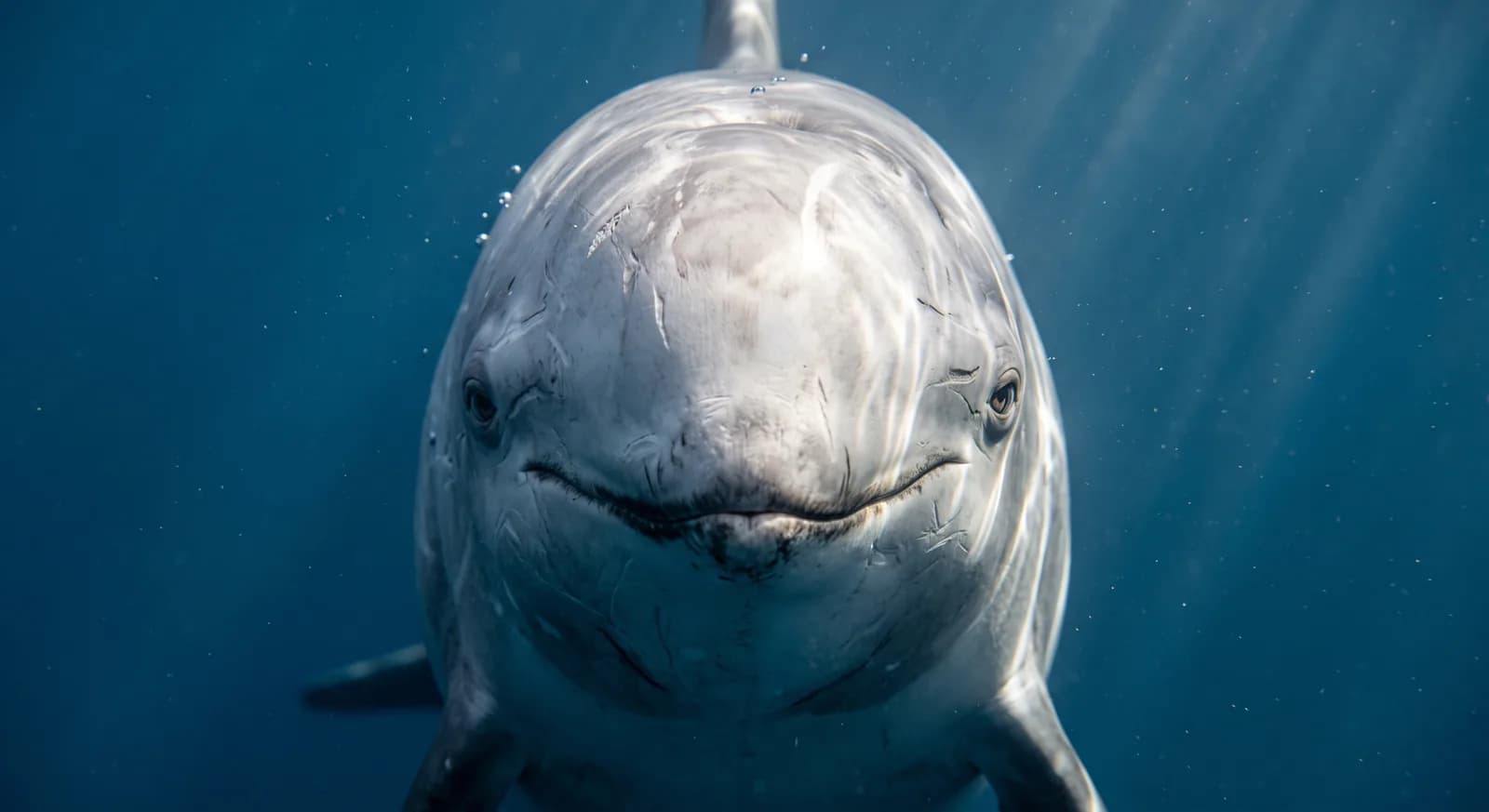
Least ConcernRisso's Dolphin
Grampus griseus
Least ConcernNorthern Gannet
Morus bassanus
Now is a good time: Northern gannet colony on Bass Rock (Late February to October (peak Jun-Aug))