Skip to content
WAnimals
  • Map
  • Species
  • Parks
  • Diving
Log inCreate account
WAnimals

The guide for travellers and animal lovers: discover, plan and share your wild adventures around the world.

Discover wildlife

  • Species
  • Ecosystems
  • Glossary
  • Tags

Explore places

  • Map
  • Countries
  • Parks
  • Diving

Plan experiences

  • Guides

Learn

  • Blog

Resources

  • About us
  • How we build our profiles
  • Help centre
  • Contact
  • Install the app

Follow us

Account

  • Log in
  • Create account

© 2026 WAnimals. All rights reserved.

Terms of servicePrivacyCookiesLegal notice
MapSpeciesParksDiving
  1. Home
  2. Parks
  3. United Kingdom
  4. Dorset and East Devon Coast
World Heritage Site (Natural)UNESCO World Heritage

Dorset and East Devon Coast

Western EuropeDesignated in 200126 km²
Spotted something wrong?

The Jurassic Coast: 185 million years of Earth history exposed along 155 kilometres of cliffs.

Area

26 km²

Designated in

2001

Region

Western Europe

Highlight

A continuous Triassic, Jurassic and Cretaceous sequence

The Dorset and East Devon Coast, known as the Jurassic Coast, was inscribed on the World Heritage List in 2001 under the geological criterion (viii), and was the first natural property in mainland England.

Its value lies in the continuity of the record: along some 155 kilometres of cliffs the strata dip gently eastwards, so that walking the coast amounts to travelling through 185 million years of geological history, from the Triassic to the Cretaceous. It is one of the most complete and accessible Mesozoic sequences in the world, and the constant erosion of the sea renews the exposures and continually releases fossils.

The coast is where much of modern palaeontology was born. Mary Anning, who began hunting fossils as a child at Lyme Regis to sell to visitors, found there in the first decades of the nineteenth century the first complete ichthyosaur and plesiosaur skeletons and the first pterosaur found outside Germany, discoveries that transformed the understanding of the history of life and that were made from a social position that denied her the scientific recognition of her day. The coast also includes spectacular formations such as Durdle Door, a natural limestone arch, and Lulworth Cove.
Location

Loading map…

3 dive sites within 300 km are also shown.

Dorset and East Devon Coast: 118 documented species

Mammals4Birds8Cartilaginous fish

Flora and ecosystems

Ecosystems found in the United Kingdom, where Dorset and East Devon Coast lies.

Temperate forestMarine / coastalWetland

Experiences in this park

Diving and snorkellingBirdwatching

Nearby dive sites

Where can I dive near here?

97 km away

134 km away

258 km away

Wildlife you can see now

What is worth looking out for this month in the United Kingdom?

Now is a good time: Grey seal pupping at Donna Nook (Late October to December (peak in late November))

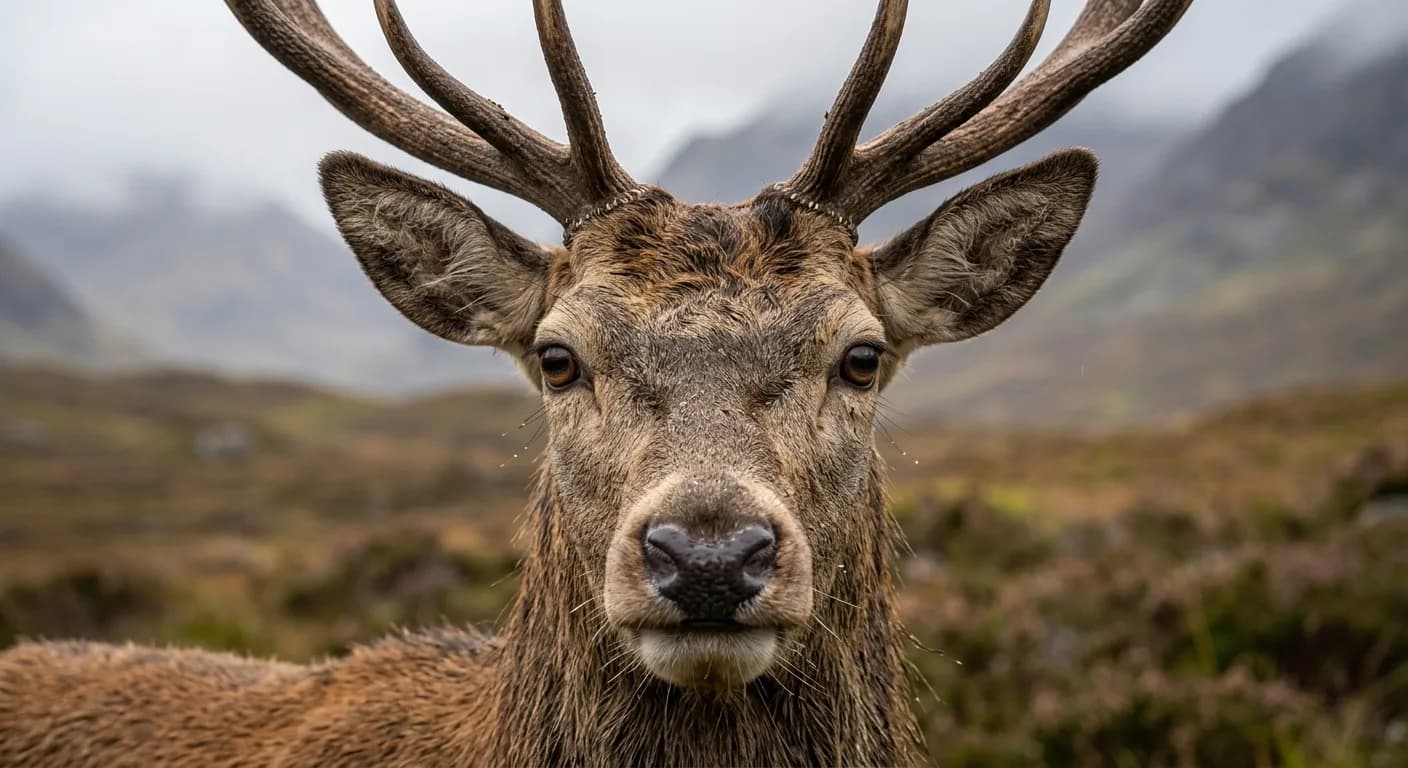
Now is a good time: Red deer rut in Scotland (September to November (peak late Sep-Oct))

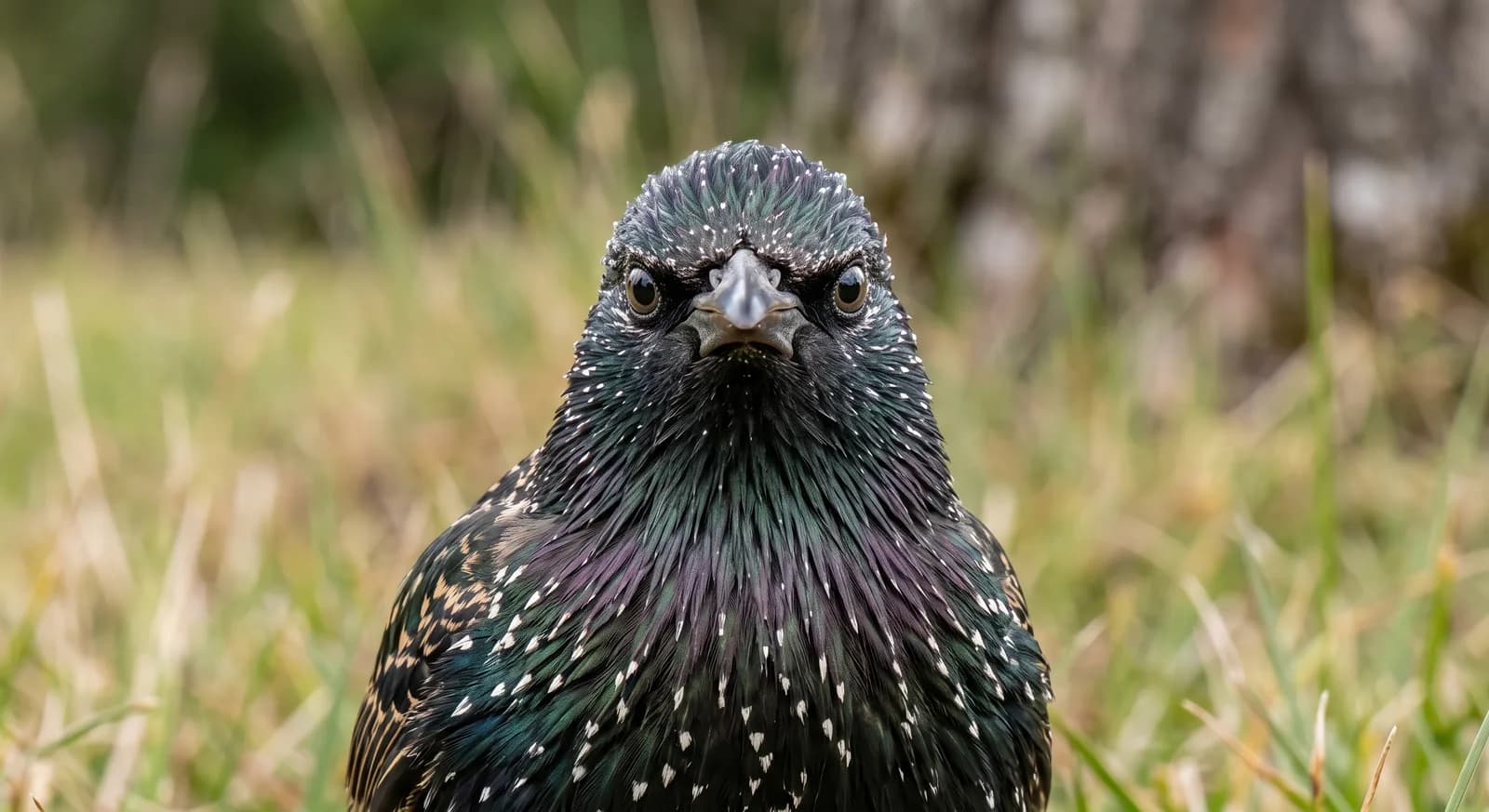
Now is a good time: Starling murmurations in the United Kingdom (October to March (peak Nov-Jan))

Similar parks

Which other parks are like this one?

Same country: United Kingdom

Same country: United Kingdom

Same country: United Kingdom

Same country: United Kingdom

Keep exploring

Based on what we already know about this park.

Share your experience visiting Dorset and East Devon Coast, or a tip for other travellers.

Climate

Temperate

Best season

May to September

Plan your visit

Best season
May to September
Area
26 km²
More places in the United KingdomSee location
15
Fish37
Bivalvia7
Malacostraca14
Cephalopoda4
Hydrozoa1
Echinoidea2
Asteroidea1
Petromyzontida1
Scyphozoa3
Myxini1
Ophiuroidea2
Cirripedia3
Thaliacea1
Gastropoda5
Anopla1
Polychaeta3
Ascidiacea1
Crinoidea1
Holothuroidea1
Anthozoa2

Threatened:Atlantic Bluefin Tuna,Cod,Horse Mackerel,Spurdog,Smooth-hound,Balearic Shearwater,Ocean Sunfish,Sei Whale,Basking Shark,Grayfish,Bluefish,Topeand 6 more

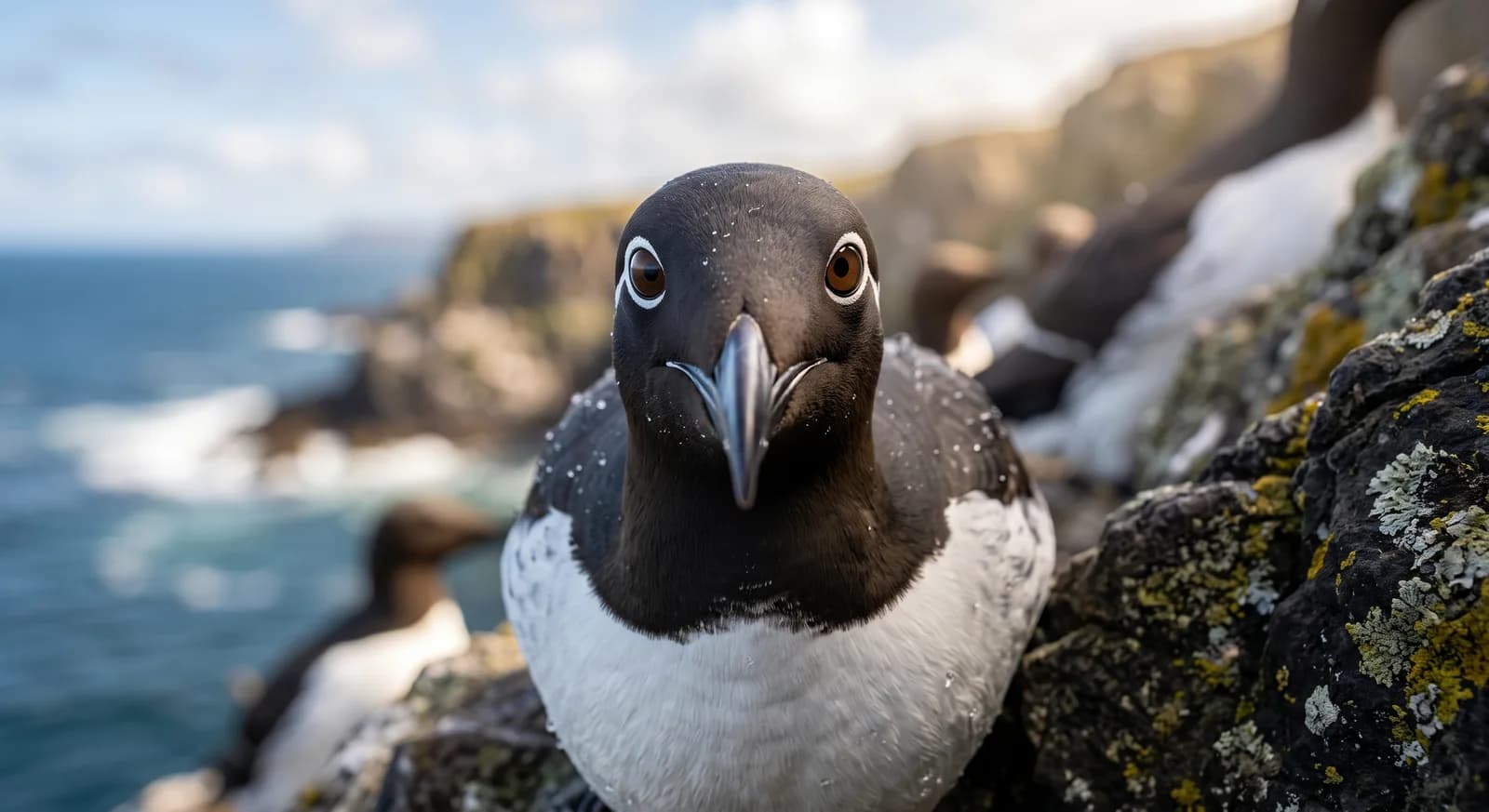
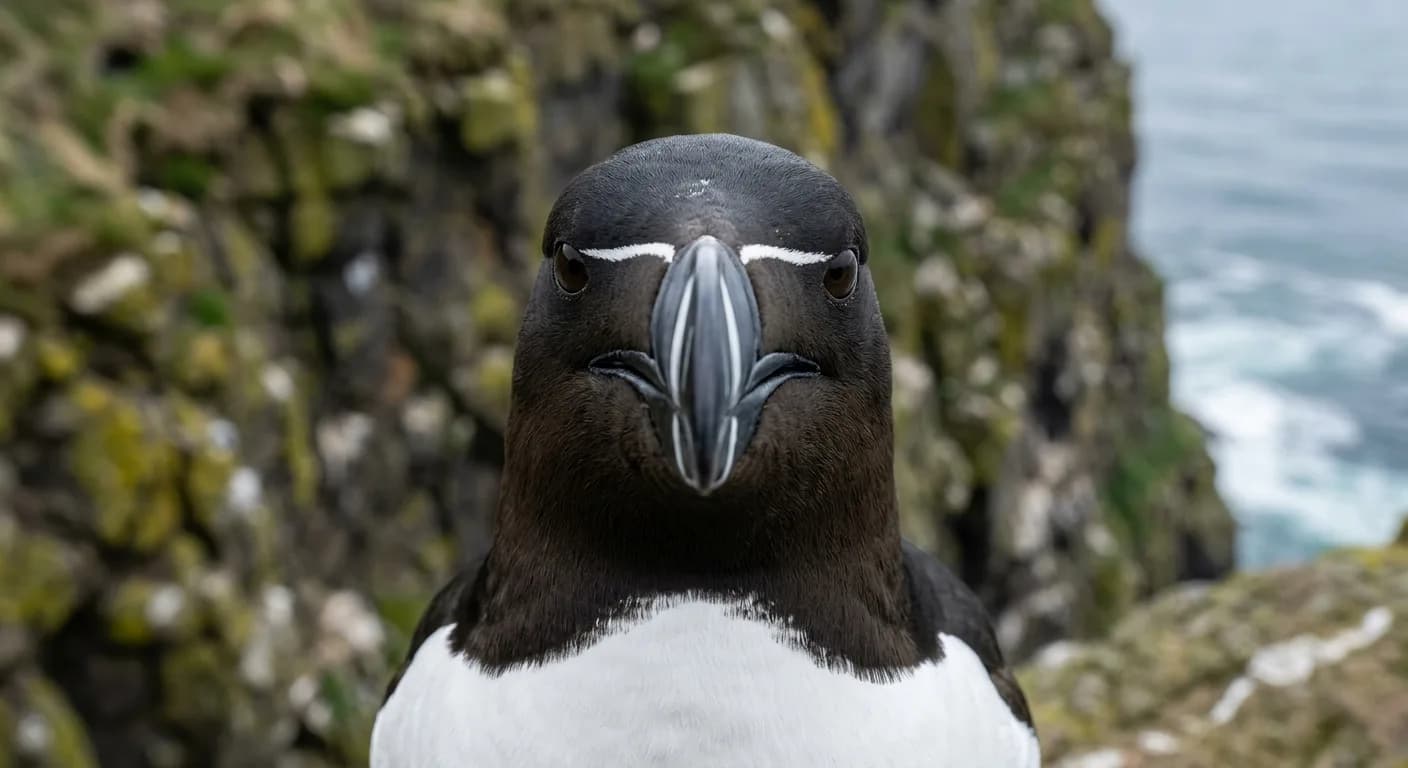
RazorbillLeast Concern

Razorbill

Alca torda

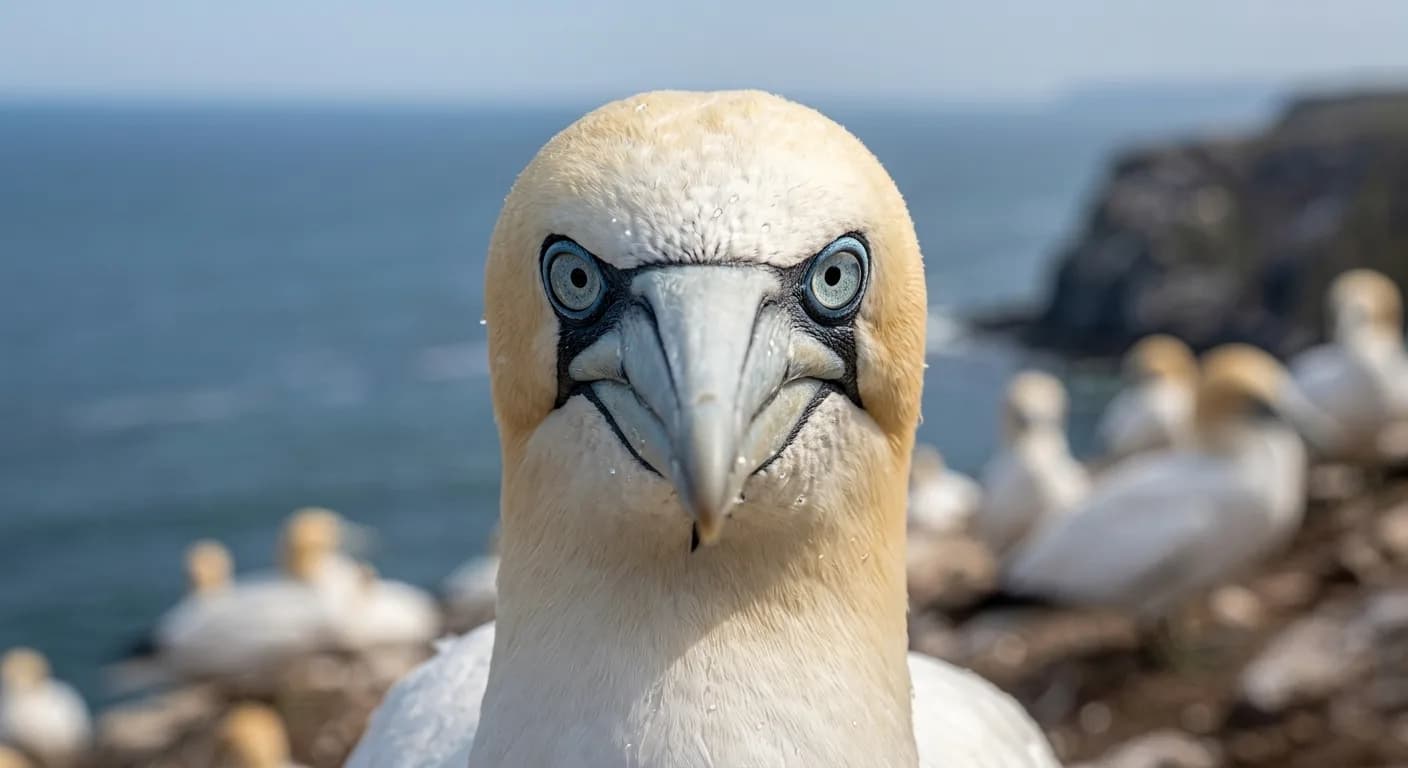
Northern GannetLeast Concern

Northern Gannet

Morus bassanus

Common MurreLeast Concern

Common Murre

Uria aalge

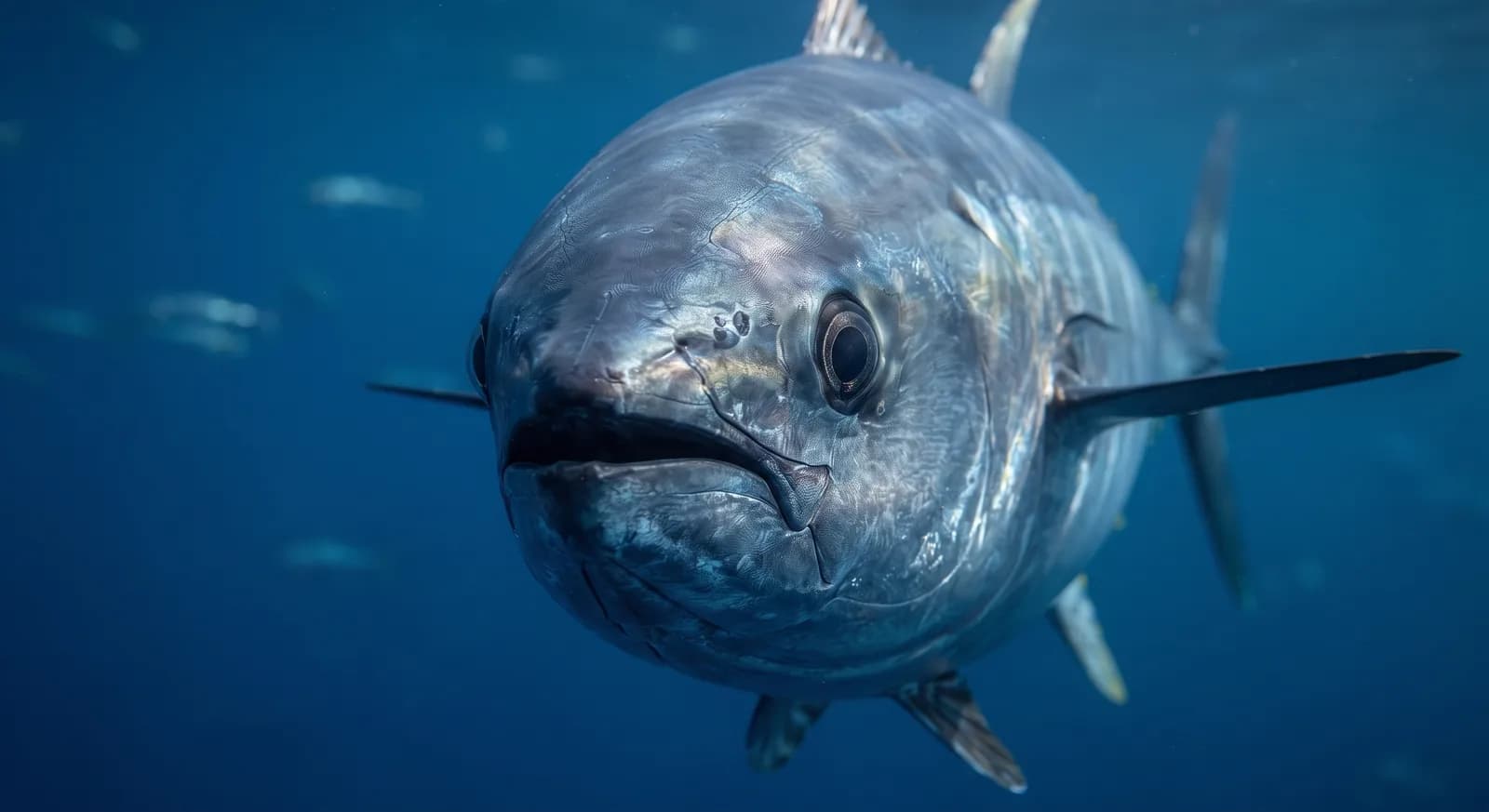
Atlantic Bluefin TunaEndangered

Atlantic Bluefin Tuna

Thunnus thynnus

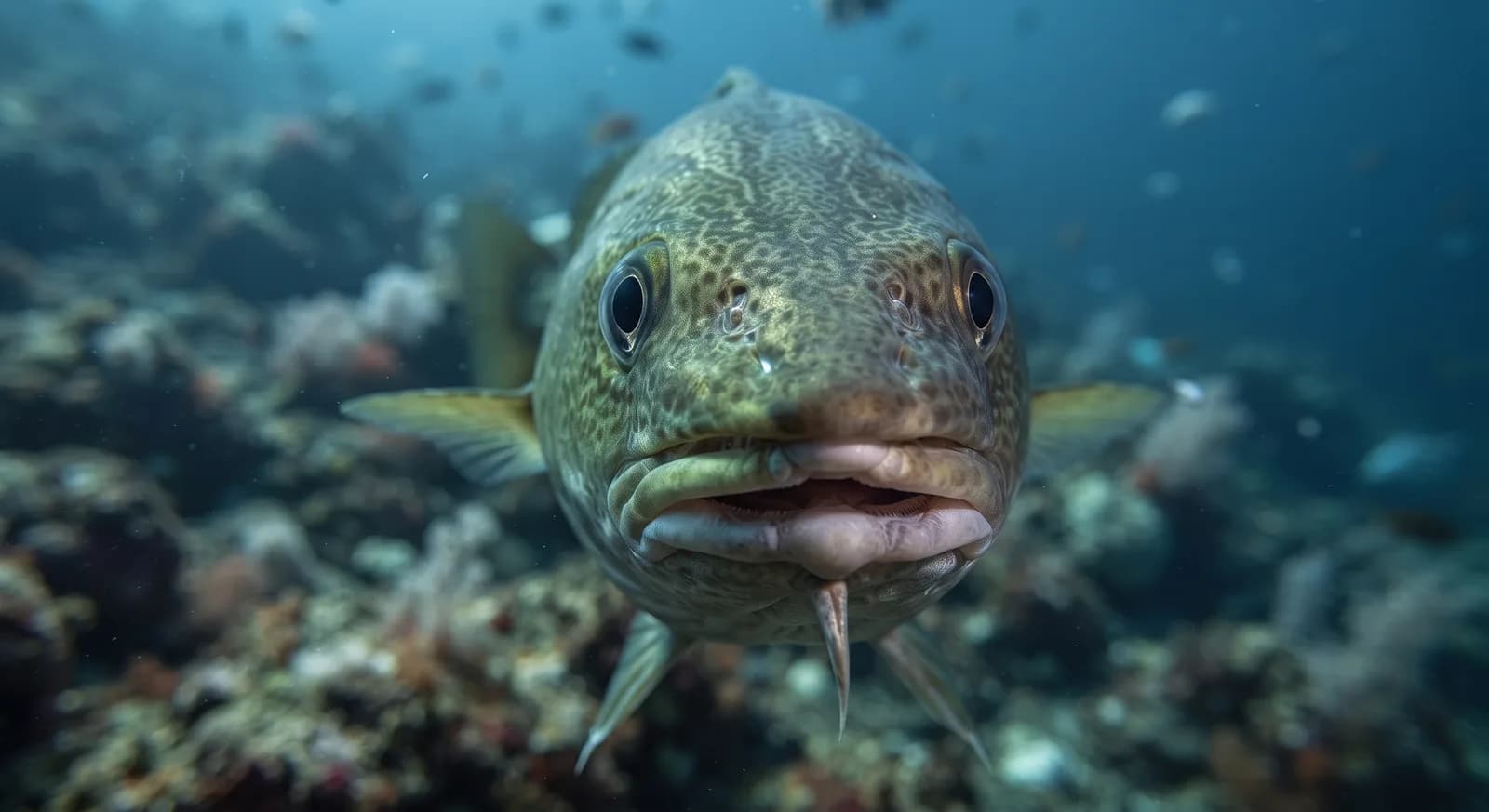
CodVulnerable

Cod

Gadus morhua

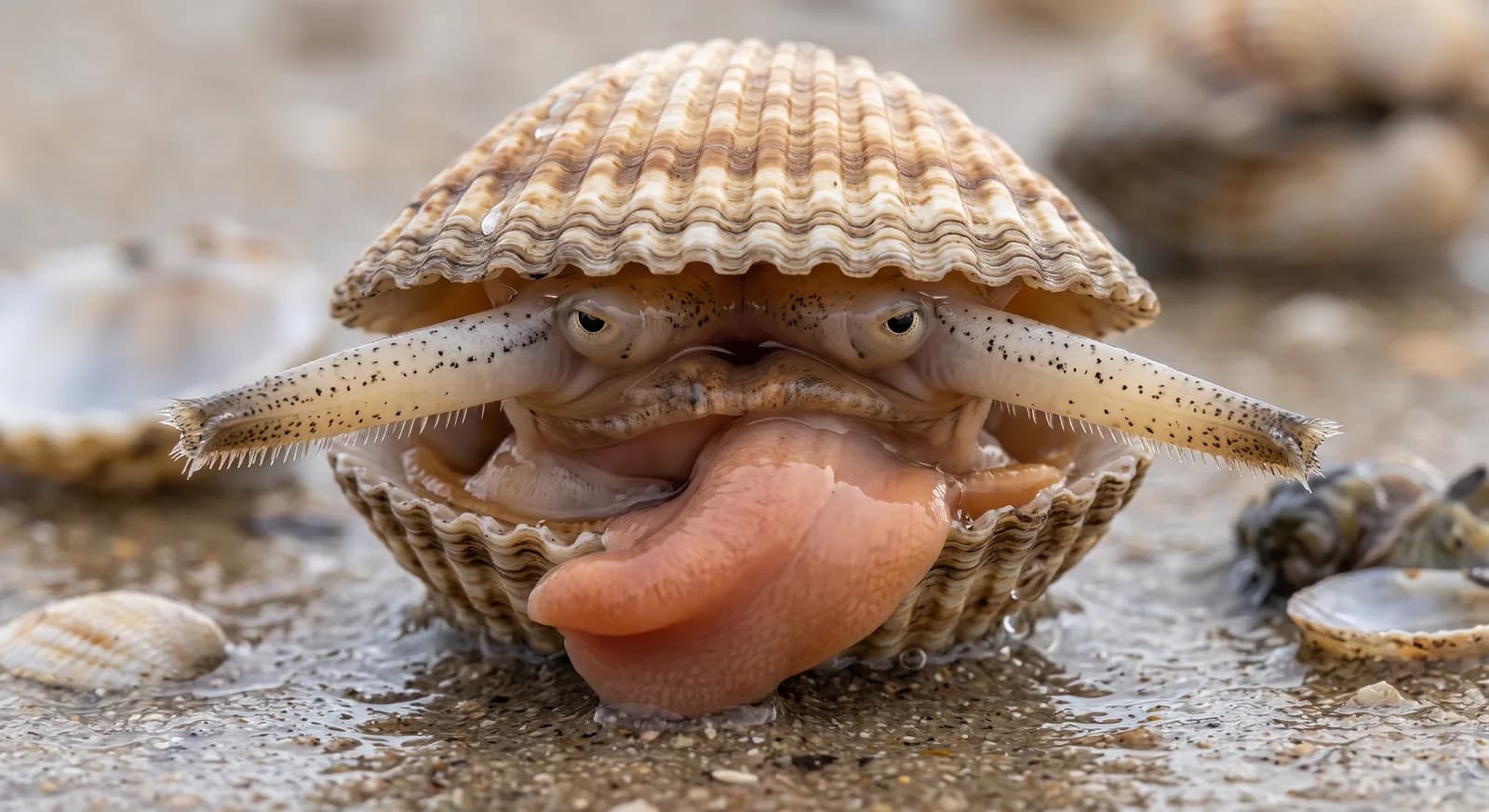
Common CockleNot Evaluated

Common Cockle

Cerastoderma edule

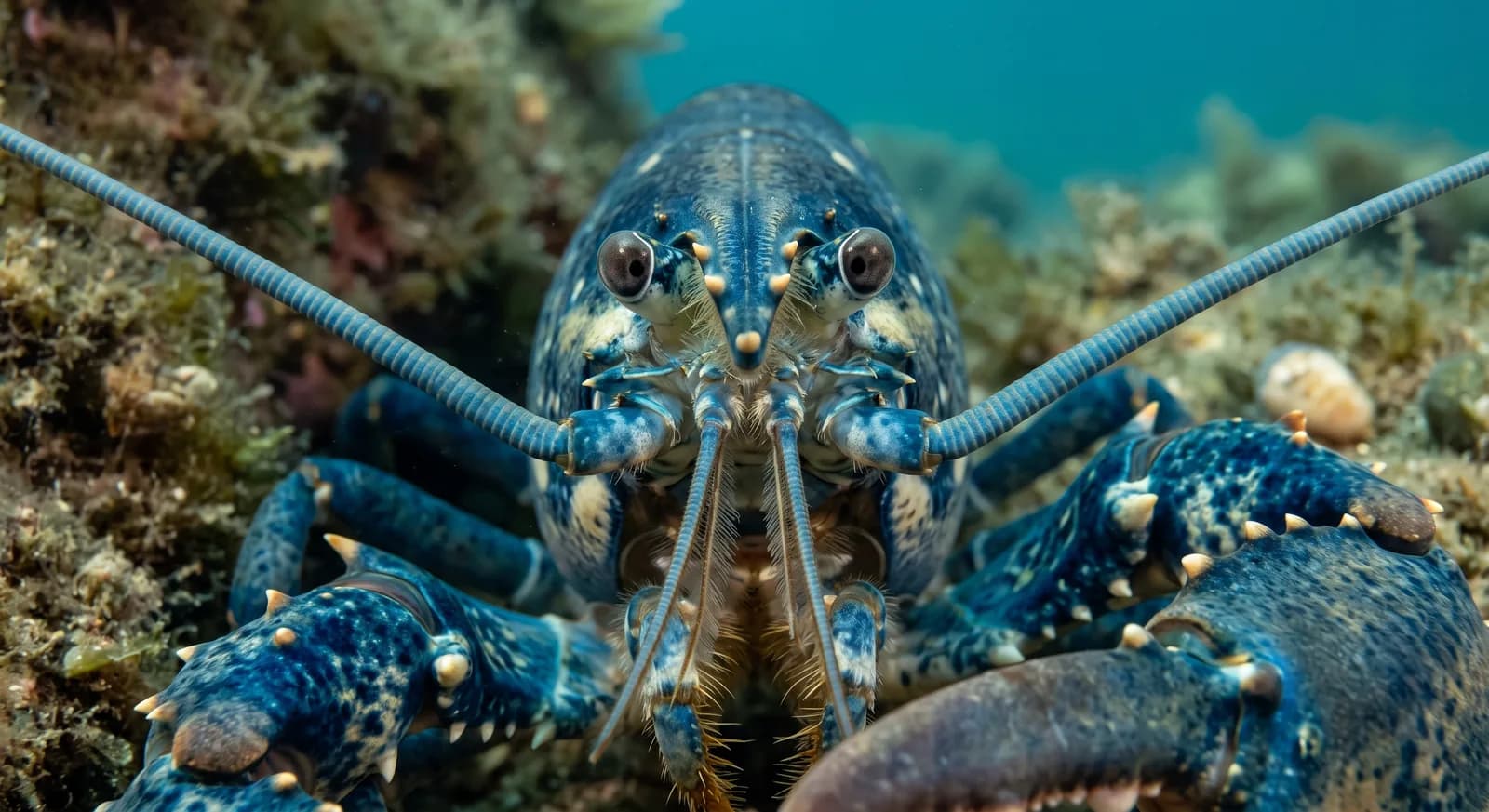
Common LobsterLeast Concern

Common Lobster

Homarus gammarus

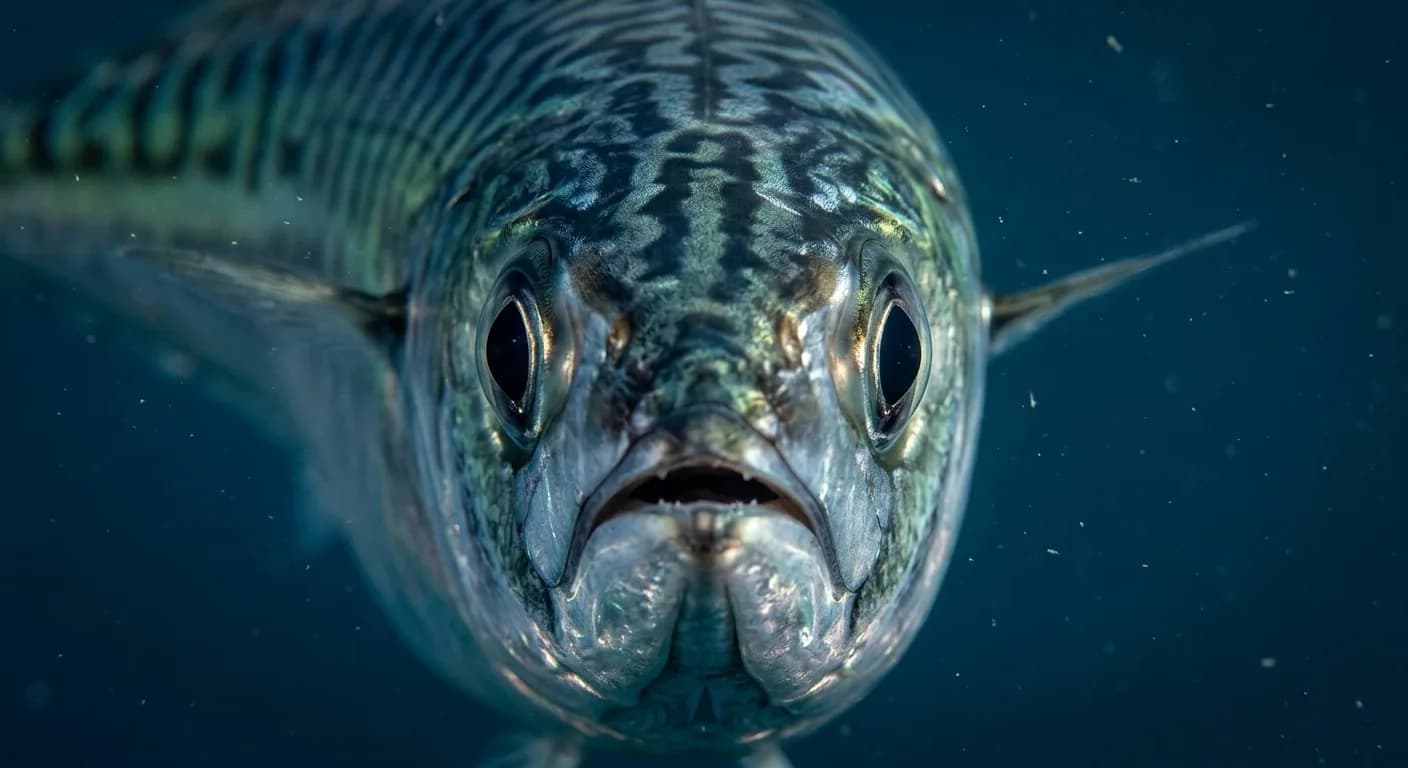
MackerelLeast Concern

Mackerel

Scomber scombrus

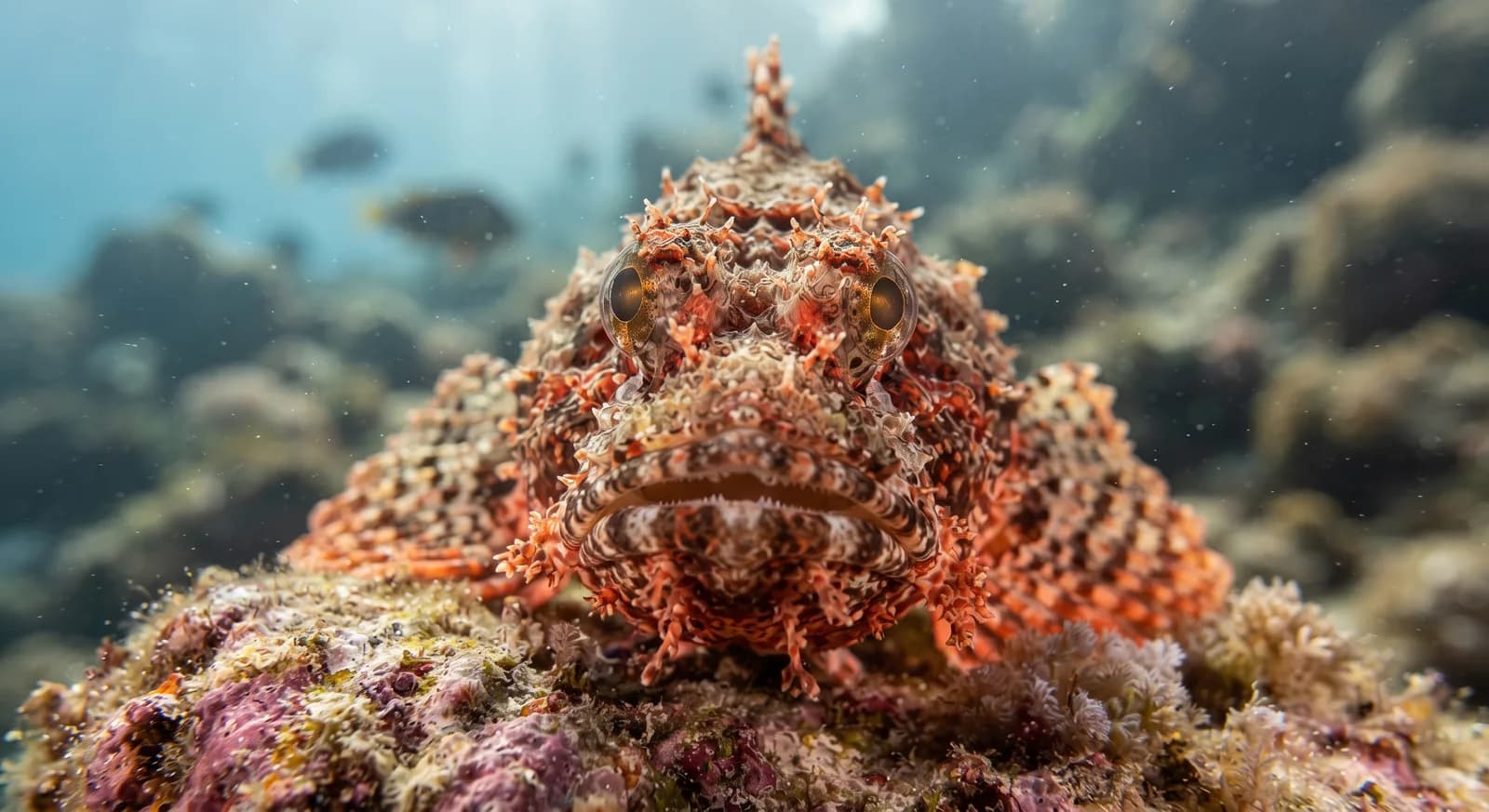
Red ScorpionfishLeast Concern

Red Scorpionfish

Scorpaena scrofa

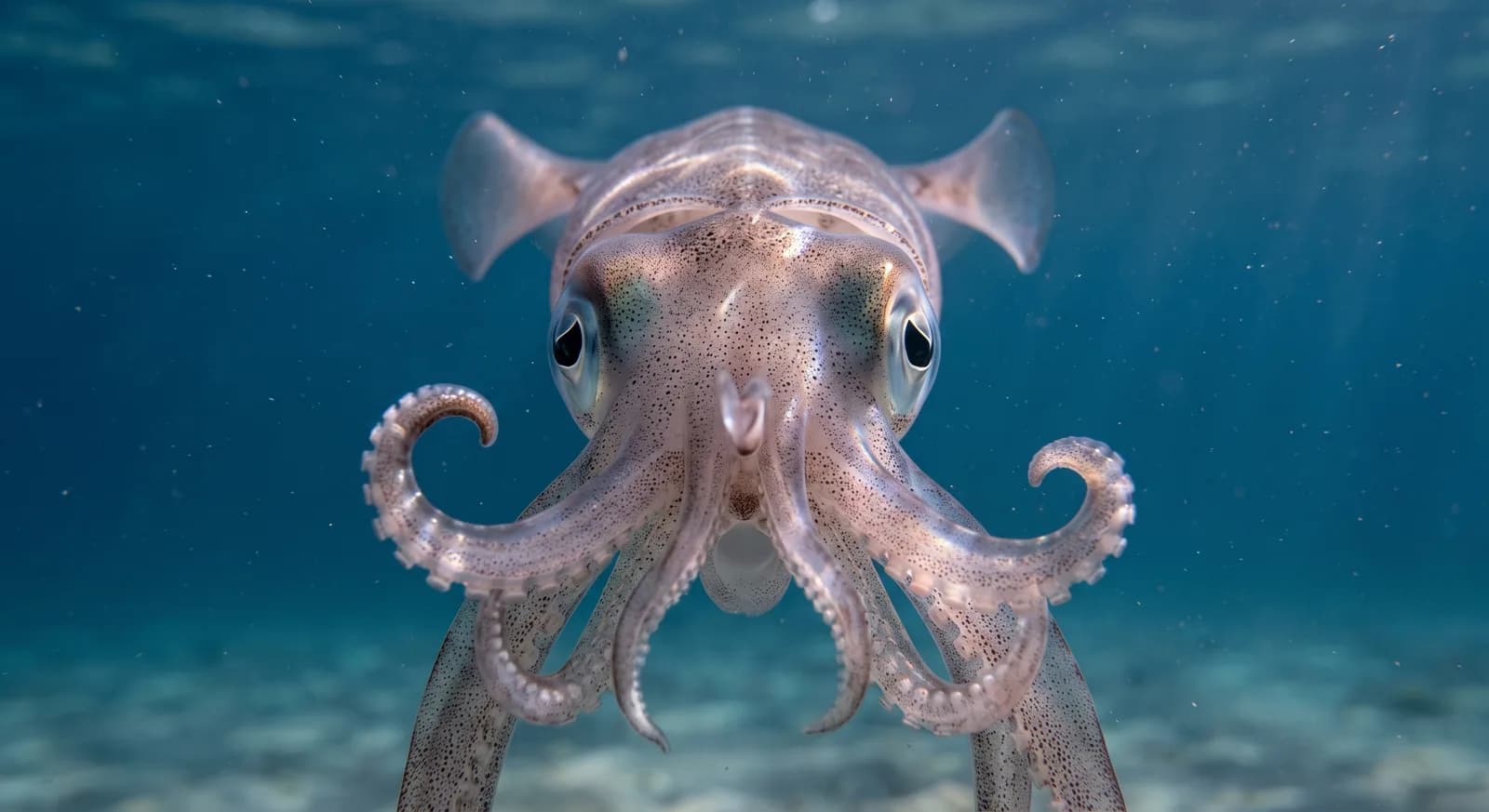
European SquidNot Evaluated

European Squid

Loligo vulgaris

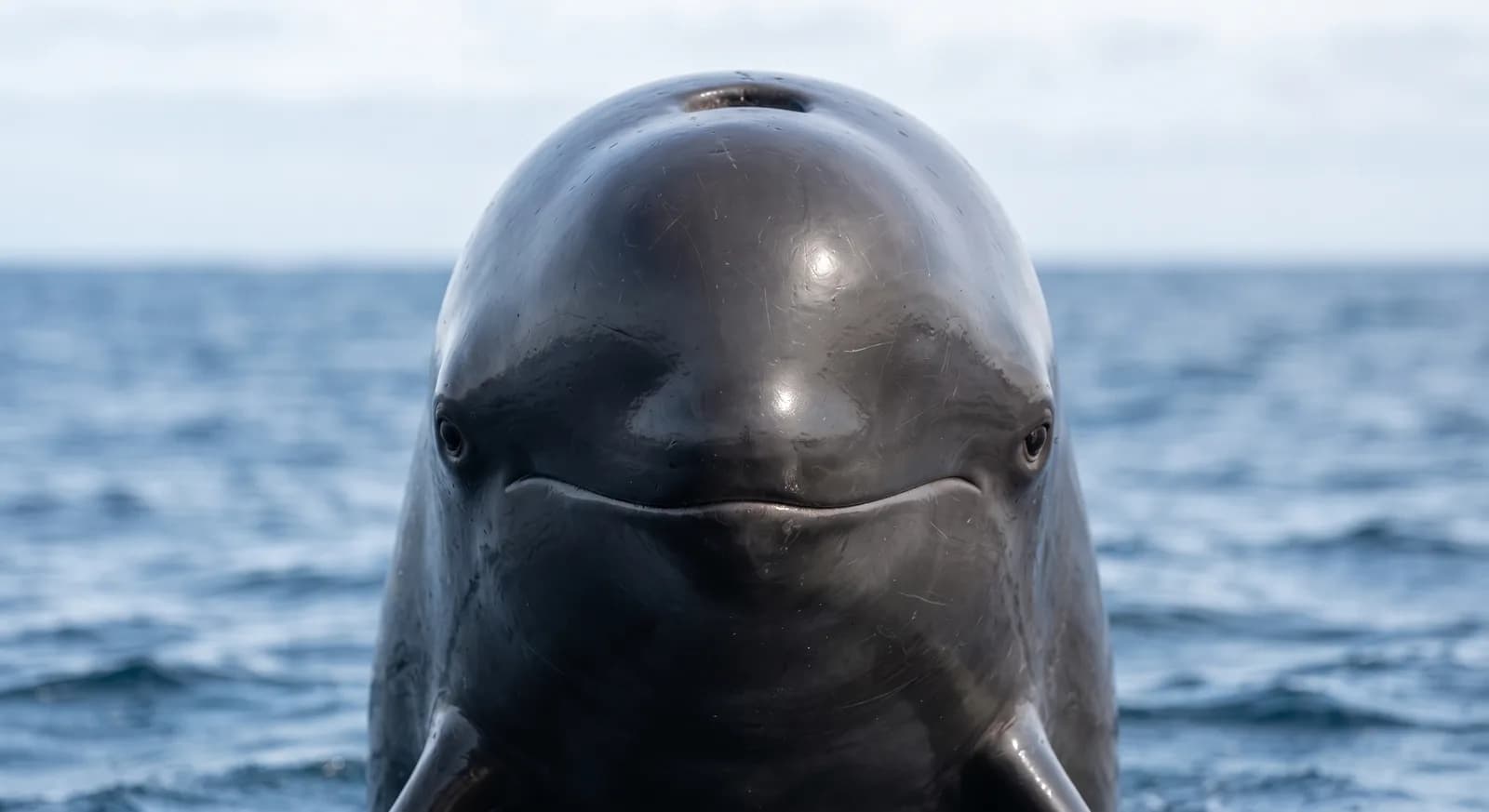
Long-finned Pilot WhaleLeast Concern

Long-finned Pilot Whale

Globicephala melas

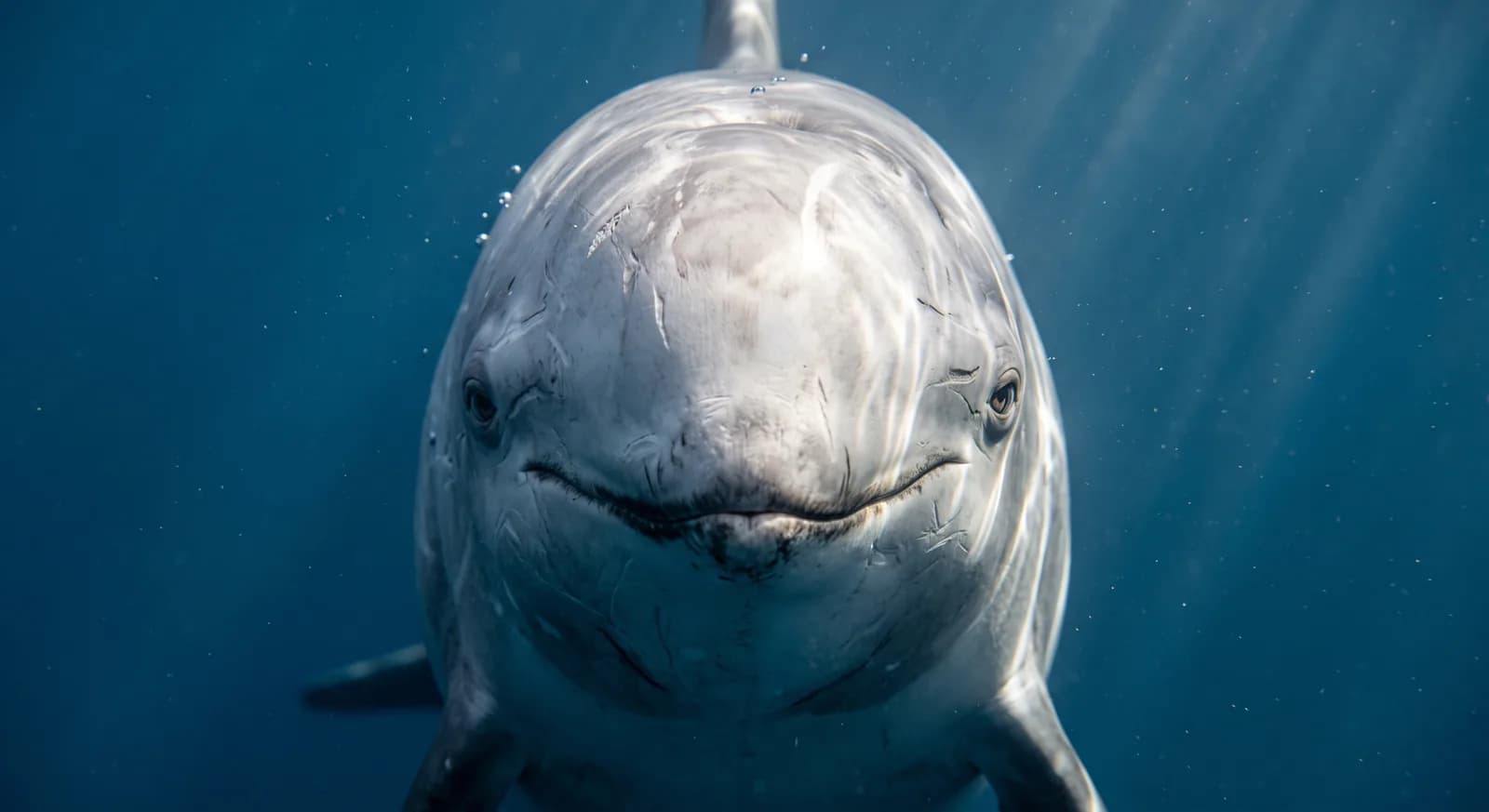
Risso's DolphinLeast Concern

Risso's Dolphin

Grampus griseus

See all 118 species found here

Northern GannetLeast Concern

Northern Gannet

Morus bassanus

Now is a good time: Northern gannet colony on Bass Rock (Late February to October (peak Jun-Aug))

United Kingdom · Western Europe
See on the interactive map→

Plymouth Sound (wrecks)

Lundy Island

Isles of Scilly

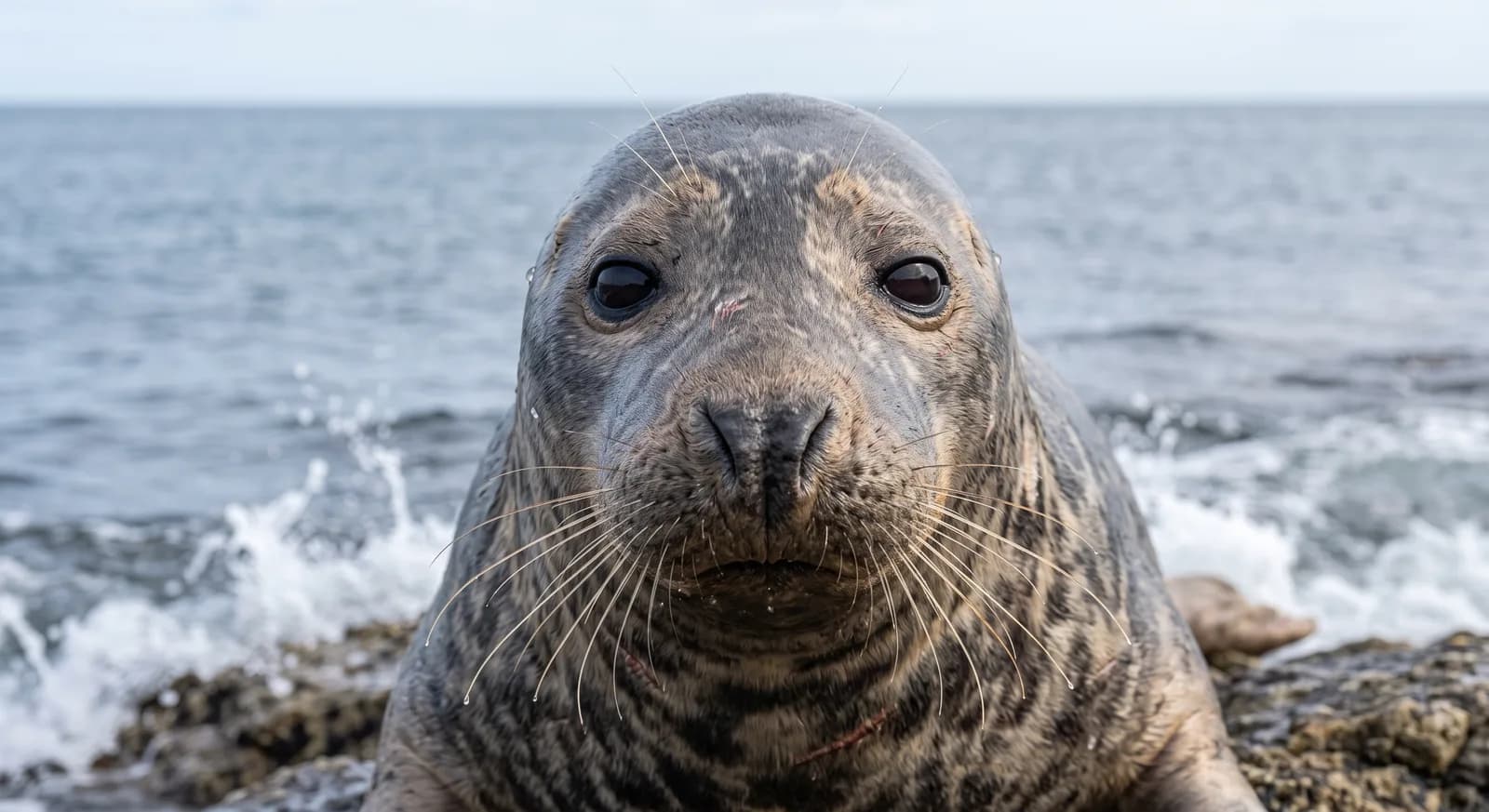
Grey SealLeast Concern

Grey Seal

Halichoerus grypus

Red DeerLeast Concern

Red Deer

Cervus elaphus

Common StarlingLeast Concern

Common Starling

Sturnus vulgaris

UNESCO
World Heritage Site (Natural)

Giant's Causeway

United Kingdom

Fulmar · European Shag

May to September

See park
UNESCO
World Heritage Site (Natural)

Henderson Island

United Kingdom

Henderson Crake · Henderson Fruit Dove

May to September

See park
UNESCO
World Heritage Site (Natural)

Gough and Inaccessible Islands

United Kingdom

Tristan Albatross · Gough Petrel

May to September

See park
National Park (protected landscape)

Snowdonia (Eryri)

United Kingdom

Feral goat

May to September

See park
DivingPlymouth Sound (wrecks)97 km away
CountryUnited Kingdom
This page in other languages: Español · Deutsch · Français · Português · Italiano
World Heritage