National ParkUNESCO World Heritage
Alejandro de Humboldt
Caribbean (Holguín/Guantánamo)Designated in 1996709 km²
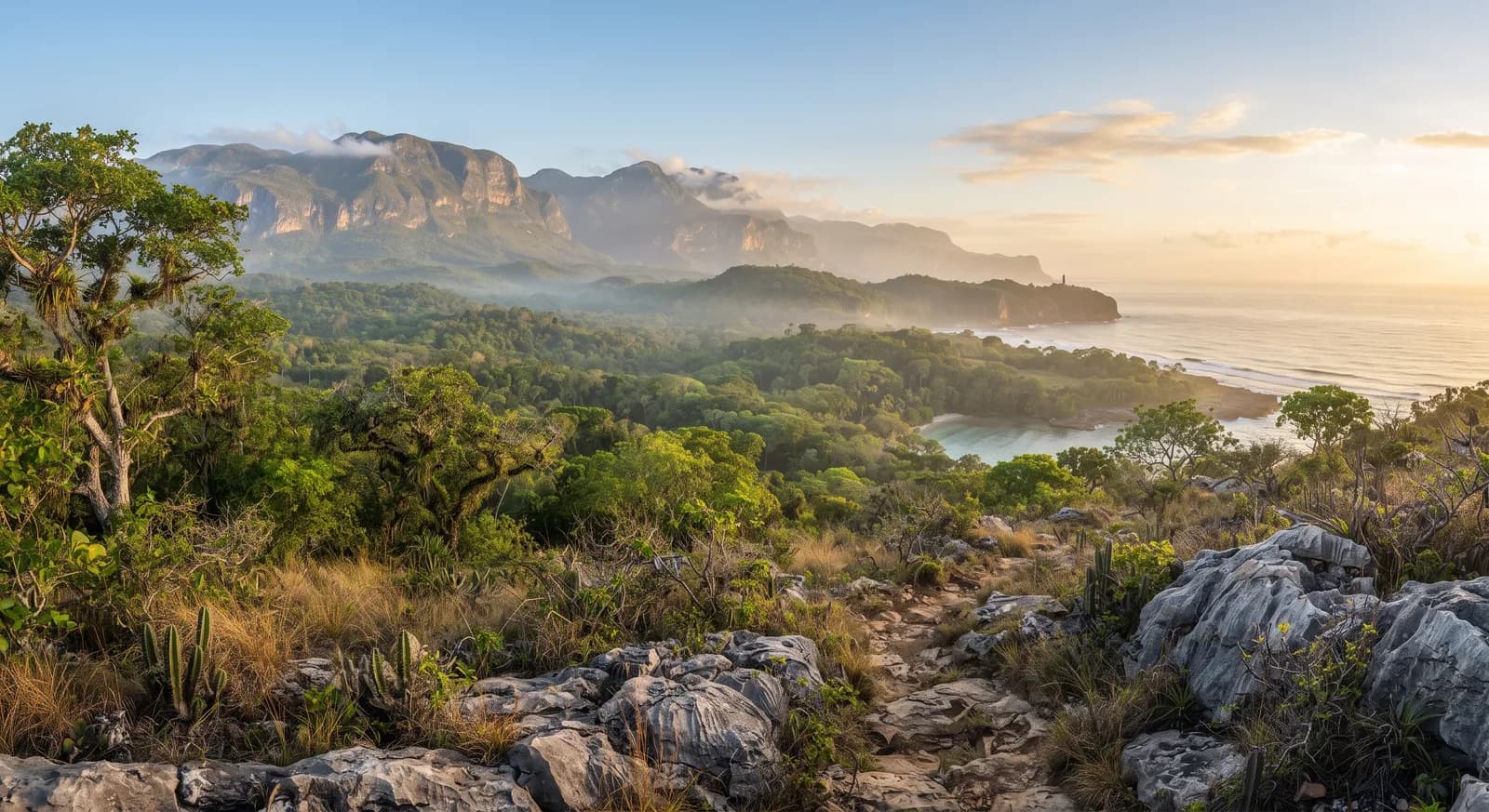
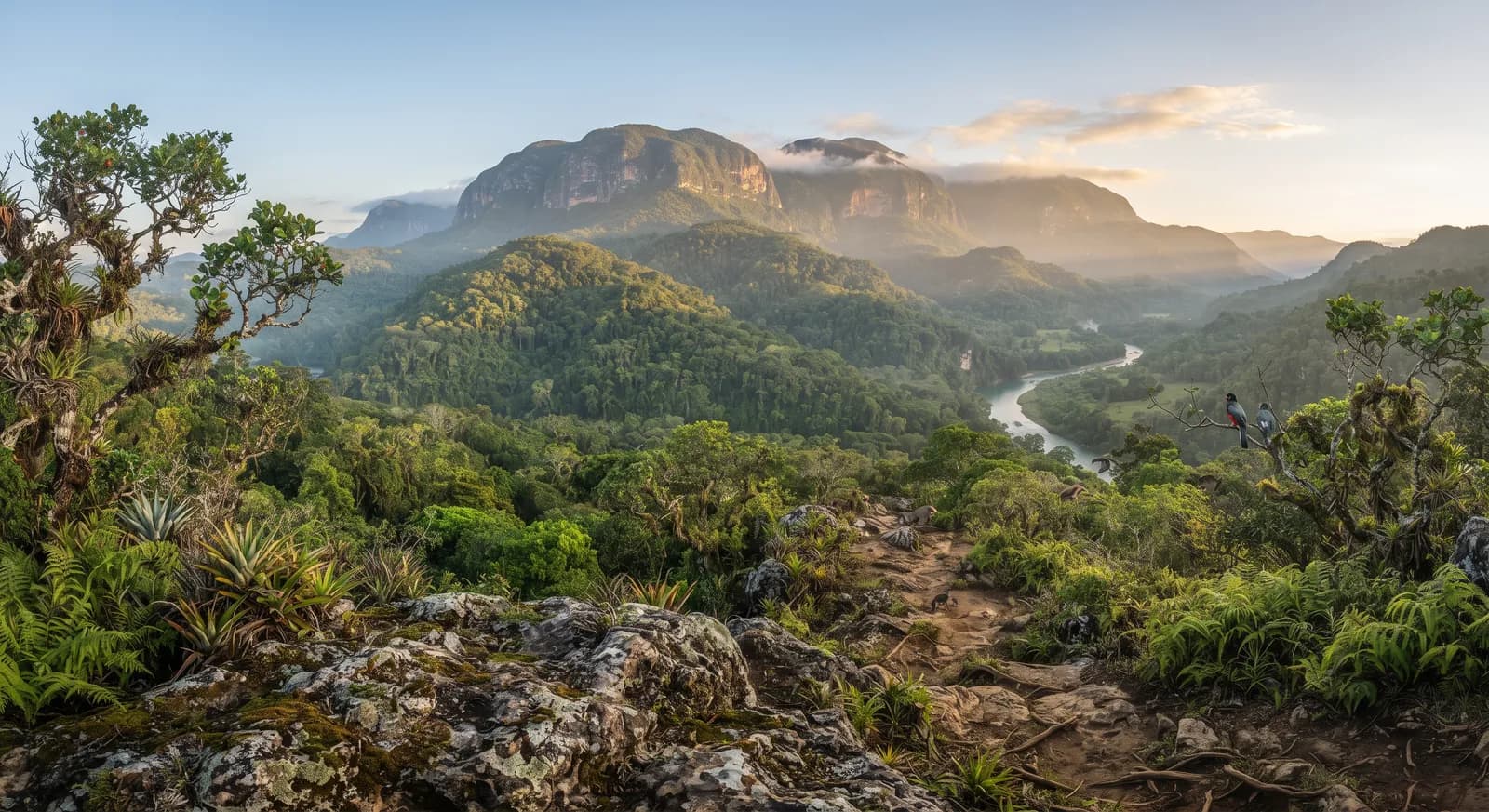
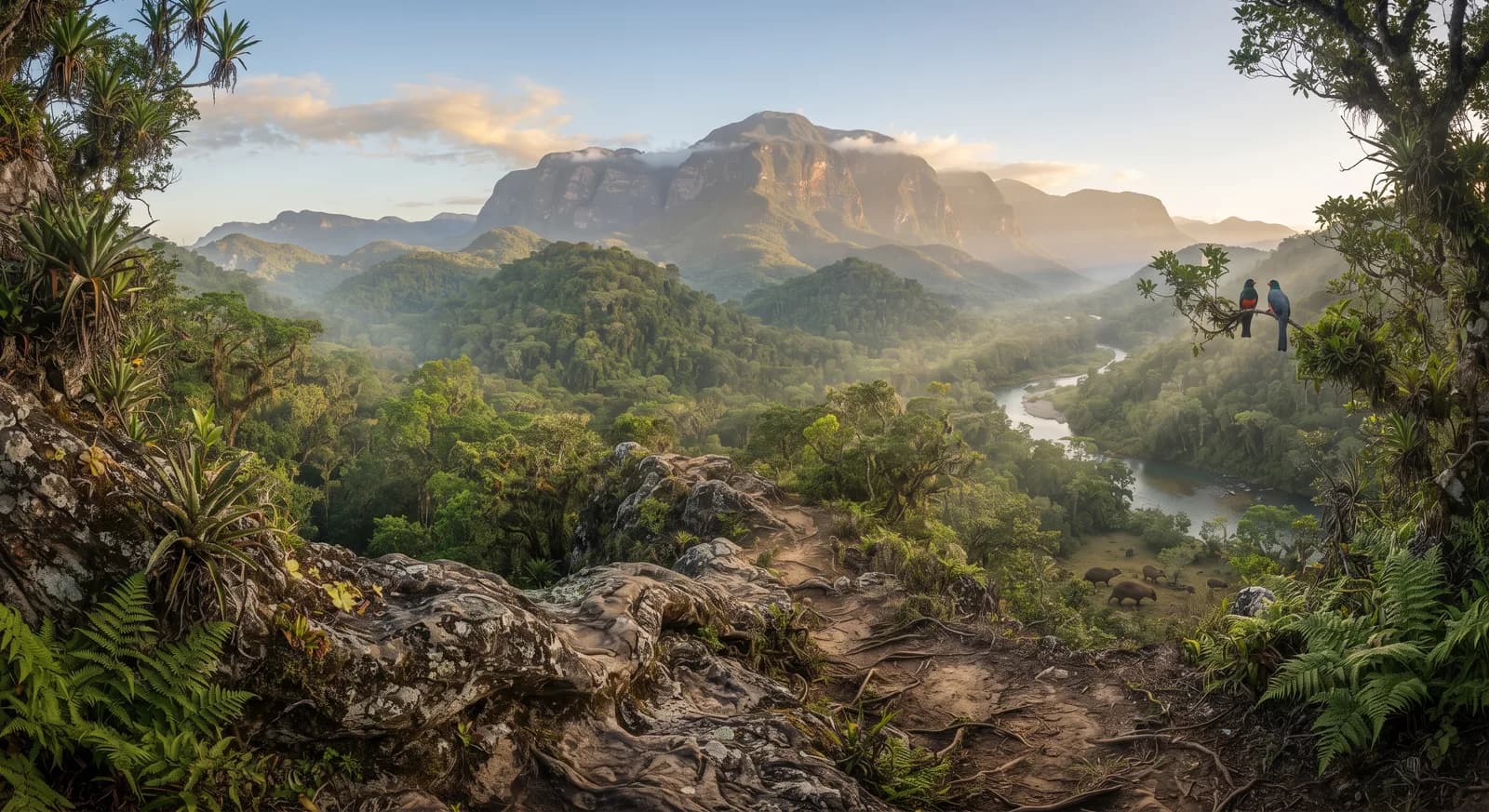
The largest and most important remnant of rainforest in the insular Caribbean; named after the naturalist who visited Cuba in 1800-1801
Area
709 km²
Protection category
IUCN II
Parque nacional —
Designated in
1996
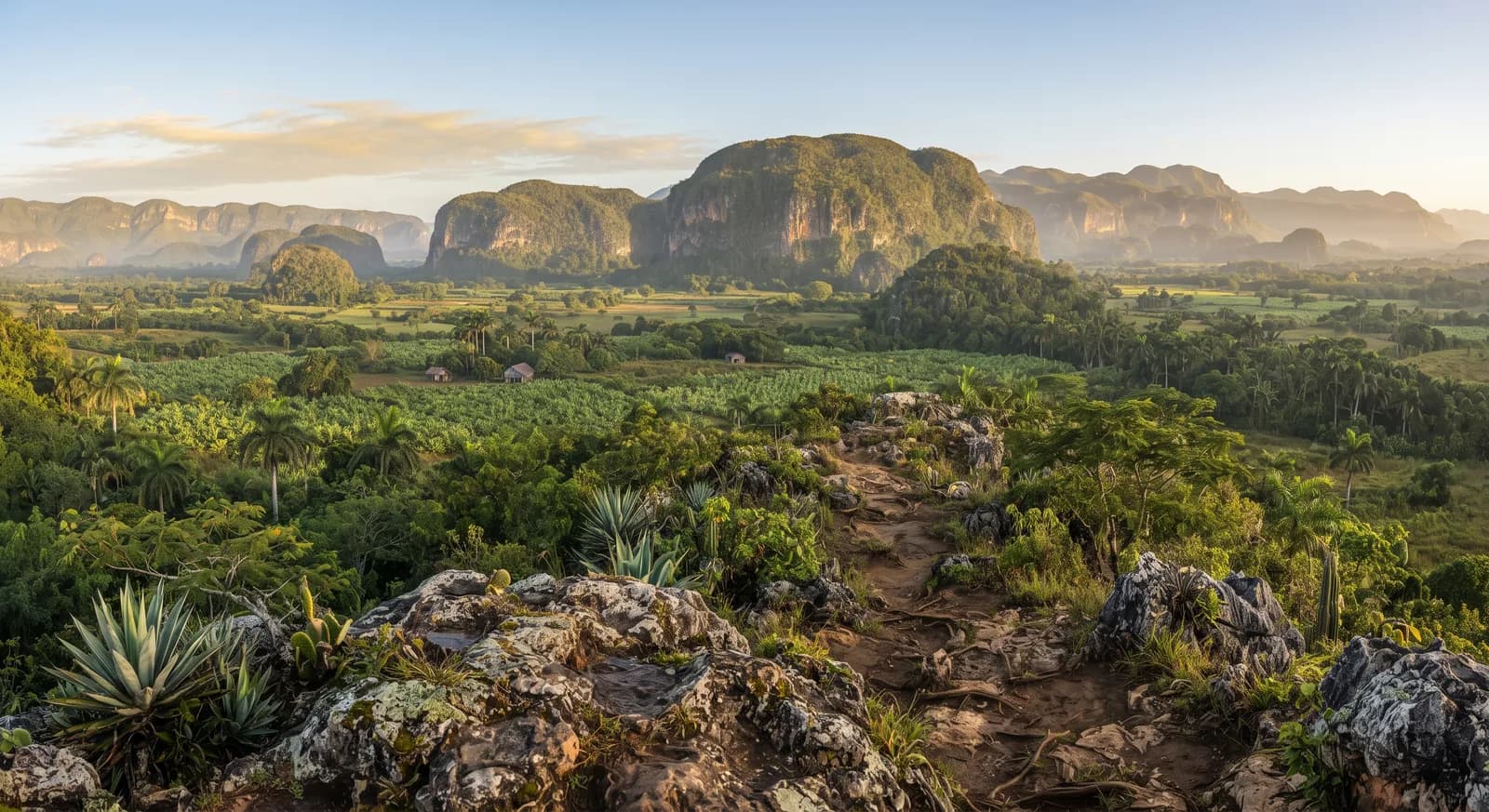
Declared in 1996 and a UNESCO World Heritage Site since 2001, it is named after the Prussian naturalist Alexander von Humboldt, who visited Cuba in 1800 and 1801 and was so struck by its biodiversity that he later described it as comparable to the Amazon he would go on to explore. It is the largest and most important remnant of rainforest in the insular Caribbean, with exceptional endemism thanks to the great geological diversity of its soils, which include some of the oldest ultramafic rocks in the Caribbean. It holds the Cuban solenodon, now listed as critically endangered and one of the most primitive living mammals on the planet — its lineage split from other mammals more than 70 million years ago and has come down virtually unchanged since the age of the dinosaurs.
Location
Loading map…
1 dive site within 300 km is also shown.
Alejandro de Humboldt: 11 documented species
Mammals4Birds4Reptiles2Amphibians
Flora and ecosystems
Ecosystems found in Cuba, where Alejandro de Humboldt lies.
Tropical rainforestSavannahMarine / coastalWetland
Experiences in this park
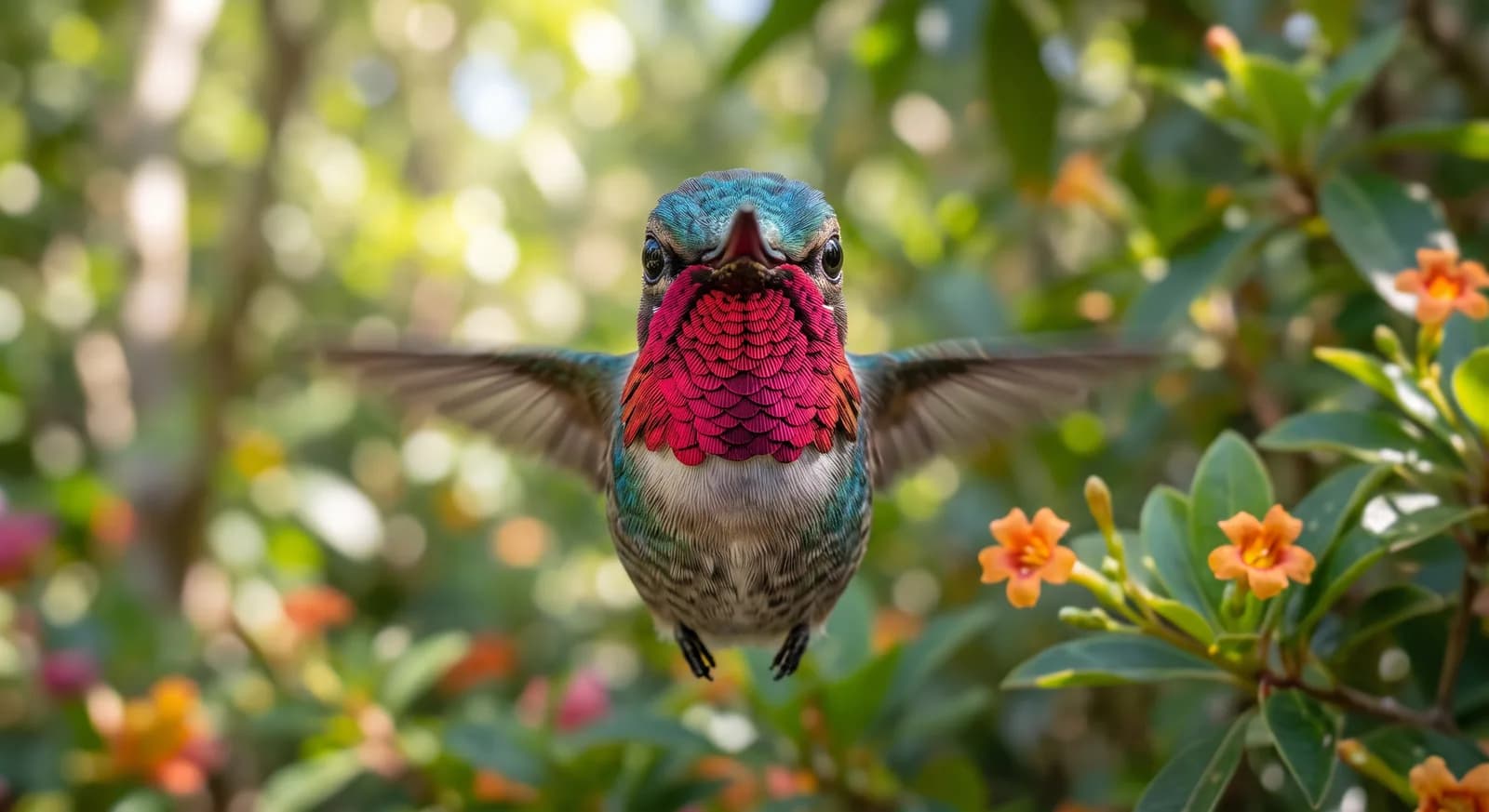
Diving and snorkellingBirdwatching
Nearby dive sites
Where can I dive near here?
296 km away
Similar parks
Which other parks are like this one?
Same country: Cuba
Same country: Cuba
Same country: Cuba
Same country: Cuba
Keep exploring
Based on what we already know about this park.
 Cuba