Skip to content
WAnimals
  • Map
  • Species
  • Parks
  • Diving
Log inCreate account
WAnimals

The guide for travellers and animal lovers: discover, plan and share your wild adventures around the world.

Discover wildlife

  • Species
  • Ecosystems
  • Glossary
  • Tags

Explore places

  • Map
  • Countries
  • Parks
  • Diving

Plan experiences

  • Guides

Learn

  • Blog

Resources

  • Help centre
  • Contact
  • Install the app

Follow us

Account

  • Log in
  • Create account

© 2026 WAnimals. All rights reserved.

About usHow we build our profilesTerms of servicePrivacyLegal notice
MapSpeciesParksDiving
  1. Home
  2. Species
  3. Bee Hummingbird
Bee Hummingbird (Mellisuga helenae)

Birds · Apodiformes · Trochilidae

Bee Hummingbird

Mellisuga helenae

Near Threatened

It could become threatened in the near future if current threats go unchecked.

Spotted something wrong?

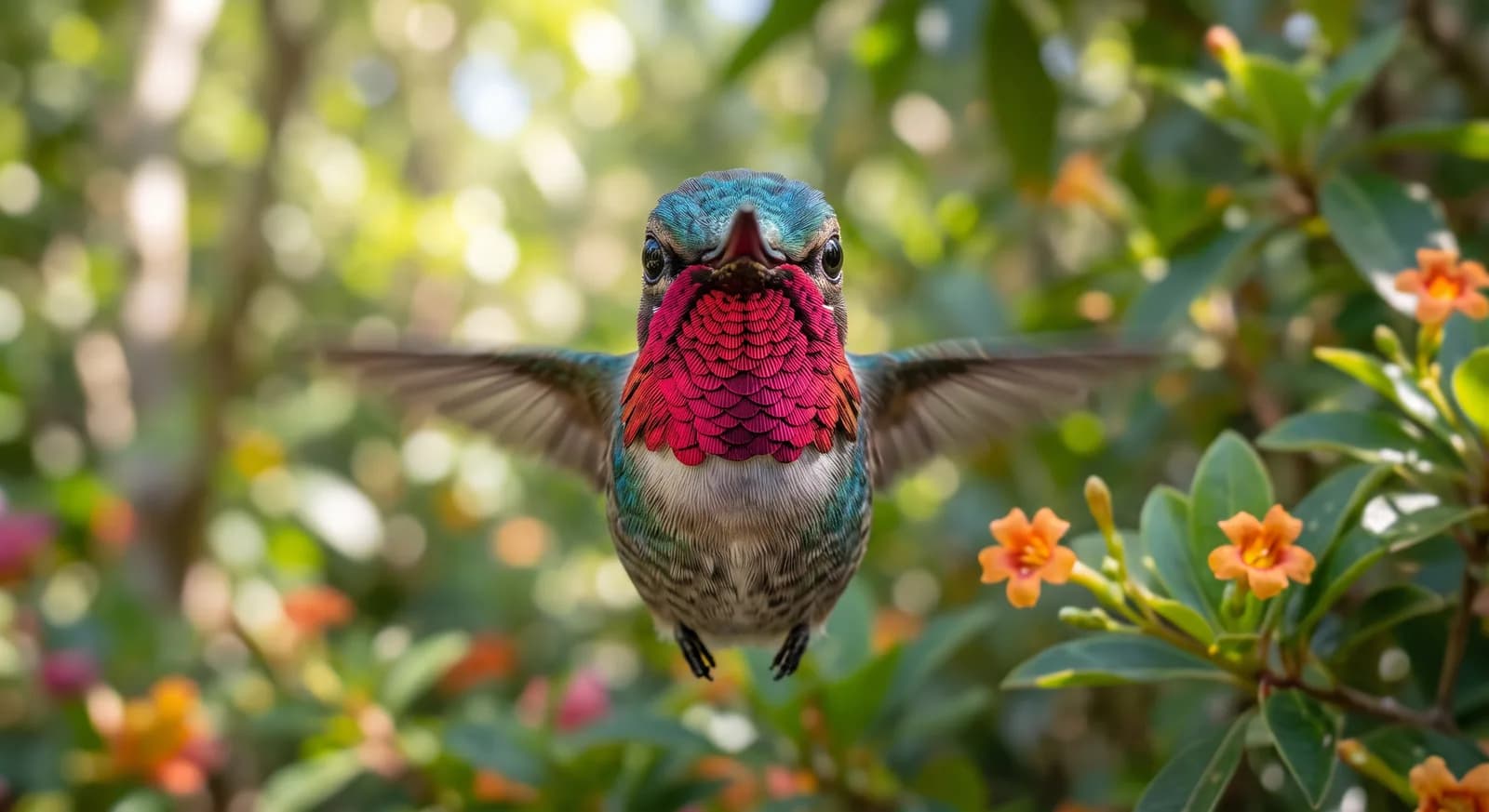
The bee hummingbird is the smallest bird in the world: it weighs some two grams, less than a coin, and measures just over five centimetres including bill and tail. It is endemic to Cuba. The male sports an intensely iridescent pink gorget during the breeding season. Its nest is the size of a thimble and its eggs the size of a coffee bean. It visits more than fifteen hundred flowers a day.

Weight

2 g – 3 g

Size

5 cm – 6 cm

Life expectancy

7 years

Diet

Nectarivore

Feeds mainly on flower nectar.

Activity

Diurnal

Active mainly during the day.

Social structure

Solitary

Lives and hunts alone, joining others only to breed.

Sighting difficulty

Moderate

RainforestTemperate forestIslands
1countries7parks15same family

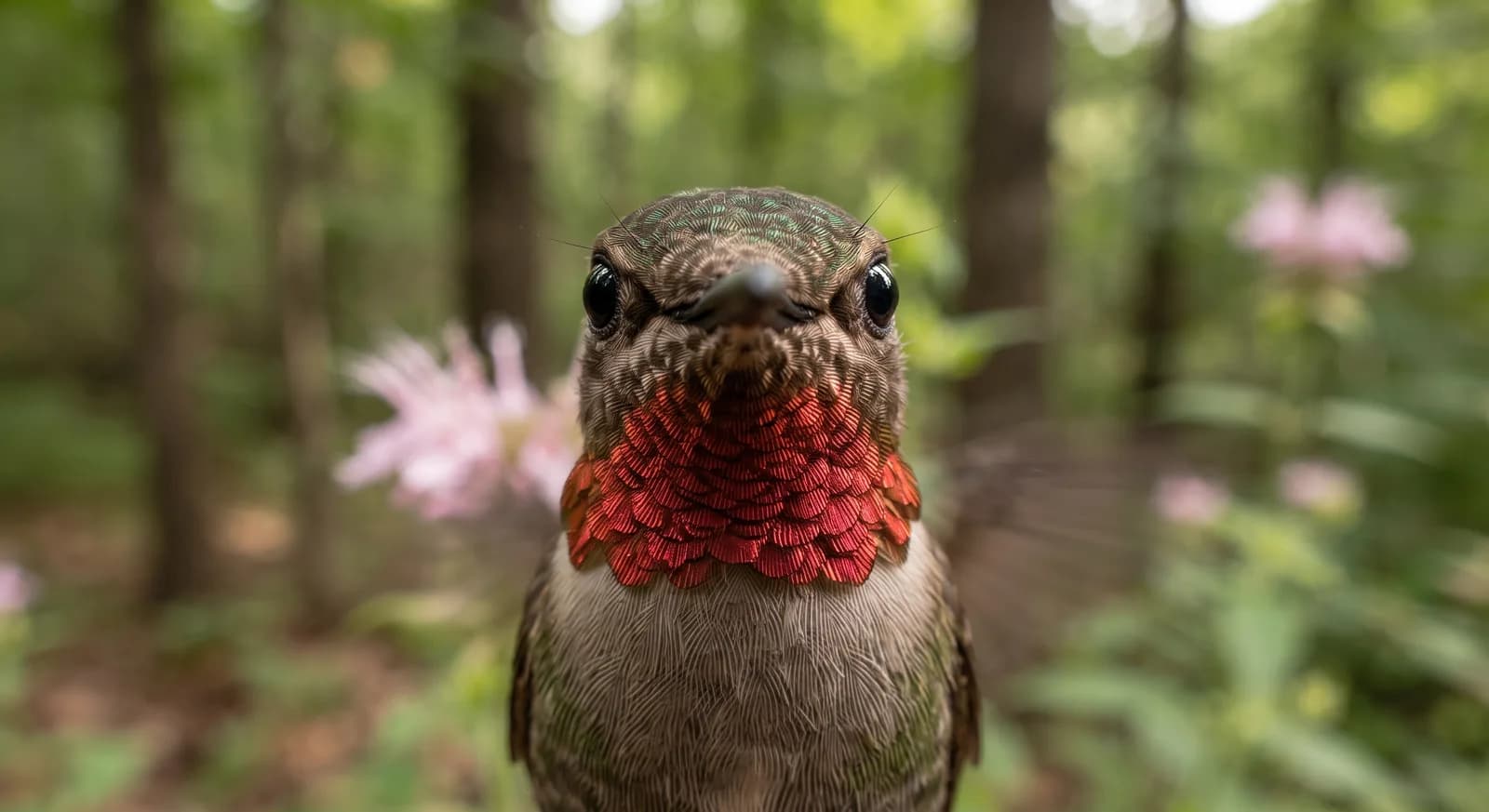
AI-generated images: illustrations, not photographs.

Fun facts

  • GeneralThe smallest bird in the world: 6 cm and 2 g, less than a coin.
  • It is the smallest bird on the planet: it weighs some two grams, less than a one-cent coin, and there are butterflies and beetles larger than it.
  • Its heart beats more than twelve hundred times a minute in flight and its wings beat eighty times a second, producing the humming from which its onomatopoeic Cuban name is taken.
  • Every night it enters torpor: it lowers its body temperature and metabolism almost to a standstill, because it could not survive the night at the energy cost of its daytime rate.

Life cycle and biology

Skeleton type
Vertebrate - internal bony skeleton (bird)
Habitat and environment
Woodland, coastal scrub, gardens and flowering areas throughout Cuba and the Isla de la Juventud
Sexual maturity
12 months
Gestation / incubation
17 days of incubation
Litter / clutch size
2 eggs

Sources consulted: https://es.wikipedia.org/wiki/Mellisuga_helenae

Where to find it

Loading map…

The pins mark the parks where its presence is documented.

Where to see it

Parks and dive sites where this species has been documented.

Related species

Other species in the catalogue with the most in common with Bee Hummingbird — same habitat, park, country, tags or family.

Same taxonomic family
Shares a park
Shares a park
Same taxonomic family
Shares a park
Shares a park

Keep exploring

Based on what we already know about bee hummingbird.

Comments

Share an experience, a fun fact or a tip for seeing the bee hummingbird.

Be the first to comment.

See full glossary
This page in other languages: Español · Deutsch · Français · Português · Italiano
See its range on the interactive map→
ViñalesCuba
Desembarco del GranmaCuba
Alejandro de HumboldtCuba
Ciénaga de ZapataCuba
Sierra del RosarioCuba
GuanahacabibesCuba
Topes de CollantesCuba
Cuban EmeraldLeast Concern

Cuban Emerald

Chlorostilbon ricordii

Cuban BoaNear Threatened

Cuban Boa

Chilabothrus angulifer

Cuban AmazonNear Threatened

Cuban Amazon

Amazona leucocephala

Ruby-Throated HummingbirdLeast Concern

Ruby-Throated Hummingbird

Archilochus colubris

Least Concern

Cuban Brown Anole

Anolis sagrei

Least Concern

Cuban Treefrog

Osteopilus septentrionalis

CountriesCuba
ParksViñalesCuba
TagsNectarivore
Nectarivore
Diurnal
Solitary
Near Threatened
Bird
Rainforest
Temperate forest
Islands
Cuba