Skip to content
WAnimals
  • Map
  • Species
  • Parks
  • Diving
Log inCreate account
WAnimals

The guide for travellers and animal lovers: discover, plan and share your wild adventures around the world.

Discover wildlife

  • Species
  • Ecosystems
  • Glossary
  • Tags

Explore places

  • Map
  • Countries
  • Parks
  • Diving

Plan experiences

  • Guides

Learn

  • Blog

Resources

  • Help centre
  • Contact
  • Install the app

Follow us

Account

  • Log in
  • Create account

© 2026 WAnimals. All rights reserved.

About usHow we build our profilesTerms of servicePrivacyLegal notice
MapSpeciesParksDiving
  1. Home
  2. Species
  3. Cuban Boa

One of the 10 boas on WAnimals

Cuban Boa (Chilabothrus angulifer)

Reptiles · Squamata · Boidae

Cuban Boa

Chilabothrus angulifer

Near Threatened

It could become threatened in the near future if current threats go unchecked.

Spotted something wrong?

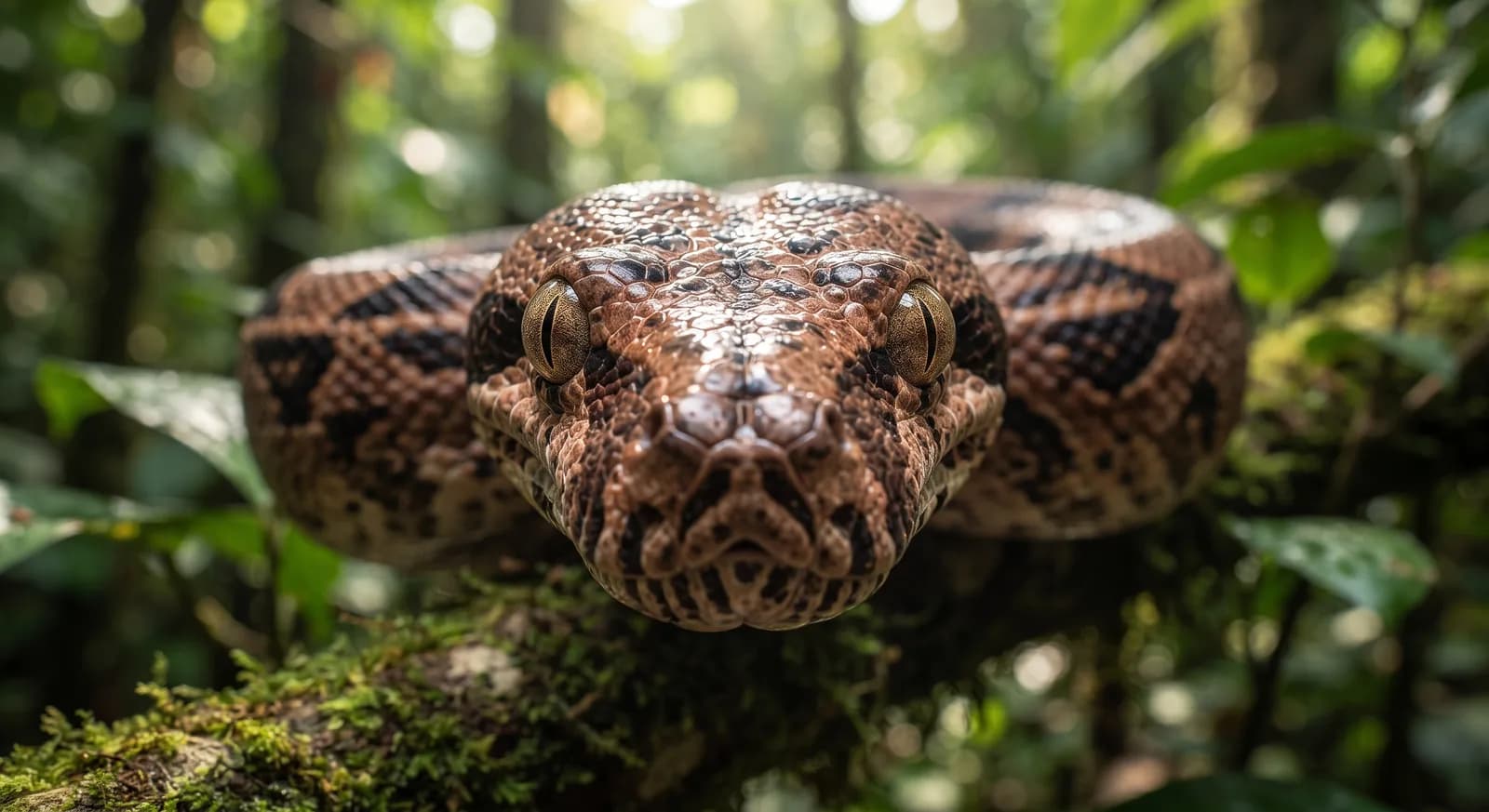
The Cuban boa, or majá de Santa María, is the largest snake in the Caribbean and the largest native land predator in Cuba. It hunts bats at cave entrances, hanging from the roof and catching them in flight. In 2017 the first known case of cooperative hunting in snakes was documented in this species.

Weight

10 kg – 30 kg

Size

3 m – 4.8 m

Life expectancy

30 years
Diet

Carnivore

Feeds mainly on other animals.

Activity

Nocturnal

Active mainly at night.

Social structure

Solitary

Lives and hunts alone, joining others only to breed.

Sighting difficulty

Moderate

RainforestTemperate forestIslands
1countries6parks11same family

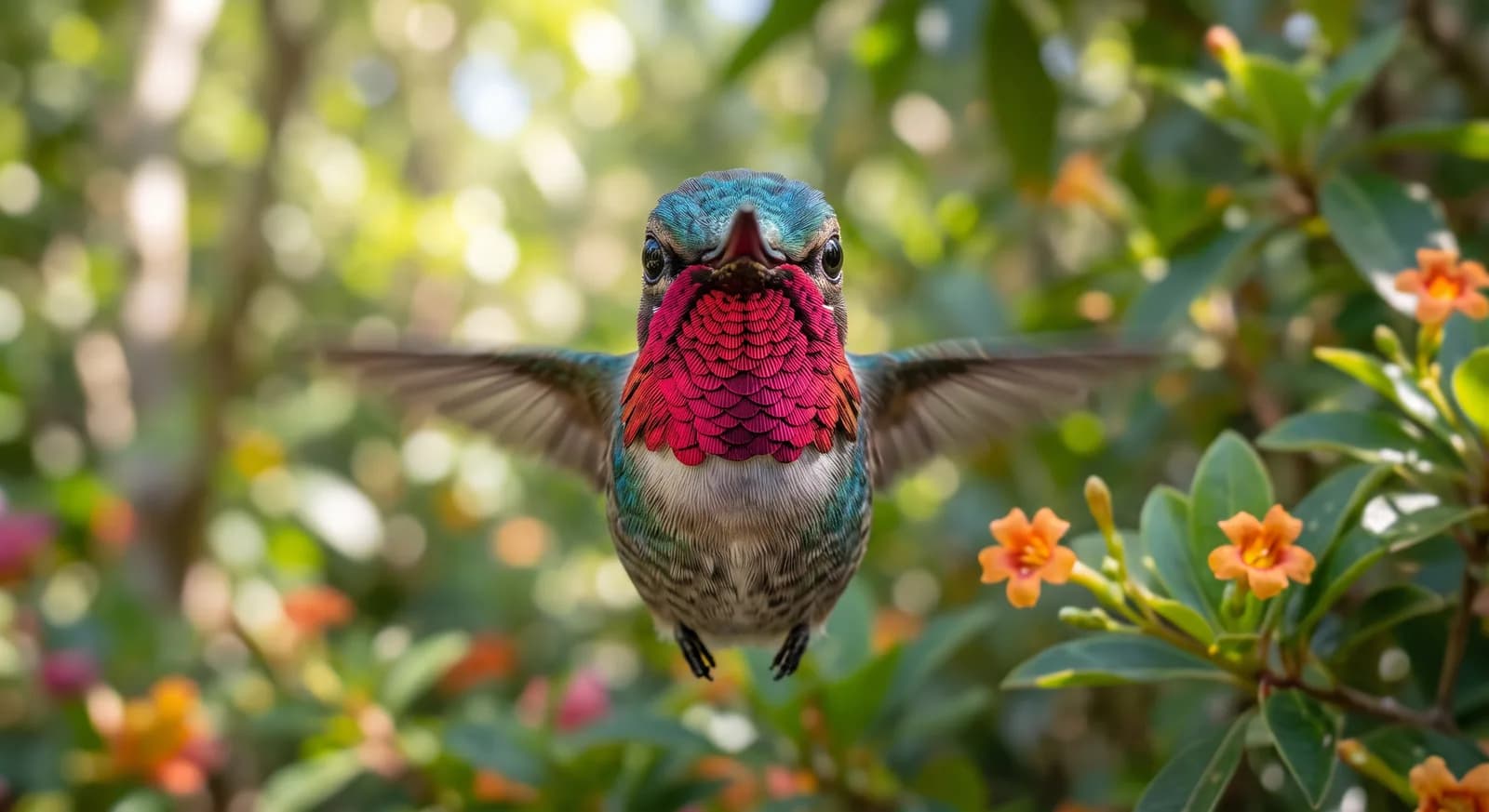
AI-generated images: illustrations, not photographs.

Fun facts

  • It is the only snake in the world in which cooperative hunting has been documented: several individuals position themselves in coordination at a cave mouth, forming a barrier with their bodies, and catch more bats than they would hunting separately.
  • It hunts hanging from the cave roof by its tail alone, snatching bats in flight in the half-light of dusk.
  • It is the largest native land predator in Cuba: on an island without large carnivores, this boa fills the niche that a felid or a canid would occupy on the mainland.

Life cycle and biology

Skeleton type
Vertebrate - internal bony skeleton (reptile)
Habitat and environment
Dry forest, karst scrub, caves and farmland of Cuba and the Isla de la Juventud
Sexual maturity
4 years
Gestation / incubation
6 months of gestation
Litter / clutch size
15 live young

Sources consulted: https://es.wikipedia.org/wiki/Chilabothrus_angulifer

Where to find it

Loading map…

The pins mark the parks where its presence is documented.

Where to see it

Parks and dive sites where this species has been documented.

Related species

Other species in the catalogue with the most in common with Cuban Boa — same habitat, park, country, tags or family.

Shares a park
Shares a park
Same taxonomic family
Shares a park
Shares a park
Shares a park

Keep exploring

Based on what we already know about cuban boa.

Comments

Share an experience, a fun fact or a tip for seeing the cuban boa.

Be the first to comment.

See full glossary
This page in other languages: Español · Deutsch · Français · Português · Italiano
See its range on the interactive map→
ViñalesCuba
Desembarco del GranmaCuba
Alejandro de HumboldtCuba
Ciénaga de ZapataCuba
Sierra del RosarioCuba
Topes de CollantesCuba
Bee HummingbirdNear Threatened

Bee Hummingbird

Mellisuga helenae

Cuban AmazonNear Threatened

Cuban Amazon

Amazona leucocephala

Red-tailed BoaNot Evaluated

Red-tailed Boa

Boa constrictor

Least Concern

Cuban Brown Anole

Anolis sagrei

Least Concern

Cuban Treefrog

Osteopilus septentrionalis

Cuban EmeraldLeast Concern

Cuban Emerald

Chlorostilbon ricordii

CountriesCuba
ParksViñalesCuba
TagsCarnivore
Carnivore
Nocturnal
Solitary
Near Threatened
Reptile
Rainforest
Temperate forest
Islands
Cuba