Skip to content
WAnimals
  • Map
  • Species
  • Parks
  • Diving
Log inCreate account
WAnimals

The guide for travellers and animal lovers: discover, plan and share your wild adventures around the world.

Discover wildlife

  • Species
  • Ecosystems
  • Glossary
  • Tags

Explore places

  • Map
  • Countries
  • Parks
  • Diving

Plan experiences

  • Guides

Learn

  • Blog

Resources

  • About us
  • How we build our profiles
  • Help centre
  • Contact
  • Install the app

Follow us

Account

  • Log in
  • Create account

© 2026 WAnimals. All rights reserved.

Terms of servicePrivacyCookiesLegal notice
MapSpeciesParksDiving
  1. Home
  2. Species
  3. Cuban Trogon
Cuban Trogon (Priotelus temnurus)

Birds · Trogoniformes · Trogonidae

Cuban Trogon

Priotelus temnurus

Least Concern

The species is abundant and widely distributed; it faces no significant short-term risk.

Spotted something wrong?

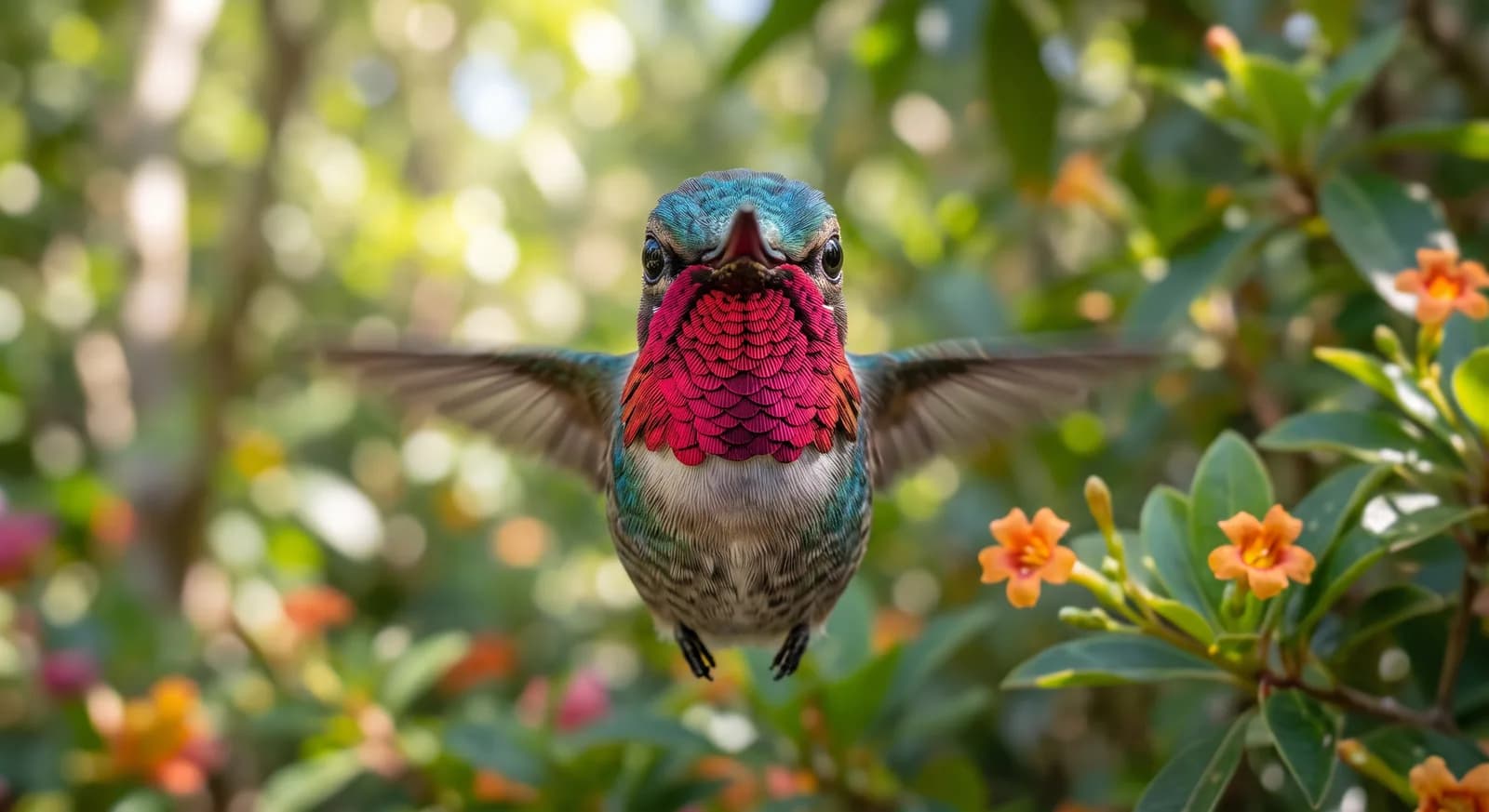
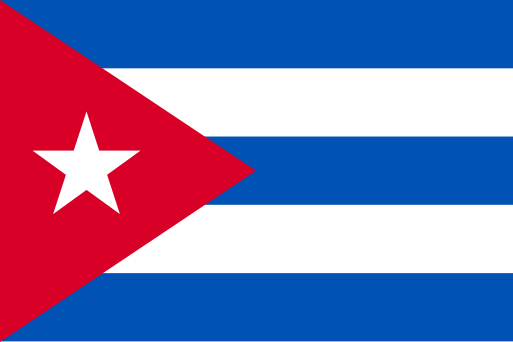
The Cuban trogon is the national bird of Cuba and a trogon endemic to the island. Its plumage carries exactly the colours of the Cuban flag: blue on the head and back, white on the breast and intense red on the belly. It nests in tree holes and in abandoned woodpecker holes, and eats fruit, flowers and insects. Its local name, tocororo, comes from its call, a repeated to-co-to-co heard throughout the Cuban woods.

Weight

50 g – 75 g

Size

25 cm – 28 cm

Life expectancy

10 years

Diet

Omnivore

Combines animal and plant food depending on availability.

Activity

Diurnal

Active mainly during the day.

Social structure

In pairs

Usually lives in pairs, sometimes for life.

RainforestTemperate forestIslands
1countries7parks5same family

AI-generated images: illustrations, not photographs.

Fun facts

  • historia culturalIts colours — green, white, blue and red — match those of the Cuban flag, which is why it is regarded as the country's national bird.
  • It is the national bird of Cuba for two reasons: it carries the colours of the flag in its plumage and, according to popular belief, it does not survive in captivity, which made it a symbol of the love of freedom.
  • Its Spanish name is onomatopoeic: the to-co-to-co call it repeats from inside the woods is one of the most recognisable sounds of the Cuban countryside.

Life cycle and biology

Skeleton type
Vertebrate - internal bony skeleton (bird)
Habitat and environment
Moist and dry forest, limestone hills, shaded coffee plantations and wooded areas throughout Cuba
Sexual maturity
12 months
Gestation / incubation
18 days of incubation
Litter / clutch size
3 eggs

Sources consulted: Wikipedia (es): Priotelus temnurus

Where to find it

Loading map…

The pins mark the parks where its presence is documented.

Where to see it

Parks and dive sites where this species has been documented.

Related species

Other species in the catalogue with the most in common with Cuban Trogon — same habitat, park, country, tags or family.

Shares a park
Shares a park
Shares a park
Shares a park
Shares a park
Shares a park

Keep exploring

Based on what we already know about cuban trogon.

Share an experience, a fun fact or a tip for seeing the cuban trogon.
See full glossary
This page in other languages: Español · Deutsch · Français · Português · Italiano
See its range on the interactive map→
ViñalesCuba
Desembarco del GranmaCuba
Alejandro de HumboldtCuba
Ciénaga de ZapataCuba
Sierra del RosarioCuba
GuanahacabibesCuba
Topes de CollantesCuba
Least Concern

Cuban Brown Anole

Anolis sagrei

Desmarest's HutiaLeast Concern

Desmarest's Hutia

Capromys pilorides

Cuban EmeraldLeast Concern

Cuban Emerald

Chlorostilbon ricordii

Least Concern

Smooth-billed Ani

Crotophaga ani

Least Concern

Cuban Treefrog

Osteopilus septentrionalis

Bee HummingbirdNear Threatened

Bee Hummingbird

Mellisuga helenae

CountriesCuba
ParksViñalesCuba
TagsOmnivore
Omnivore
Diurnal
In pairs
Bird
Rainforest
Temperate forest
Islands
Cuba