Skip to content
WAnimals
  • Map
  • Species
  • Parks
  • Diving
Log inCreate account
WAnimals

The guide for travellers and animal lovers: discover, plan and share your wild adventures around the world.

Discover wildlife

  • Species
  • Ecosystems
  • Glossary
  • Tags

Explore places

  • Map
  • Countries
  • Parks
  • Diving

Plan experiences

  • Guides

Learn

  • Blog

Resources

  • About us
  • How we build our profiles
  • Help centre
  • Contact
  • Install the app

Follow us

Account

  • Log in
  • Create account

© 2026 WAnimals. All rights reserved.

Terms of servicePrivacyCookiesLegal notice
MapSpeciesParksDiving
  1. Home
  2. Species
  3. Large Hairy Armadillo

Mammals · Cingulata · Dasypodidae

Large Hairy Armadillo

Chaetophractus villosus

Least Concern

The species is abundant and widely distributed; it faces no significant short-term risk.

Spotted something wrong?

The large hairy armadillo is the commonest and most conspicuous armadillo of the Argentine pampas and reaches as far as the Patagonian steppe. It owes its name to the long, coarse hairs that show between the plates of its shell, more abundant than in other armadillos and helping it conserve heat in cold climates. It is omnivorous and opportunistic: it eats insects, worms, carrion, roots and fruit. It digs quick, shallow burrows and is one of the few armadillos to have thrived in farmed landscapes.

Weight

2 kg – 6 kg

Size

22 cm – 40 cm

Life expectancy

12 years

Diet

Omnivore

Combines animal and plant food depending on availability.

Activity

Irregular activity

Active at irregular times, by day or night depending on circumstances.

Social structure

Solitary

Lives and hunts alone, joining others only to breed.

DesertGrassland
4countries20parks3same family

Fun facts

  • It changes its timetable with the season: it is nocturnal in the pampas summer to escape the heat and diurnal in winter to make use of the sunlit hours.
  • The hairs between the plates of its shell are an adaptation to cold that has let it reach further south than any other armadillo apart from the pichi.

Life cycle and biology

Skeleton type
Vertebrate - internal bony skeleton with a carapace of dermal plates (mammal)
Habitat and environment
Pampas, Patagonian steppe, thorn scrub and farmland of southern South America
Sexual maturity
9 months
Gestation / incubation
2.2 months
Litter / clutch size
2

Sources consulted: IUCN Red List · Animal Diversity Web · Wikipedia (es)

Where to find it

Loading map…

The pins mark the parks where its presence is documented.

Where to see it

Parks and dive sites where this species has been documented — showing 10 of 20.

Related species

Other species in the catalogue with the most in common with Large Hairy Armadillo — same habitat, park, country, tags or family.

Same taxonomic family
Shares a park
Shares a park
Shares a park
Shares a park
Shares a park

Keep exploring

Based on what we already know about large hairy armadillo.
Share an experience, a fun fact or a tip for seeing the large hairy armadillo.
See full glossary
This page in other languages: Español · Deutsch · Français · Português · Italiano
See its range on the interactive map→
Nahuel HuapiArgentina
TalampayaArgentina
Ischigualasto (Valley of the Moon)Argentina
IberáArgentina
El PalmarArgentina
Defensores del ChacoParaguay
LaninArgentina
Monte LeónArgentina
CopoArgentina
ChacoArgentina
See all 20 parks
Near Threatened

Pichi

Zaedyus pichiy

Southern TamanduaLeast Concern

Southern Tamandua

Tamandua tetradactyla

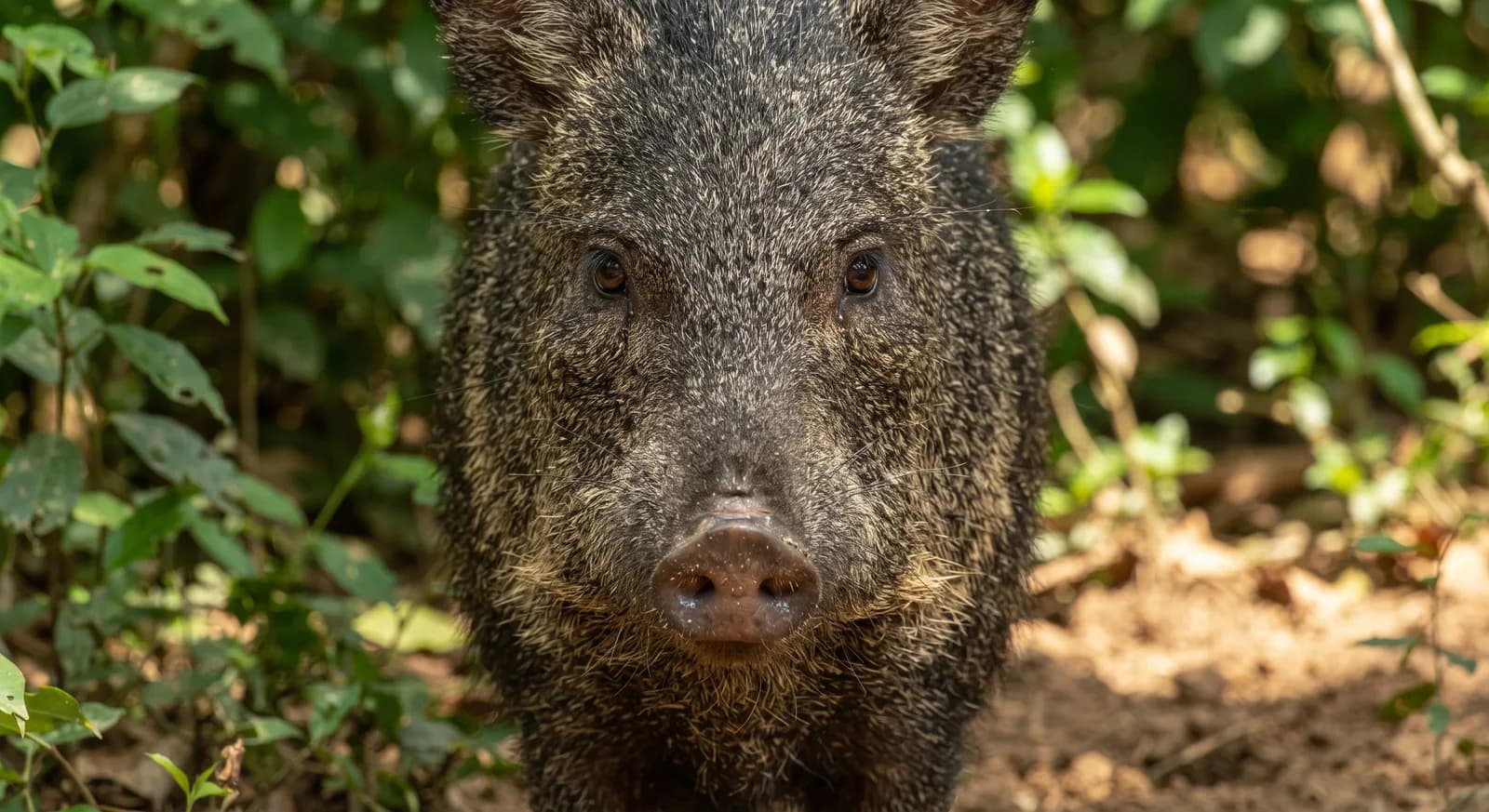
Collared PeccaryLeast Concern

Collared Peccary

Pecari tajacu

Least Concern

Cascabel Rattlesnake

Crotalus durissus

Least Concern

Geoffroy's Cat

Leopardus geoffroyi

Least Concern

Yellow Armadillo

Euphractus sexcinctus

CountriesArgentina
ParksNahuel HuapiArgentina
TagsOmnivore
Omnivore
Variable activity
Solitary
Desert
Grassland
Mammal
Argentina
Paraguay
Bolivia
Chile