Skip to content
WAnimals
  • Map
  • Species
  • Parks
  • Diving
Log inCreate account
WAnimals

The guide for travellers and animal lovers: discover, plan and share your wild adventures around the world.

Discover wildlife

  • Species
  • Ecosystems
  • Glossary
  • Tags

Explore places

  • Map
  • Countries
  • Parks
  • Diving

Plan experiences

  • Guides

Learn

  • Blog

Resources

  • Help centre
  • Contact
  • Install the app

Follow us

Account

  • Log in
  • Create account

© 2026 WAnimals. All rights reserved.

About usHow we build our profilesTerms of servicePrivacyLegal notice
MapSpeciesParksDiving
  1. Home
  2. Species
  3. Mauve Stinger

One of the 6 jellyfish on WAnimals
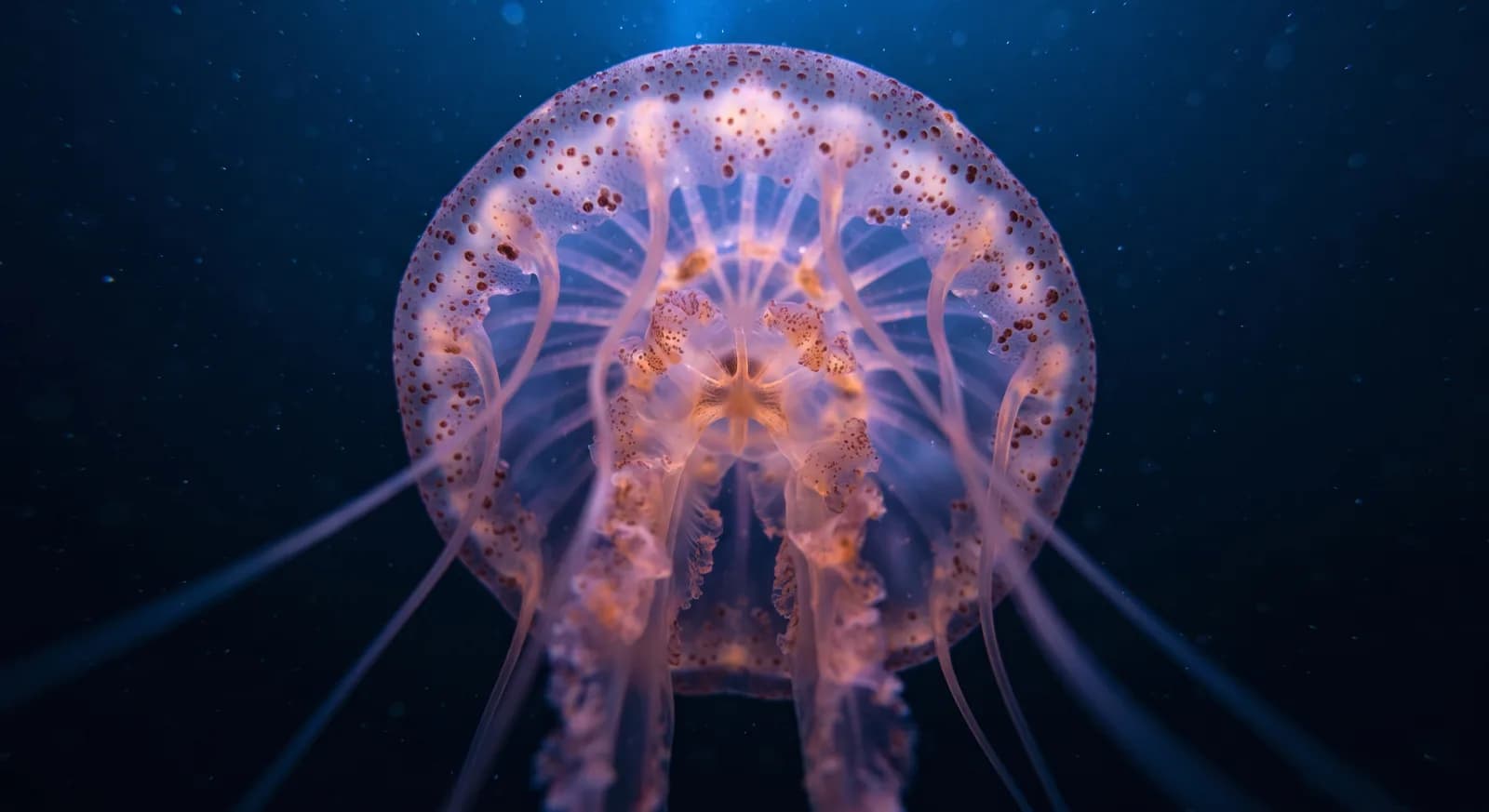
Mauve Stinger (Pelagia noctiluca)

True jellyfish · Semaeostomeae · Pelagiidae

Mauve Stinger

Pelagia noctiluca

Not Evaluated

It has not yet been assessed against the IUCN criteria.

Spotted something wrong?

It is bioluminescent, hence its scientific name — "noctiluca" means "night light". It is one of the few jellyfish that skips the polyp stage fixed to the sea floor.

Size

3 cm – 12 cm

Life expectancy

1 year

Diet

Carnivore

Feeds mainly on other animals.
Activity

Nocturnal

Active mainly at night.

Social structure

Colony

Lives in large concentrations, often for breeding reasons.

Sighting difficulty

Unknown

Ocean
29countries41parks79dive sites1same family

AI-generated images: illustrations, not photographs.

Fun facts

  • Its scientific name means "night light", after its bioluminescence.
  • It goes straight from planktonic larva to young medusa, with no fixed polyp stage.
  • It can form large ocean swarms, especially in the Mediterranean.
  • It is the jellyfish responsible for most of the ruined bathing days in the Mediterranean, and its sting is painful and leaves a mark for weeks.
  • It has no polyp stage. Unlike almost all jellyfish, which alternate a fixed stage on the bottom with the swimming medusa, this one develops directly from egg to medusa in the open sea.
  • And that explains its behaviour: since it does not depend on a substrate, its populations are entirely oceanic and reach the coast driven by wind and currents, in unpredictable waves.
  • It is bioluminescent, hence its name: when disturbed it gives off bluish flashes, visible at night in the wake of ships.
  • Its outbreaks in the Mediterranean have become more frequent, and are linked to warming waters, the overfishing of its predators and competitors, and changes in the currents.
  • It eats zooplankton and fish eggs and larvae, which makes it a direct competitor of the very fish whose overfishing favours its spread.

Life cycle and biology

Skeleton type
Invertebrate - no skeleton, gelatinous body (cnidarian)
Habitat and environment
Temperate and tropical oceanic waters worldwide, especially abundant in the Mediterranean
Birth weight
A microscopic planula larva that develops straight into an ephyra (the juvenile medusa stage), with no bottom-living polyp phase
Size at birth
A microscopic ephyra as it develops from the planula
Sexual maturity
It matures within its single annual life cycle
Gestation / incubation
No incubation; the fertilised egg develops straight into a planula and then an ephyra
Litter / clutch size
It breeds by releasing gametes into the water for external fertilisation; the sources consulted put no figure on the number of eggs

Sources consulted: Animal Diversity Web; Animalia.bio; Dimensions.com; Snorkel Things; Zooplankton Guide (Scripps Institution)

Where to find it

Loading map…

Where to see it

Parks and dive sites where this species has been documented — showing 20 of 120.

Related species

Other species in the catalogue with the most in common with Mauve Stinger — same habitat, park, country, tags or family.

Shares a park
Shares a park
Shares a park
Shares a park
Shares a park
Shares a park

Keep exploring

Based on what we already know about mauve stinger.

Comments

Share an experience, a fun fact or a tip for seeing the mauve stinger.

Be the first to comment.

See full glossary
This page in other languages: Español · Deutsch · Français · Português · Italiano

The pins mark the parks and dive sites where its presence is documented.

See its range on the interactive map→
Doñana National ParkSpain
TeideSpain
CalanquesFrance
Cinque TerreItaly
Alonissos and the Northern SporadesGreece
Majjistral ParkMalta
GarajonaySpain
TimanfayaSpain
Port-CrosFrance
Pembrokeshire CoastUnited Kingdom
Scapa FlowUnited Kingdom
Zenobia WreckCyprus
Medes IslandsSpain
Cap de CreusSpain
El Hierro / La RestingaSpain
Museo Atlántico (Lanzarote)Spain
Zakynthos (loggerhead turtle)Greece
Kastellorizo (Blue Cave)Greece
Malta (Blue Hole Gozo / Um El Faroud)Malta
Tavolara (Sardinia)Italy
See all 41 parks
See all 79 dive sites
Common BrittlestarNot Evaluated

Common Brittlestar

Ophiothrix fragilis

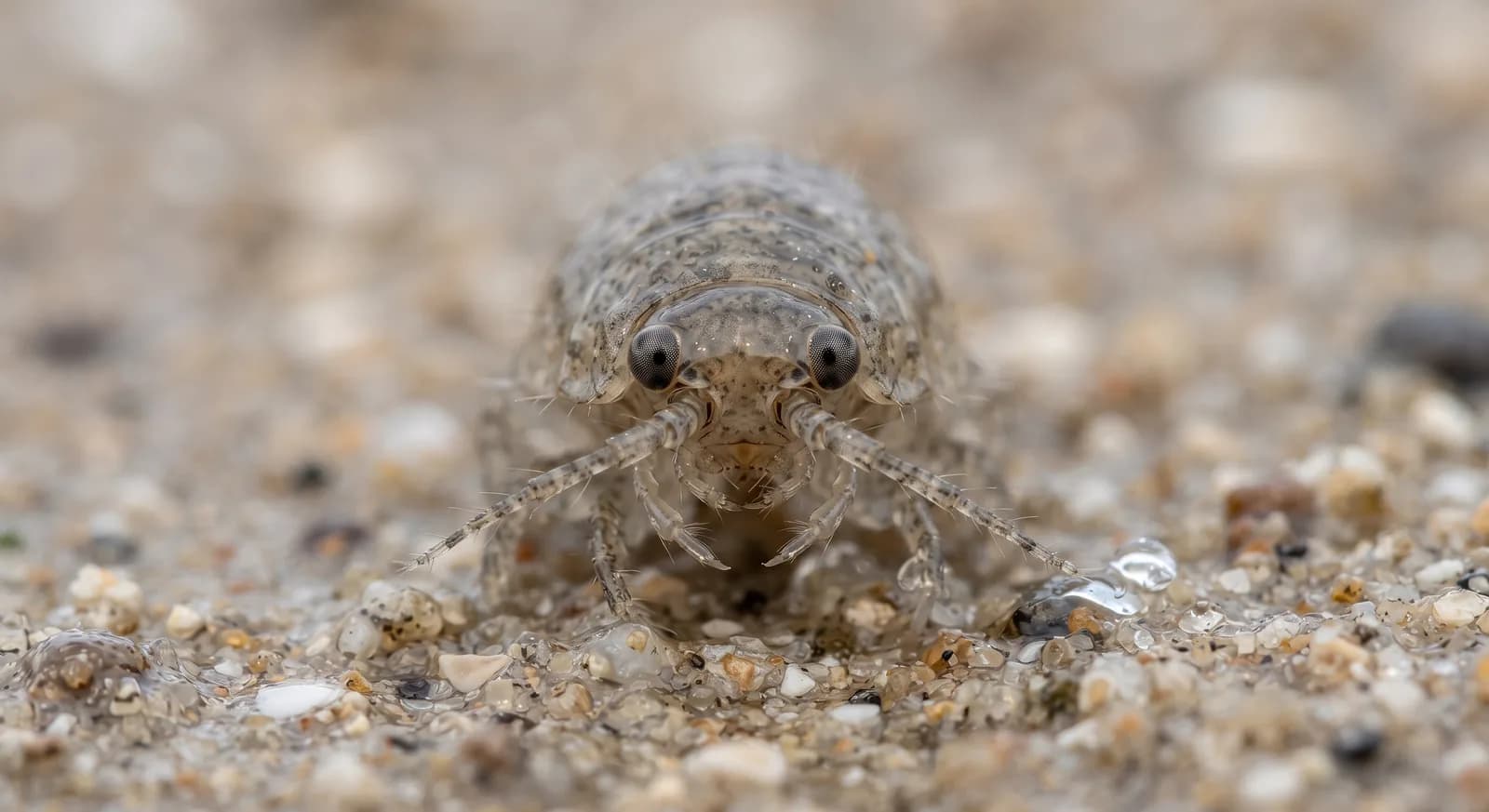
Speckled Sea LouseNot Evaluated

Speckled Sea Louse

Eurydice pulchra

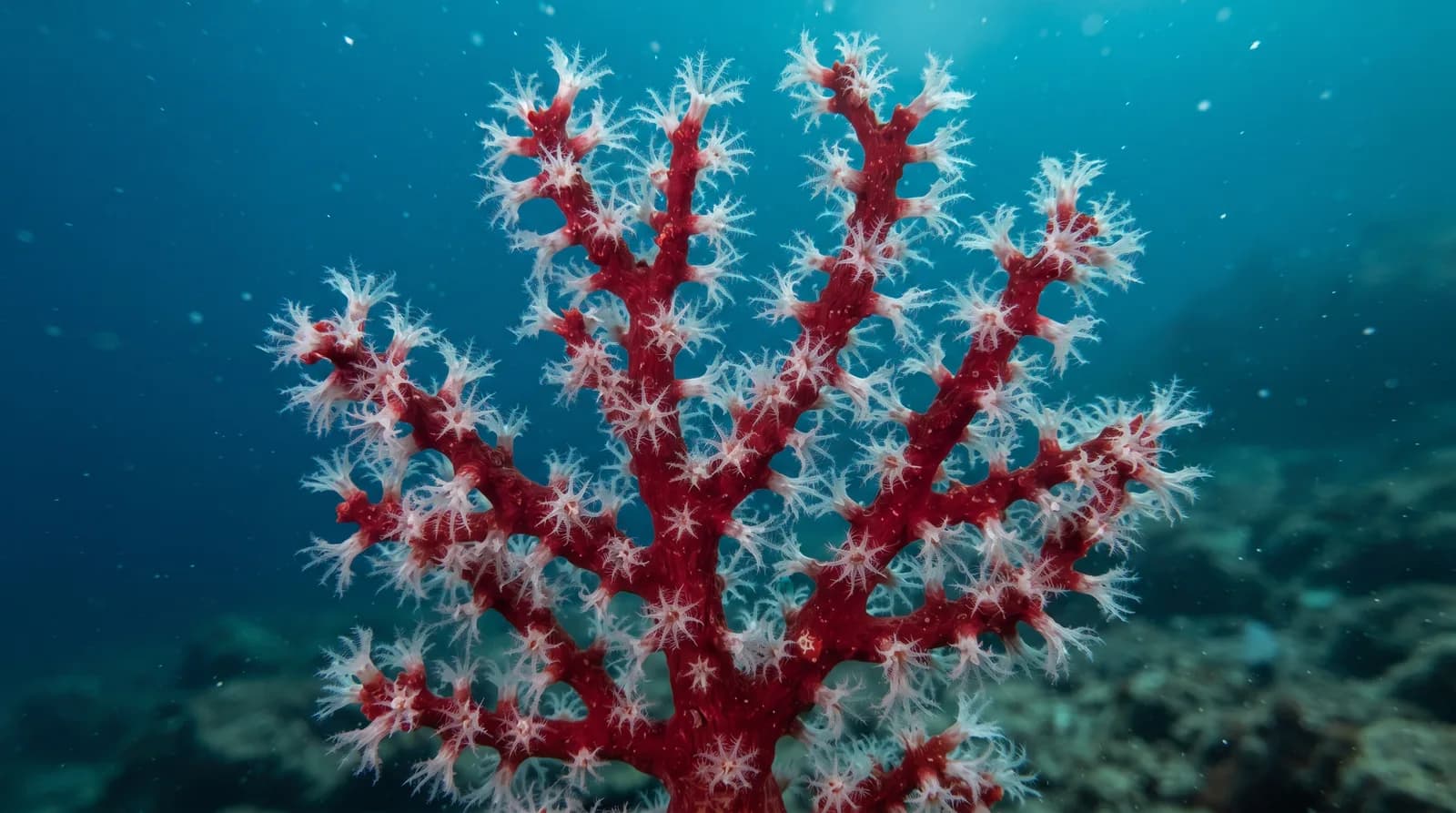
Red CoralEndangered

Red Coral

Corallium rubrum

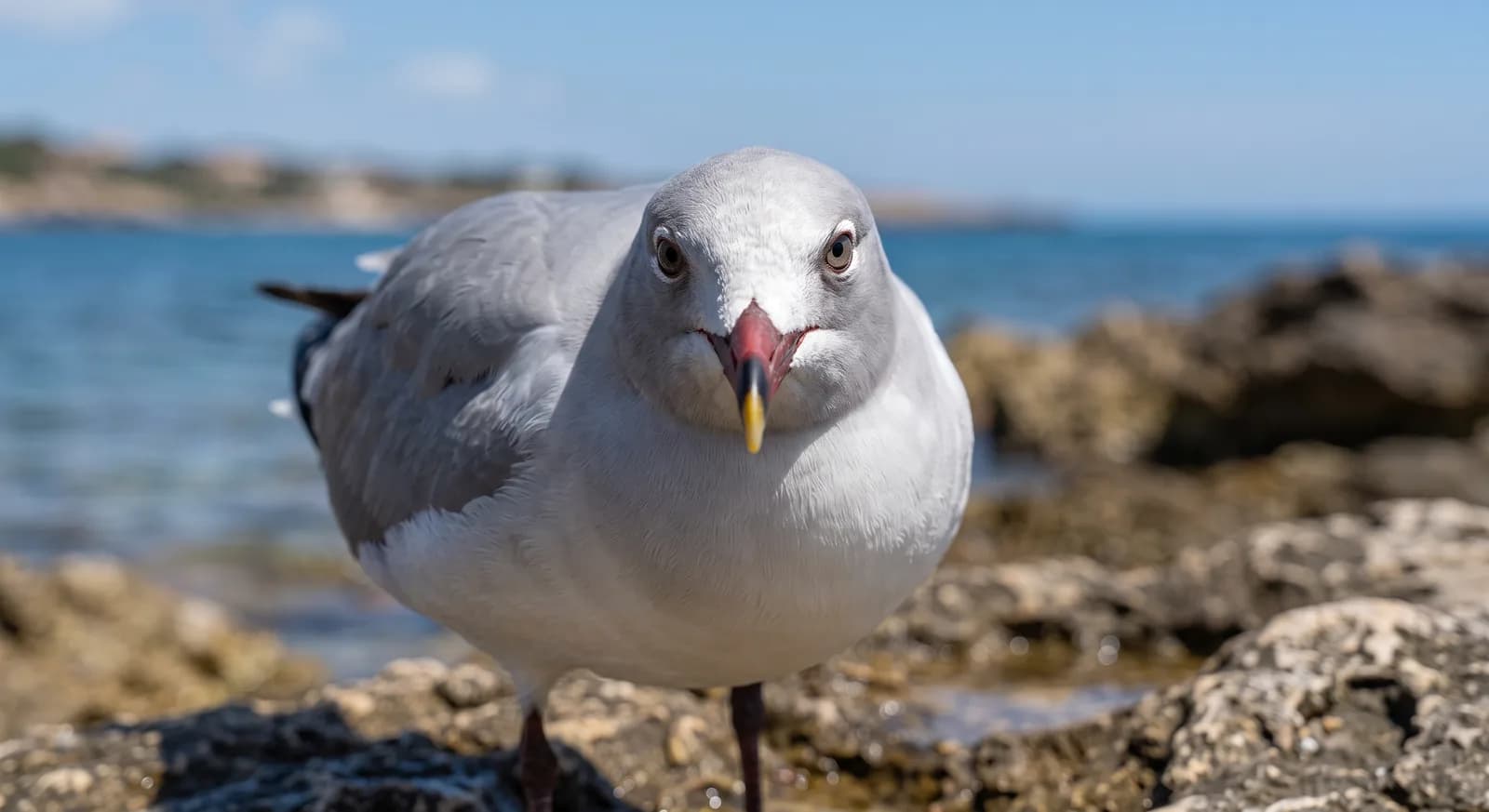
Audouin's GullLeast Concern

Audouin's Gull

Ichthyaetus audouinii

Not Evaluated

Phosphorescent Sea Pen

Pennatula phosphorea

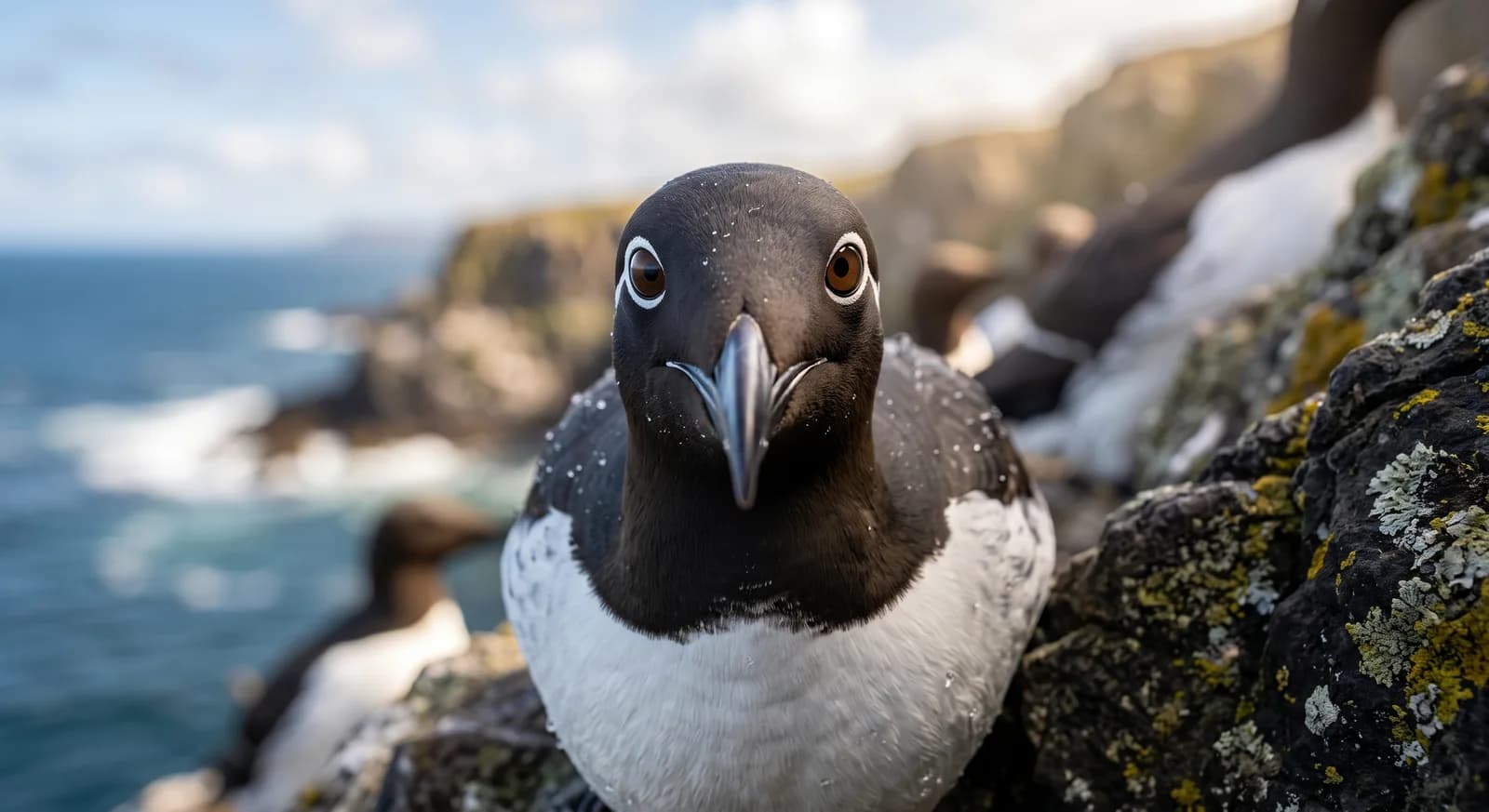
Common MurreLeast Concern

Common Murre

Uria aalge

CountriesSpain
ParksDoñana National ParkSpain
TagsCarnivore
Carnivore
Nocturnal
Colonial
Ocean
Cnidarian

Europe16

Africa6

Asia4

North America1

Oceania1

South America1

Spain
Italy
Greece
United Kingdom
Croatia
Portugal
Albania
Bosnia and Herzegovina
Croatia
Cyprus
France
Greece
Ireland
Italy
Malta
Monaco
Montenegro
Norway
Portugal
Slovenia
Spain
United Kingdom
Algeria
Egypt
Libya
Morocco
South Africa
Tunisia
Israel
Lebanon
Syria
Türkiye
United States
Australia
Brazil