Skip to content
WAnimals
  • Map
  • Species
  • Parks
  • Diving
Log inCreate account
WAnimals

The guide for travellers and animal lovers: discover, plan and share your wild adventures around the world.

Discover wildlife

  • Species
  • Ecosystems
  • Glossary
  • Tags

Explore places

  • Map
  • Countries
  • Parks
  • Diving

Plan experiences

  • Guides

Learn

  • Blog

Resources

  • About us
  • How we build our profiles
  • Help centre
  • Contact
  • Install the app

Follow us

Account

  • Log in
  • Create account

© 2026 WAnimals. All rights reserved.

Terms of servicePrivacyCookiesLegal notice
MapSpeciesParksDiving
  1. Home
  2. Species
  3. Common Brittlestar

One of the 2 brittlestars on WAnimals
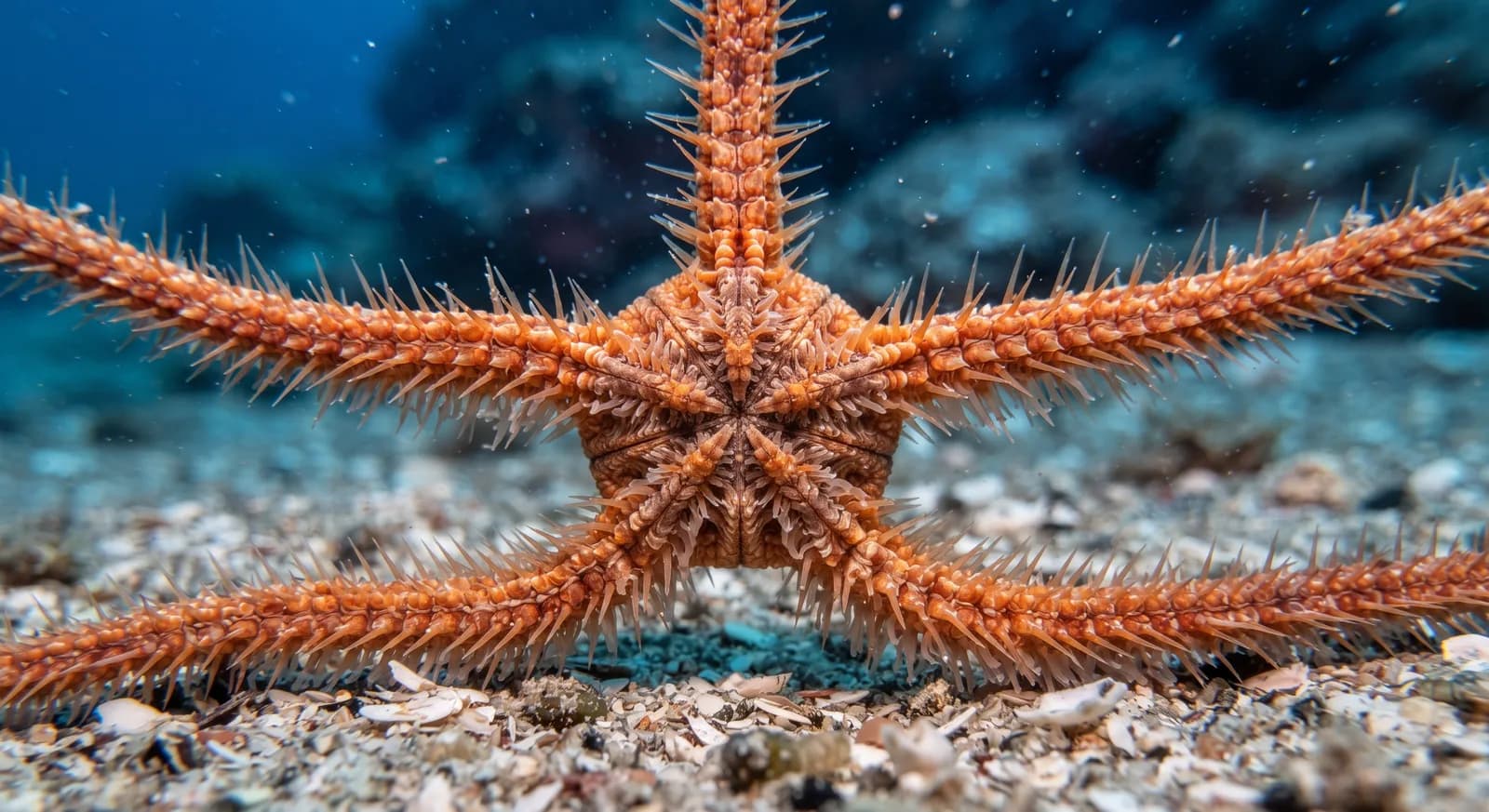
Common Brittlestar (Ophiothrix fragilis)

Brittle stars · Ophiurida · Ophiotrichidae

Common Brittlestar

Ophiothrix fragilis

Not Evaluated

It has not yet been assessed against the IUCN criteria.

Spotted something wrong?

The common brittle star has a small disc and five very long arms bristling with brittle glassy spines. It forms spectacular aggregations on bottoms with current, where it raises its arms to filter particles from the water.

Size

5 cm – 20 cm

Diet

Carnivore

Feeds mainly on other animals.

Activity

Nocturnal

Active mainly at night.
Social structure

Colony

Lives in large concentrations, often for breeding reasons.

Ocean
31countries47parks83dive sites

AI-generated images: illustrations, not photographs.

Fun facts

  • Its beds can exceed a thousand individuals per square metre and cover kilometres of seabed, forming a living carpet that filters the water and reshapes the sediment.
  • It breaks with extraordinary ease: at the slightest tug it sheds an arm, which it later regrows, and hence its name.
  • Unlike sea stars, it does not move on tube feet but by snaking its arms, a fast and surprisingly agile motion.
  • It forms spectacular aggregations: in the English Channel densities of more than 2,000 individuals per square metre have been measured, carpeting kilometres of seabed.
  • It does not feed off the bottom: it raises its arms into the current and catches suspended particles on its spines and mucus, so those carpets work as a gigantic filter.
  • It is called brittle for good reason: it sheds its arms readily at the slightest handling, and then regrows them.
  • It moves by writhing its arms, far faster than a starfish, rather than walking on its tube feet.

Life cycle and biology

Habitat and environment
Rocky, gravel and shell bottoms of the north-eastern Atlantic and the Mediterranean

Sources consulted: Abildgaard (1789) · Marine Life Information Network · Warner y Woodley (1975)

Where to find it

Loading map…

Where to see it

Parks and dive sites where this species has been documented — showing 20 of 130.

Related species

Other species in the catalogue with the most in common with Common Brittlestar — same habitat, park, country, tags or family.

Shares a park
Shares a park
Shares a park
Shares a park
Shares a park
Shares a park

Keep exploring

Based on what we already know about common brittlestar.

Share an experience, a fun fact or a tip for seeing the common brittlestar.
See full glossary
This page in other languages: Español · Deutsch · Français · Português · Italiano

The pins mark the parks and dive sites where its presence is documented.

See its range on the interactive map→
Doñana National ParkSpain
CalanquesFrance
Cinque TerreItaly
Alonissos and the Northern SporadesGreece
IchkeulTunisia
Majjistral ParkMalta
Port-CrosFrance
Pembrokeshire CoastUnited Kingdom
NorthumberlandUnited Kingdom
Cabrera ArchipelagoSpain
Scapa FlowUnited Kingdom
Zenobia WreckCyprus
Medes IslandsSpain
Cap de CreusSpain
El Hierro / La RestingaSpain
Museo Atlántico (Lanzarote)Spain
Zakynthos (loggerhead turtle)Greece
Kastellorizo (Blue Cave)Greece
Malta (Blue Hole Gozo / Um El Faroud)Malta
Tavolara (Sardinia)Italy
See all 47 parks
See all 83 dive sites
HagfishLeast Concern

Hagfish

Myxine glutinosa

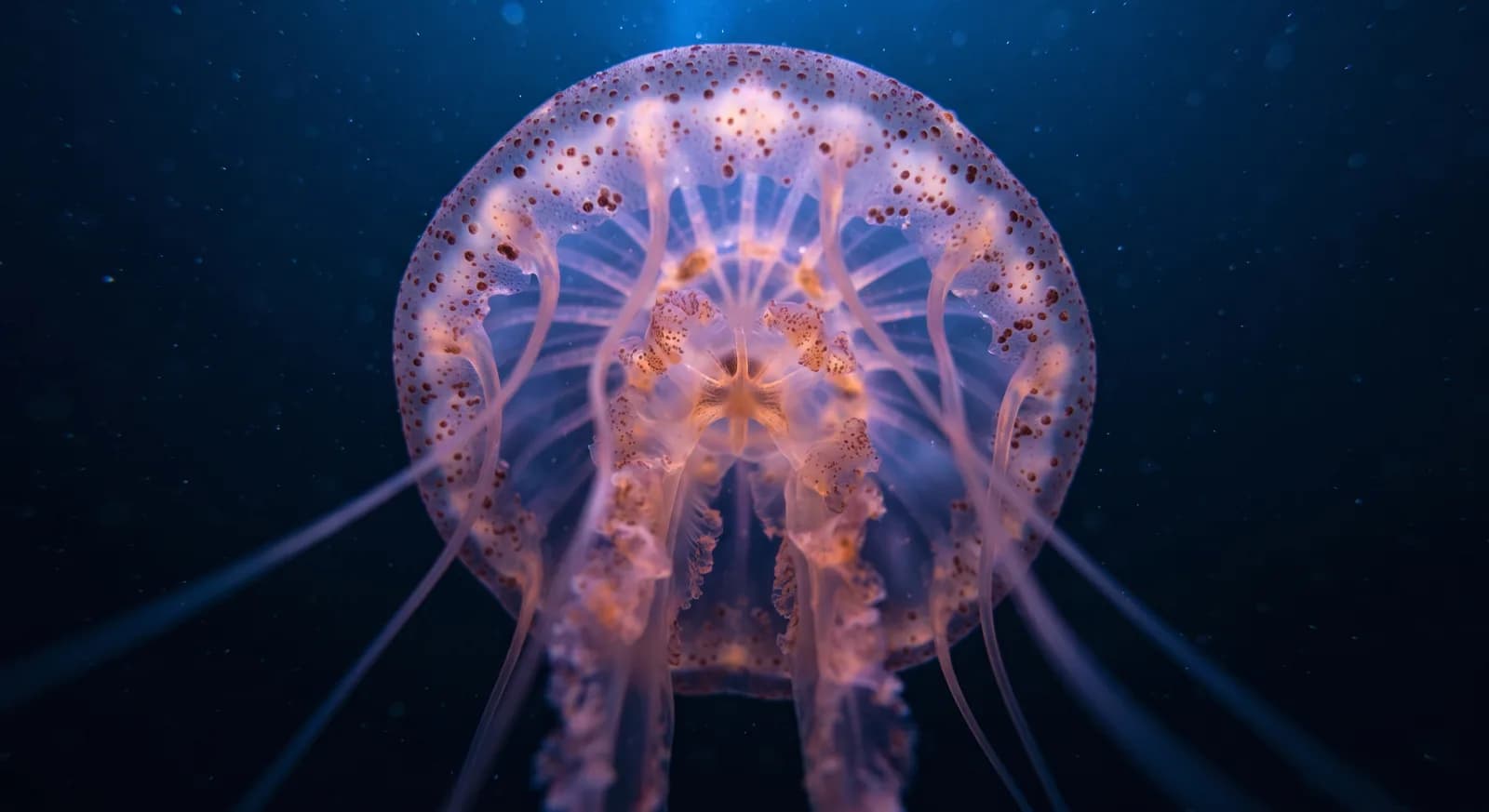
Mauve StingerNot Evaluated

Mauve Stinger

Pelagia noctiluca

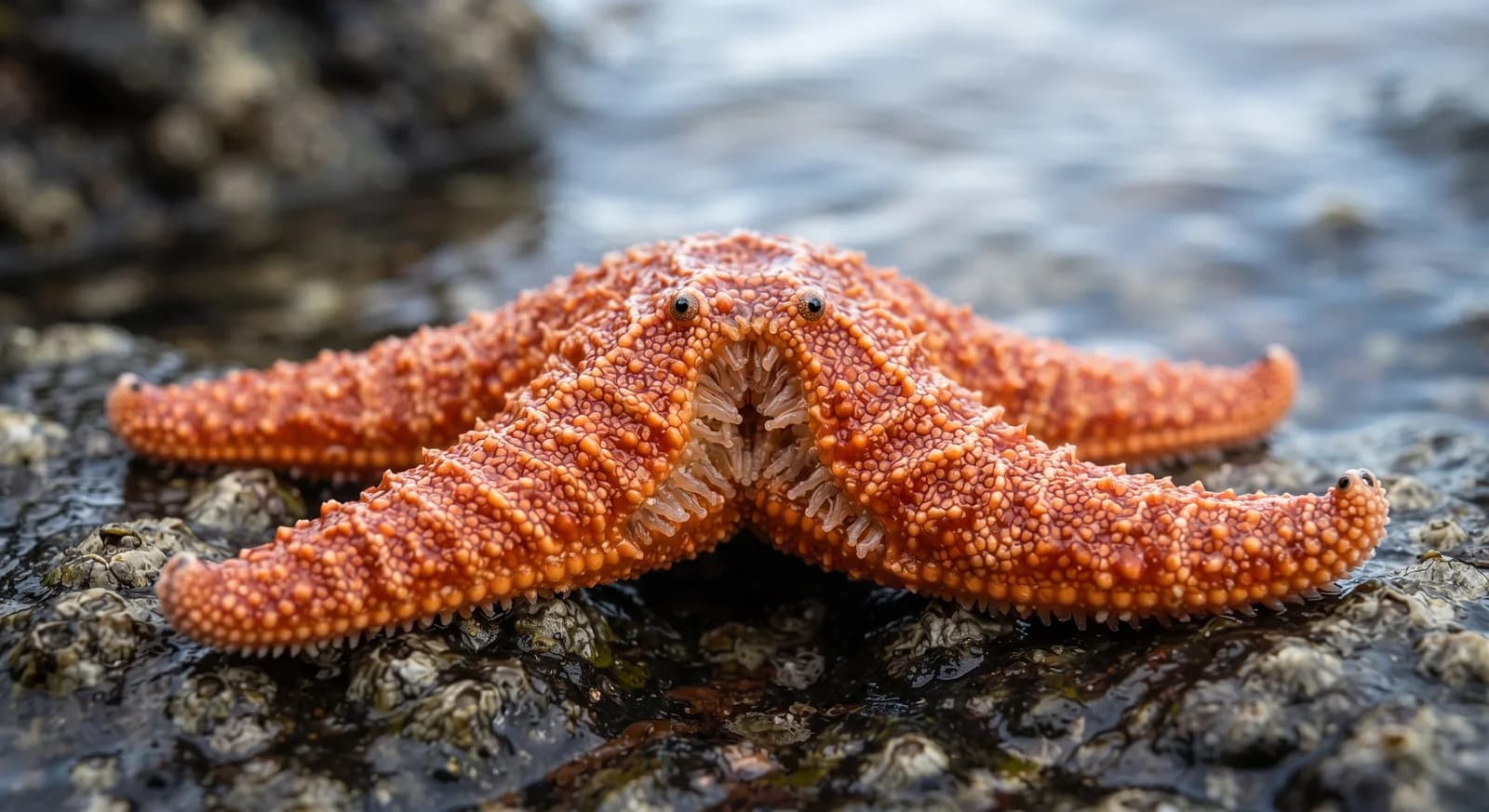
Common StarfishNot Evaluated

Common Starfish

Asterias rubens

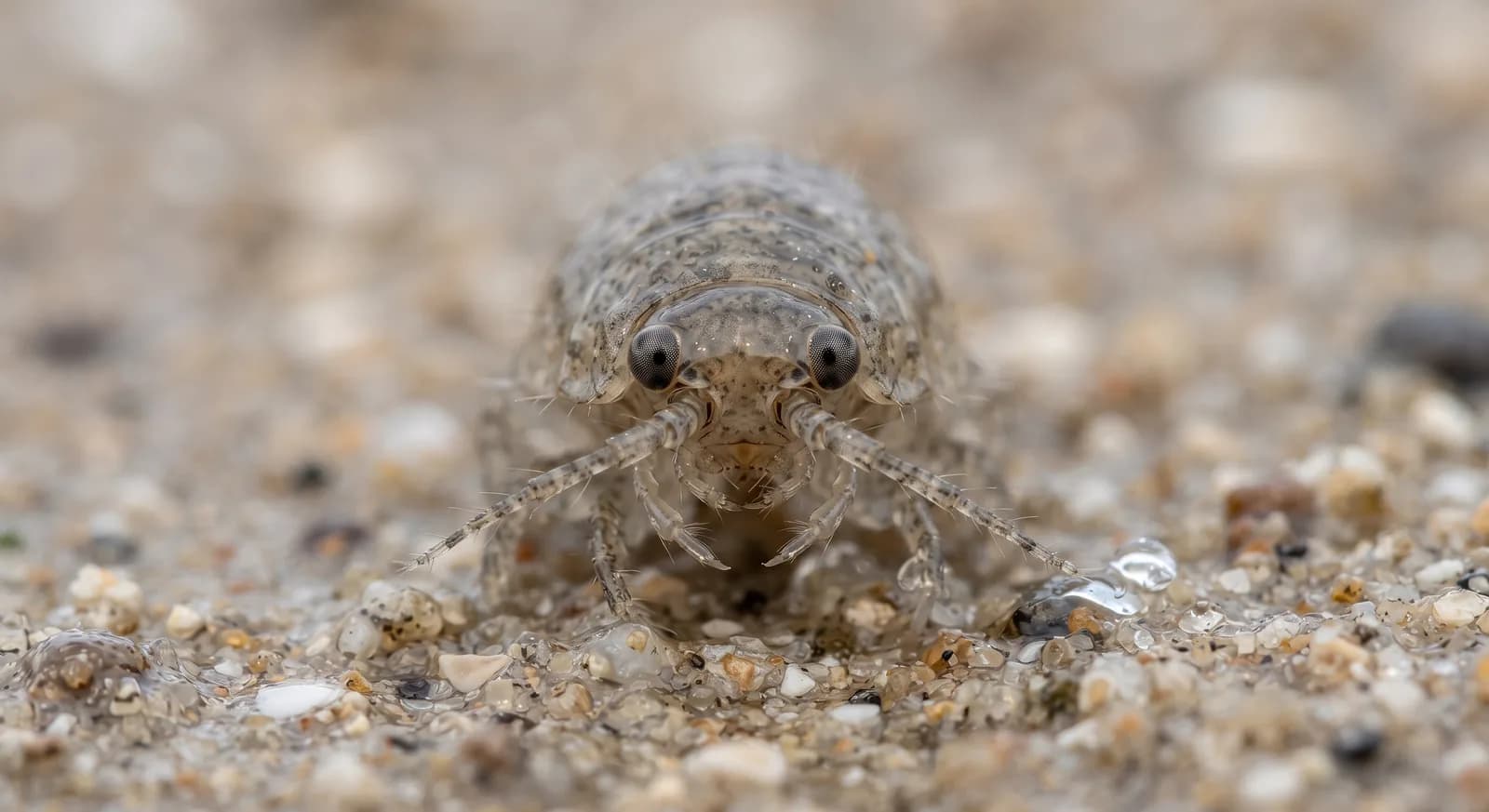
Speckled Sea LouseNot Evaluated

Speckled Sea Louse

Eurydice pulchra

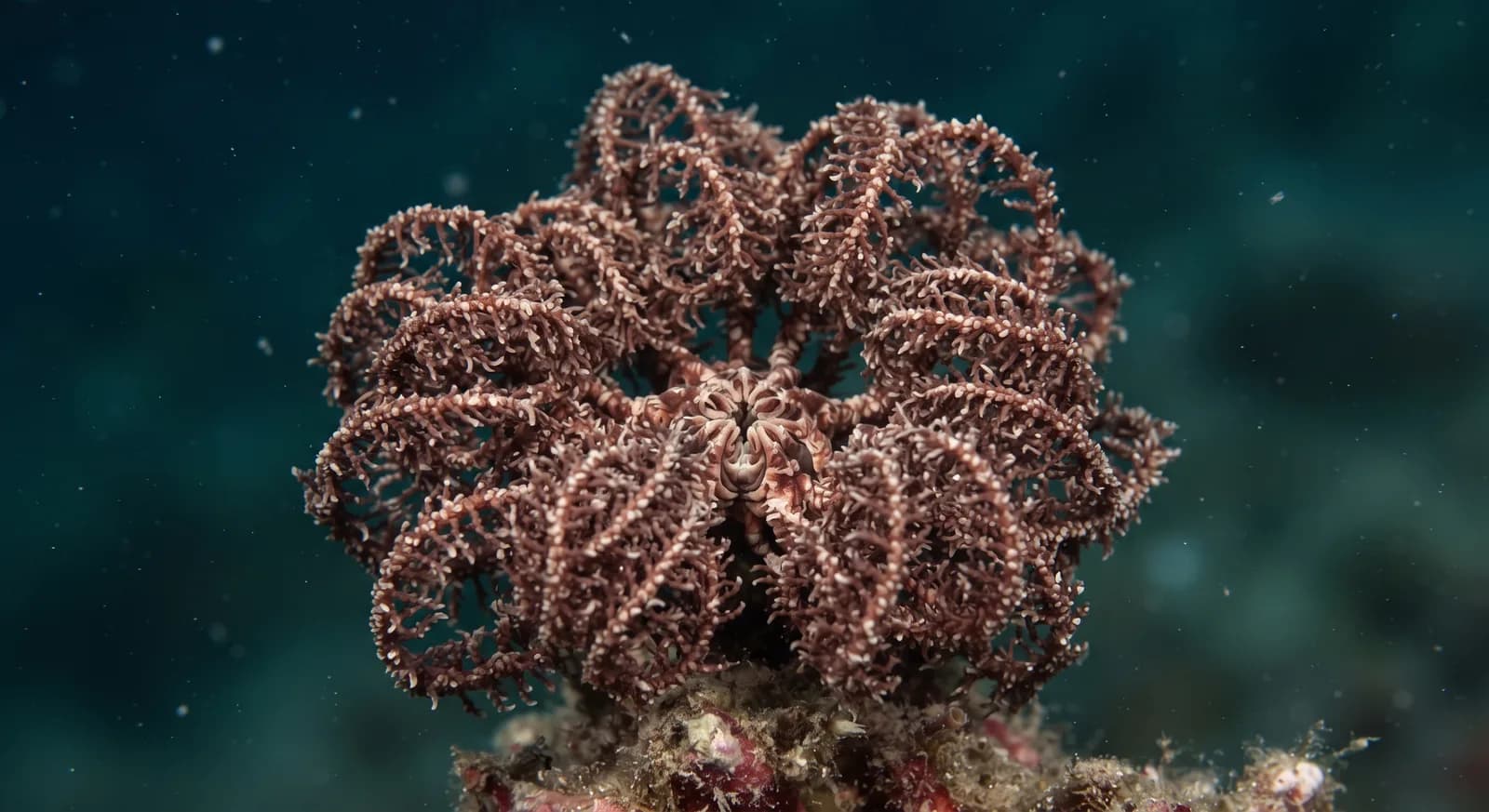
Common Basket StarNot Evaluated

Common Basket Star

Gorgonocephalus eucnemis

Audouin's GullLeast Concern

Audouin's Gull

Ichthyaetus audouinii

CountriesSpain
ParksDoñana National ParkSpain
TagsCarnivore
Carnivore
Nocturnal
Colonial
Ocean
Echinoderm

Europe22

Africa5

Asia4

Spain
Italy
Greece
United Kingdom
Croatia
Portugal
Albania
Belgium
Bosnia and Herzegovina
Croatia
Cyprus
Denmark
France
Germany
Greece
Iceland
Ireland
Italy
Malta
Monaco
Montenegro
Netherlands
Norway
Portugal
Slovenia
Spain
Sweden
United Kingdom
Algeria
Egypt
Libya
Morocco
Tunisia
Israel
Lebanon
Syria
Türkiye