Skip to content
WAnimals
  • Map
  • Species
  • Parks
  • Diving
Log inCreate account
WAnimals

The guide for travellers and animal lovers: discover, plan and share your wild adventures around the world.

Discover wildlife

  • Species
  • Ecosystems
  • Glossary
  • Tags

Explore places

  • Map
  • Countries
  • Parks
  • Diving

Plan experiences

  • Guides

Learn

  • Blog

Resources

  • About us
  • How we build our profiles
  • Help centre
  • Contact
  • Install the app

Follow us

Account

  • Log in
  • Create account

© 2026 WAnimals. All rights reserved.

Terms of servicePrivacyCookiesLegal notice
MapSpeciesParksDiving
  1. Home
  2. Species
  3. Blakiston's Eagle-owl

One of the 10 owls on WAnimals

Blakiston's Eagle-owl (Bubo blakistoni)

Birds · Strigiformes · Strigidae

Blakiston's Eagle-owl

Bubo blakistoni

Endangered

At very high risk of extinction in the wild in the near future.

Spotted something wrong?

Blakiston's fish owl, or the Manchurian fish owl, is considered by some scientists to be the largest owl species in the world, at up to 72 centimetres in length and with a wingspan of up to 2 metres, rivalling the Eurasian eagle-owl. The species was originally placed in the genus Ketupa, which covers the fish owls, but DNA results are unclear as to which of the two genera would be the more appropriate for it. Its habitat is riverine forest, with large old trees in which to nest, near rivers, lakes and springs that do not freeze in winter. Henry Seebohm named the bird after the English naturalist Thomas Blakiston, who collected the original specimen at Hakodate on Hokkaido, Japan, in 1883.

Weight

2.9 kg – 4.6 kg

Size

60 cm – 72 cm
Life expectancy

25 years

Diet

Carnivore

Feeds mainly on other animals.

Activity

Nocturnal

Active mainly at night.

Social structure

In pairs

Usually lives in pairs, sometimes for life.

Estimated population

Between 1,000 and 1,900 individuals

Temperate forestFreshwater
6countries7parks18same family

AI-generated images: illustrations, not photographs.

Fun facts

  • It is the largest owl on the planet: the females exceed four kilos and their wingspan is over two metres.
  • Unlike almost all owls, its feathers lack the serrated edge that damps sound: since it hunts fish underwater rather than sharp-eared prey, silent flight gains it nothing and its wingbeats are clearly audible.
  • It is a sacred bird for the Ainu people of Hokkaido, who regard it as the god that protects the village.

Life cycle and biology

Skeleton type
Vertebrate - internal bony skeleton (bird)
Habitat and environment
Mature riverine forest beside rivers that do not freeze over, in the Russian Far East and Japan
Sexual maturity
3 years
Gestation / incubation
35 days of incubation
Litter / clutch size
2 eggs

Sources consulted: Wikipedia (es): Bubo blakistoni

Where to find it

Loading map…

The pins mark the parks where its presence is documented.

Where to see it

Parks and dive sites where this species has been documented.

Related species

Other species in the catalogue with the most in common with Blakiston's Eagle-owl — same habitat, park, country, tags or family.

Same taxonomic family
Shares a park
Same taxonomic family

How to help

The blakiston's eagle-owl is classified as endangered. Organisations such as the IUCN, WWF and the Wildlife Conservation Society work specifically on its conservation and that of its habitat; looking into their programmes is a good starting point if you want to get involved.

It's documented in 4 protected areas — one reason why protecting these places matters for its conservation.

Keep exploring

Based on what we already know about blakiston's eagle-owl.

Share an experience, a fun fact or a tip for seeing the blakiston's eagle-owl.
See full glossary
This page in other languages: Español · Deutsch · Français · Português · Italiano
See its range on the interactive map→
ShiretokoJapan
Sikhote-AlinRussia
DaisetsuzanJapan
Kushiro WetlandJapan
Akan-MashuJapan
Rishiri-Rebun-SarobetsuJapan
Land of the LeopardRussia
Least Concern

Northern Hawk-Owl

Surnia ulula

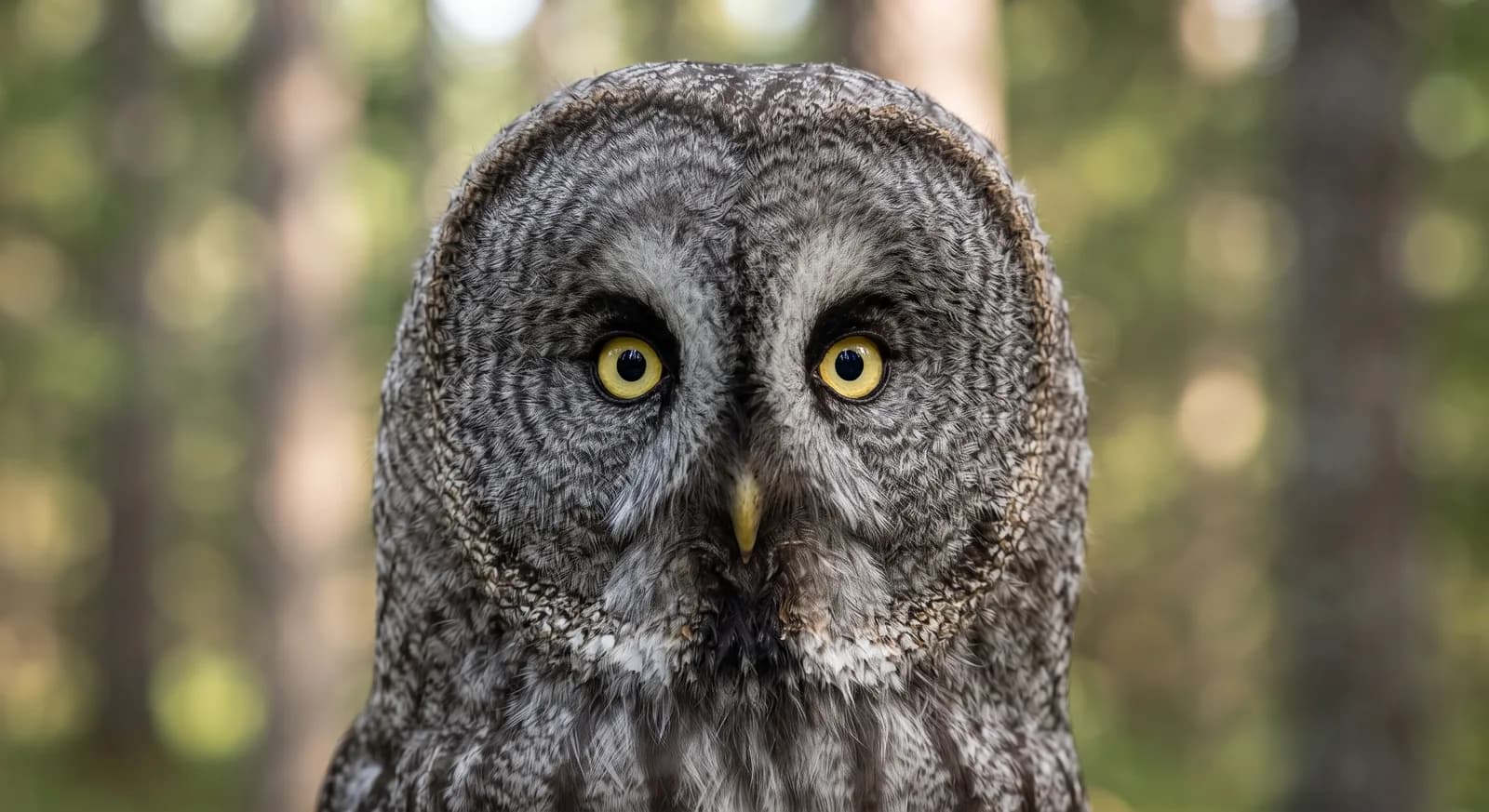
Great Grey OwlLeast Concern

Great Grey Owl

Strix nebulosa

Oriental StorkEndangered

Oriental Stork

Ciconia boyciana

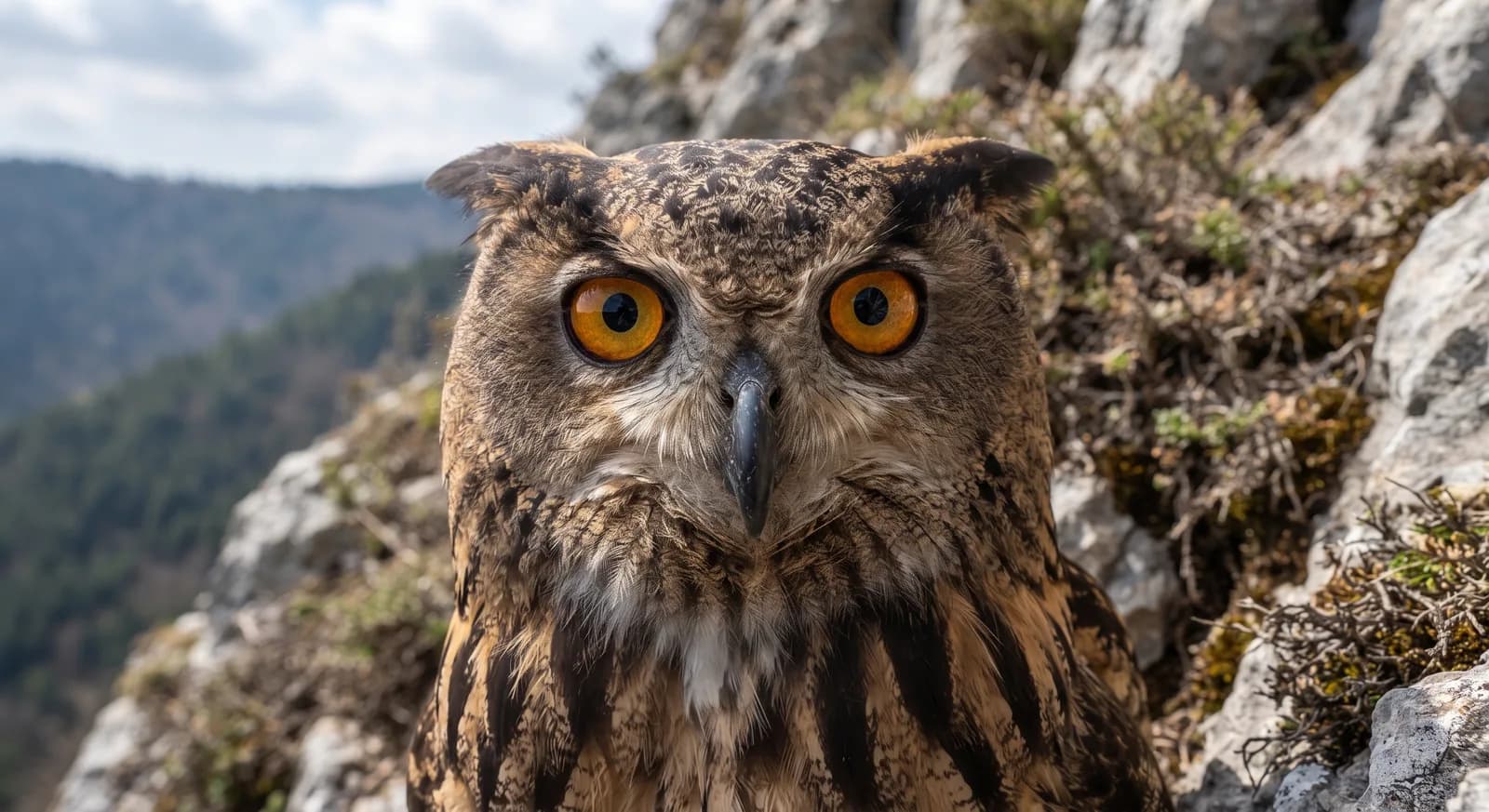
Eurasian Eagle-OwlLeast Concern

Eurasian Eagle-Owl

Bubo bubo

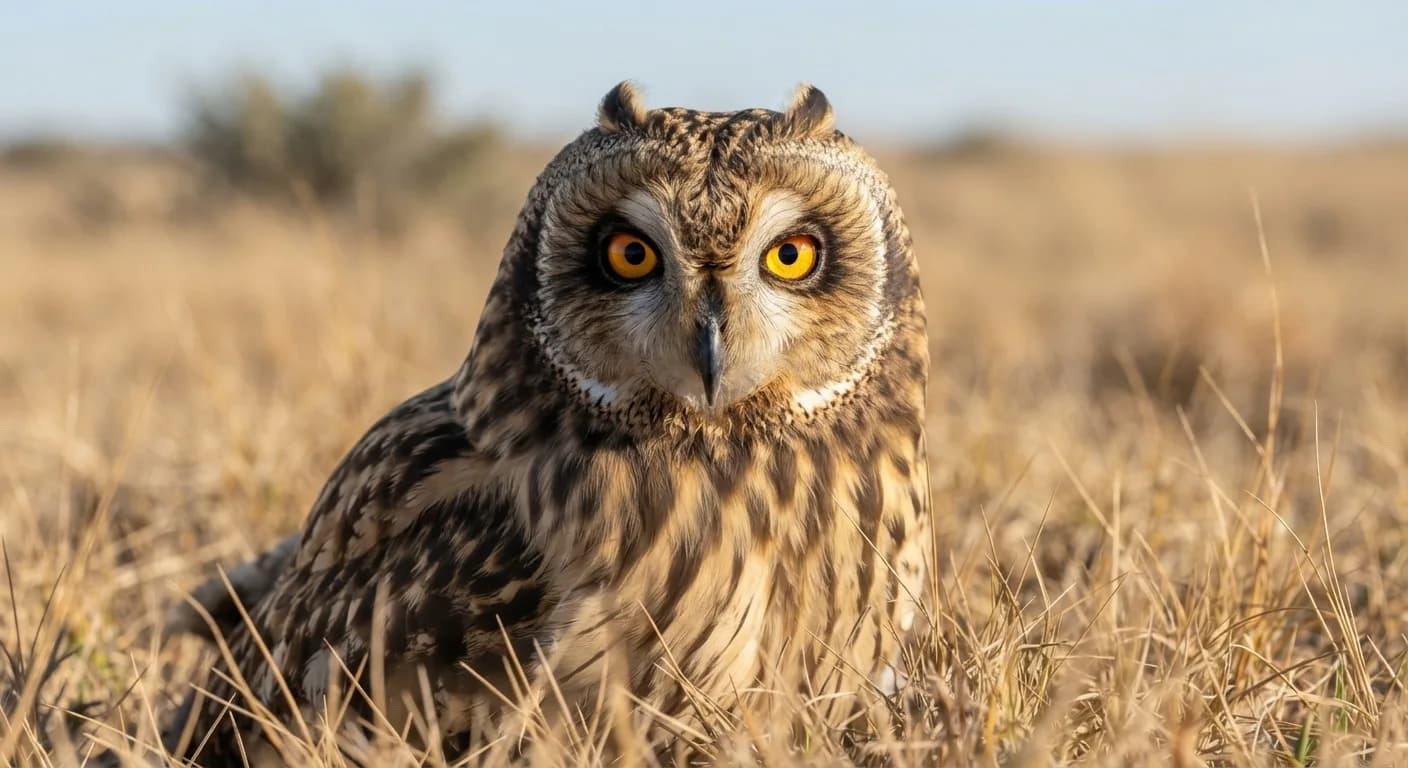
Short-eared OwlLeast Concern

Short-eared Owl

Asio flammeus

Least Concern

Long-eared Owl

Asio otus

CountriesJapan
ParksShiretokoJapan
TagsCarnivore
Carnivore
Nocturnal
In pairs
Endangered
Bird
Temperate forest
Freshwater
Japan
Russia
China
North Korea
South Korea
Taiwan