 Least Concern
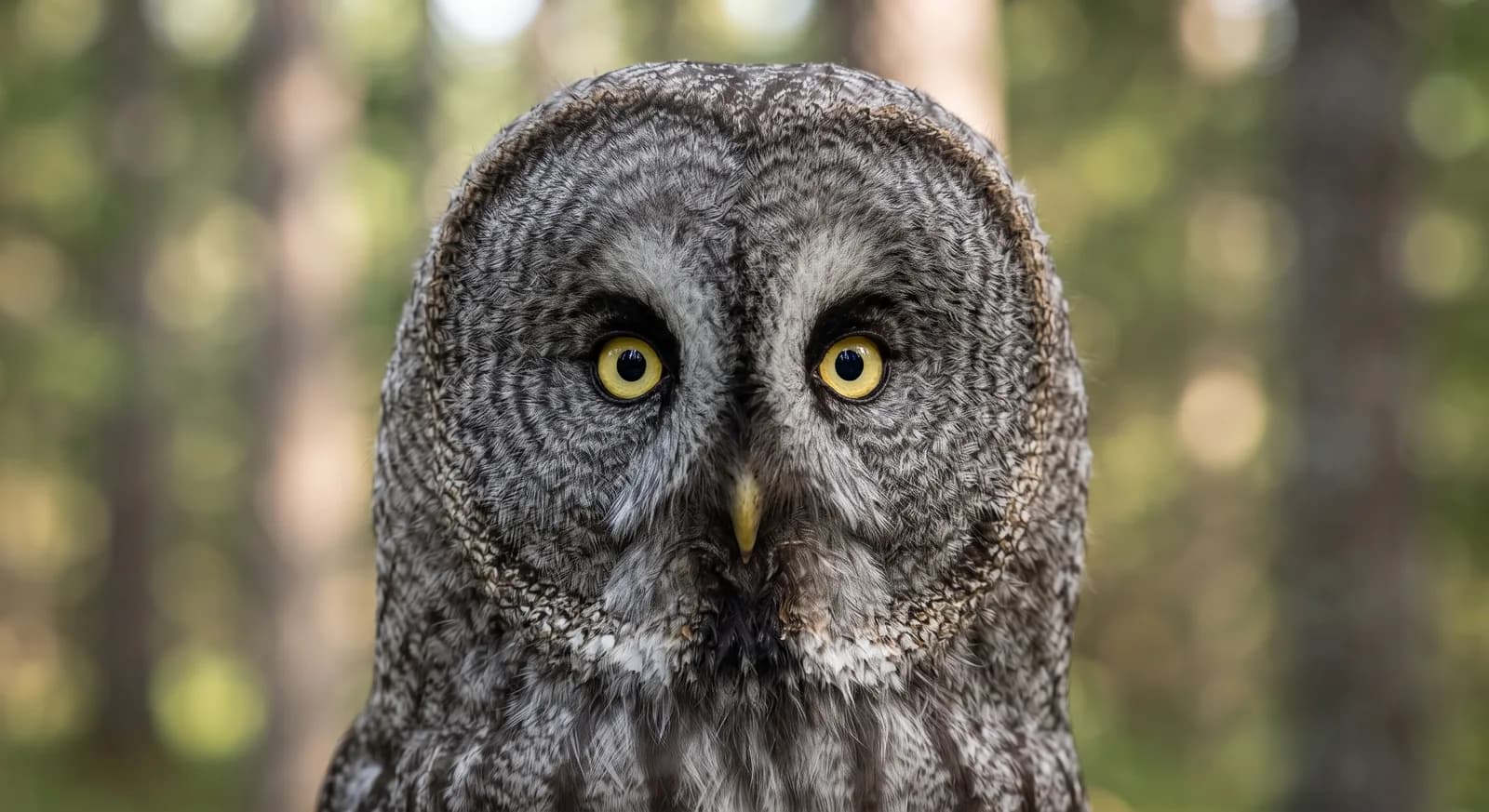
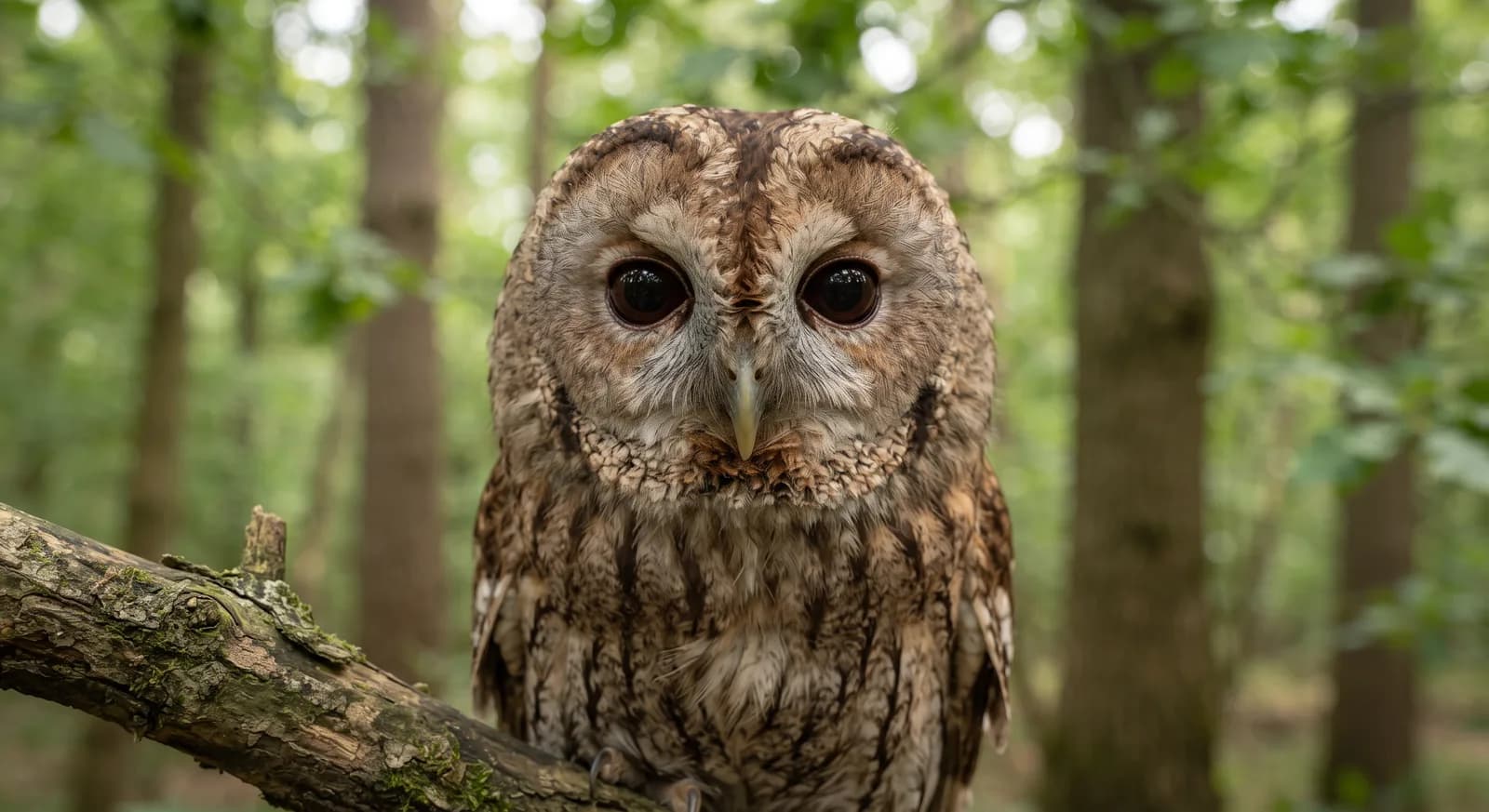
Tawny Owl
Strix aluco
One of the 3 wood owls on WAnimals
Birds · Strigiformes · Strigidae
Surnia ulula
The species is abundant and widely distributed; it faces no significant short-term risk.
It is one of the few genuinely day-active owls in the world, hunting mainly in daylight by sight rather than relying on hearing as most nocturnal owls do.
Weight
280 g – 360 g
Size
35 cm – 45 cm
Life expectancy
16 years
Diet
Carnivore
Feeds mainly on other animals.
Activity
Diurnal
Active mainly during the day.
Social structure
Solitary
Lives and hunts alone, joining others only to breed.
Sources consulted: AnAge (genomics.senescence.info) · Owling.com · The Owl Pages · SimplyBirding · Animal Diversity Web · Animalia.bio · Audubon Field Guide · Wikipedia (Northern hawk-owl) · Cornell Lab All About Birds
Best time: Winter, when part of the population moves south; unlike almost all owls it hunts by day and perches in full view at the top of spruces.
Parks and dive sites where this species has been documented — showing 10 of 66.
Other species in the catalogue with the most in common with Northern Hawk-Owl — same habitat, park, country, tags or family.
Based on what we already know about northern hawk-owl.
The pins mark the parks where its presence is documented.