One of the highest densities of Hokkaido brown bear in the world; its Ainu name means "the end of the earth"
Area
386 km²
Designated in
1964
Region
East Asia (Hokkaido)
Declared in 1964, its name comes from the language of the Ainu, the indigenous people of Hokkaido, and means "the end of the earth", describing its remote position on the north-eastern tip of the island. It has been a UNESCO World Heritage Site since 2005 for representing an exceptional interaction between marine and land ecosystems: the sea ice that arrives each winter from the Sea of Okhotsk fertilises the coastal waters as it melts, supporting a food chain that runs from plankton up to orcas, and along the way one of the highest densities of Hokkaido brown bear in the world, with an estimated 600-plus on the peninsula.
Ecosystems found in Japan, where Shiretoko lies.
Which other parks are like this one?
Same country: Japan
Same country: Japan
Same country: Japan
Same country: Japan
Based on what we already know about this park.
Share your experience visiting Shiretoko, or a tip for other travellers.
Be the first to comment.
Climate
Tropical, Temperate, Polar / cold
Best season
March to May
Threatened:Blakiston's Eagle-owl,Killer Whale,Steller's Sea Eagle,North Pacific Right Whale,Northern Fur Seal
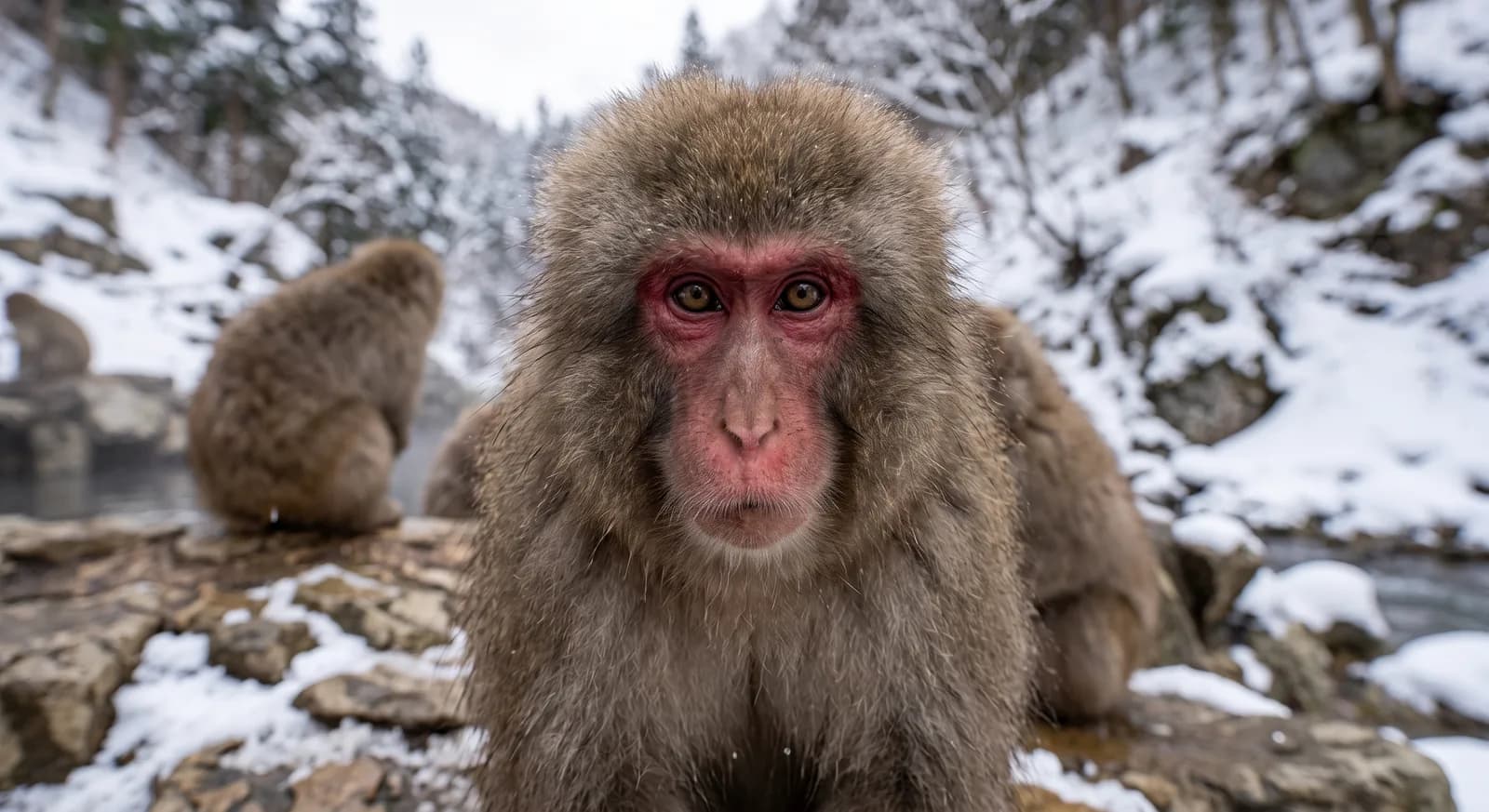
Endemic species of Japan:Japanese Macaque
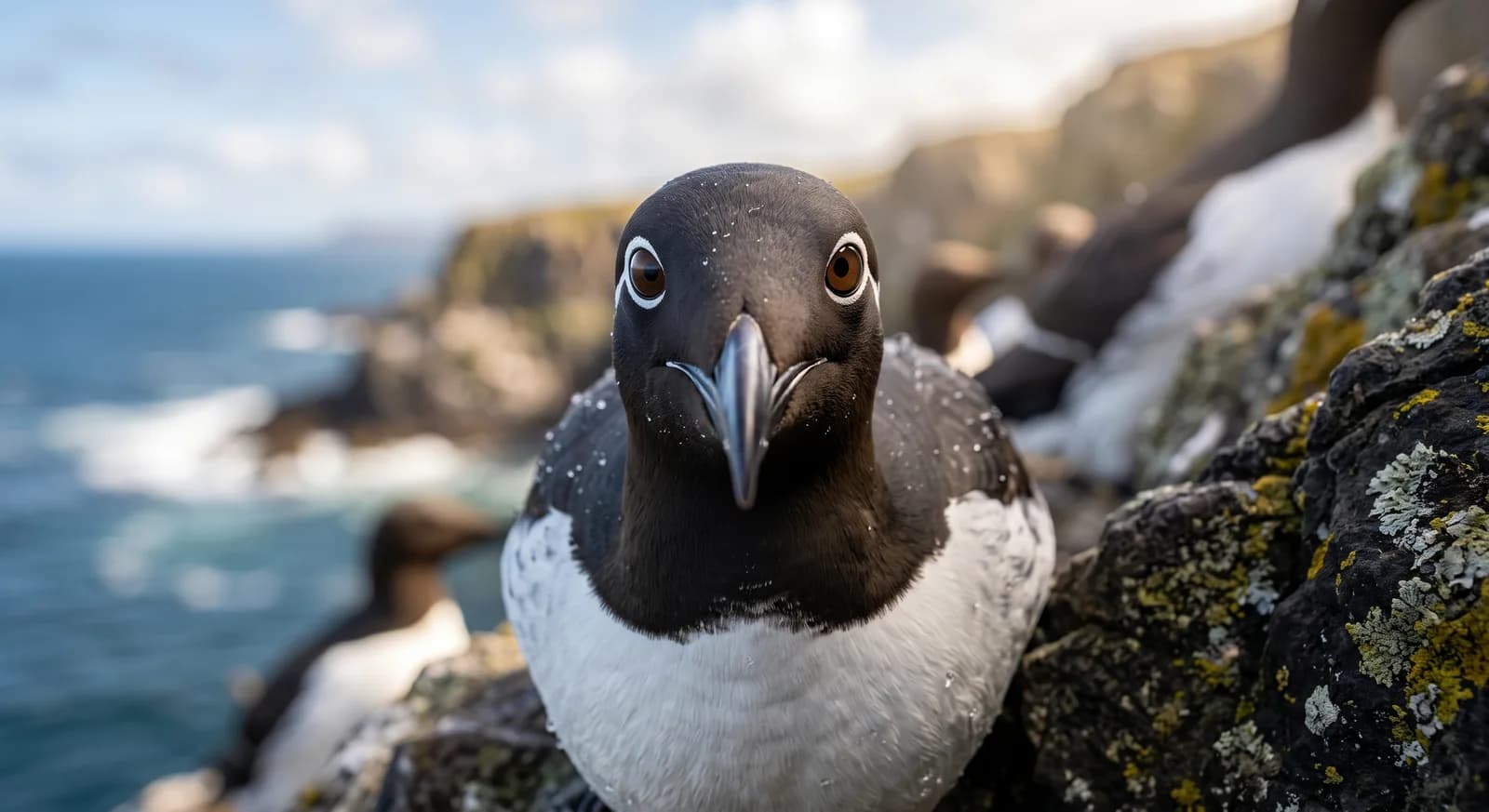
Least ConcernCommon Murre
Uria aalge
EndangeredBlakiston's Eagle-owl
Bubo blakistoni
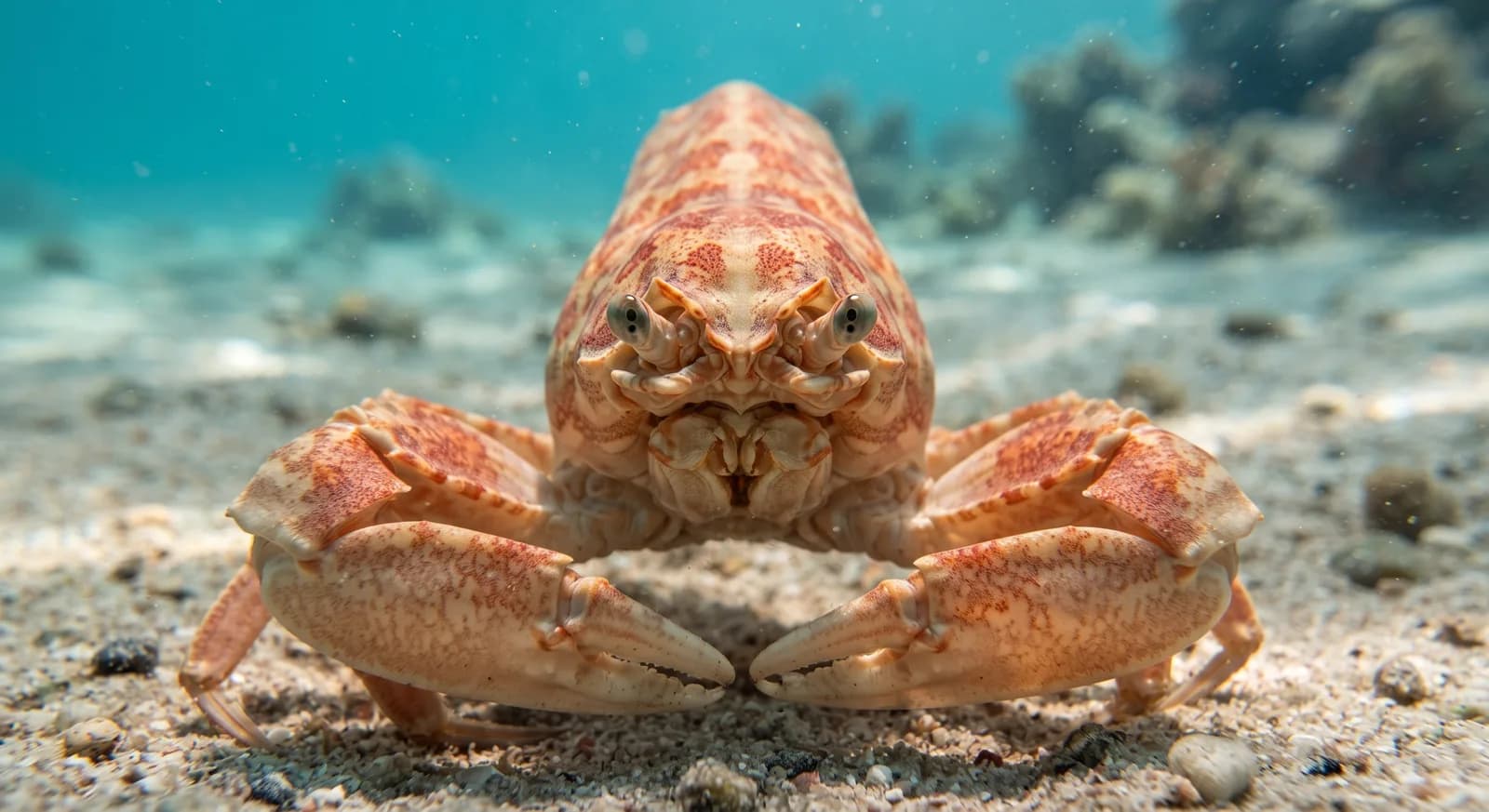
Not EvaluatedSpanner Crab
Ranina ranina
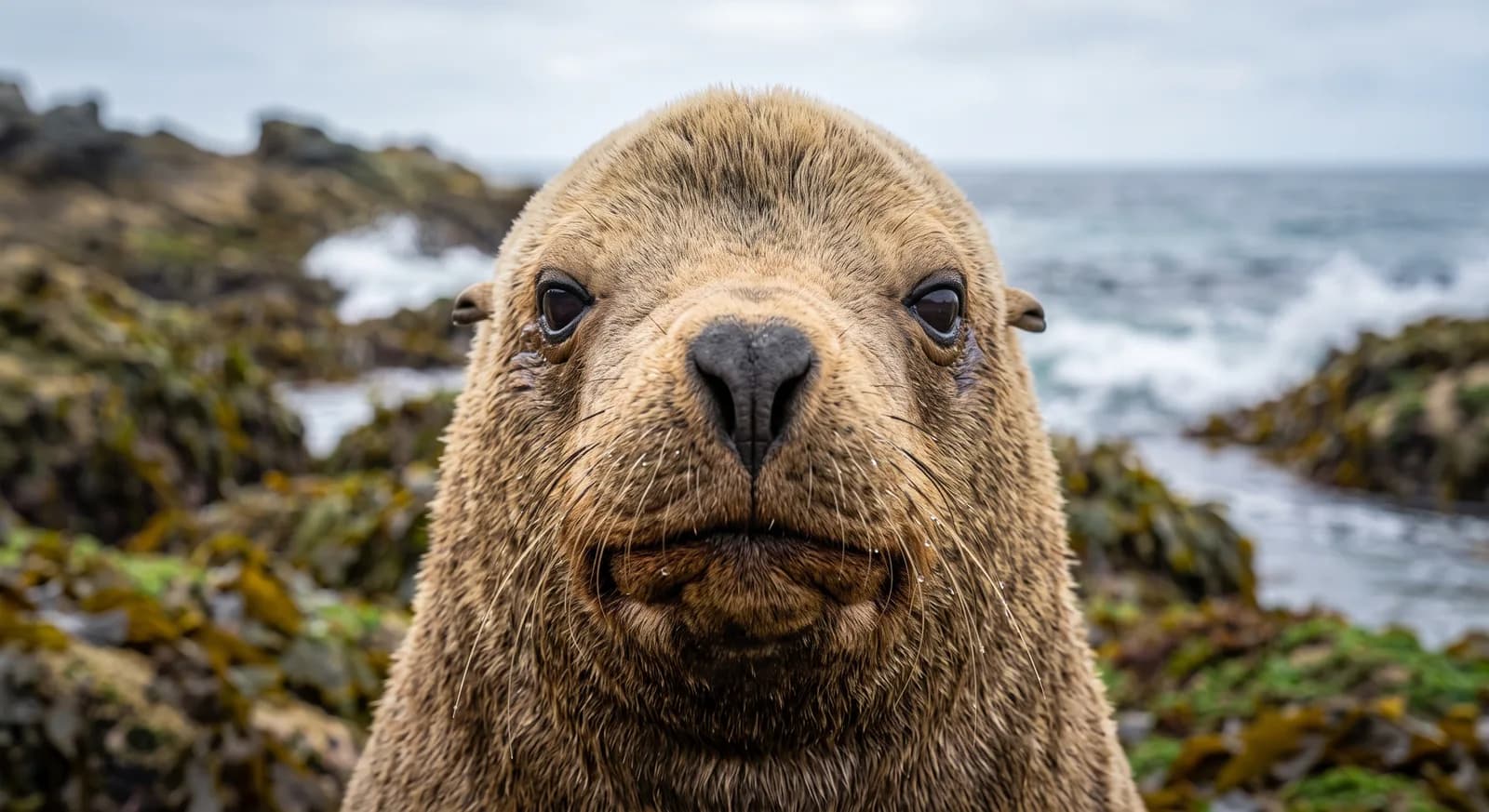
Near ThreatenedSteller Sea Lion
Eumetopias jubatus
Least ConcernJapanese Macaque
Macaca fuscata
Least ConcernDall's Porpoise
Phocoenoides dalli
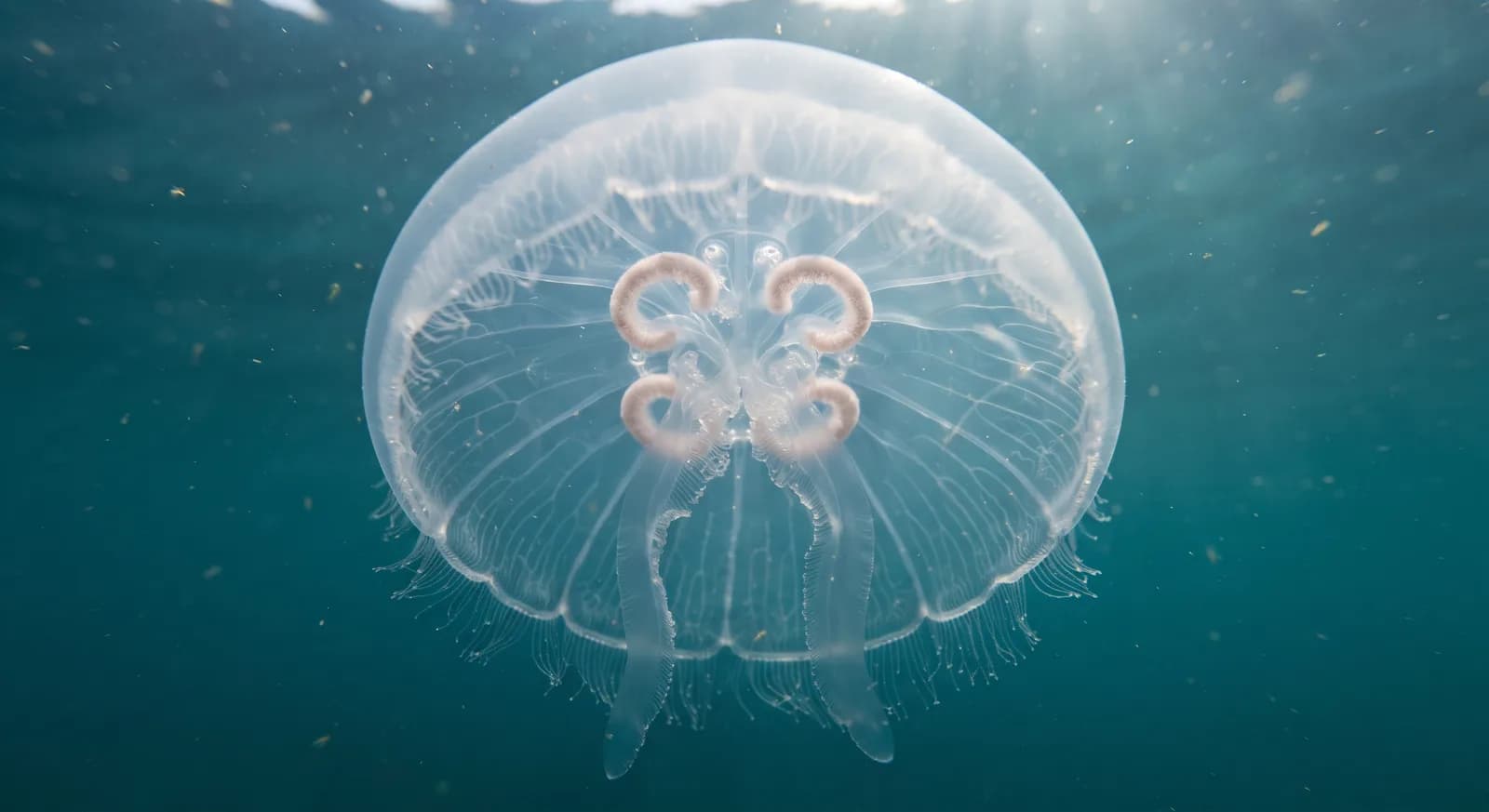
Not EvaluatedMoon Jellyfish
Aurelia aurita
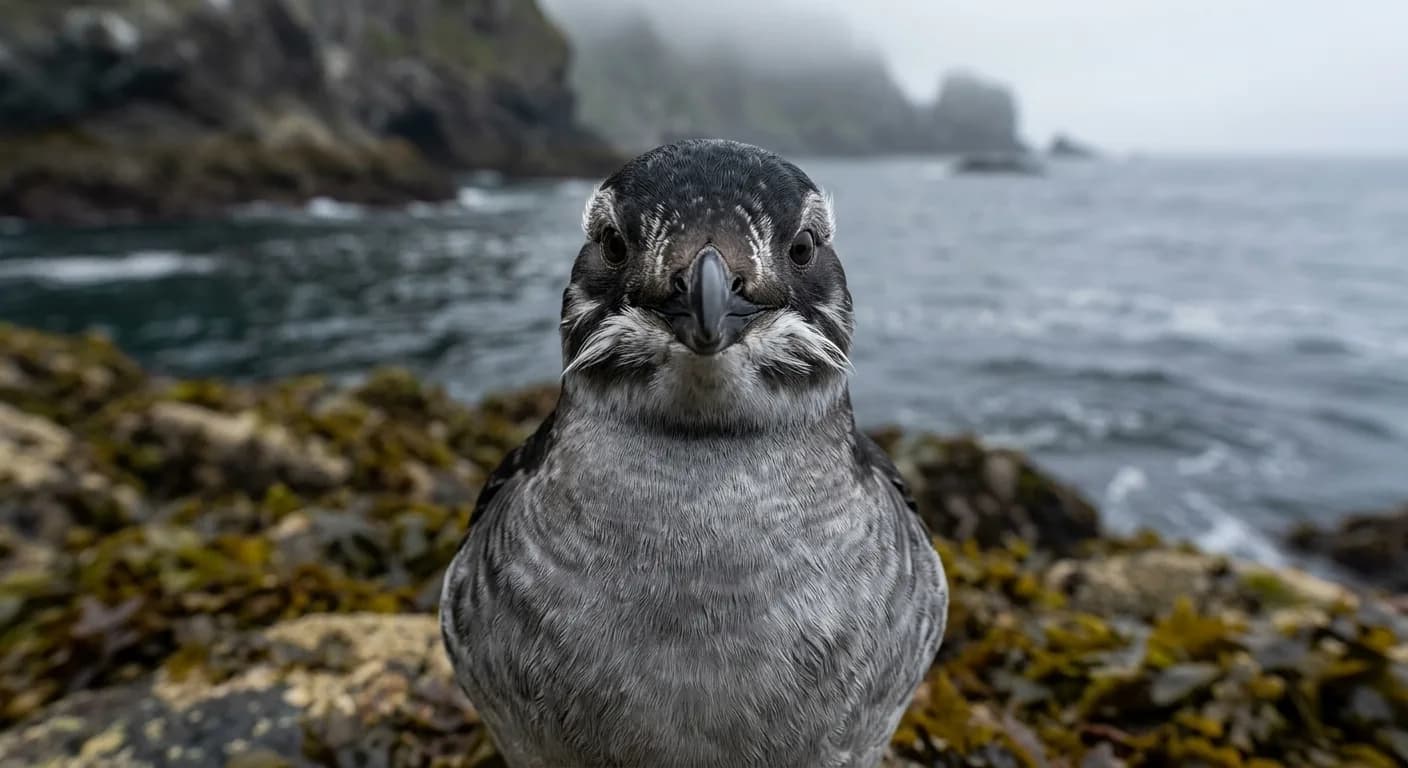
Least ConcernAncient Murrelet
Synthliboramphus antiquus
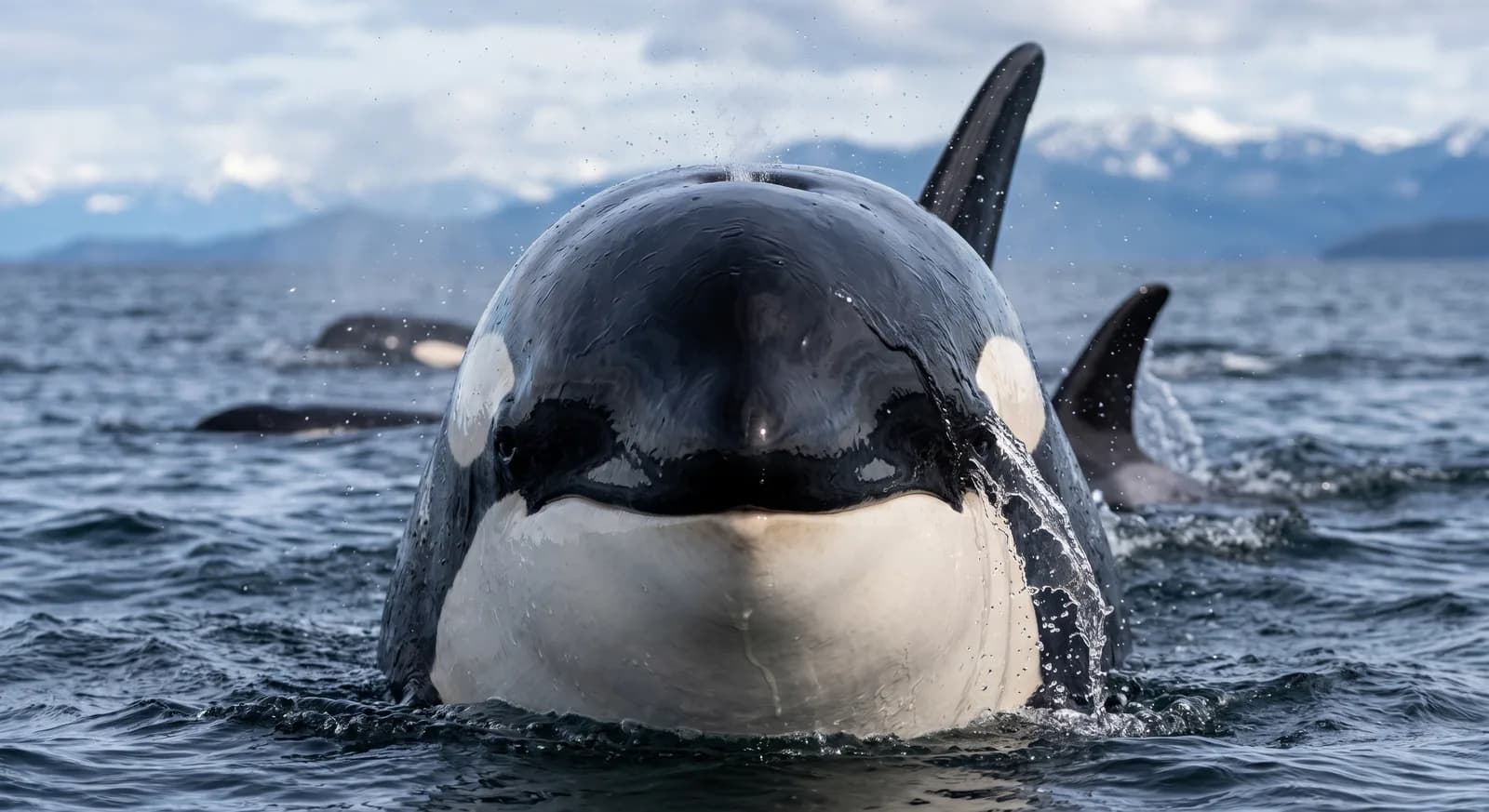
EndangeredKiller Whale
Orcinus orca
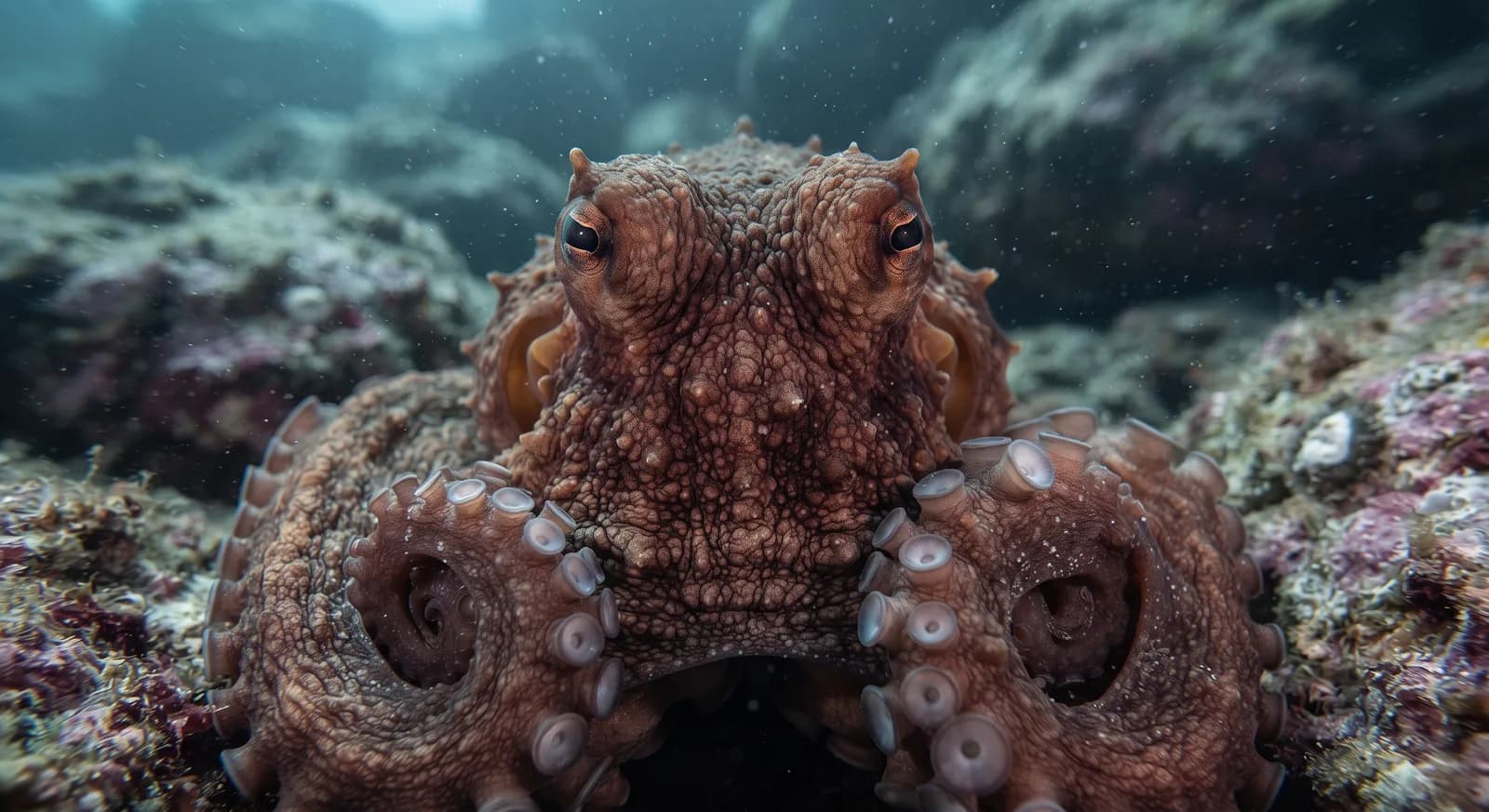
Least ConcernGiant Pacific Octopus
Enteroctopus dofleini
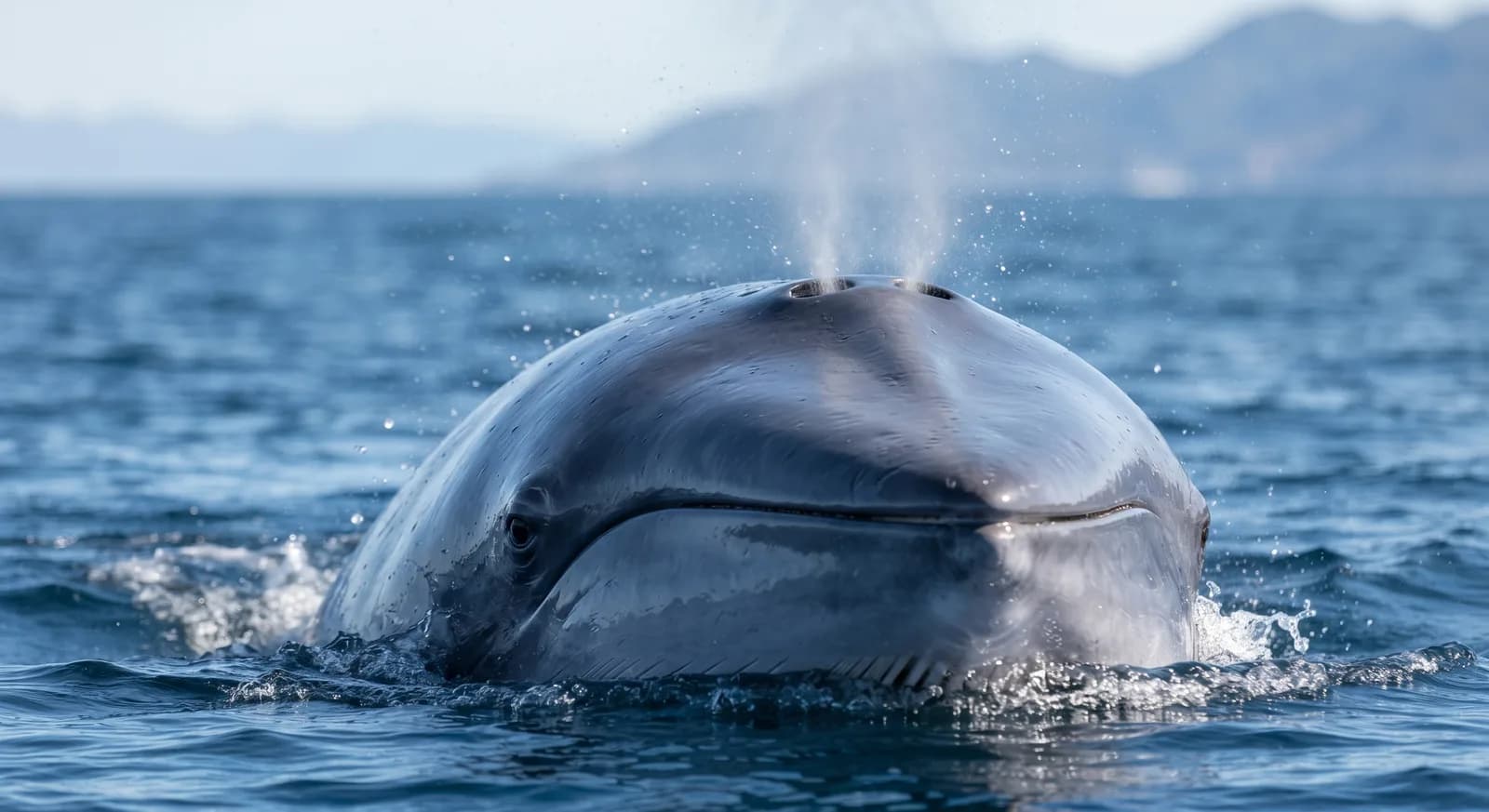
Least ConcernMinke Whale
Balaenoptera acutorostrata
Not EvaluatedChinook Salmon
Oncorhynchus tshawytscha