Skip to content
WAnimals
  • Map
  • Species
  • Parks
  • Diving
Log inCreate account
WAnimals

The guide for travellers and animal lovers: discover, plan and share your wild adventures around the world.

Discover wildlife

  • Species
  • Ecosystems
  • Glossary
  • Tags

Explore places

  • Map
  • Countries
  • Parks
  • Diving

Plan experiences

  • Guides

Learn

  • Blog

Resources

  • Help centre
  • Contact
  • Install the app

Follow us

Account

  • Log in
  • Create account

© 2026 WAnimals. All rights reserved.

About usHow we build our profilesTerms of servicePrivacyLegal notice
MapSpeciesParksDiving
  1. Home
  2. Species
  3. Ancient Murrelet
Ancient Murrelet (Synthliboramphus antiquus)

Birds · Charadriiformes · Alcidae

Ancient Murrelet

Synthliboramphus antiquus

Least Concern

The species is abundant and widely distributed; it faces no significant short-term risk.

Spotted something wrong?

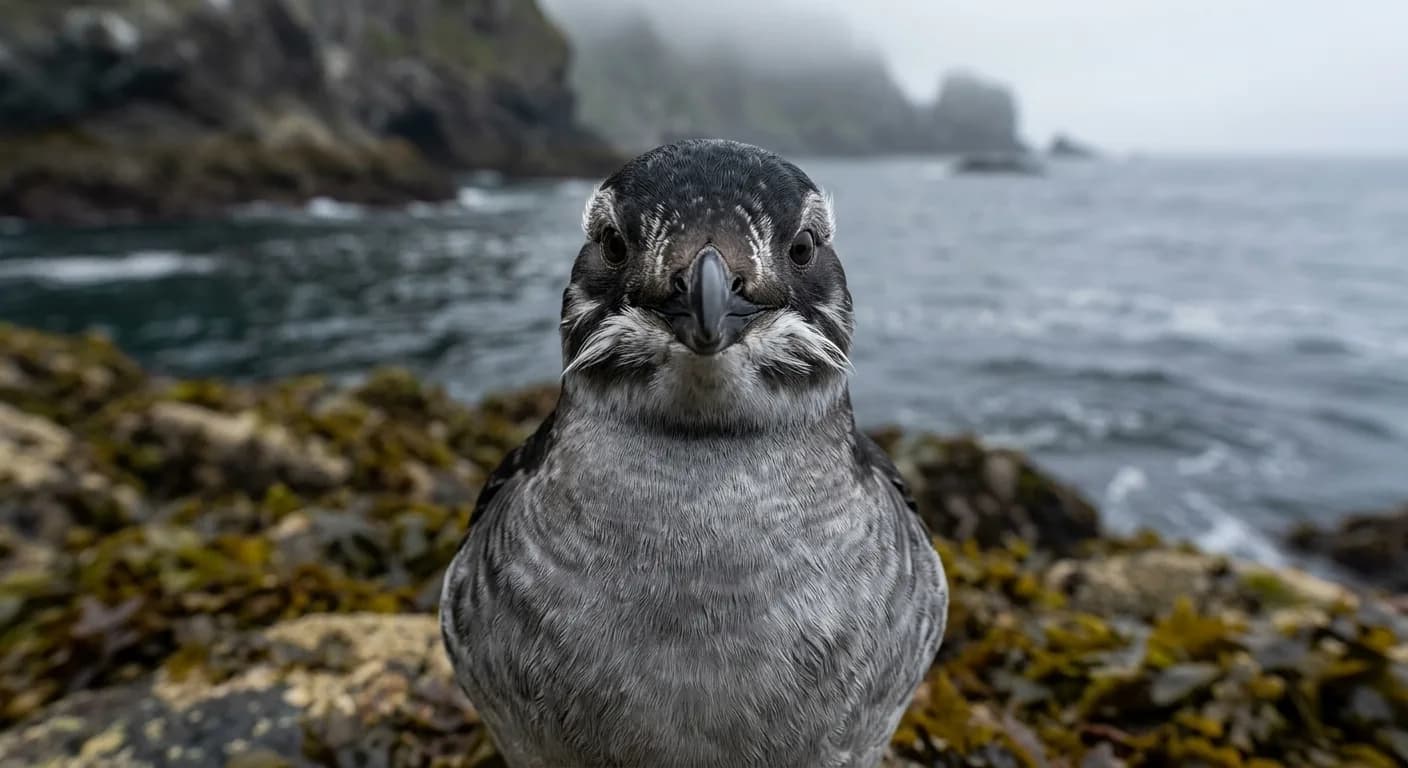
The ancient murrelet is an auk of the North Pacific with a black head, a grey back and fine white feathers above the eyes that give it a grey-haired look, which is where its name comes from. It breeds in burrows dug beneath the forest on North Pacific islands, and its chicks leave the nest at two or three days old to join their parents at sea.

Weight

180 g – 250 g

Size

24 cm – 27 cm

Life expectancy

15 years
Diet

Carnivore

Feeds mainly on other animals.

Activity

Nocturnal

Active mainly at night.

Social structure

Colony

Lives in large concentrations, often for breeding reasons.

Sighting difficulty

Easy

Temperate forestOceanIslands
6countries14parks7same family

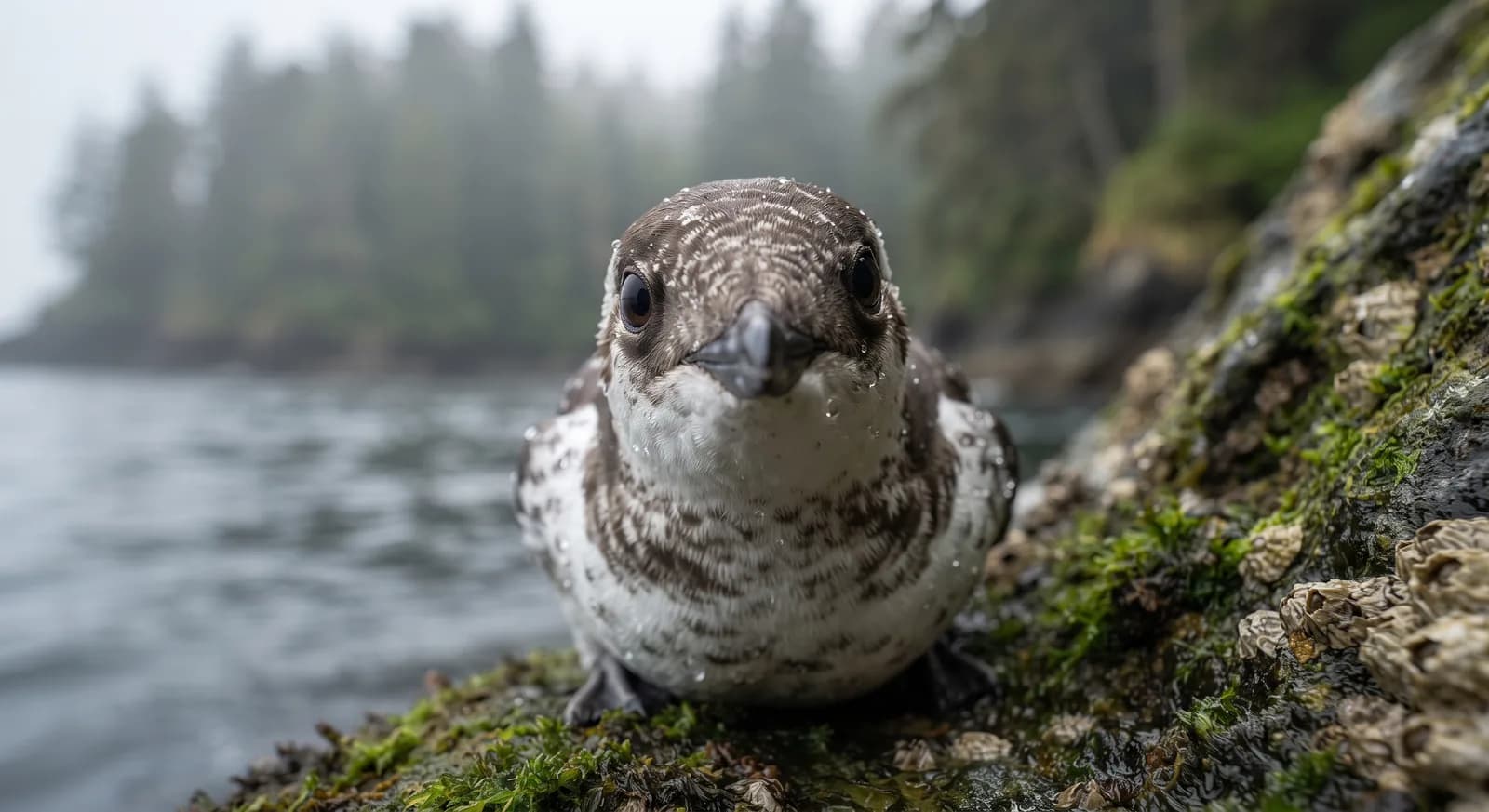
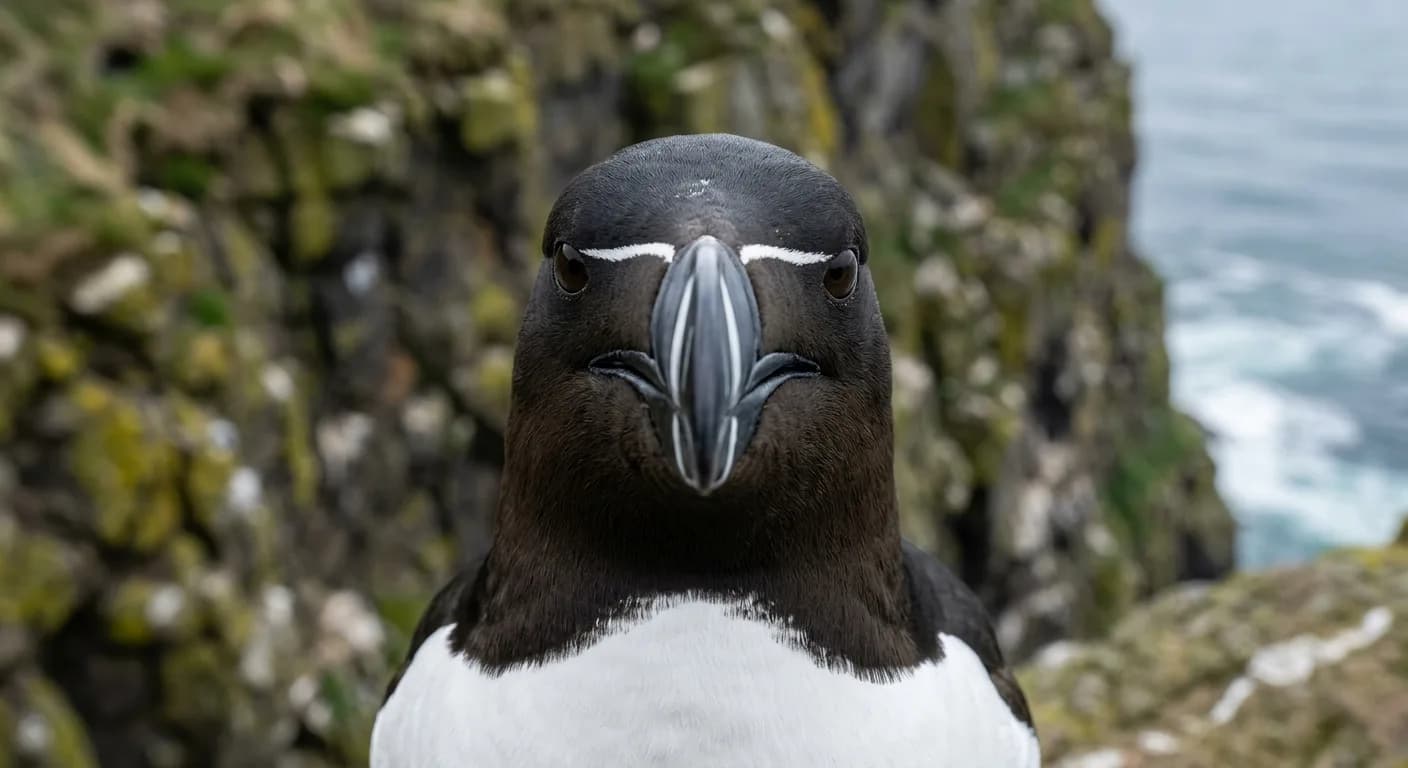
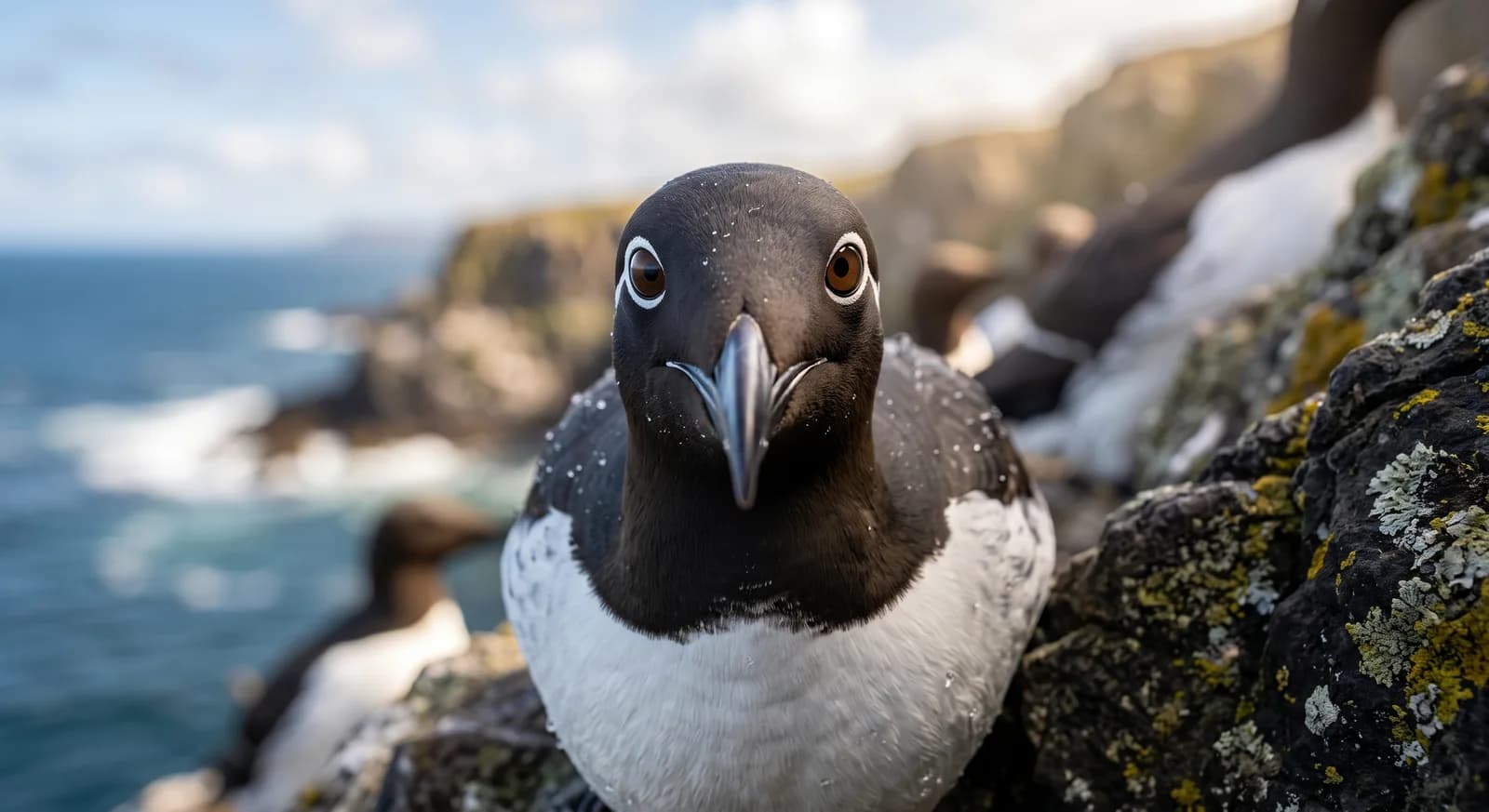
AI-generated images: illustrations, not photographs.

Fun facts

  • Its chicks leave the burrow two or three days after hatching and run down through the forest to the sea, guided by their parents calling from the water: a night-time journey of hundreds of metres for a chick a few days old.
  • Its name refers to the fine white feathers on its head, which recall the grey hair of an older person.
  • Introduced rats and raccoons have wiped out its colonies on several North Pacific islands, and its recovery on Haida Gwaii after the eradications is a benchmark case in Canada.

Life cycle and biology

Skeleton type
Vertebrate - internal bony skeleton (bird)
Habitat and environment
The North Pacific; breeds in burrows on wooded islands of Alaska, Canada, Russia and Japan
Sexual maturity
2 years
Gestation / incubation
33 days
Litter / clutch size
2

Sources consulted: https://es.wikipedia.org/wiki/Synthliboramphus_antiquus

Where to find it

Loading map…

The pins mark the parks where its presence is documented.

Where to see it

Parks and dive sites where this species has been documented — showing 10 of 14.

Related species

Other species in the catalogue with the most in common with Ancient Murrelet — same habitat, park, country, tags or family.

Same taxonomic family
Shares a park

Keep exploring

Based on what we already know about ancient murrelet.

Comments

Share an experience, a fun fact or a tip for seeing the ancient murrelet.

Be the first to comment.

See full glossary
This page in other languages: Español · Deutsch · Français · Português · Italiano
See its range on the interactive map→
OlympicUnited States
Glacier BayUnited States
Channel IslandsUnited States
Pacific RimCanada
Gwaii HaanasCanada
ShiretokoJapan
KatmaiUnited States
Volcanoes of KamchatkaRussia
Wrangel IslandRussia
Point ReyesUnited States
See all 14 parks
Common MurreLeast Concern

Common Murre

Uria aalge

Least Concern

Horned Puffin

Fratercula corniculata

Vulnerable

Scripps's Murrelet

Synthliboramphus scrippsi

Marbled MurreletEndangered

Marbled Murrelet

Brachyramphus marmoratus

RazorbillLeast Concern

Razorbill

Alca torda

Least Concern

Northern Fulmar

Fulmarus glacialis

CountriesUnited States
ParksOlympicUnited States
TagsCarnivore
Carnivore
Nocturnal
Colonial
Bird
Temperate forest
Ocean
Islands
United States
Canada
Russia
Japan
China
South Korea