Skip to content
WAnimals
  • Map
  • Species
  • Parks
  • Diving
Log inCreate account
WAnimals

The guide for travellers and animal lovers: discover, plan and share your wild adventures around the world.

Discover wildlife

  • Species
  • Ecosystems
  • Glossary
  • Tags

Explore places

  • Map
  • Countries
  • Parks
  • Diving

Plan experiences

  • Guides

Learn

  • Blog

Resources

  • Help centre
  • Contact
  • Install the app

Follow us

Account

  • Log in
  • Create account

© 2026 WAnimals. All rights reserved.

About usHow we build our profilesTerms of servicePrivacyLegal notice
MapSpeciesParksDiving
  1. Home
  2. Species
  3. Horned Puffin

One of the 2 puffins on WAnimals

Birds · Charadriiformes · Alcidae

Horned Puffin

Fratercula corniculata

Least Concern

The species is abundant and widely distributed; it faces no significant short-term risk.

Spotted something wrong?

It owes its name to the small fleshy horn that grows above each eye in the breeding season. It has sperm-storage glands that let it fertilise the egg some time after mating.

Weight

400 g – 620 g

Size

36 cm – 41 cm

Life expectancy

20 years

Diet

Carnivore

Feeds mainly on other animals.

Activity

Diurnal

Active mainly during the day.

Social structure

Colony

Lives in large concentrations, often for breeding reasons.

Sighting difficulty

Easy

OceanIslands
4countries12parks7same family

Fun facts

  • It grows a small fleshy "horn" above each eye in the breeding season.
  • It can delay fertilisation of the egg after mating on land.
  • It is vulnerable to oil spills despite its favourable conservation status.
  • anatomíaIt can hold several small fish in its bill at once, thanks to backward-pointing spines on the palate and tongue that stop the catch slipping out while it goes on fishing.

Life cycle and biology

Skeleton type
Vertebrate - pneumatised bony skeleton (bird)
Habitat and environment
Rocky coasts and islands of the North Pacific, from Alaska and British Columbia to Siberia, wintering out at sea
Birth weight
Exact weight at hatching not found as a precise figure
Size at birth
Altricial, unable to regulate its body temperature until it is over a week old
Sexual maturity
Not precisely known (maturity comes after several years at sea, before it returns to breed)
Gestation / incubation
38-43 days (average 40 days)
Litter / clutch size
1 egg per clutch

Sources consulted: SeaLifeBase; NHPBS NatureWorks; Animal Diversity Web; A-Z Animals; AnimalHub; Encyclopedia of Puget Sound; U.S. Fish & Wildlife Service; PBS Nature

Where to find it

Best time: From May to August at the colonies in Alaska, the Aleutians and Kamchatka; the rest of the year it is pelagic and is not seen from land.

Loading map…

The pins mark the parks where its presence is documented.

Where to see it

Parks and dive sites where this species has been documented — showing 10 of 12.

Related species

Other species in the catalogue with the most in common with Horned Puffin — same habitat, park, country, tags or family.

Same taxonomic family
Shares a park
Shares a park

Keep exploring

Based on what we already know about horned puffin.

Comments

Share an experience, a fun fact or a tip for seeing the horned puffin.

Be the first to comment.
See full glossary
This page in other languages: Español · Deutsch · Français · Português · Italiano
See its range on the interactive map→
Glacier BayUnited States
Wrangell-St. EliasUnited States
Pacific RimCanada
Gwaii HaanasCanada
ShiretokoJapan
KatmaiUnited States
Lake ClarkUnited States
Volcanoes of KamchatkaRussia
Wrangel IslandRussia
Kenai FjordsUnited States
See all 12 parks
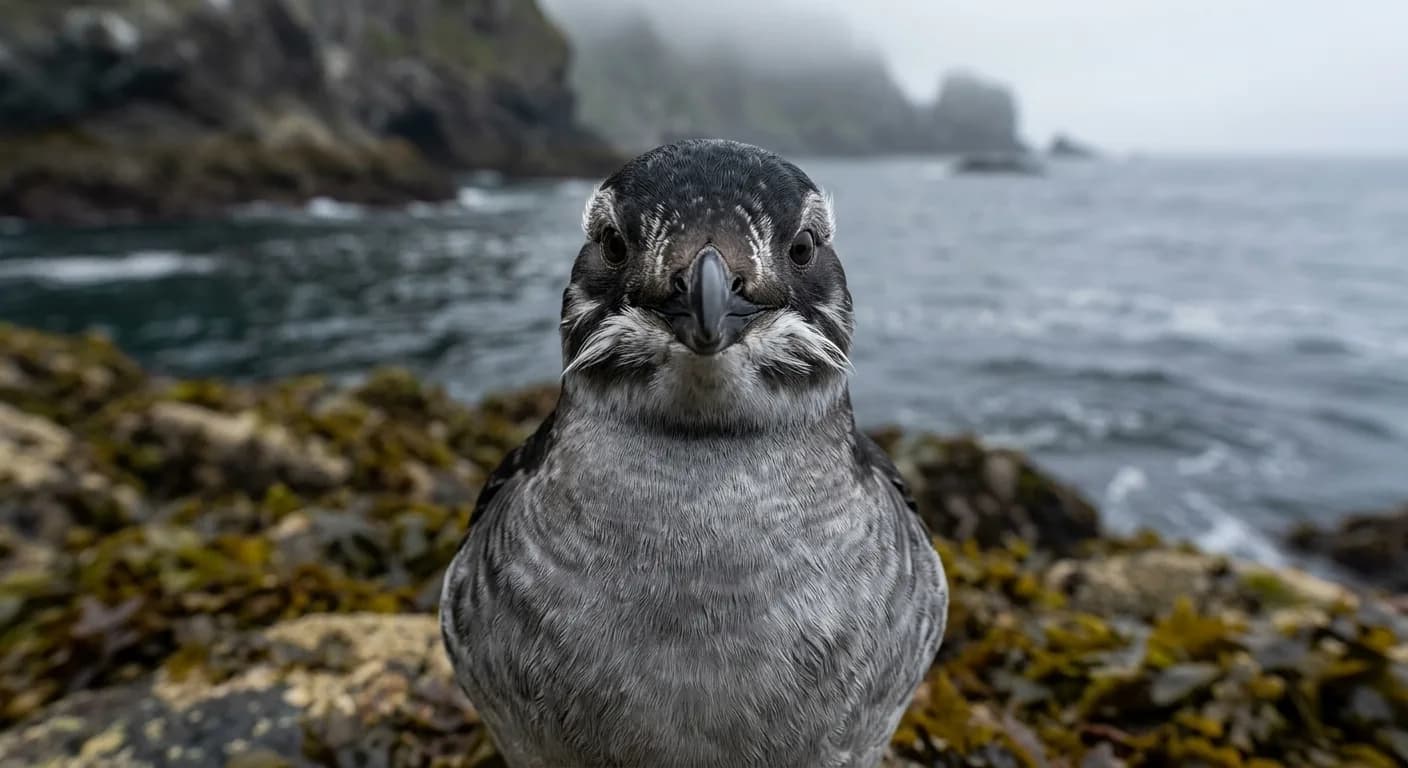
Ancient MurreletLeast Concern

Ancient Murrelet

Synthliboramphus antiquus

Common MurreLeast Concern

Common Murre

Uria aalge

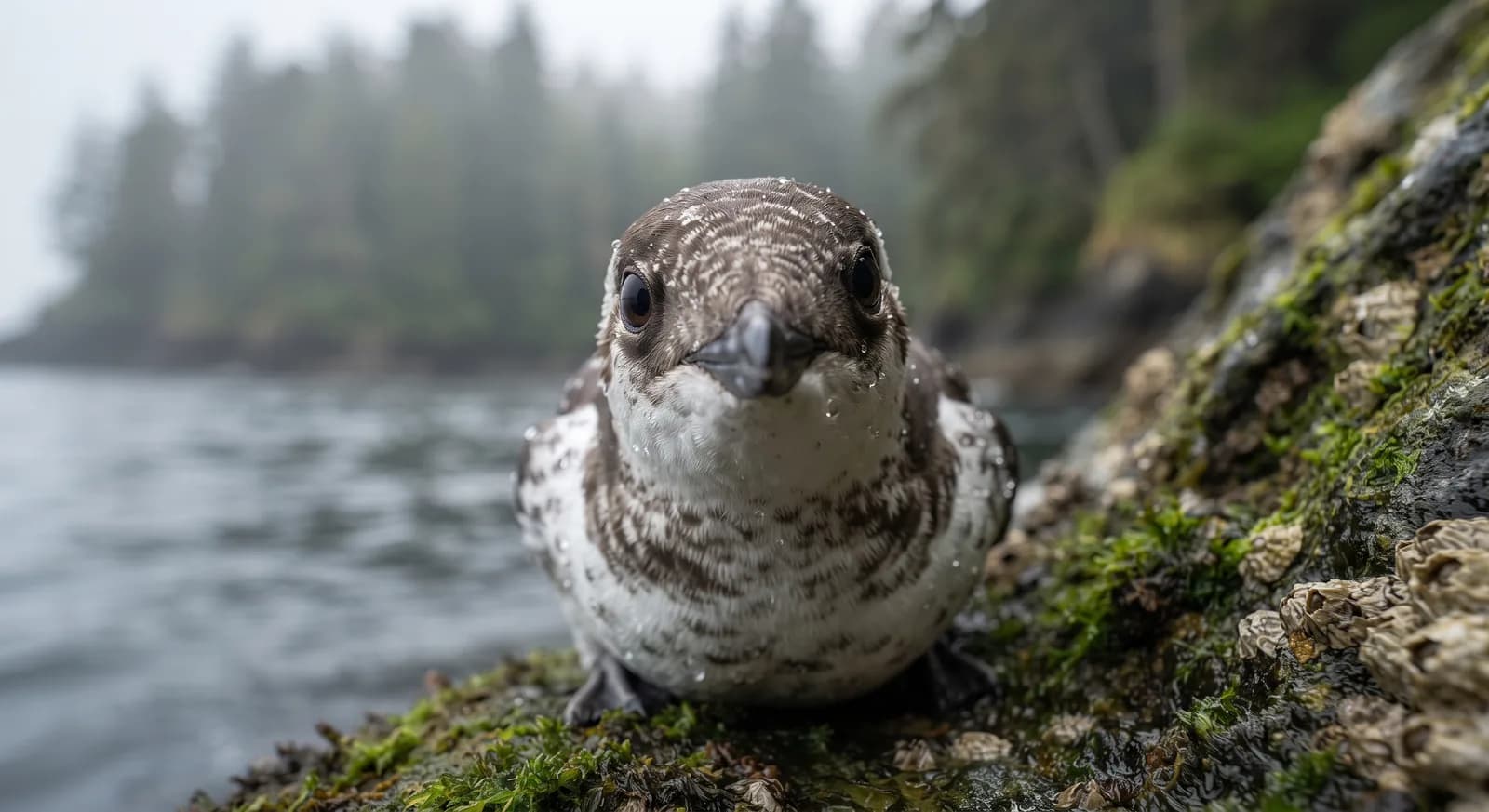
Marbled MurreletEndangered

Marbled Murrelet

Brachyramphus marmoratus

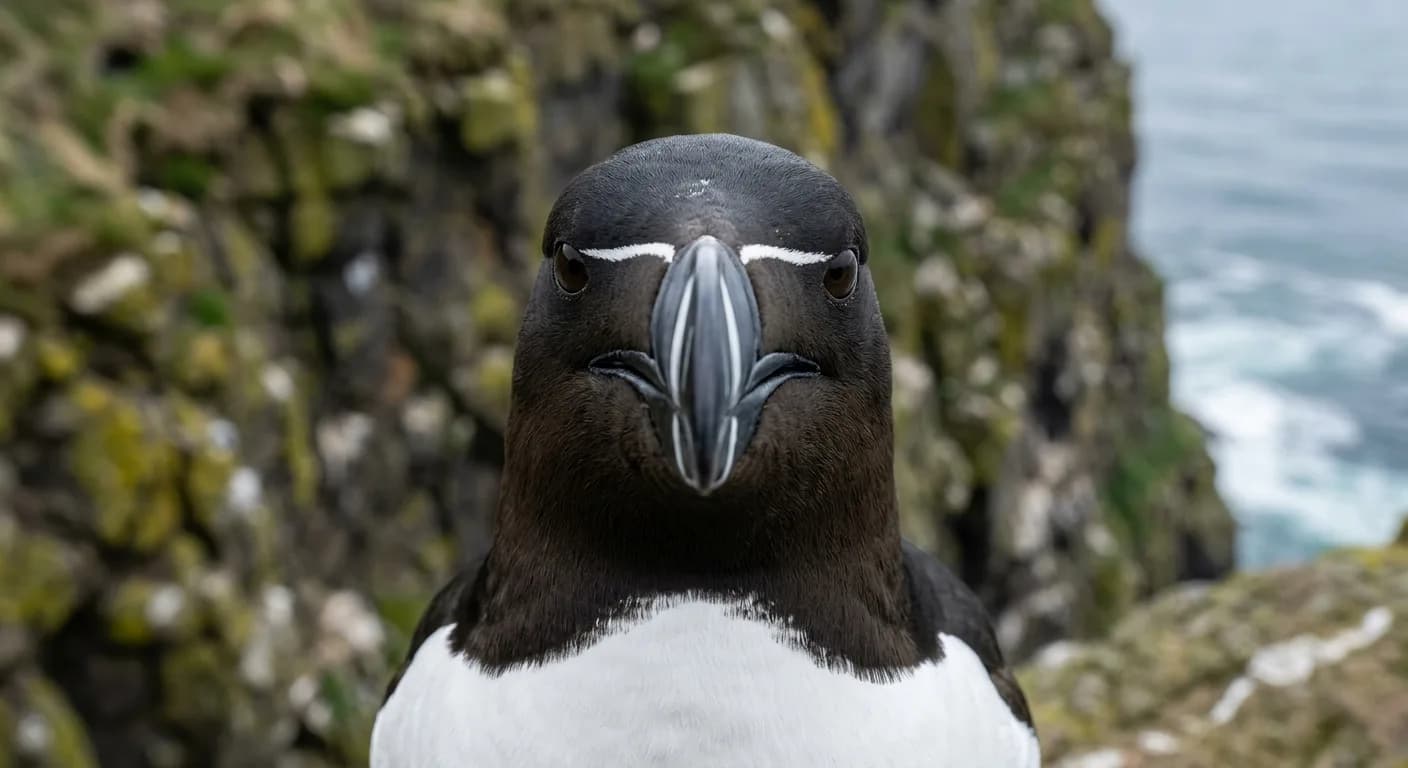
RazorbillLeast Concern

Razorbill

Alca torda

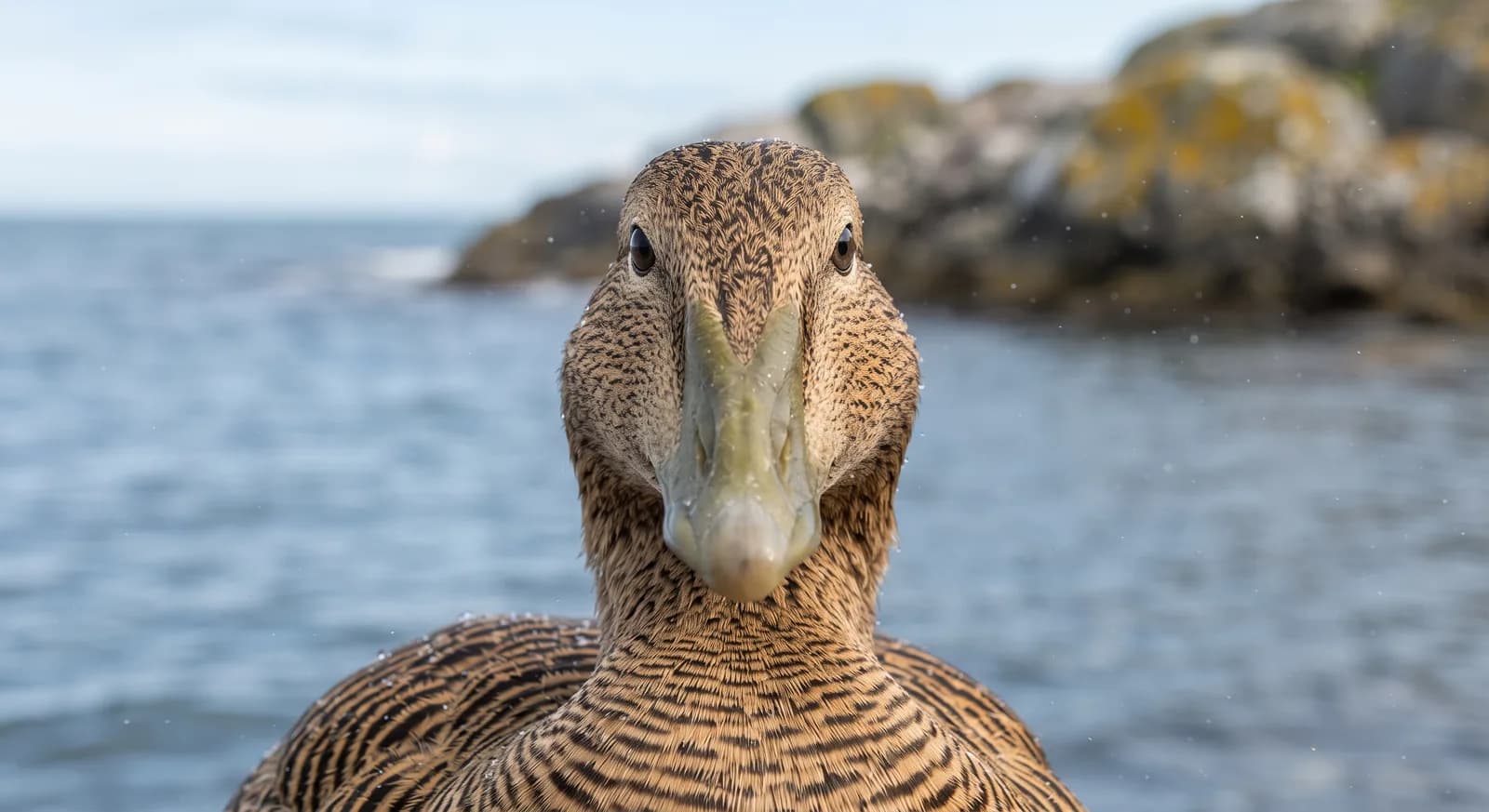
Common EiderLeast Concern

Common Eider

Somateria mollissima

Least Concern

Northern Fulmar

Fulmarus glacialis

CountriesUnited States
ParksGlacier BayUnited States
TagsCarnivore
Carnivore
Diurnal
Colonial
Bird
Ocean
Islands
United States
Russia
Canada
Japan