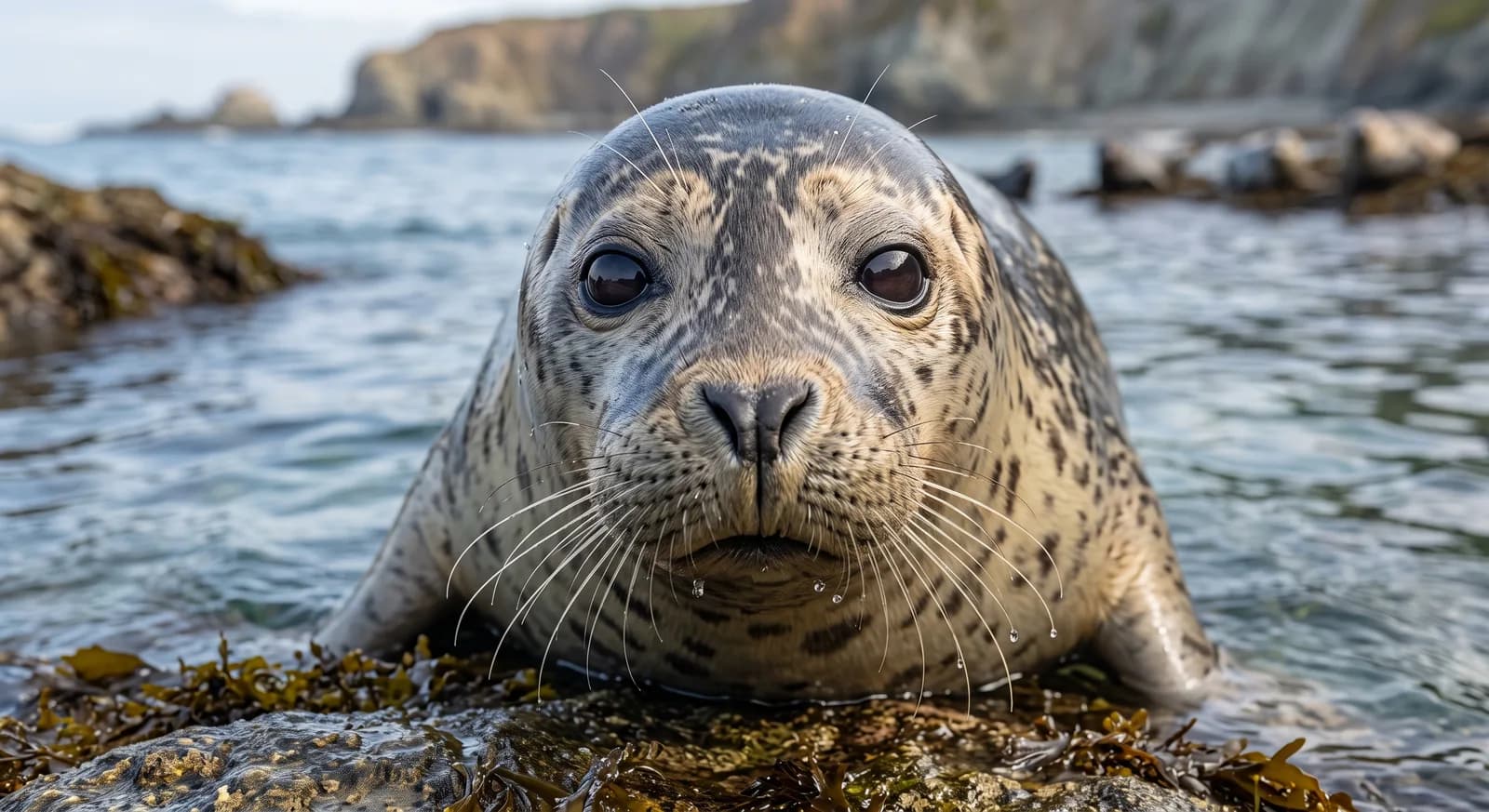
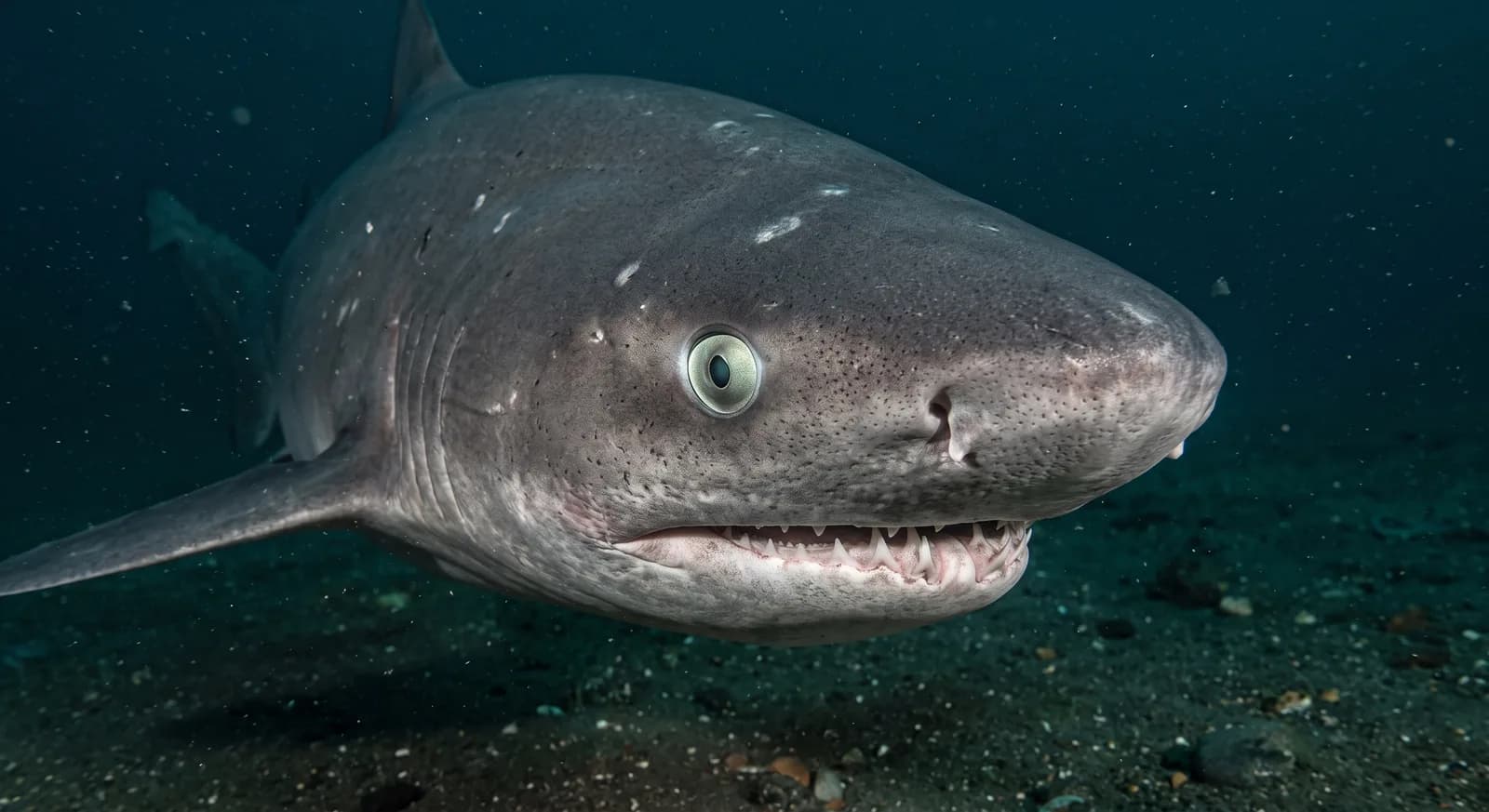
One of the 7 octopuses on WAnimals
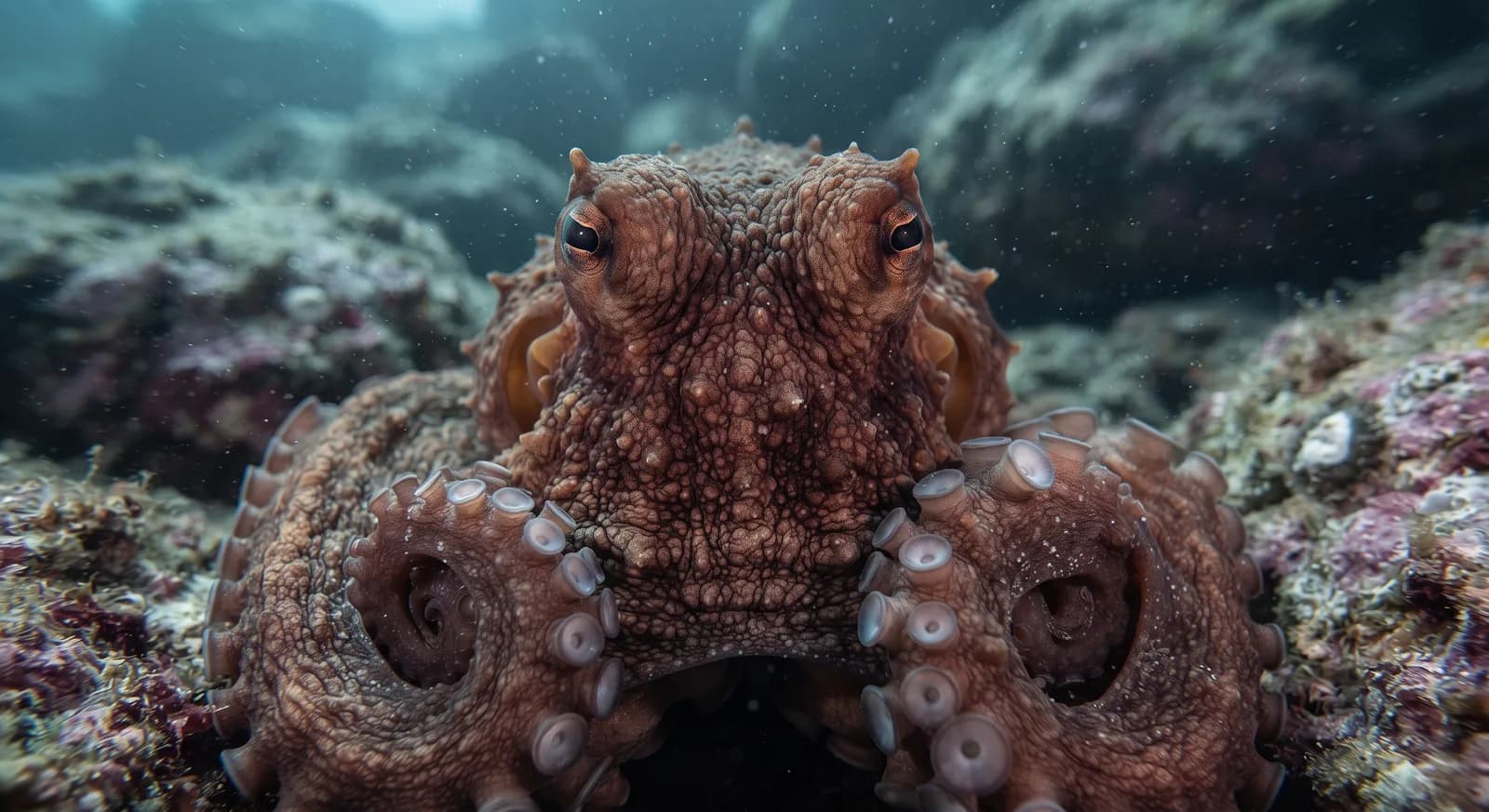
Cephalopods · Octopoda · Octopodidae
Enteroctopus dofleini
The species is abundant and widely distributed; it faces no significant short-term risk.
For all that it is the largest octopus in the world, its life is surprisingly short: barely three to five years, a span governed by the optic gland, an endocrine organ that triggers senescence after breeding.
Weight
10 kg – 50 kg
Size
up to 5 m
Life expectancy
4 years
Diet
Carnivore
Feeds mainly on other animals.
Activity
Nocturnal
Active mainly at night.
Social structure
Solitary
Lives and hunts alone, joining others only to breed.
Sighting difficulty
Easy
AI-generated images: illustrations, not photographs.
Sources consulted: TheSea.org; ScienceDirect; National Geographic; SeaDoc Society; Facts and Details; ADFG Alaska; California Sea Grant; Animal Diversity Web; UW Interactive Oceans
The pins mark the parks and dive sites where its presence is documented.
Parks and dive sites where this species has been documented — showing 20 of 29.
Other species in the catalogue with the most in common with Giant Pacific Octopus — same habitat, park, country, tags or family.
Based on what we already know about giant pacific octopus.
Share an experience, a fun fact or a tip for seeing the giant pacific octopus.
Be the first to comment.