Skip to content
WAnimals
  • Map
  • Species
  • Parks
  • Diving
Log inCreate account
WAnimals

The guide for travellers and animal lovers: discover, plan and share your wild adventures around the world.

Discover wildlife

  • Species
  • Ecosystems
  • Glossary
  • Tags

Explore places

  • Map
  • Countries
  • Parks
  • Diving

Plan experiences

  • Guides

Learn

  • Blog

Resources

  • Help centre
  • Contact
  • Install the app

Follow us

Account

  • Log in
  • Create account

© 2026 WAnimals. All rights reserved.

About usHow we build our profilesTerms of servicePrivacyLegal notice
MapSpeciesParksDiving
  1. Home
  2. Species
  3. Pacific Hagfish

One of the 2 hagfishes on WAnimals

Hagfish · Myxiniformes · Myxinidae

Pacific Hagfish

Eptatretus stoutii

Data Deficient

There is not enough information to assess its risk of extinction.

Spotted something wrong?

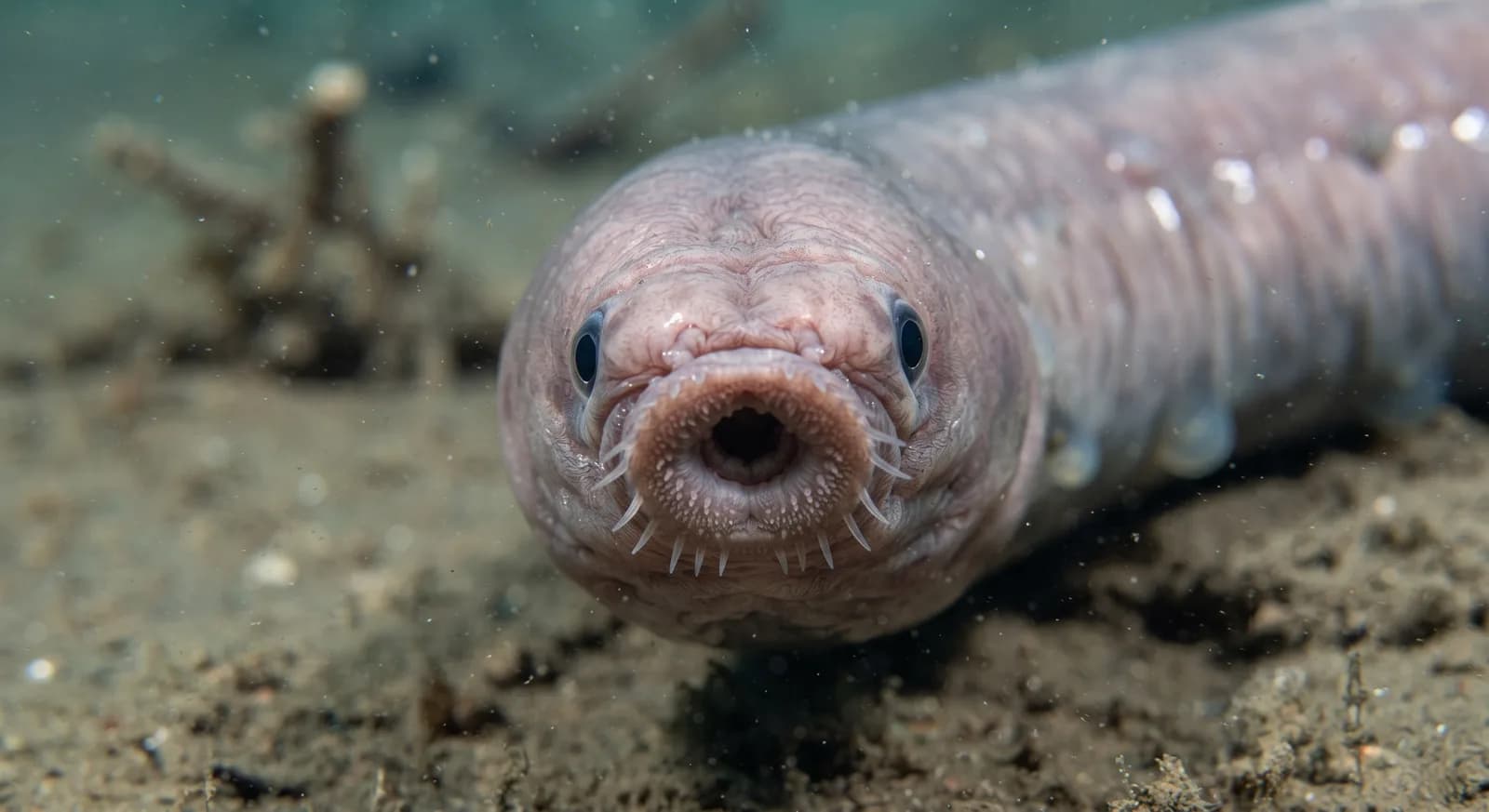
The Pacific hagfish, sometimes wrongly called the "slime eel", is an agnathan fish of the family Myxinidae. It lives in the north-eastern Pacific, from south-eastern Alaska to Baja California, at depths of 16 to 966 m. It is a living fossil, and to look at one is to look back to the Palaeozoic era, when the jawless fishes were the only vertebrates in existence. When frightened, these animals produce a slime or mucus that they use to escape.

Weight

up to 1.4 kg

Size

up to 63.5 cm

Diet

Carnivore

Feeds mainly on other animals.

Activity

Nocturnal

Active mainly at night.

Social structure

Solitary

Lives and hunts alone, joining others only to breed.

Sighting difficulty

Unknown

Ocean
3countries10parks6dive sites1same family

Fun facts

  • A single pinch on the tail of a 45 cm adult triggers the production of 0.9 litres of slime, some seven times the animal's own volume. No other material, biological or synthetic, expands so much in so little time.
  • The slime forms in under half a second: coiled threads unwind and the mucus swells, trapping water and clogging the predator's mouth and gills.
  • It has no jaws: it grips the flesh with rasping plates on its tongue and ties its own body into a knot to pull and tear it free.
  • It is a scavenger: it finds a carcass by smell, enters through the mouth or the anus and consumes it from the inside out, leaving nothing but skin and bones.
  • With its extremely slow metabolism it can go up to seven months without eating.
  • Despite more than a century of searching, only some 200 fertilised eggs have been found in Monterey Bay: its reproduction remains a mystery.

Life cycle and biology

Habitat and environment
Muddy bottoms of the eastern Pacific, from south-east Alaska to Baja California, between 16 and 966 m and mostly between 40 and 100 m; it shelters buried in the sediment
Sexual maturity
Length at first maturity 42 cm

Sources consulted: https://es.wikipedia.org/wiki/Eptatretus_stoutii

Where to find it

Loading map…

The pins mark the parks and dive sites where its presence is documented.

Where to see it

Parks and dive sites where this species has been documented.

Related species

Other species in the catalogue with the most in common with Pacific Hagfish — same habitat, park, country, tags or family.

Same taxonomic family
Shares a park
Shares a park
Shares a park
Shares a park
Shares a park

Keep exploring

Based on what we already know about pacific hagfish.

Comments

Share an experience, a fun fact or a tip for seeing the pacific hagfish.

Be the first to comment.
See full glossary
This page in other languages: Español · Deutsch · Français · Português · Italiano
See its range on the interactive map→
RedwoodUnited States
OlympicUnited States
Glacier BayUnited States
Channel IslandsUnited States
Pacific RimCanada
Gwaii HaanasCanada
KatmaiUnited States
Point ReyesUnited States
Gulf IslandsCanada
Kenai FjordsUnited States
Browning Pass (Vancouver Island)Canada
HMCS Nanaimo WreckCanada
Monterey Bay (Point Lobos)United States
Puget Sound (giant Pacific octopus)United States
Neah BayUnited States
Great Bear RainforestCanada
HagfishLeast Concern

Hagfish

Myxine glutinosa

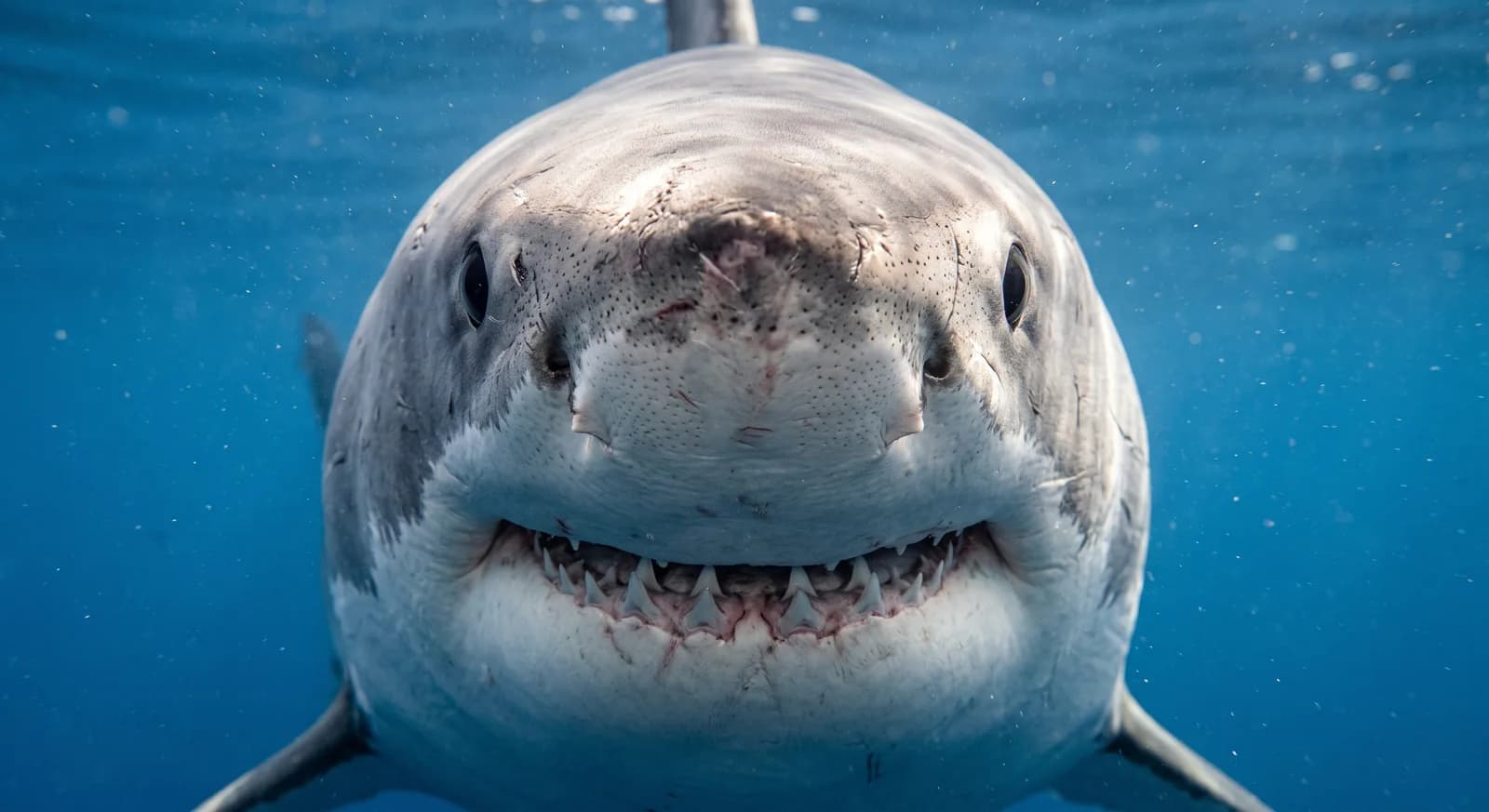
Great White SharkVulnerable

Great White Shark

Carcharodon carcharias

GrayfishVulnerable

Grayfish

Alopias vulpinus

Blue SharkNear Threatened

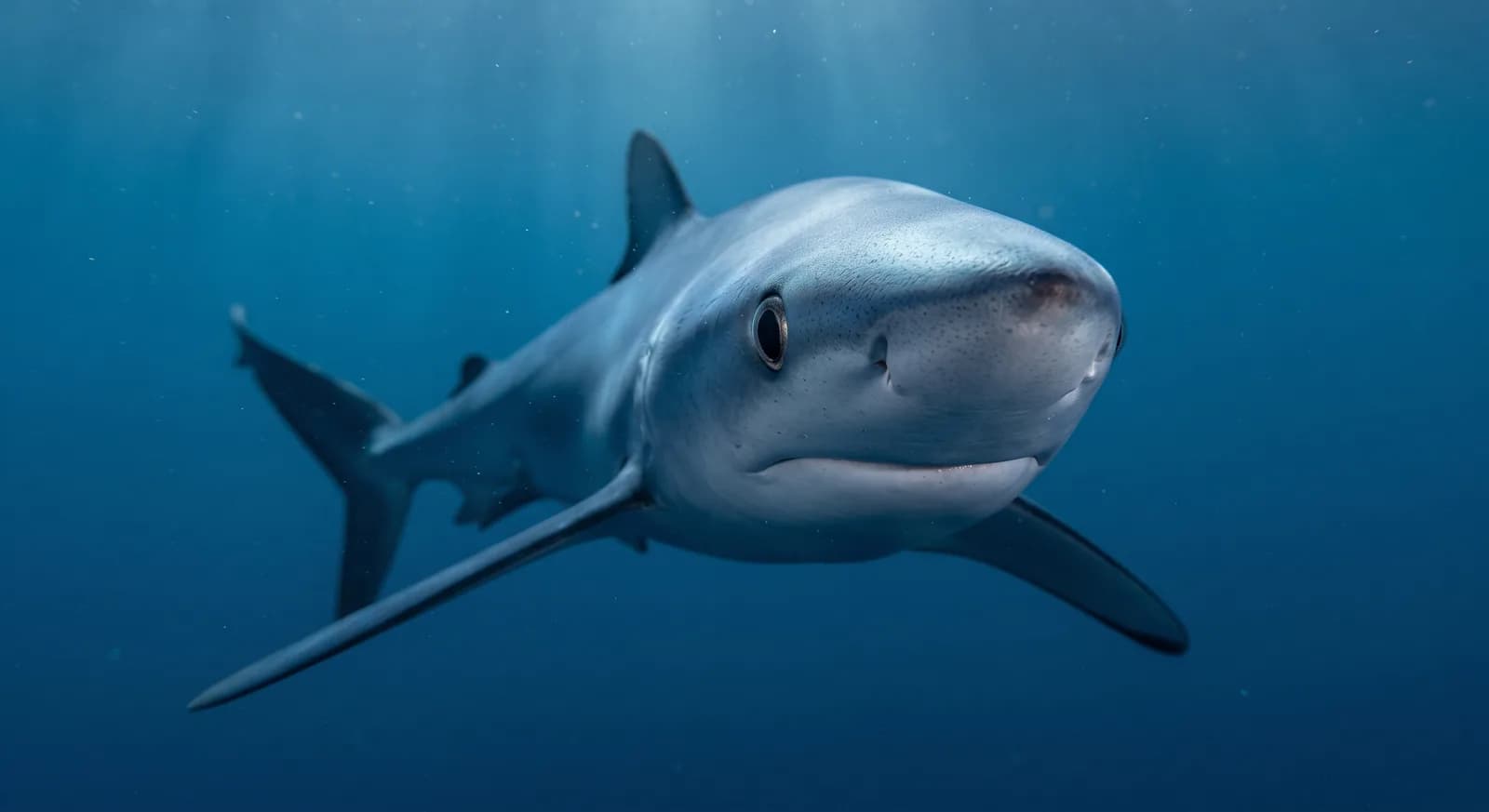
Blue Shark

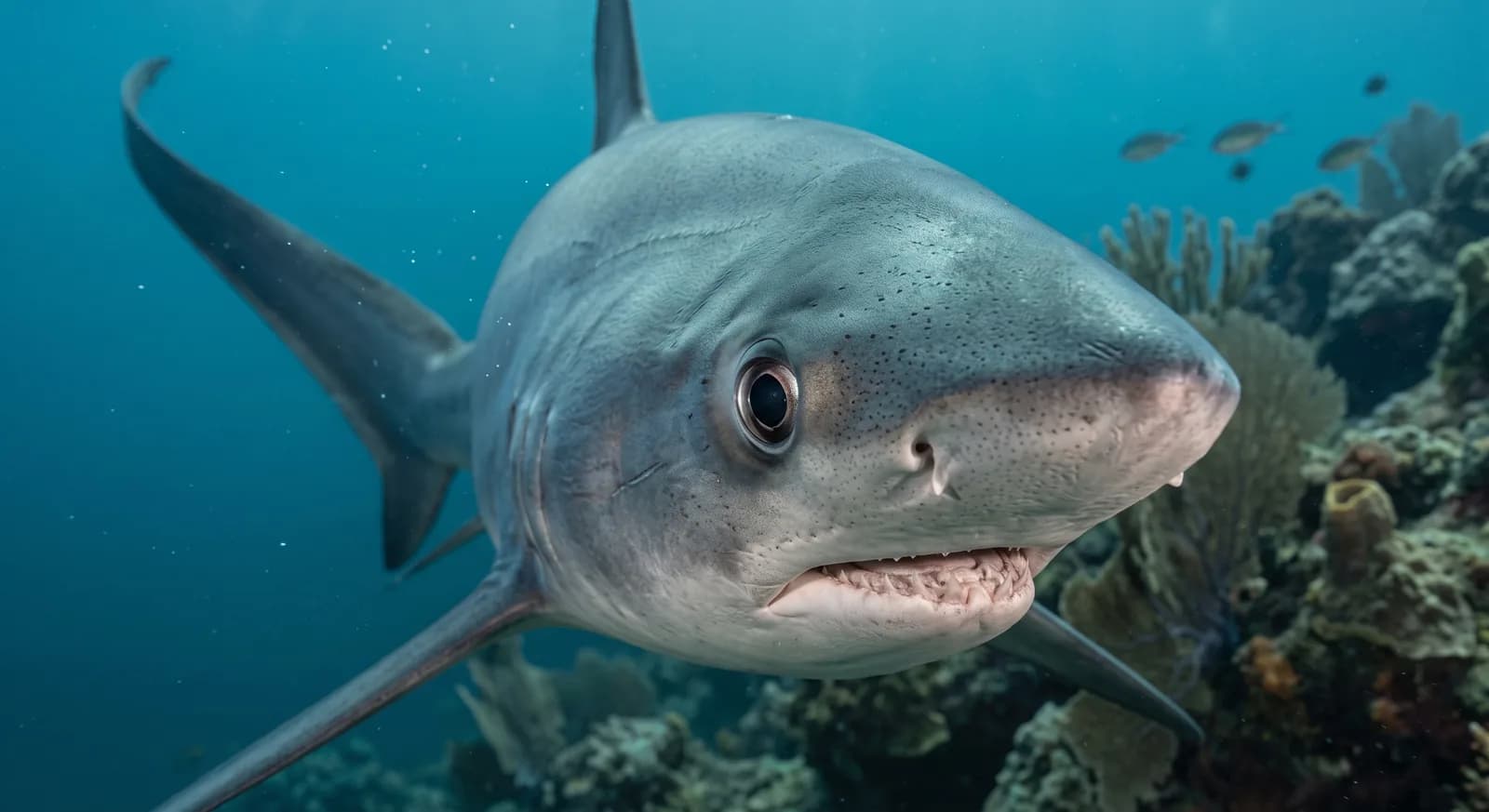
Prionace glauca

Least Concern

Horn Shark

Heterodontus francisci

Bluntnose Sixgill SharkNear Threatened

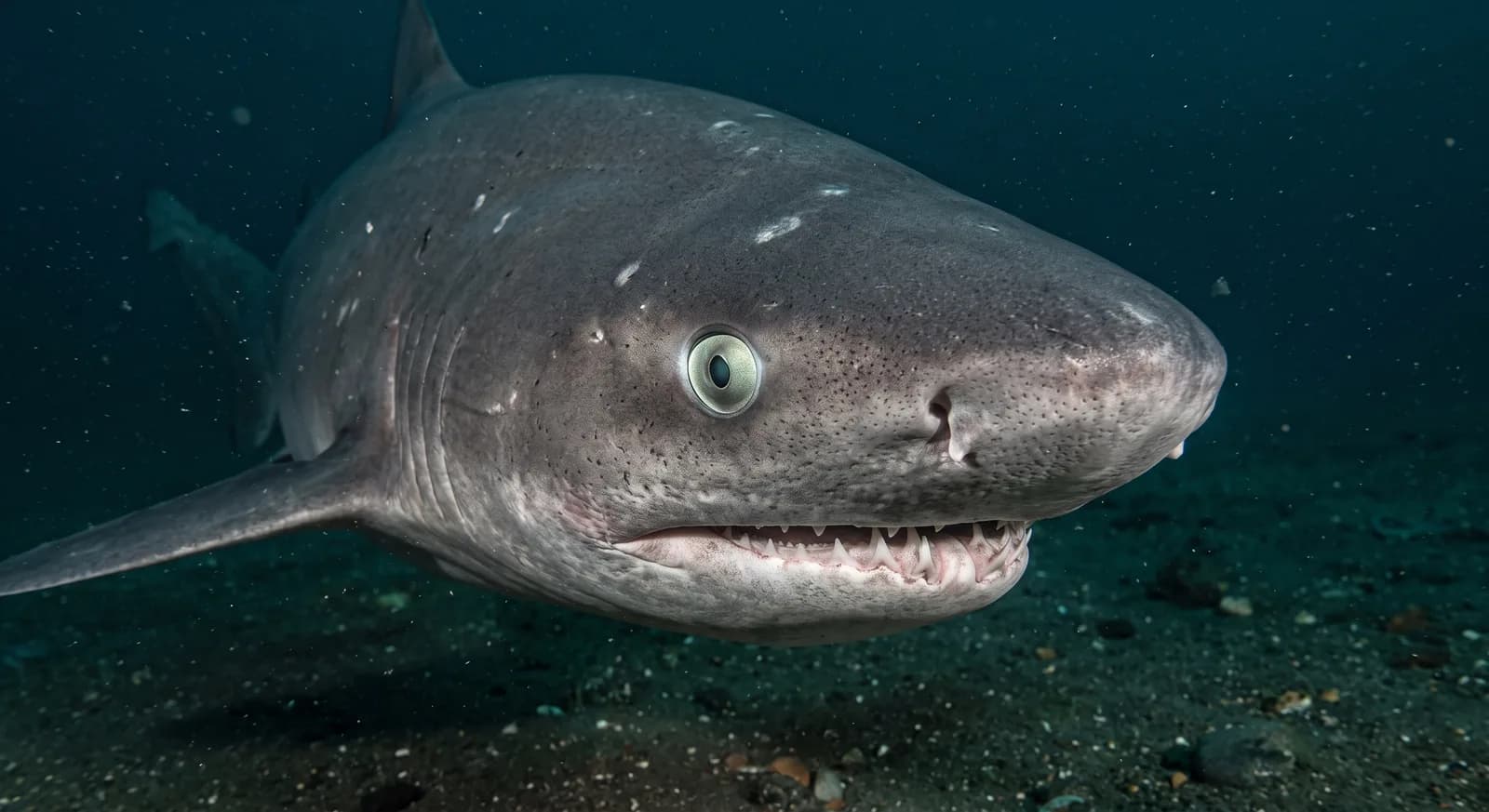
Bluntnose Sixgill Shark

Hexanchus griseus

CountriesUnited States
ParksRedwoodUnited States
TagsCarnivore
Carnivore
Nocturnal
Solitary
Fish
Ocean
United States
Canada
Mexico