Skip to content
WAnimals
  • Map
  • Species
  • Parks
  • Diving
Log inCreate account
WAnimals

The guide for travellers and animal lovers: discover, plan and share your wild adventures around the world.

Discover wildlife

  • Species
  • Ecosystems
  • Glossary
  • Tags

Explore places

  • Map
  • Countries
  • Parks
  • Diving

Plan experiences

  • Guides

Learn

  • Blog

Resources

  • About us
  • How we build our profiles
  • Help centre
  • Contact
  • Install the app

Follow us

Account

  • Log in
  • Create account

© 2026 WAnimals. All rights reserved.

Terms of servicePrivacyCookiesLegal notice
MapSpeciesParksDiving
  1. Home
  2. Species
  3. Horn Shark

One of the 26 sharks on WAnimals

Cartilaginous fish · Heterodontiformes · Heterodontidae

Horn Shark

Heterodontus francisci

Least Concern

The species is abundant and widely distributed; it faces no significant short-term risk.

Spotted something wrong?

The horn shark is a small bottom-dwelling shark with two defensive spines in front of the dorsal fins and a heavy, pig-like head. It eats sea urchins and molluscs, which it crushes with flattened rear teeth. Its egg is one of the strangest objects in the sea: a spiral-shaped capsule that the female wedges among the rocks.

Weight

5 kg – 10 kg

Size

70 cm – 1.2 m

Life expectancy

25 years

Diet

Carnivore

Feeds mainly on other animals.

Activity

Nocturnal

Active mainly at night.

Social structure

Solitary

Lives and hunts alone, joining others only to breed.

Ocean
2countries6parks11dive sites

Fun facts

  • Its egg is a spiral: a horny capsule with two helical flanges that the female literally screws into a crack in the rock by turning it with her mouth, so that the current cannot carry it away.
  • The sea urchins it eats stain its teeth and spines purple, a detail that reveals what a particular individual has been feeding on.
  • It is extremely slow to reproduce: it lays only two eggs every two weeks during the season and incubation lasts nine months, one of the longest developments of any egg-laying shark.

Life cycle and biology

Skeleton type
Vertebrate - cartilaginous skeleton (fish)
Habitat and environment
Rocky bottoms, kelp forests and reefs of the eastern Pacific, from California to Mexico
Sexual maturity
10 years
Gestation / incubation
9 months of egg incubation
Litter / clutch size
2 eggs

Sources consulted: Wikipedia (es): Heterodontus francisci

Where to find it

Loading map…

The pins mark the parks and dive sites where its presence is documented.

Where to see it

Parks and dive sites where this species has been documented — showing 16 of 17.

Related species

Other species in the catalogue with the most in common with Horn Shark — same habitat, park, country, tags or family.

Shares a park
Shares a park
Shares a park
Shares a park
Shares a park
Shares a park

Keep exploring

Based on what we already know about horn shark.
Share an experience, a fun fact or a tip for seeing the horn shark.
See full glossary
This page in other languages: Español · Deutsch · Français · Português · Italiano
See its range on the interactive map→
Channel IslandsUnited States
Guadalupe IslandMexico
Point ReyesUnited States
Loreto BayMexico
Cabo PulmoMexico
Islands and Protected Areas of the Gulf of CaliforniaMexico
Channel Islands National ParkUnited States
La Jolla CoveUnited States
Cabo Pulmo National ParkMexico
Monterey Bay (Point Lobos)United States
Los Islotes (sea lions)Mexico
Puerto Vallarta (Los Arcos)Mexico
Loreto Bay National ParkMexico
Catalina Island (Casino Point)United States
Wreck Alley (San Diego)United States
Farnsworth Bank (Catalina)United States
See all 11 dive sites
Least Concern

Yellow-bellied Sea Snake

Hydrophis platurus

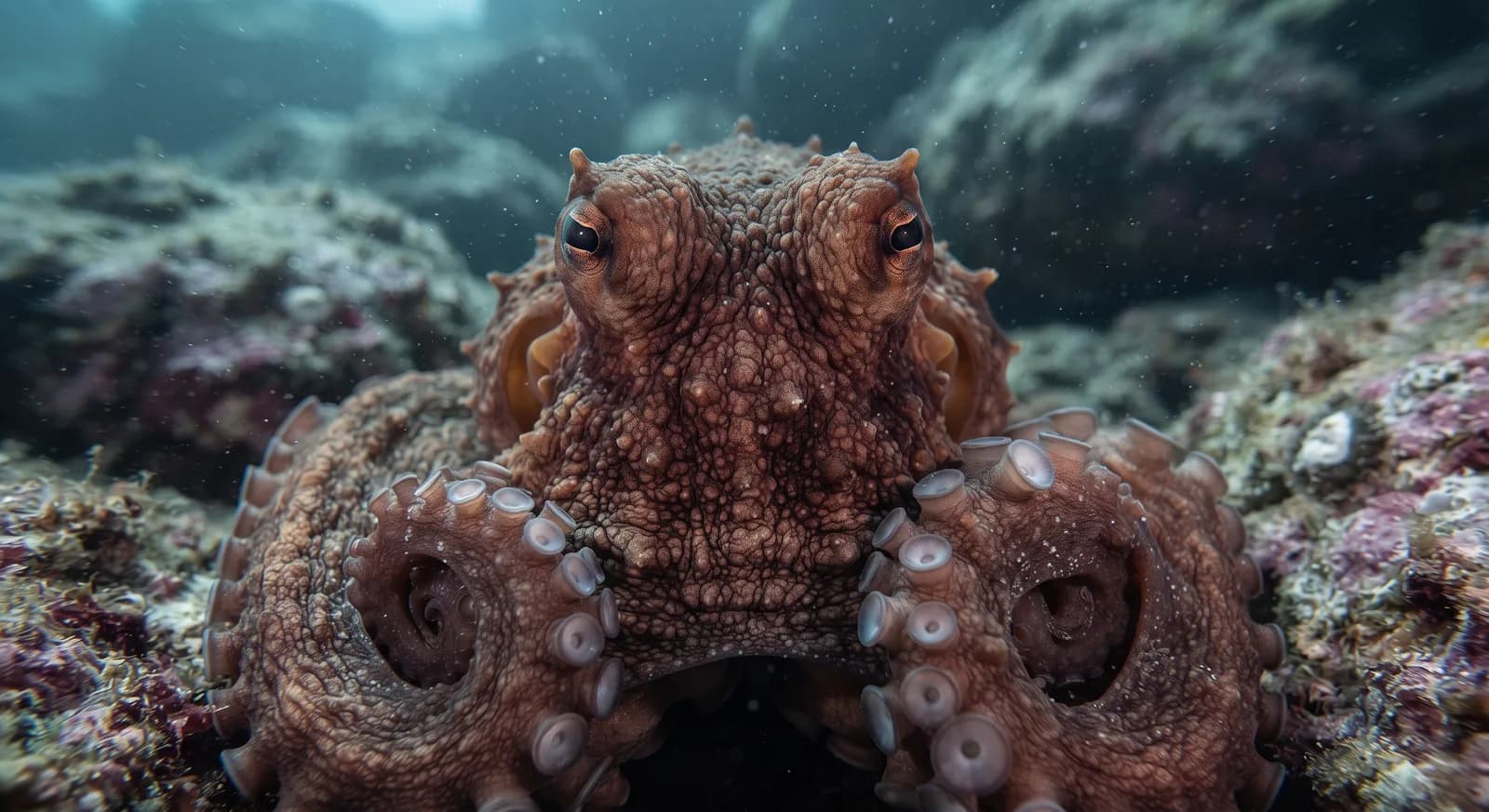
Giant Pacific OctopusLeast Concern

Giant Pacific Octopus

Enteroctopus dofleini

Great White SharkVulnerable

Great White Shark

Carcharodon carcharias

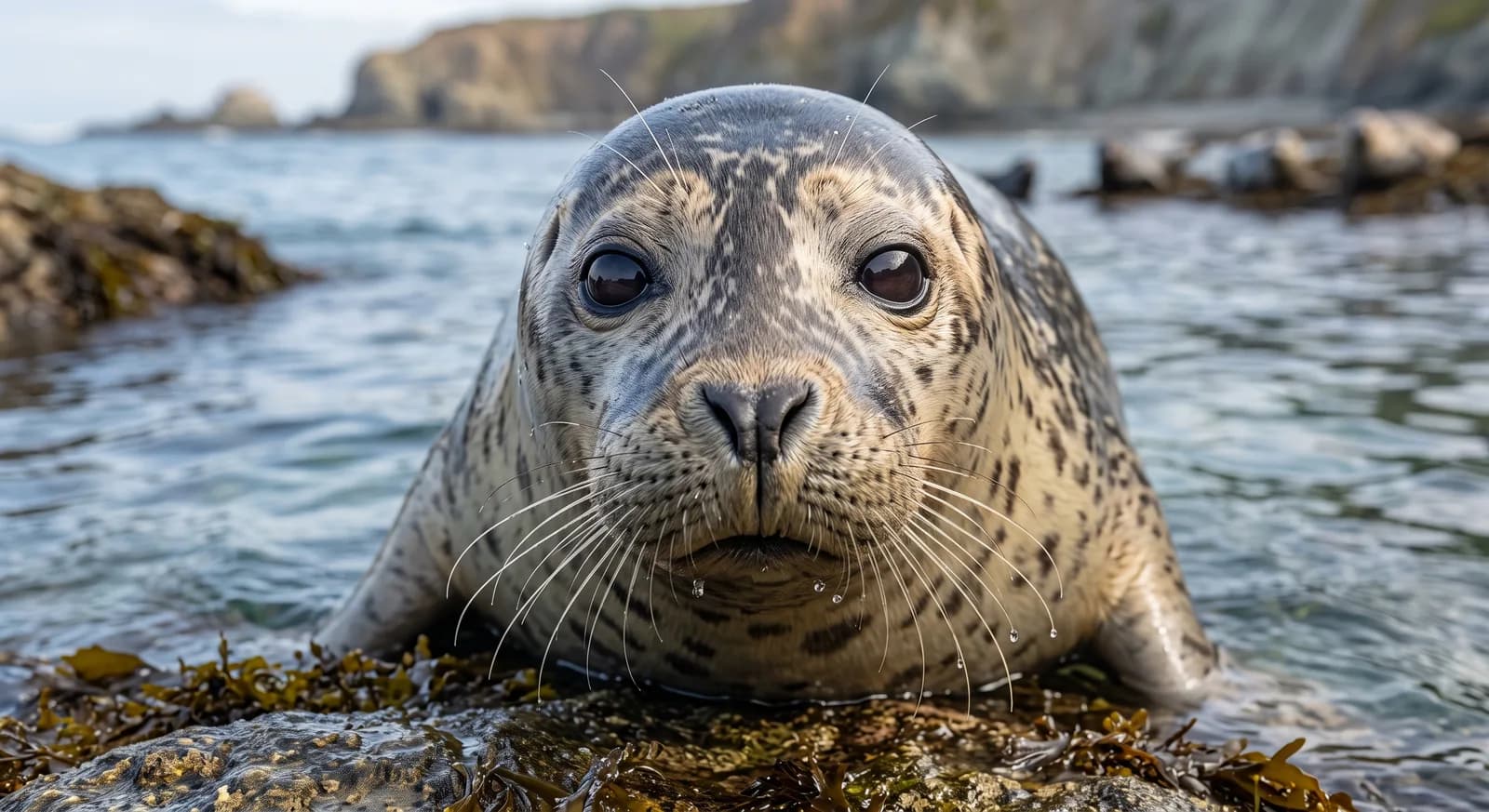
Harbor SealLeast Concern

Harbor Seal

Phoca vitulina

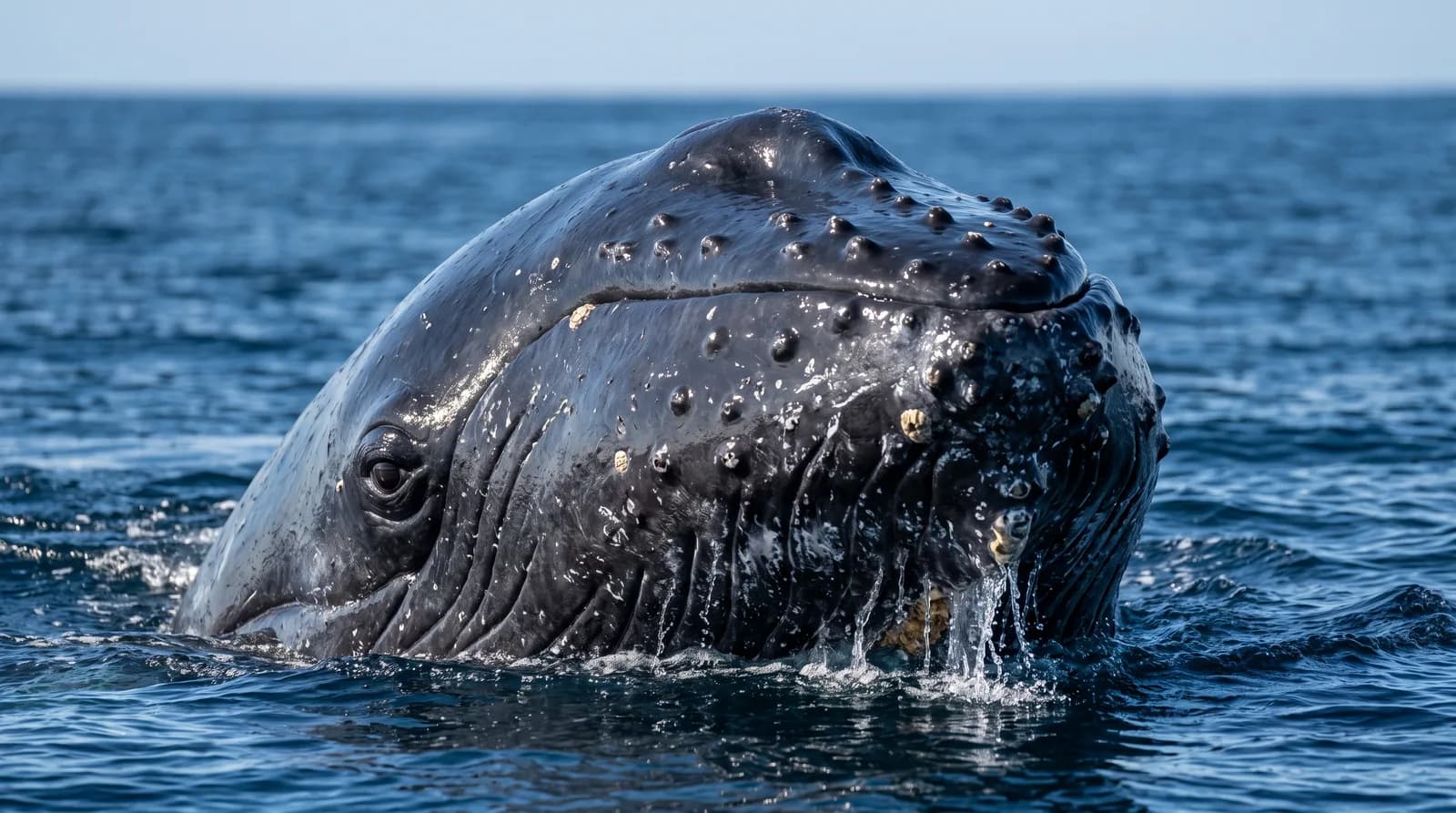
Humpback WhaleLeast Concern

Humpback Whale

Megaptera novaeangliae

Endangered

Shortfin Mako

Isurus oxyrinchus

CountriesMexico
ParksChannel IslandsUnited States
TagsCarnivore
Carnivore
Nocturnal
Solitary
Fish
Ocean
Mexico
United States