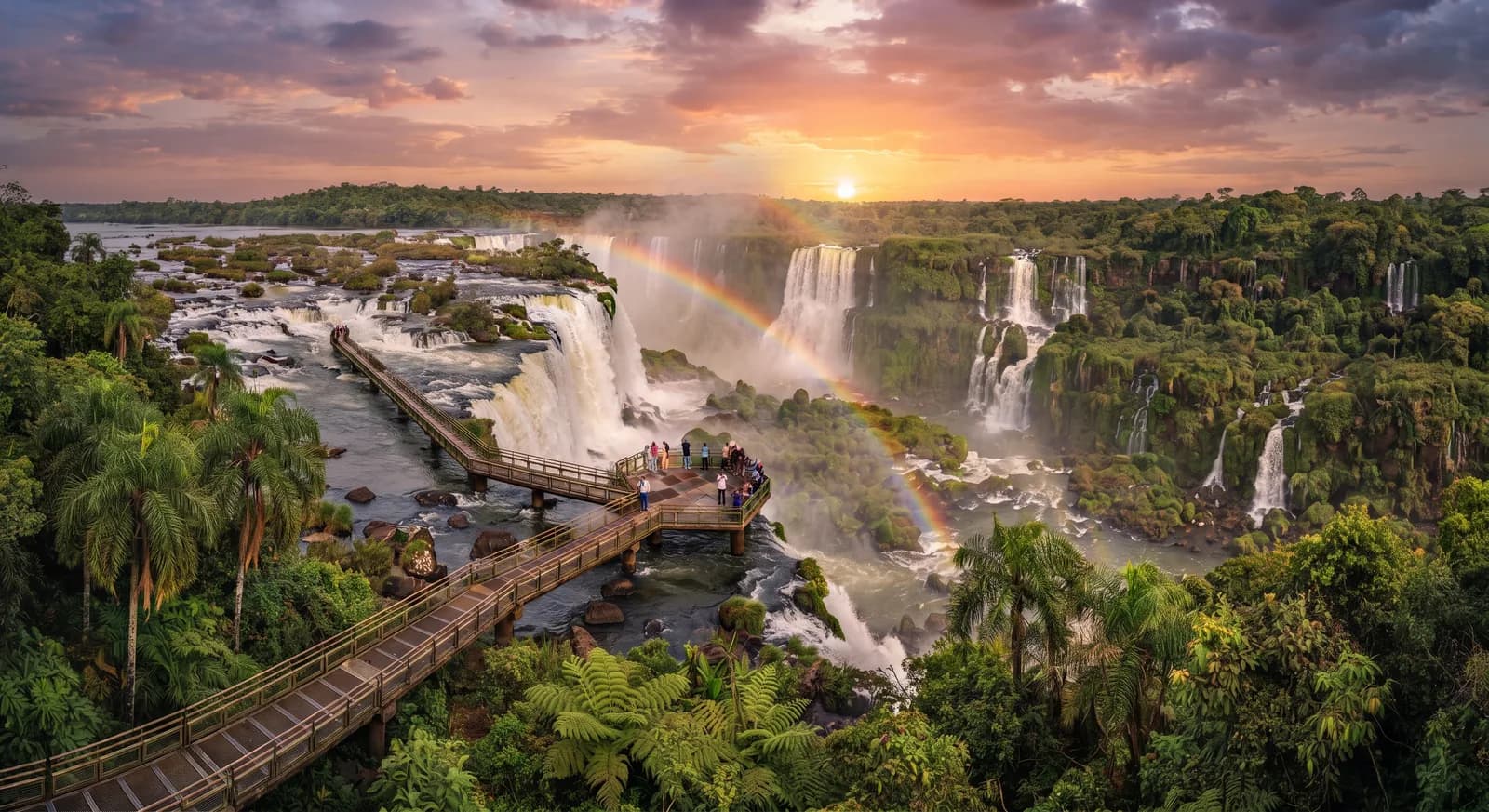
Tijuca National Park was created in 1961 and protects some 40 km² of the Tijuca massif, within the municipal boundary of Rio de Janeiro. It is one of the largest urban forests in the world, and its history is what makes it exceptional: it is not a remnant of primary rainforest but a replanted one.
During the eighteenth and nineteenth centuries the slopes of the massif were cleared almost entirely to plant coffee and sugar cane and to obtain firewood and charcoal. The deforestation caused the collapse of the city's water supply, which depended on the springs of those slopes. Faced with the crisis, the Crown ordered in 1861 that the estates be expropriated and the area reforested; the task fell to Major Manuel Gomes Archer, who with a handful of enslaved workers planted tens of thousands of trees by hand in little more than a decade, laying the foundations of the present forest. It is one of the earliest and largest documented forest restoration projects in the world.
Today the park preserves a mature secondary Atlantic Forest, with reintroduced native species and exotic ones left from those plantations, and it supports a fauna surprising for so urban a setting: capuchin monkeys, marmosets, sloths, toucans and an abundant birdlife, as well as programmes to reintroduce species lost from the massif. Within its boundaries are Corcovado with Christ the Redeemer, the Vista Chinesa, the Taunay waterfall and the Pico da Tijuca. The landscape of the massif forms part of the UNESCO property Rio de Janeiro: Carioca Landscapes between the Mountain and the Sea, inscribed in 2012 as a cultural landscape.
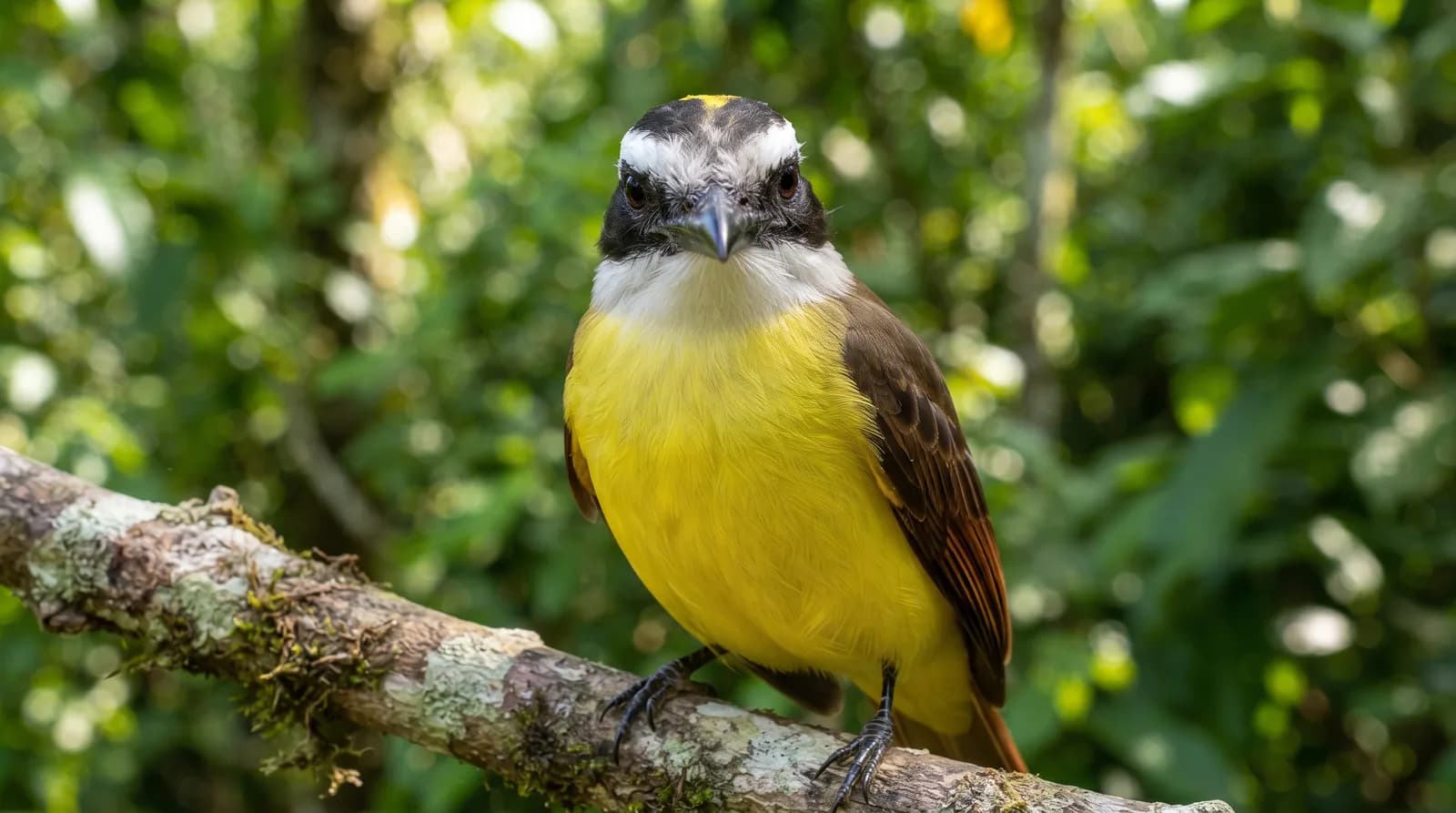 Least Concern
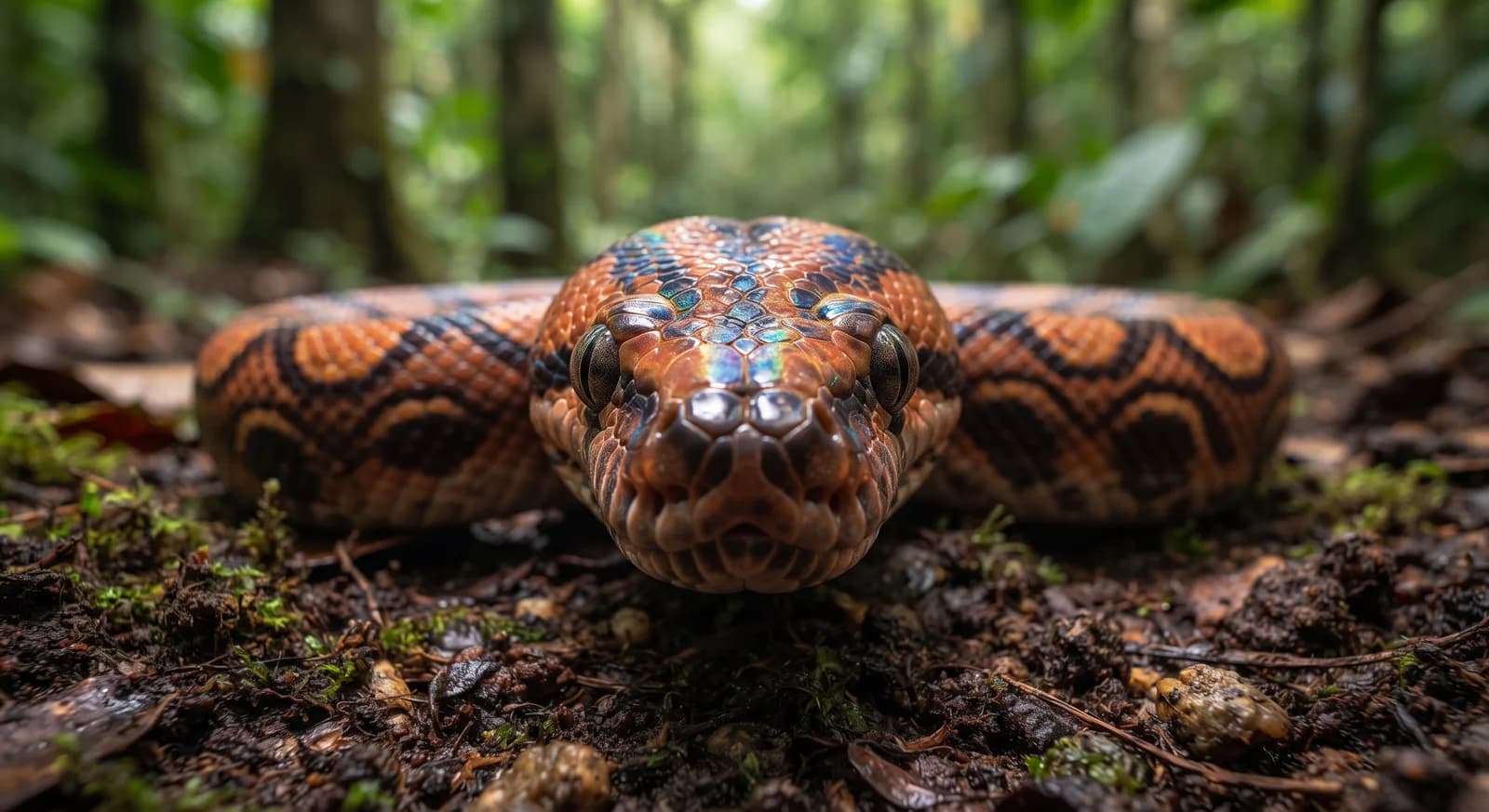 Least Concern
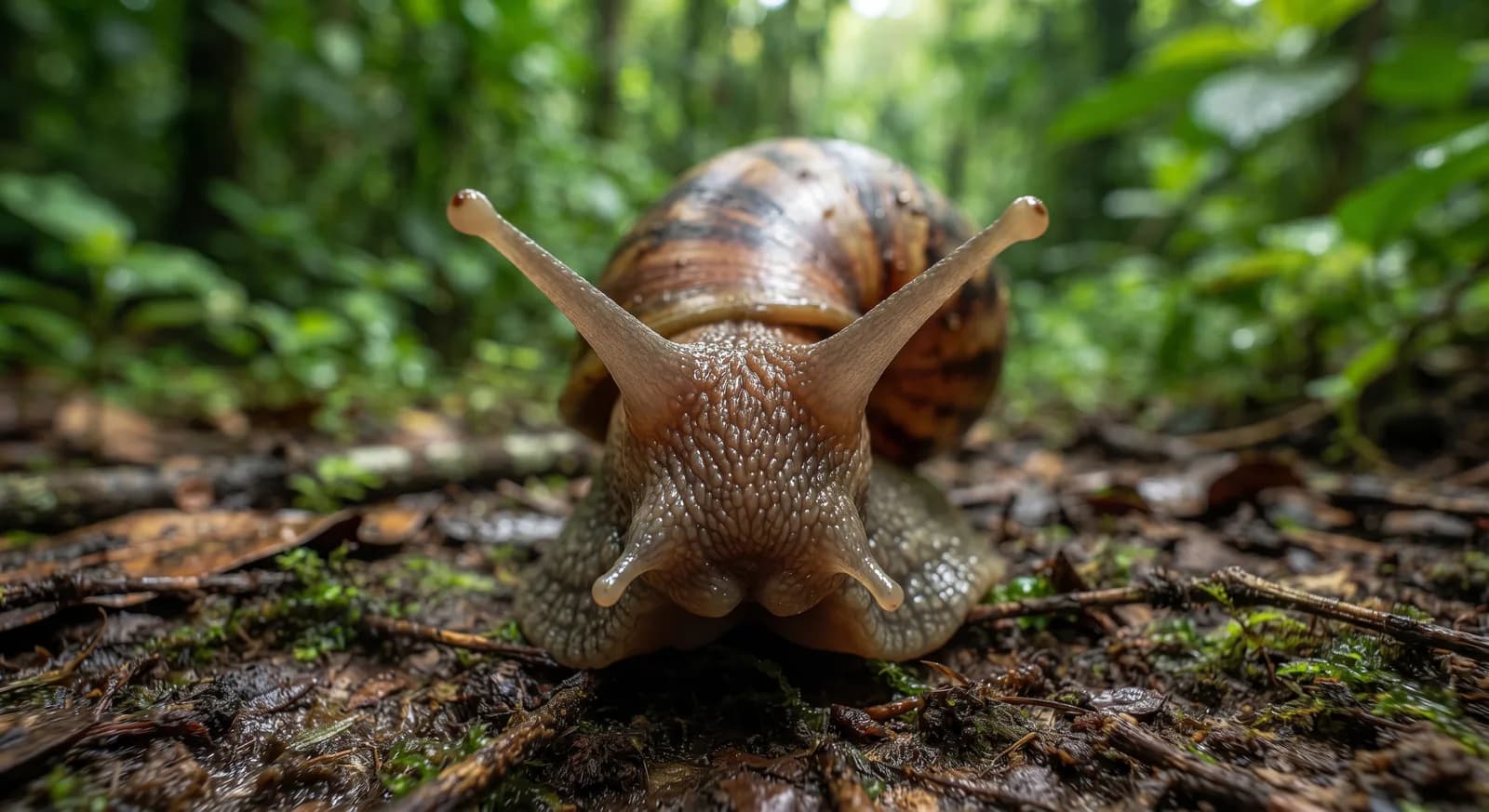 Not Evaluated
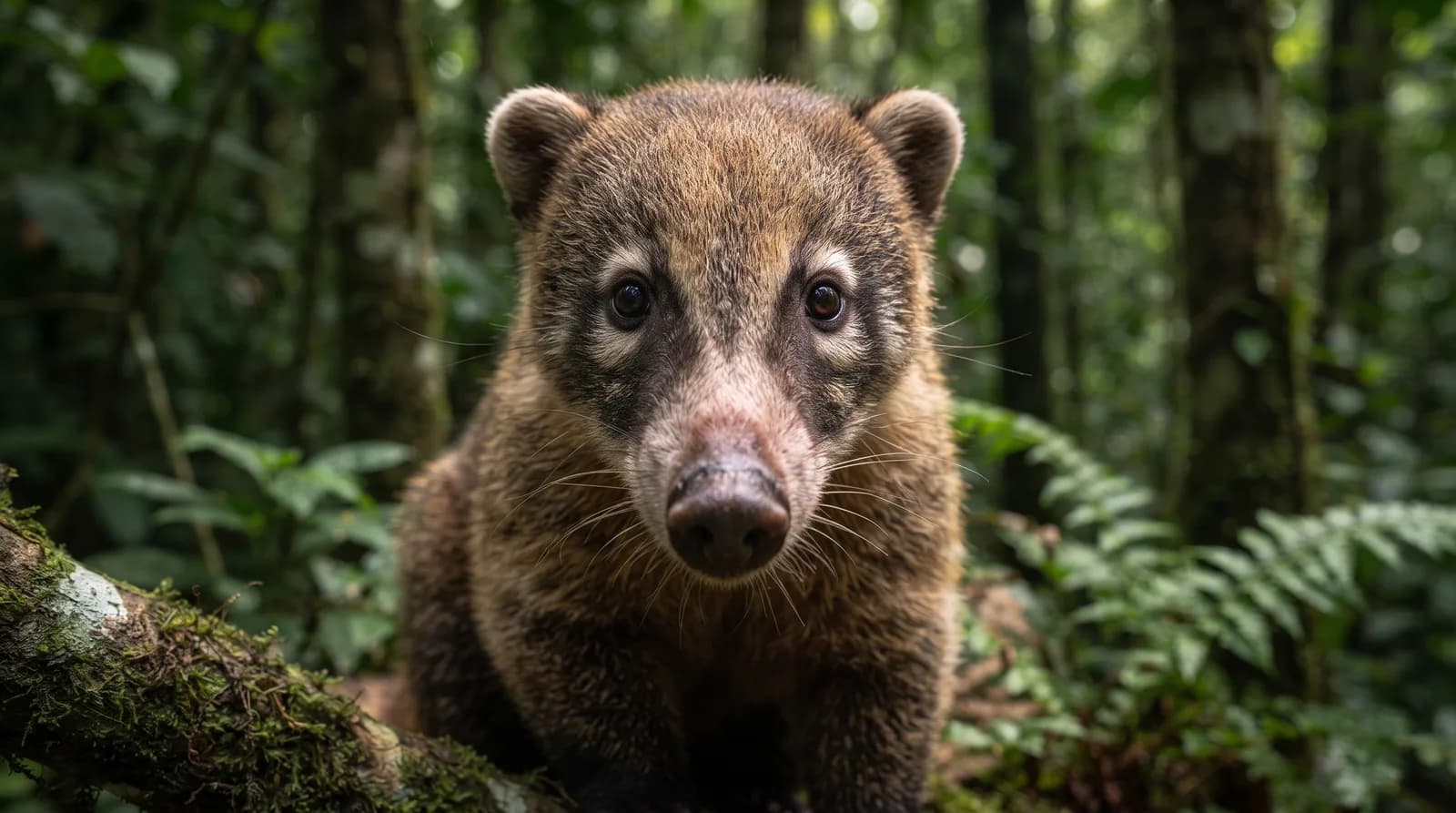 Least Concern
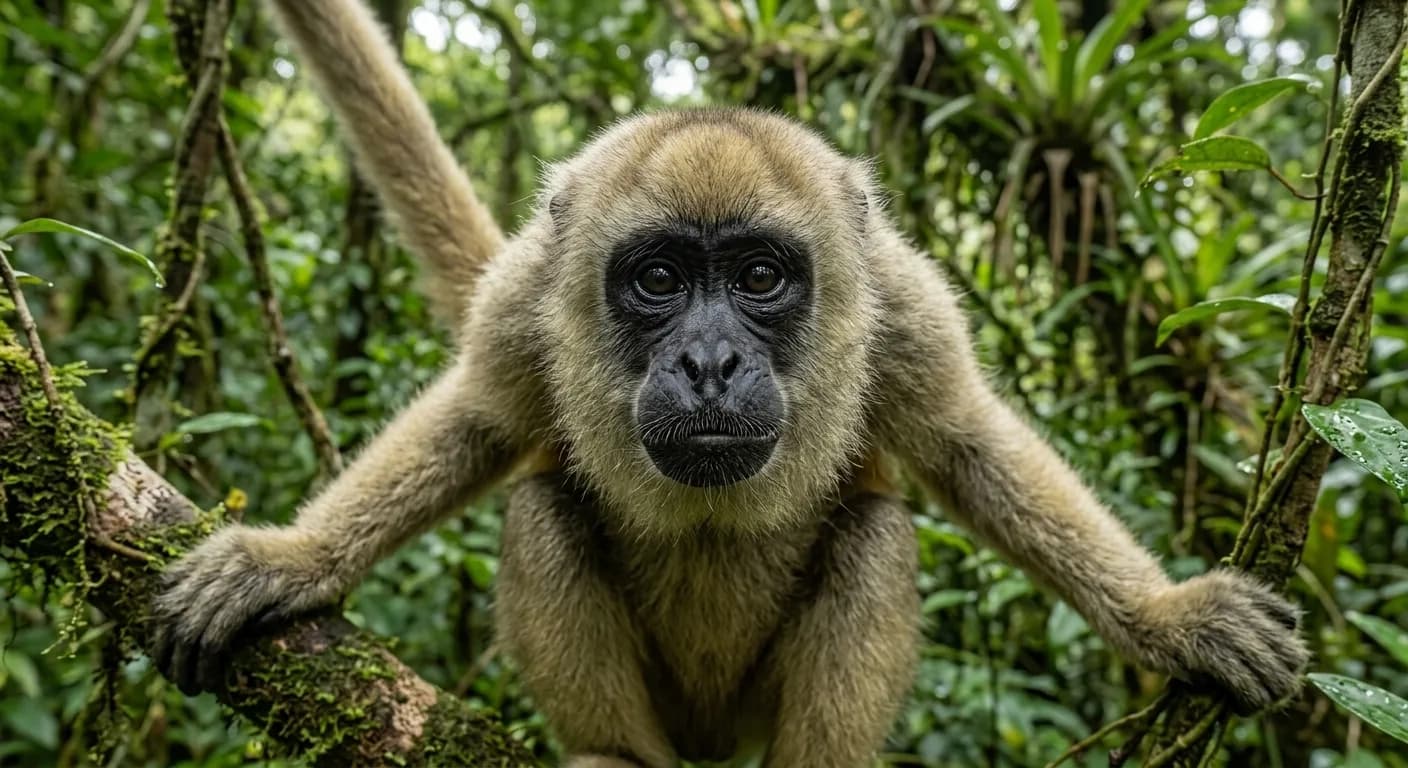 Critically Endangered
 Least Concern
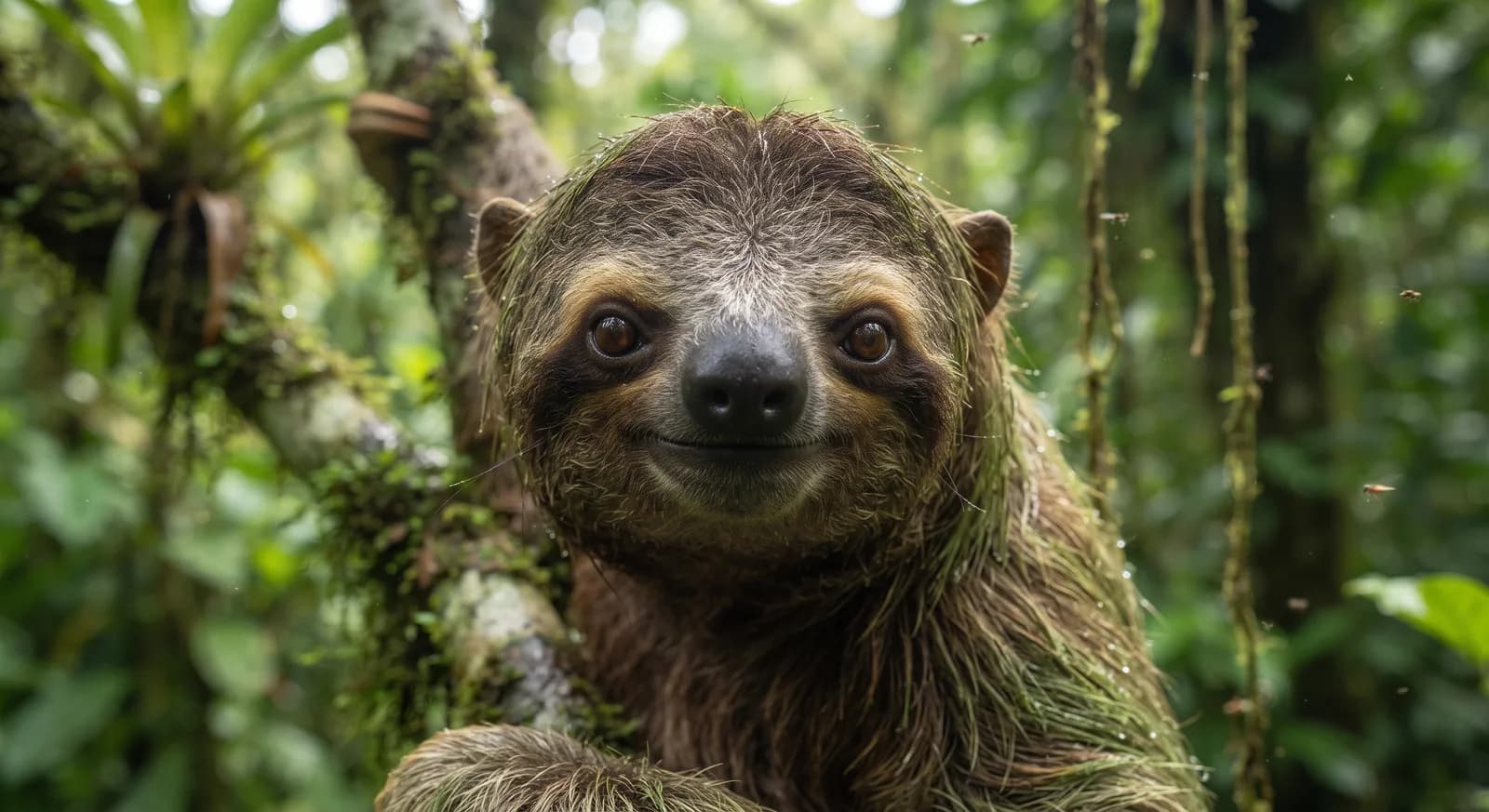 Least Concern
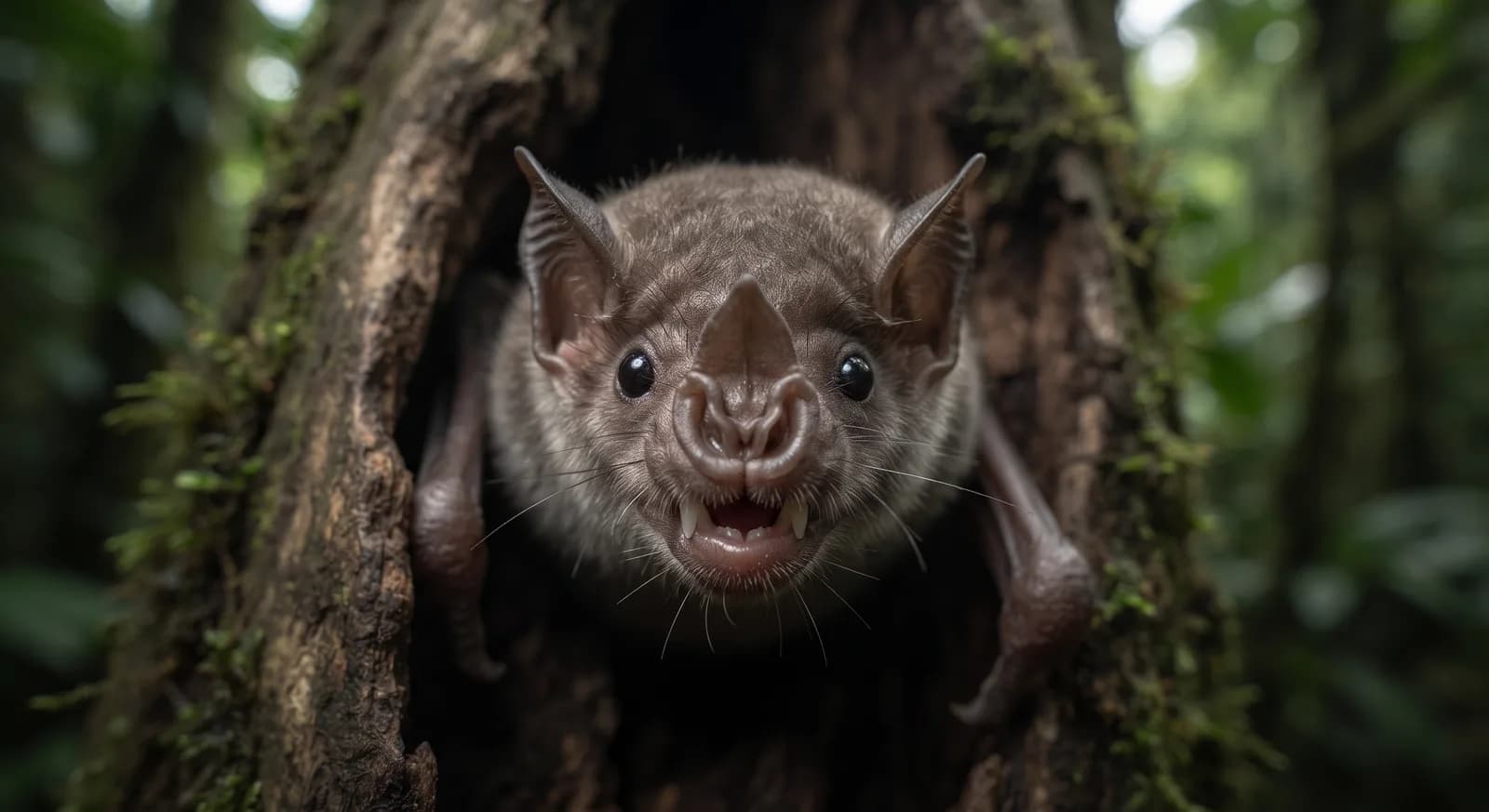 Least Concern
 Least Concern
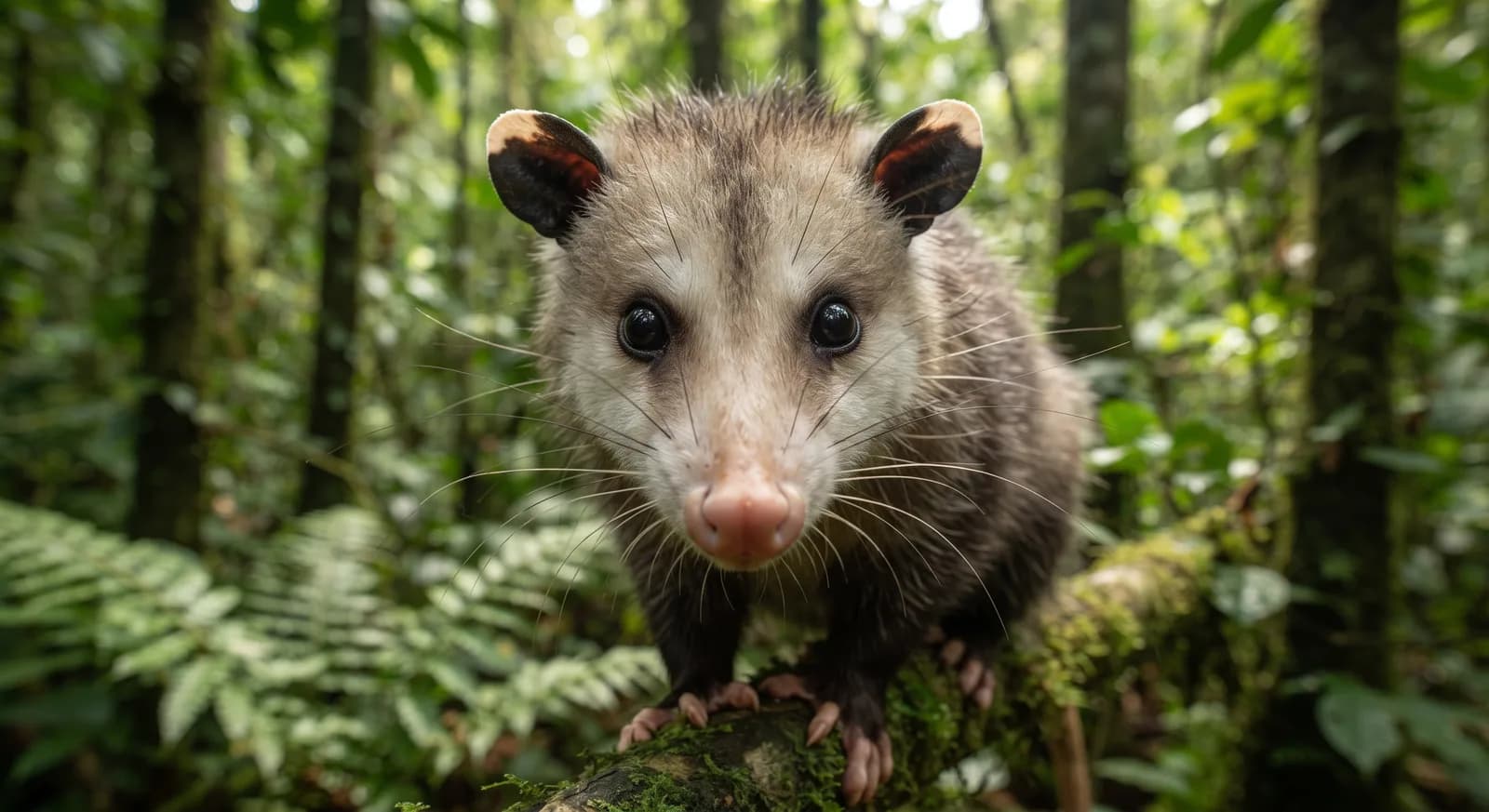 Least Concern
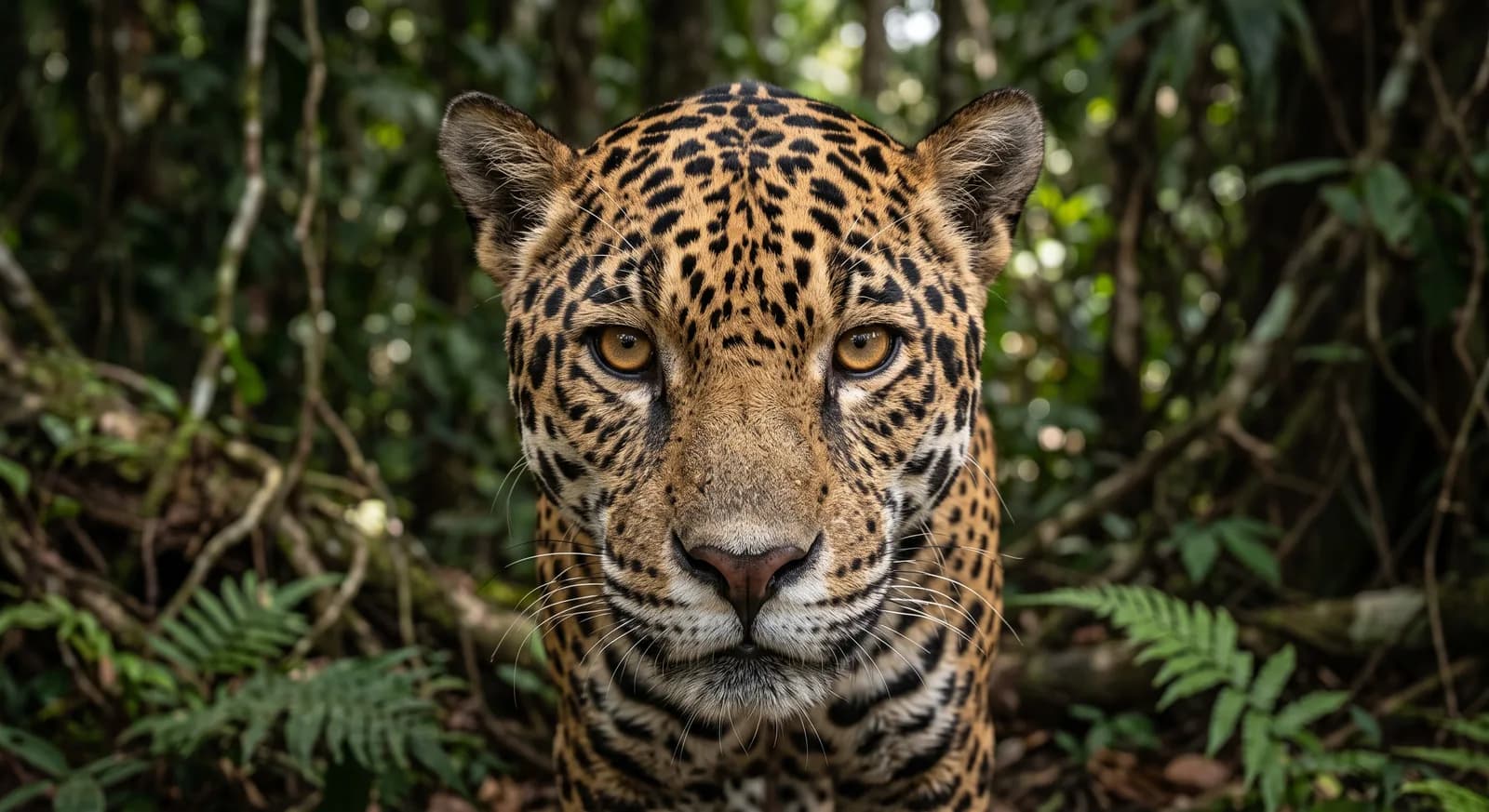
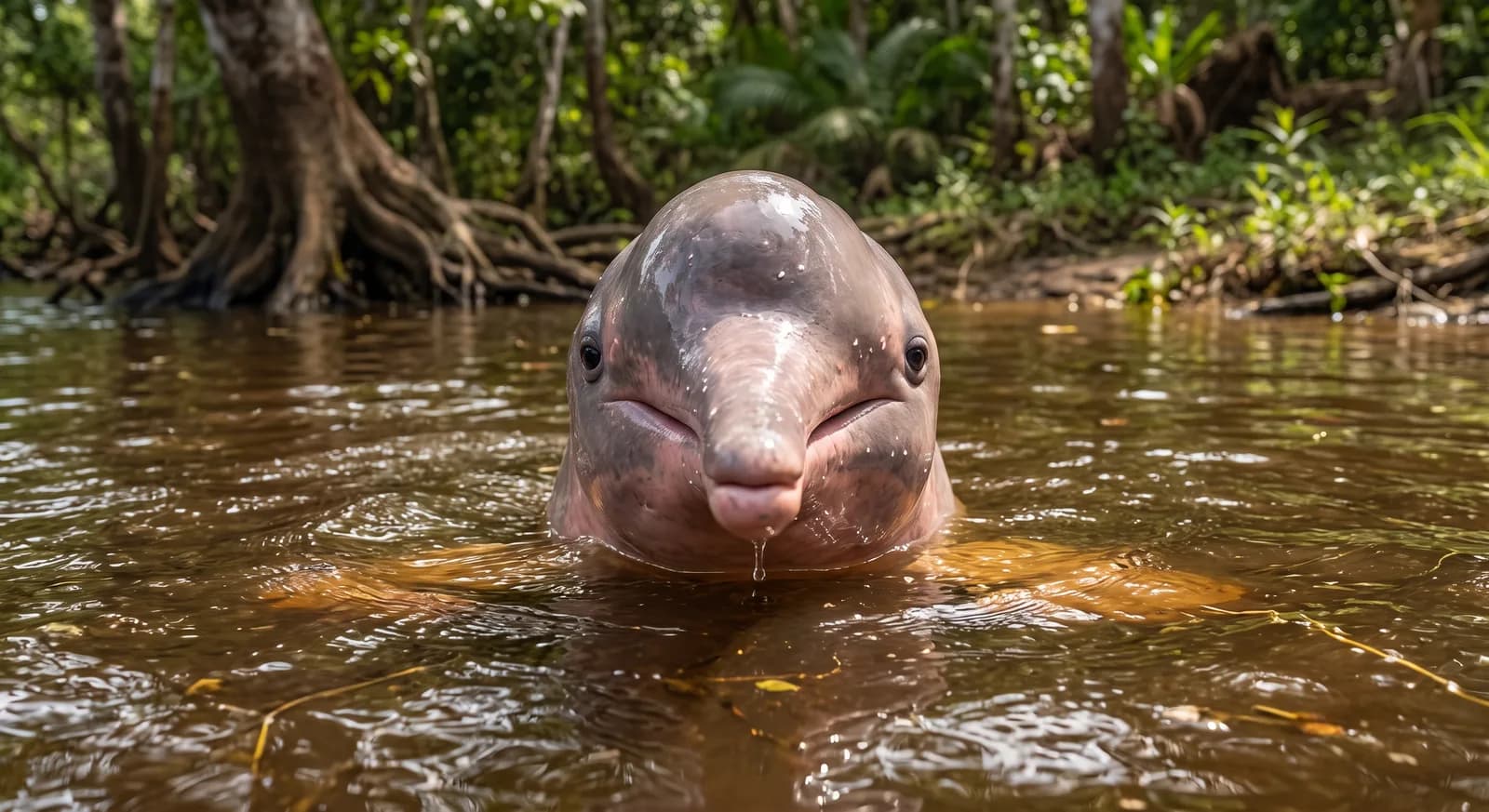
 Brazil