Skip to content
WAnimals
  • Map
  • Species
  • Parks
  • Diving
Log inCreate account
WAnimals

The guide for travellers and animal lovers: discover, plan and share your wild adventures around the world.

Discover wildlife

  • Species
  • Ecosystems
  • Glossary
  • Tags

Explore places

  • Map
  • Countries
  • Parks
  • Diving

Plan experiences

  • Guides

Learn

  • Blog

Resources

  • About us
  • How we build our profiles
  • Help centre
  • Contact
  • Install the app

Follow us

Account

  • Log in
  • Create account

© 2026 WAnimals. All rights reserved.

Terms of servicePrivacyCookiesLegal notice
MapSpeciesParksDiving
  1. Home
  2. Species
  3. South American Coati

One of the 3 coatis on WAnimals

Mammals · Carnivora · Procyonidae

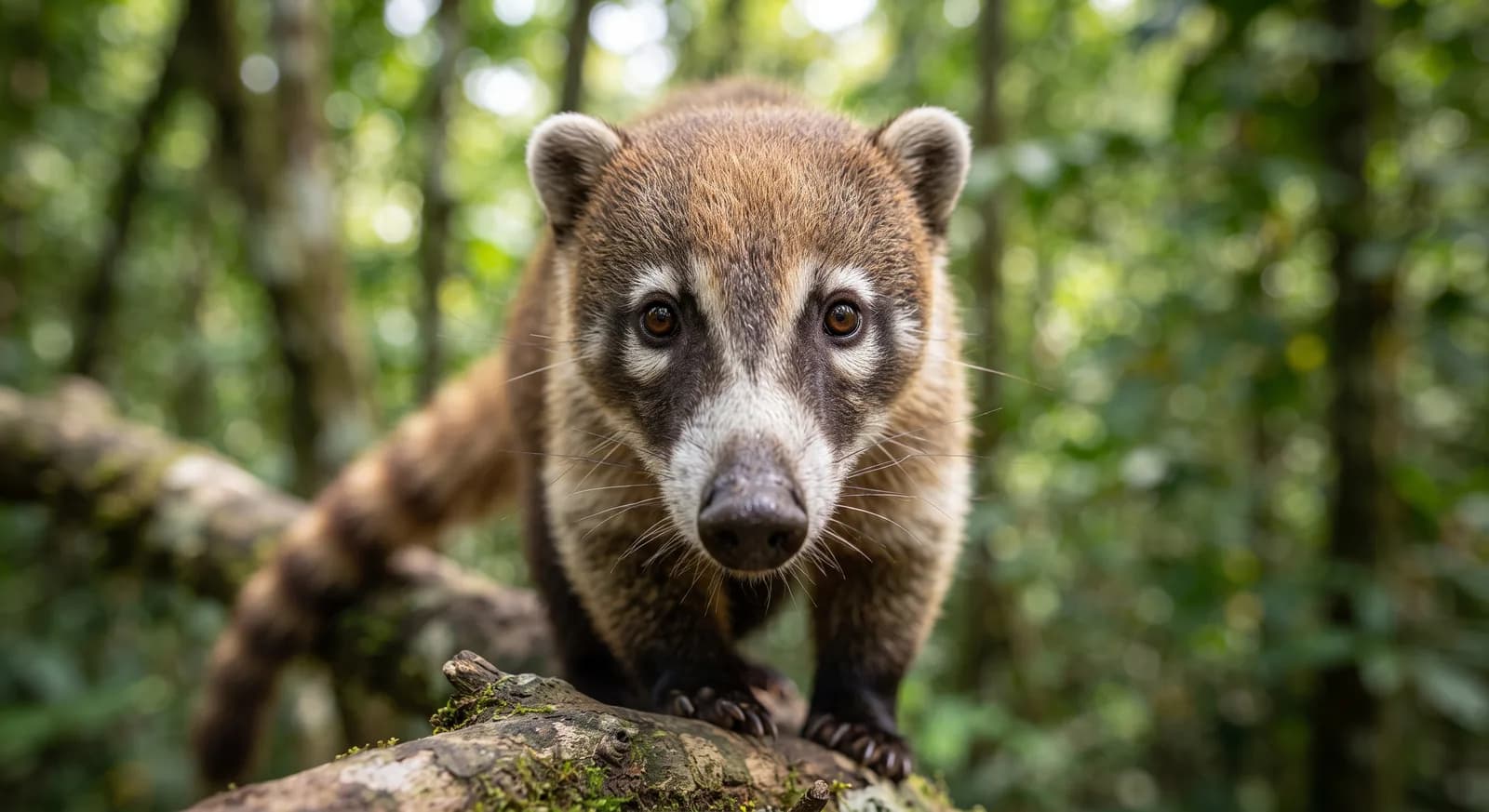
South American Coati

Nasua nasua

Least Concern

The species is abundant and widely distributed; it faces no significant short-term risk.

Spotted something wrong?

Females and their young live in large social bands of 20 to 30, while adult males are largely solitary.

Weight

2 kg – 7.2 kg

Size

85 cm – 1.1 m

Life expectancy

8 years

Diet

Omnivore

Combines animal and plant food depending on availability.

Activity

Diurnal

Active mainly during the day.

Social structure

Herd

Lives in large groups as a strategy against predators.

Rainforest
5countries36parks6same family

Fun facts

  • Males join the bands only briefly, during the mating season.
  • It eats invertebrates, small vertebrates, fruit and eggs, found with its flexible snout.
  • It lives in tropical and subtropical forest across much of South America.

Life cycle and biology

Skeleton type
Vertebrate - internal bony skeleton (mammal)
Habitat and environment
Tropical and subtropical forest across much of South America, up to 2,500 m
Birth weight
Born in an isolated tree nest
Size at birth
Born in an isolated tree nest
Sexual maturity
Female: ~2 years | Male: ~3 years
Gestation / incubation
74-77 days
Litter / clutch size
3 to 7 young per litter
Life expectancy in captivity
Documented record of up to 23.7 years

Sources consulted: Wikipedia (South American coati) · Animal Diversity Web · AnAge (genomics.senescence.info) · Altina Wildlife Park · PMC (Trypanosoma infections Pantanal study)

Where to find it

Best time: All year round, by day; the females and young move in noisy bands that are easy to detect.

Loading map…

Where to see it

Parks and dive sites where this species has been documented — showing 10 of 36.

Related species

Other species in the catalogue with the most in common with South American Coati — same habitat, park, country, tags or family.

Same taxonomic family
Shares a park
Shares a park
Shares a park

Keep exploring

Based on what we already know about south american coati.

Share an experience, a fun fact or a tip for seeing the south american coati.
See full glossary
This page in other languages: Español · Deutsch · Français · Português · Italiano

The pins mark the parks where its presence is documented.
See its range on the interactive map→
Pantanal MatogrossenseBrazil
Chapada DiamantinaBrazil
Lencois MaranhensesBrazil
AmacayacuColombia
CanaimaVenezuela
Iguazú National ParkArgentina
Iguaçu National ParkBrazil
ChiribiqueteColombia
CalileguaArgentina
ItatiaiaBrazil
See all 36 parks
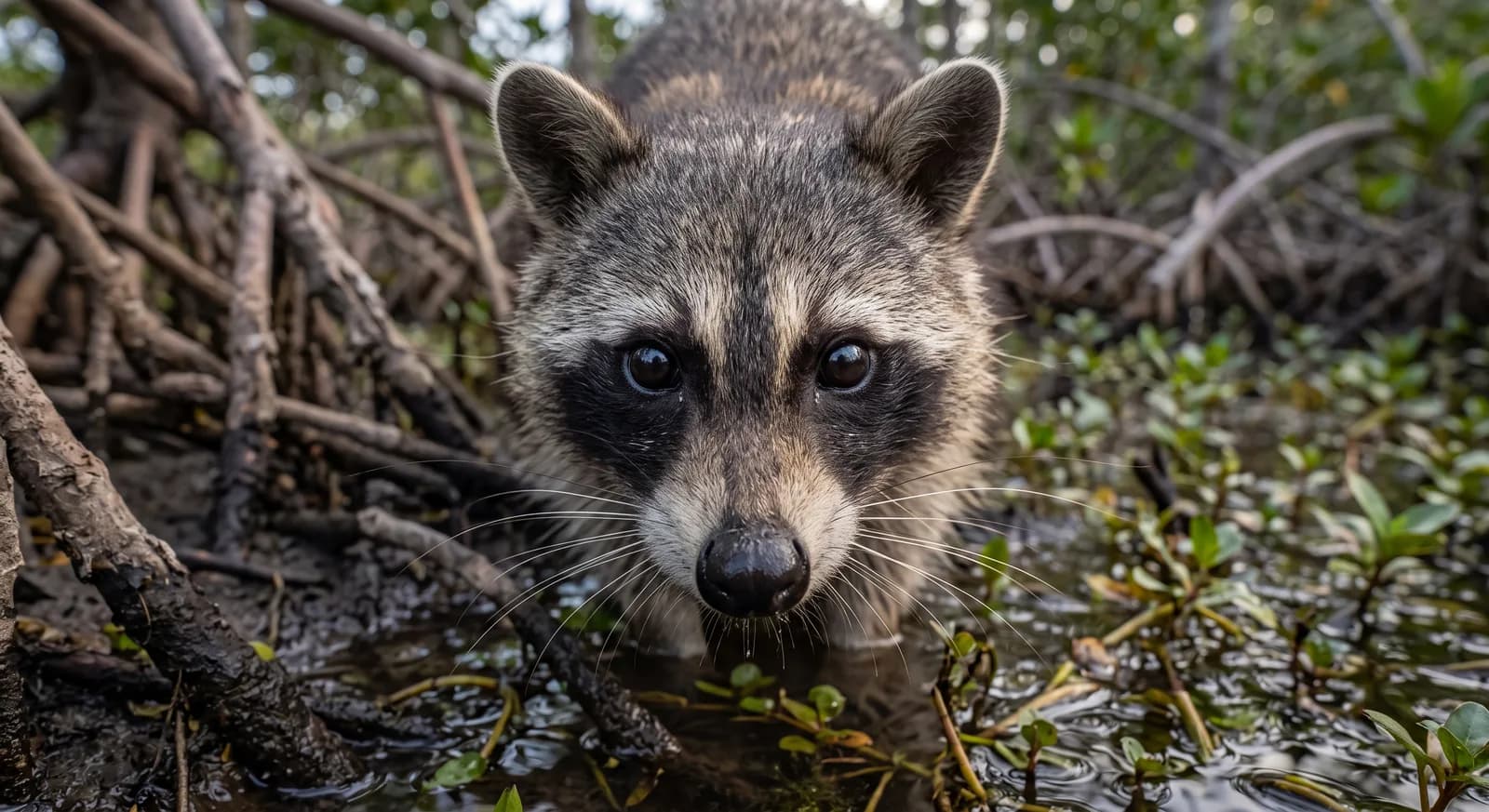
Crab-eating RaccoonLeast Concern

Crab-eating Raccoon

Procyon cancrivorus

Least Concern

Kinkajou

Potos flavus

White-nosed CoatiLeast Concern

White-nosed Coati

Nasua narica

Least Concern

Guianan Squirrel Monkey

Saimiri sciureus

Least Concern

Common Marmoset

Callithrix jacchus

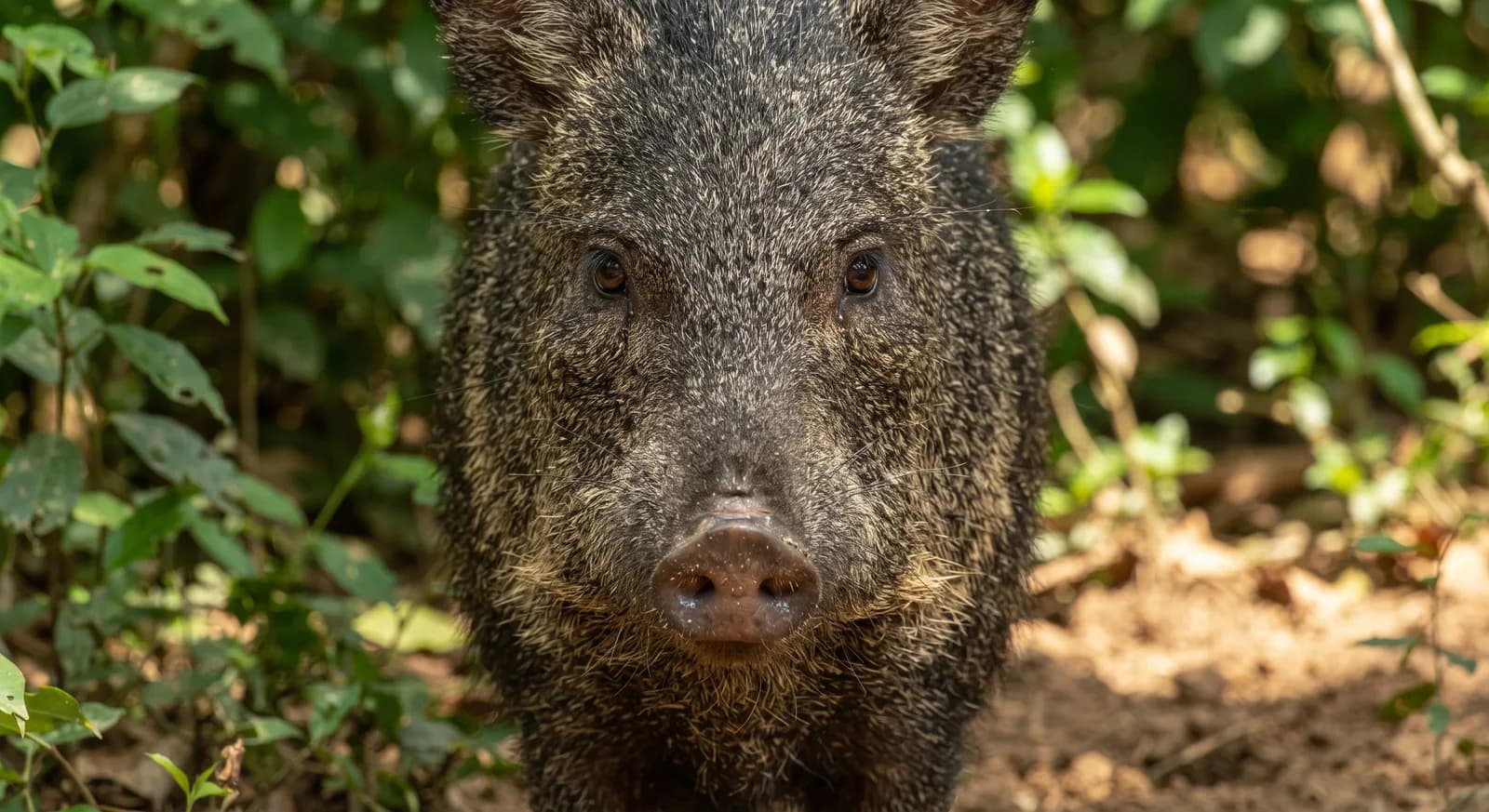
Collared PeccaryLeast Concern

Collared Peccary

Pecari tajacu

CountriesBrazil
ParksPantanal MatogrossenseBrazil
TagsOmnivore
Omnivore
Diurnal
In herds
Rainforest
Mammal
Brazil
Argentina
Colombia
Venezuela
Uruguay