Skip to content
WAnimals
  • Map
  • Species
  • Parks
  • Diving
Log inCreate account
WAnimals

The guide for travellers and animal lovers: discover, plan and share your wild adventures around the world.

Discover wildlife

  • Species
  • Ecosystems
  • Glossary
  • Tags

Explore places

  • Map
  • Countries
  • Parks
  • Diving

Plan experiences

  • Guides

Learn

  • Blog

Resources

  • About us
  • How we build our profiles
  • Help centre
  • Contact
  • Install the app

Follow us

Account

  • Log in
  • Create account

© 2026 WAnimals. All rights reserved.

Terms of servicePrivacyCookiesLegal notice
MapSpeciesParksDiving
  1. Home
  2. Species
  3. Jararaca
Jararaca (Bothrops jararaca)

Reptiles · Squamata · Viperidae

Jararaca

Bothrops jararaca

Least Concern

The species is abundant and widely distributed; it faces no significant short-term risk.

Spotted something wrong?

Bothrops jararaca is a venomous snake of the subfamily Crotalinae endemic to Brazil, Paraguay and Argentina. The species' scientific name derives from the Tupi yarará and ca: "great snake". Within its range it is abundant and an important cause of snakebite. No subspecies are recognised.

Size

70 cm – 1.6 m

Life expectancy

15 years

Diet

Carnivore

Feeds mainly on other animals.
Activity

Nocturnal

Active mainly at night.

Social structure

Solitary

Lives and hunts alone, joining others only to breed.

RainforestTemperate forestGrassland
7countries16parks22same family

AI-generated images: illustrations, not photographs.

Fun facts

  • GeneralThe first blood-pressure drugs were developed from its venom.
  • Captopril came from its venom: in the 1960s the Brazilian researcher Sérgio Ferreira identified peptides in it that lowered blood pressure, and that finding gave rise to the first ACE inhibitor and to the whole family of antihypertensive drugs that millions of people take today.
  • Juveniles have a pale tail tip that they wriggle like a worm to lure in frogs and lizards, a decoy they lose as they grow and change diet.
  • It is responsible for most snakebites in Brazil, not through aggression but through abundance: it lives in crops and on the urban fringes of the south-east, the most populous region of the country.

Life cycle and biology

Skeleton type
Vertebrate - internal bony skeleton (reptile)
Habitat and environment
Atlantic Forest, secondary forest, farmland and the fringes of towns in south-eastern South America
Size at birth
20-25 cm at birth; it is viviparous
Sexual maturity
3 years
Gestation / incubation
4 months of gestation
Litter / clutch size
15 live young

Sources consulted: Wikipedia (es): Bothrops jararaca

Where to find it

Best time: From October to March in the Atlantic Forest of Brazil, Paraguay and Argentina, mostly at dusk.

Loading map…

The pins mark the parks where its presence is documented.

Where to see it

Parks and dive sites where this species has been documented — showing 10 of 16.

Related species

Other species in the catalogue with the most in common with Jararaca — same habitat, park, country, tags or family.

Same taxonomic family
Shares a park
Shares a park
Shares a park
Shares a park
Shares a park

Keep exploring

Based on what we already know about jararaca.

Share an experience, a fun fact or a tip for seeing the jararaca.
See full glossary
This page in other languages: Español · Deutsch · Français · Português · Italiano
See its range on the interactive map→
IberáArgentina
El PalmarArgentina
Chapada DiamantinaBrazil
Iguazú National ParkArgentina
Iguaçu National ParkBrazil
ItatiaiaBrazil
Serra dos ÓrgãosBrazil
Serra da CanastraBrazil
Pre-DeltaArgentina
Discovery Coast Atlantic Forest ReservesBrazil
See all 16 parks
Least Concern

Cascabel Rattlesnake

Crotalus durissus

Least Concern

Water Opossum

Chironectes minimus

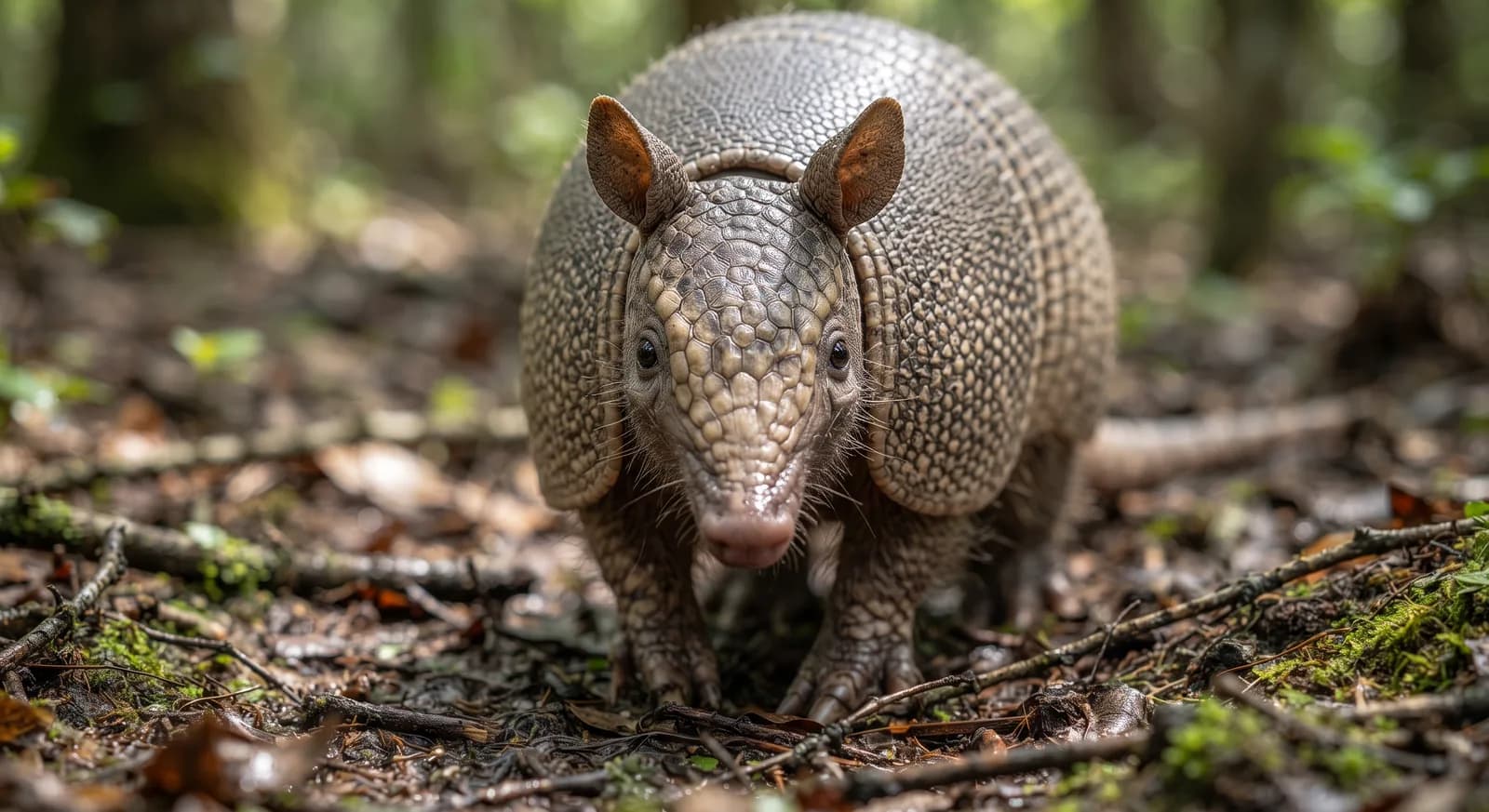
Nine-banded ArmadilloLeast Concern

Nine-banded Armadillo

Dasypus novemcinctus

Least Concern

Southern Naked-tailed Armadillo

Cabassous unicinctus

Southern TamanduaLeast Concern

Southern Tamandua

Tamandua tetradactyla

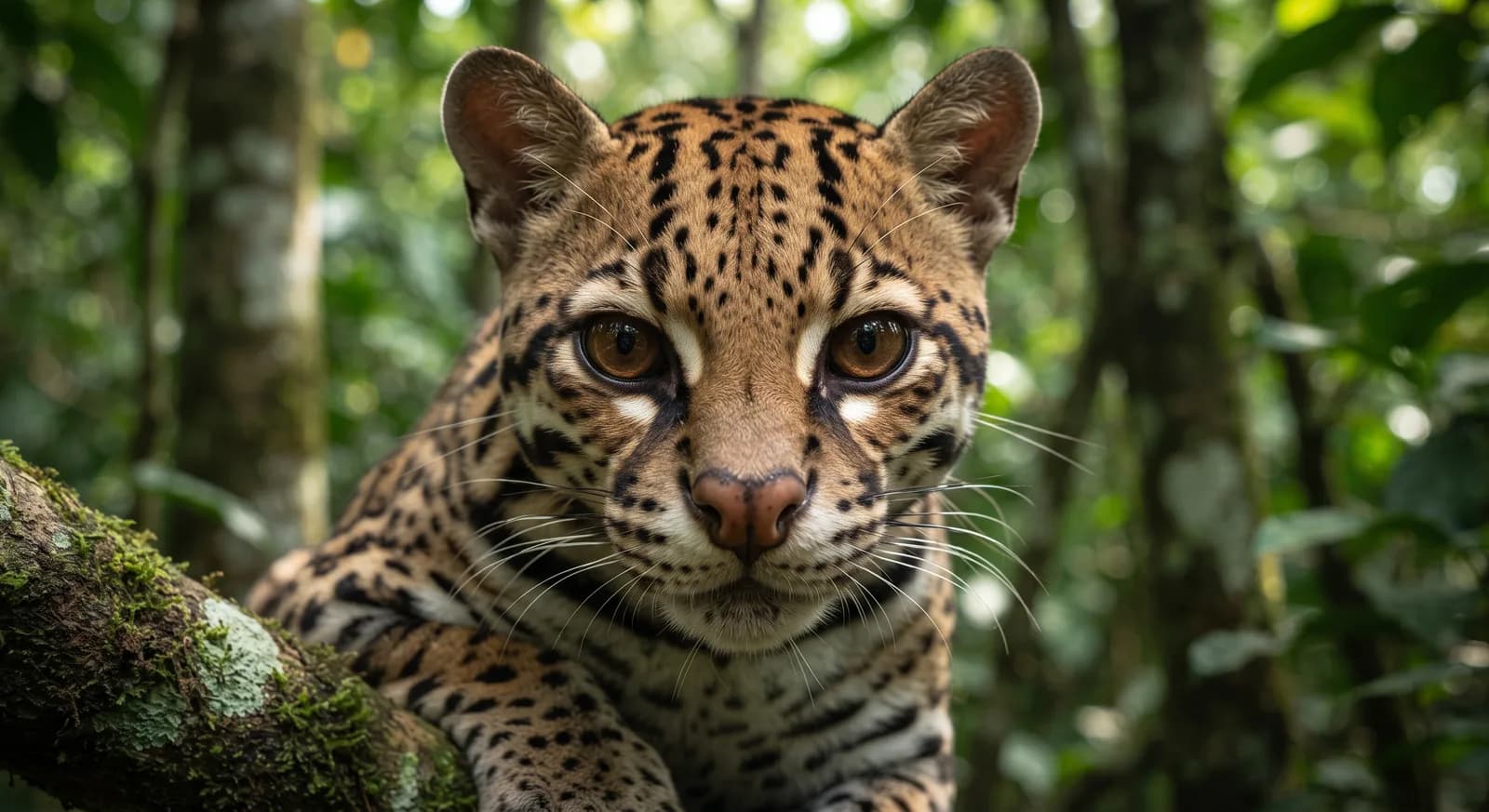
OcelotLeast Concern

Ocelot

Leopardus pardalis

CountriesBrazil
ParksIberáArgentina
TagsCarnivore
Carnivore
Nocturnal
Solitary
Reptile
Rainforest
Temperate forest
Grassland
Brazil
Argentina
Paraguay
Bolivia
Chile
Falkland Islands
Uruguay