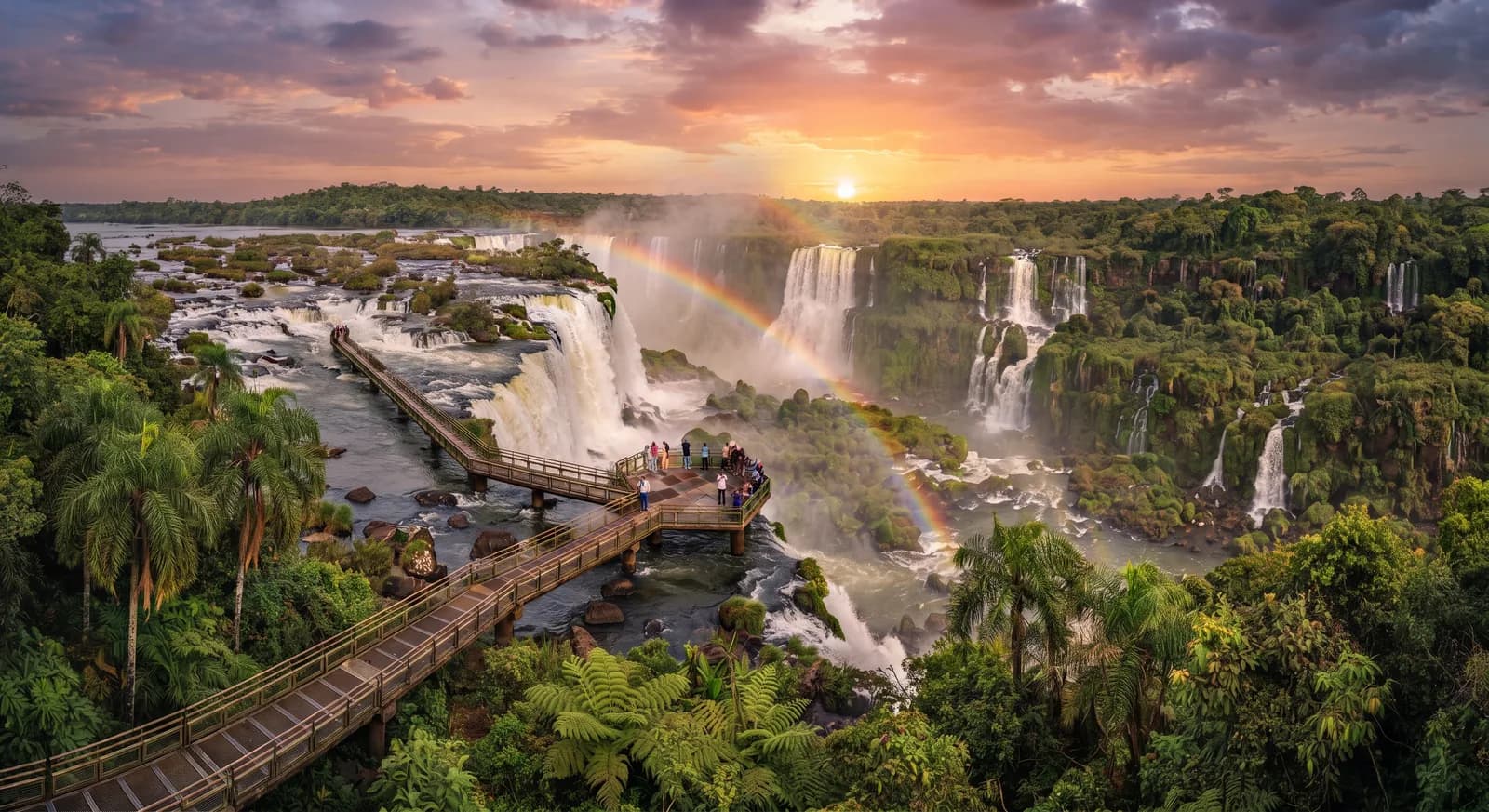
Chapada dos Guimarães National Park was created in 1989 in the state of Mato Grosso, some seventy kilometres from Cuiabá. It protects a sector of the edge of the chapada, the step of red sandstone that separates the Cuiabá depression from the Brazilian central plateau, with vertical cliffs, canyons, caves and a succession of waterfalls.
The best known is the Véu de Noiva, the bridal veil, a fall of some eighty metres that drops from the edge of the plateau and has become the park's image. The sandstone substrate, laid down in ancient desert and marine environments, shows cross-bedding clearly visible in the cuts and contains palaeontological sites with dinosaur remains in the region.
The vegetation is the mosaic of the Cerrado, with grassland, cerrado sensu stricto and gallery forest along the watercourses, plus patches of semi-deciduous woodland on the shaded slopes. The wildlife includes maned wolf, giant anteater, tapir, monkeys and a notable birdlife with red-and-green macaws that nest on the cliffs. Very close to the park, though outside its boundaries, stands the monument marking the geodesic centre of South America. Its proximity to Cuiabá makes the park a much-frequented weekend destination, and fires in the dry season are a recurring threat.
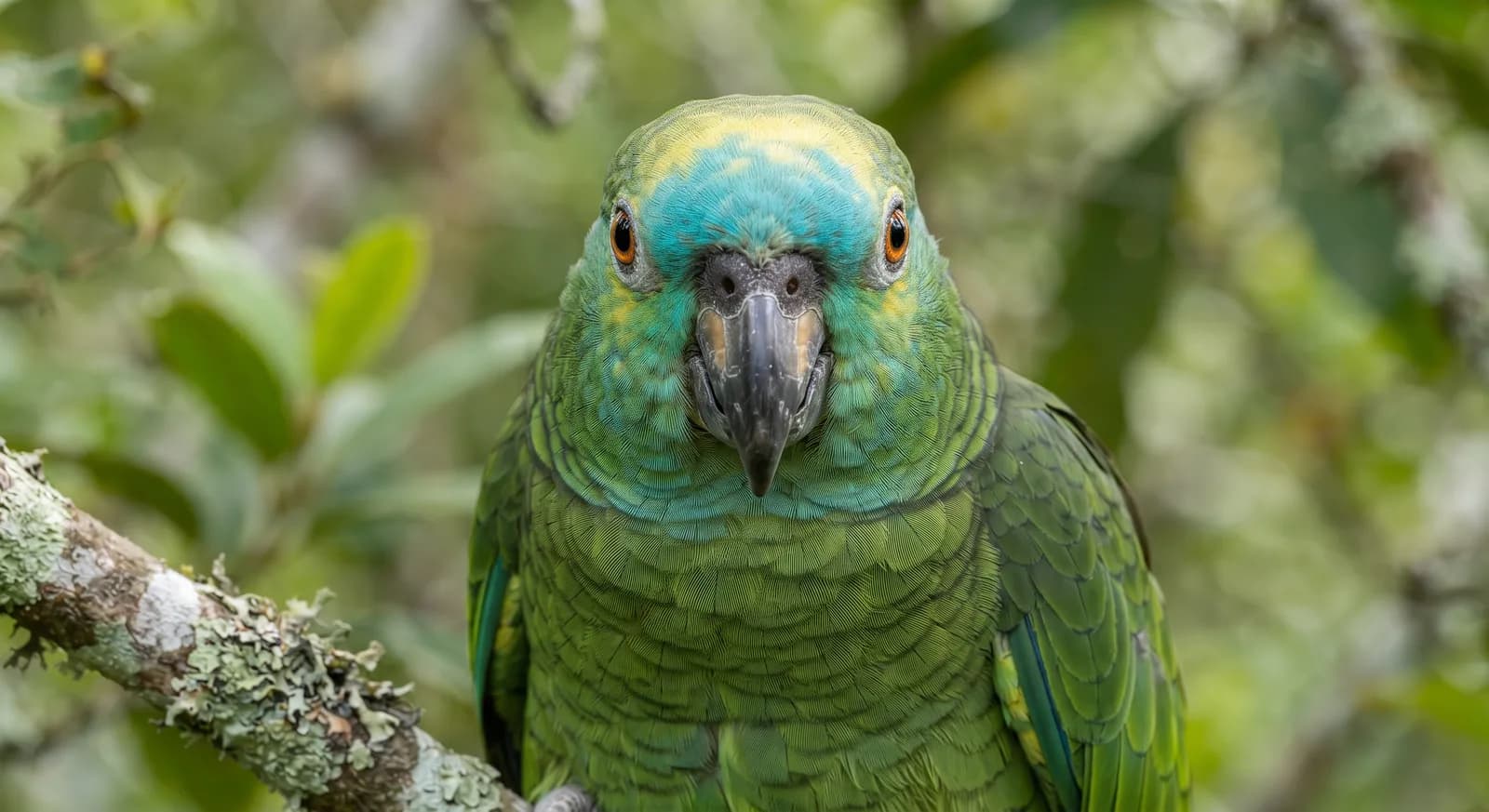 Near Threatened
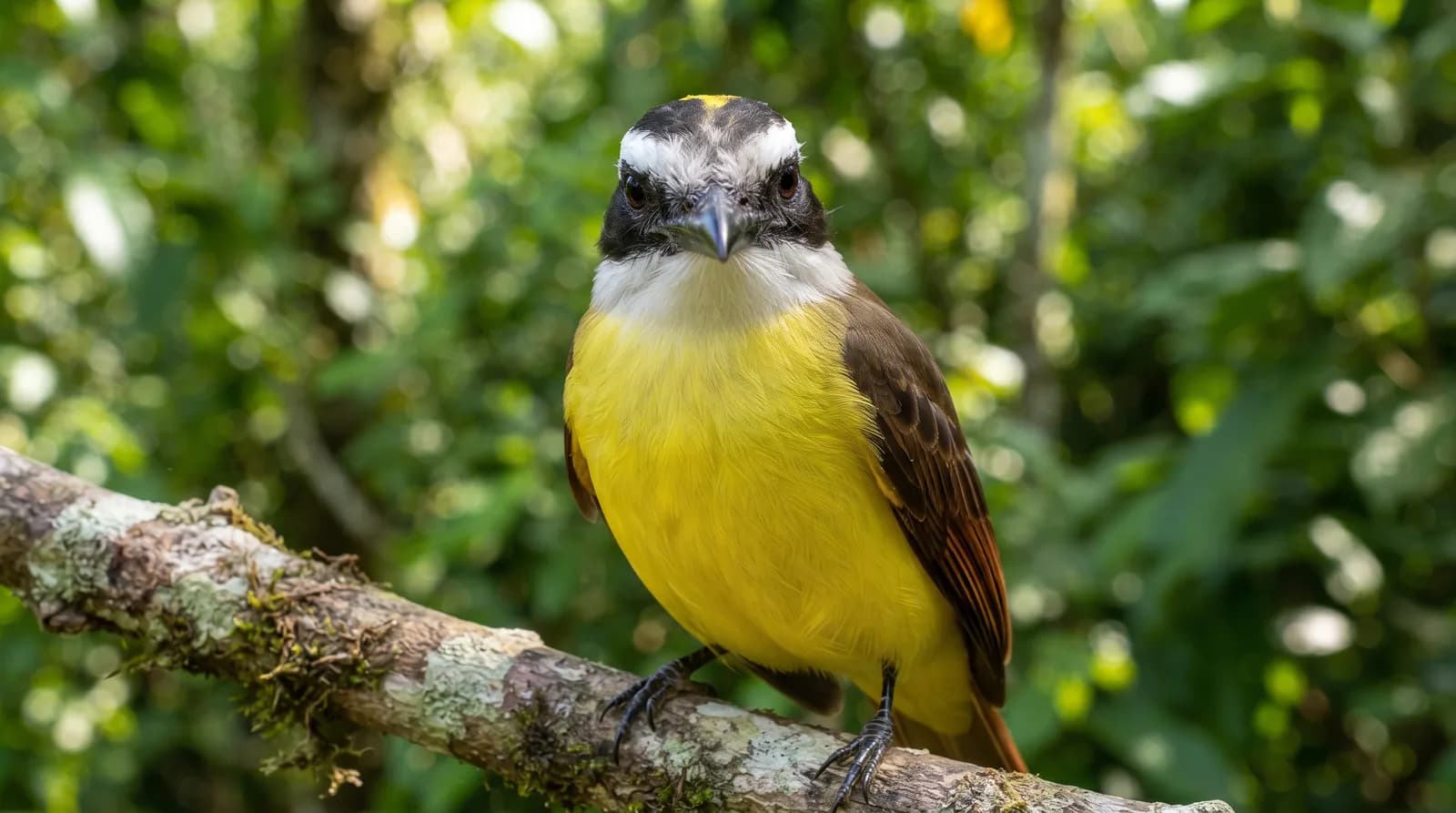 Least Concern
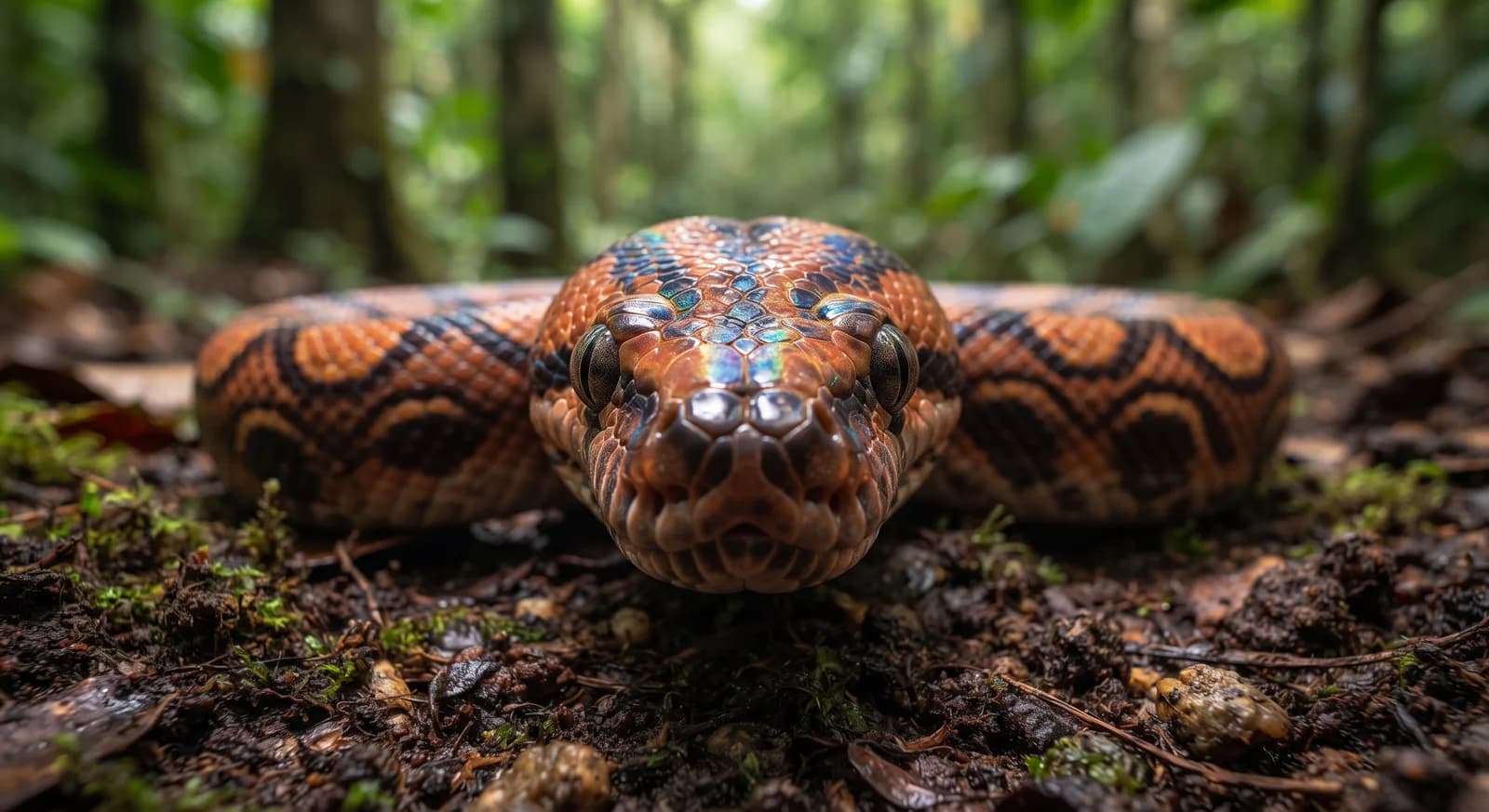 Least Concern
 Least Concern
 Vulnerable
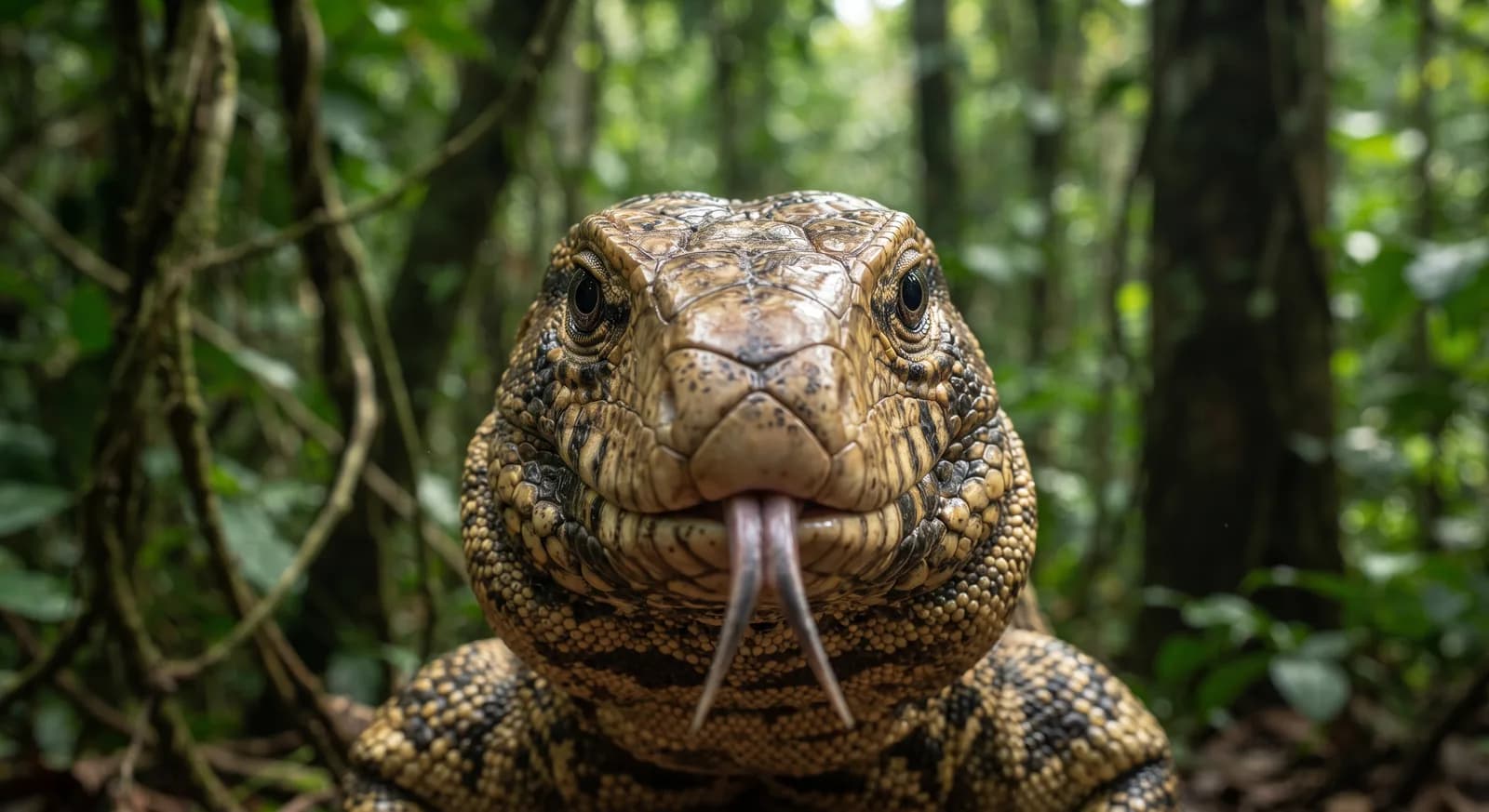 Least Concern
 Least Concern
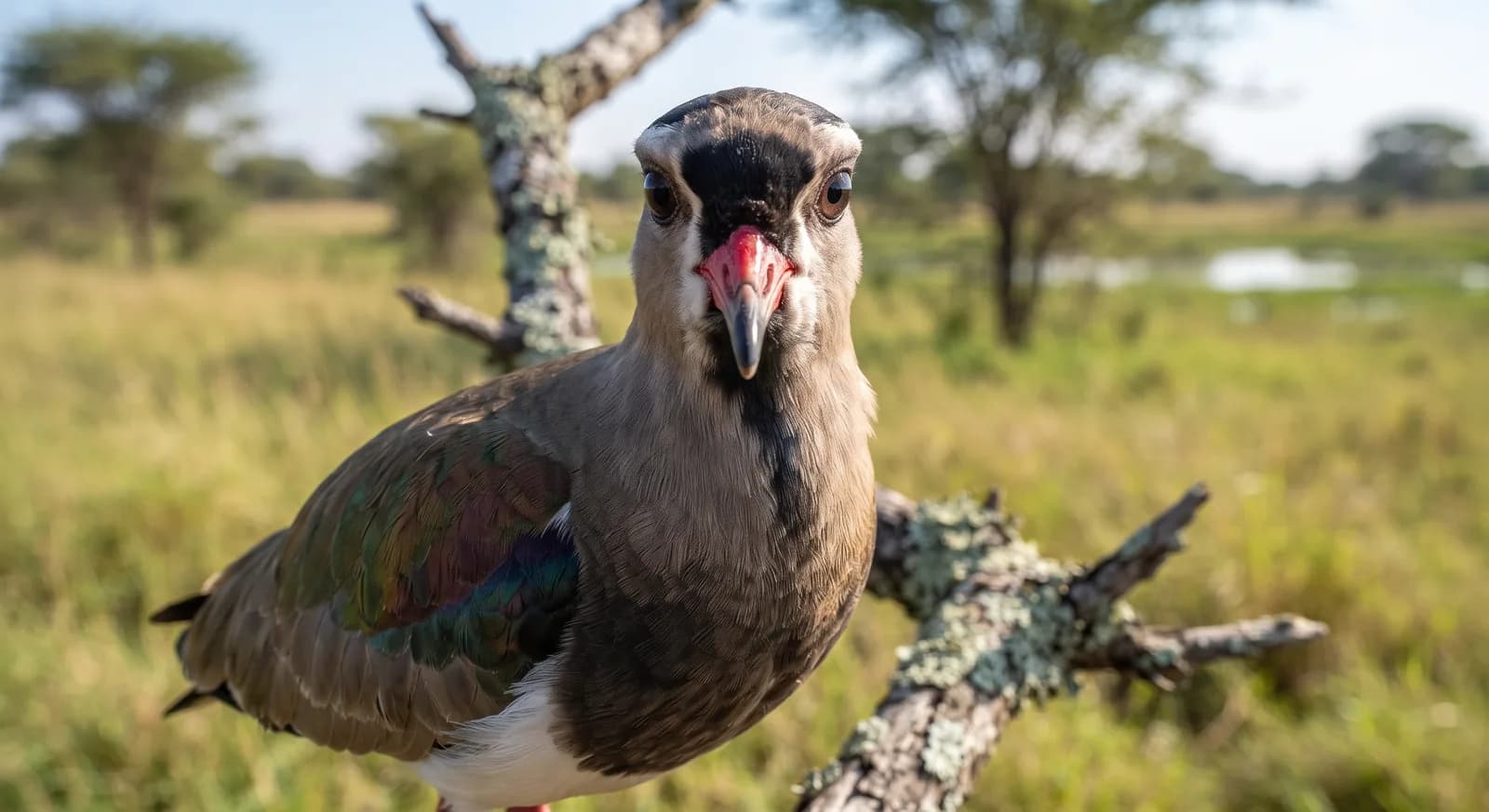 Least Concern
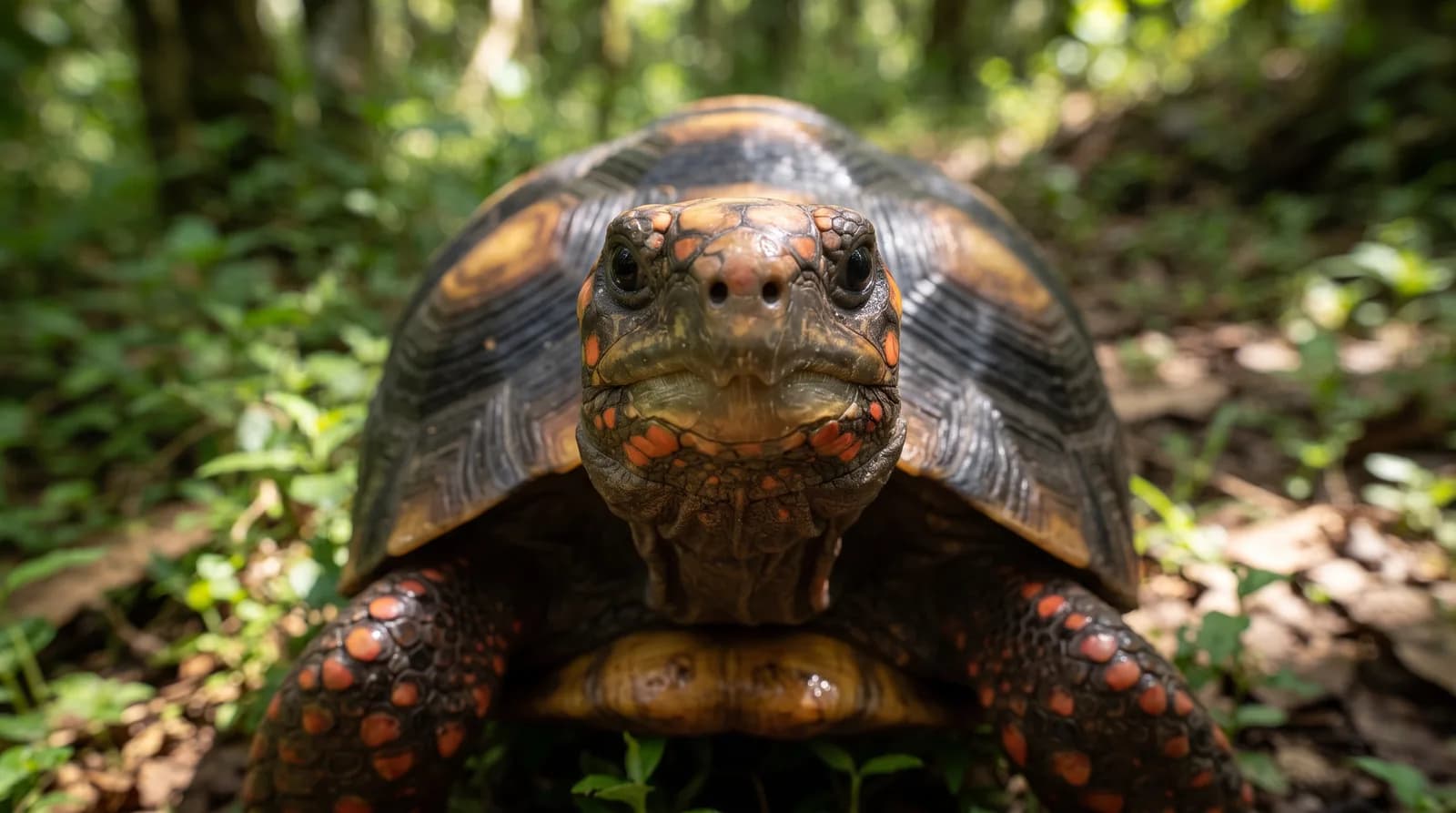 Vulnerable
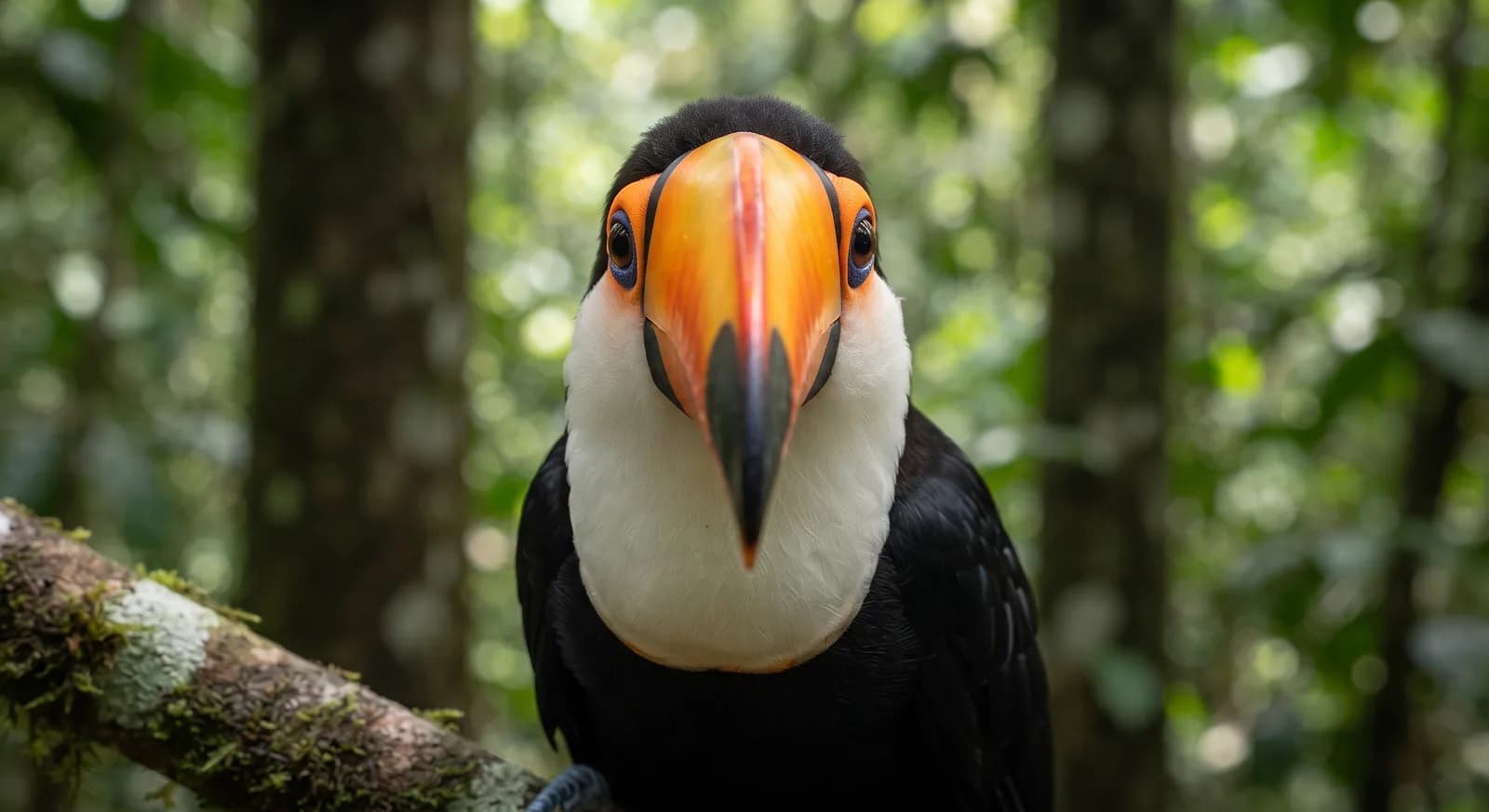 Least Concern
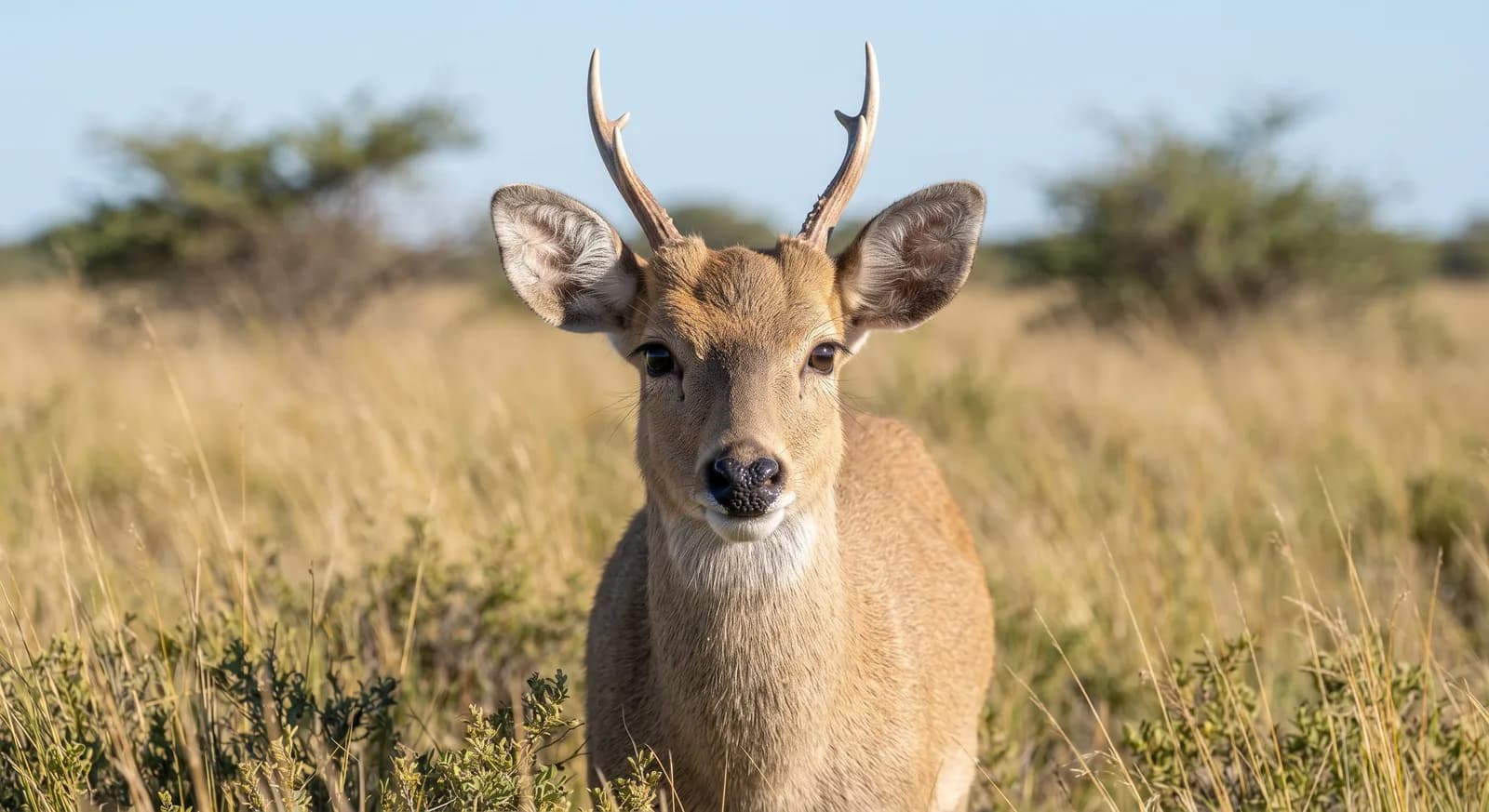 Near Threatened
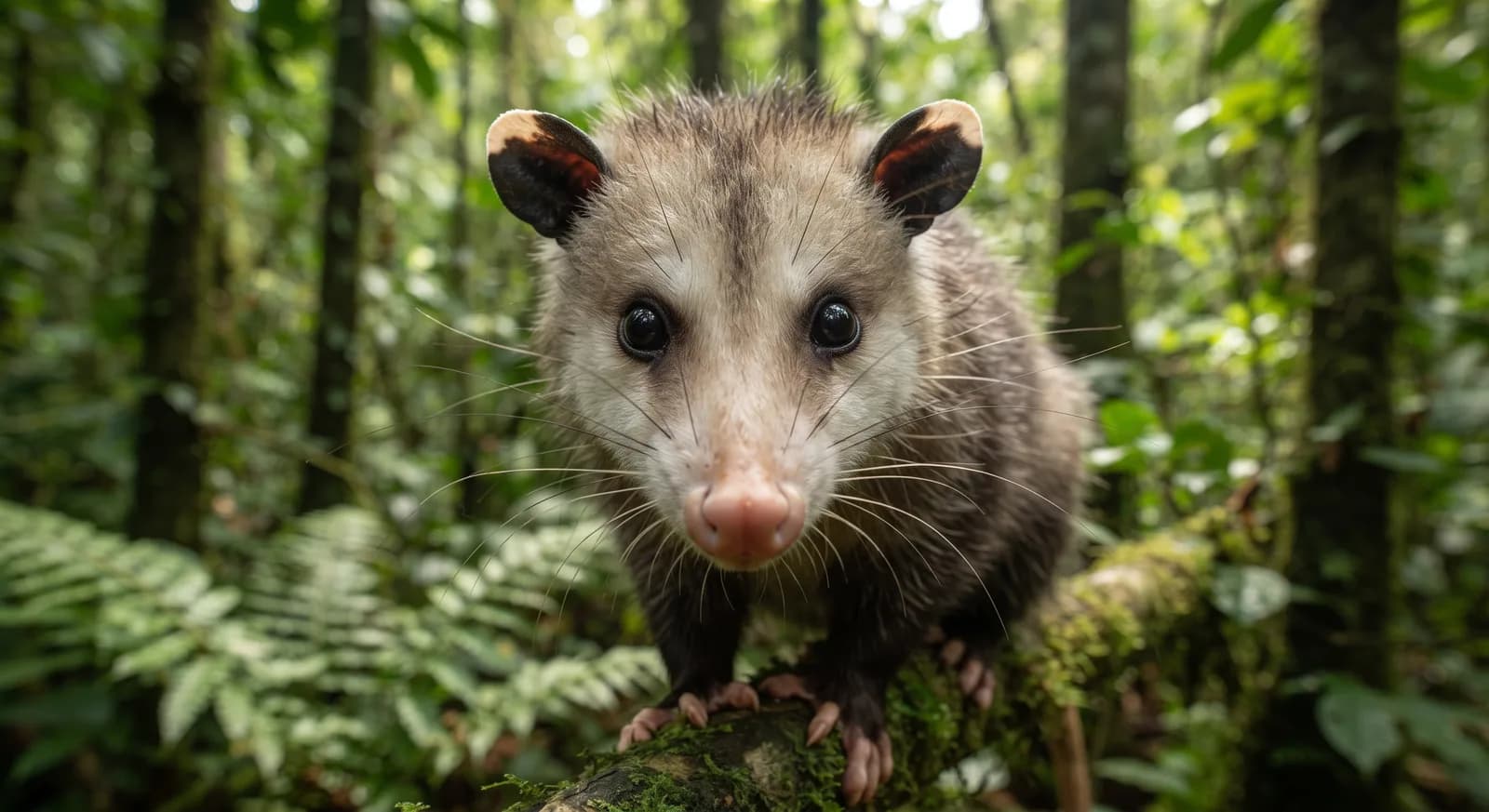 Least Concern
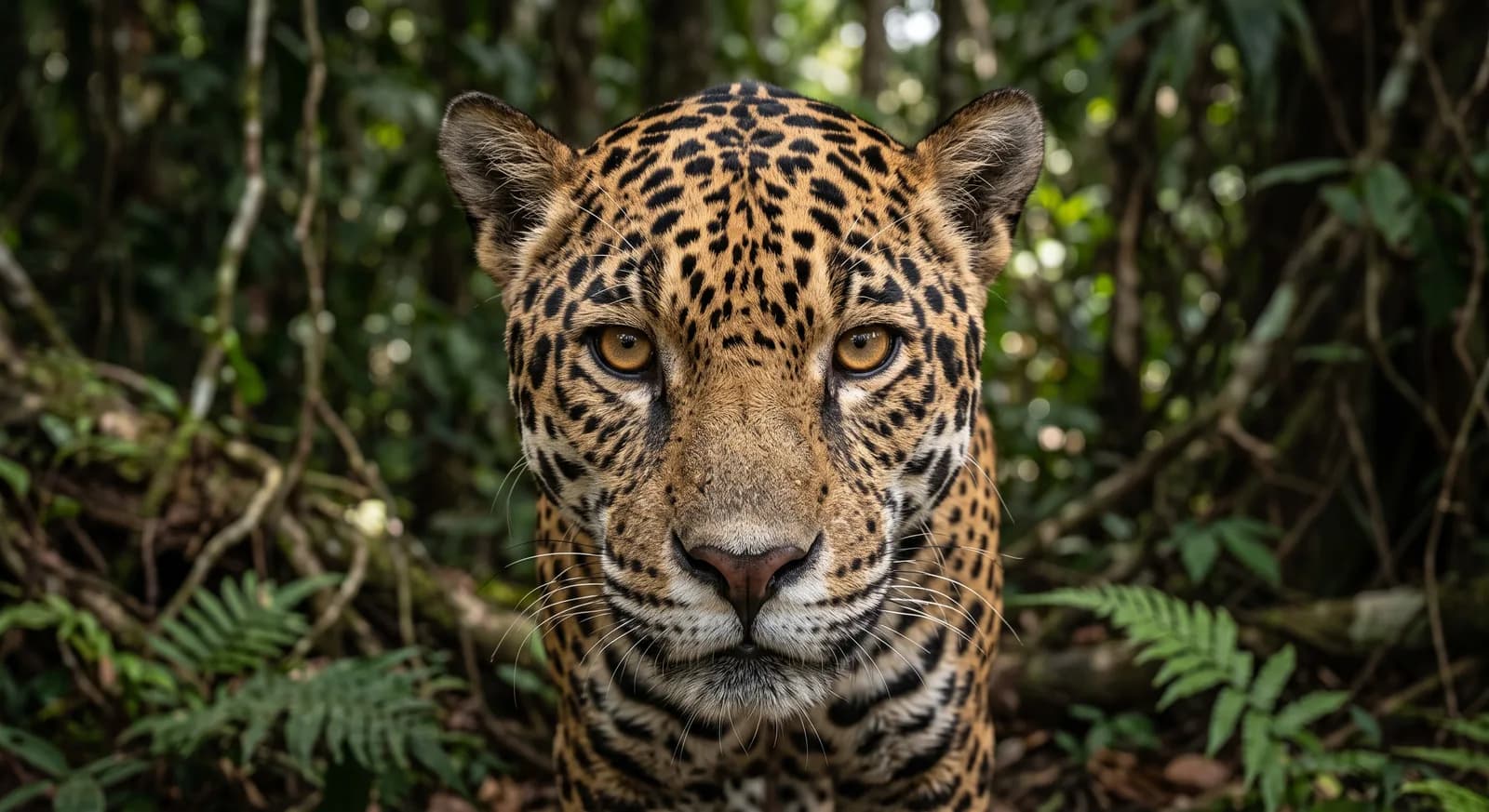
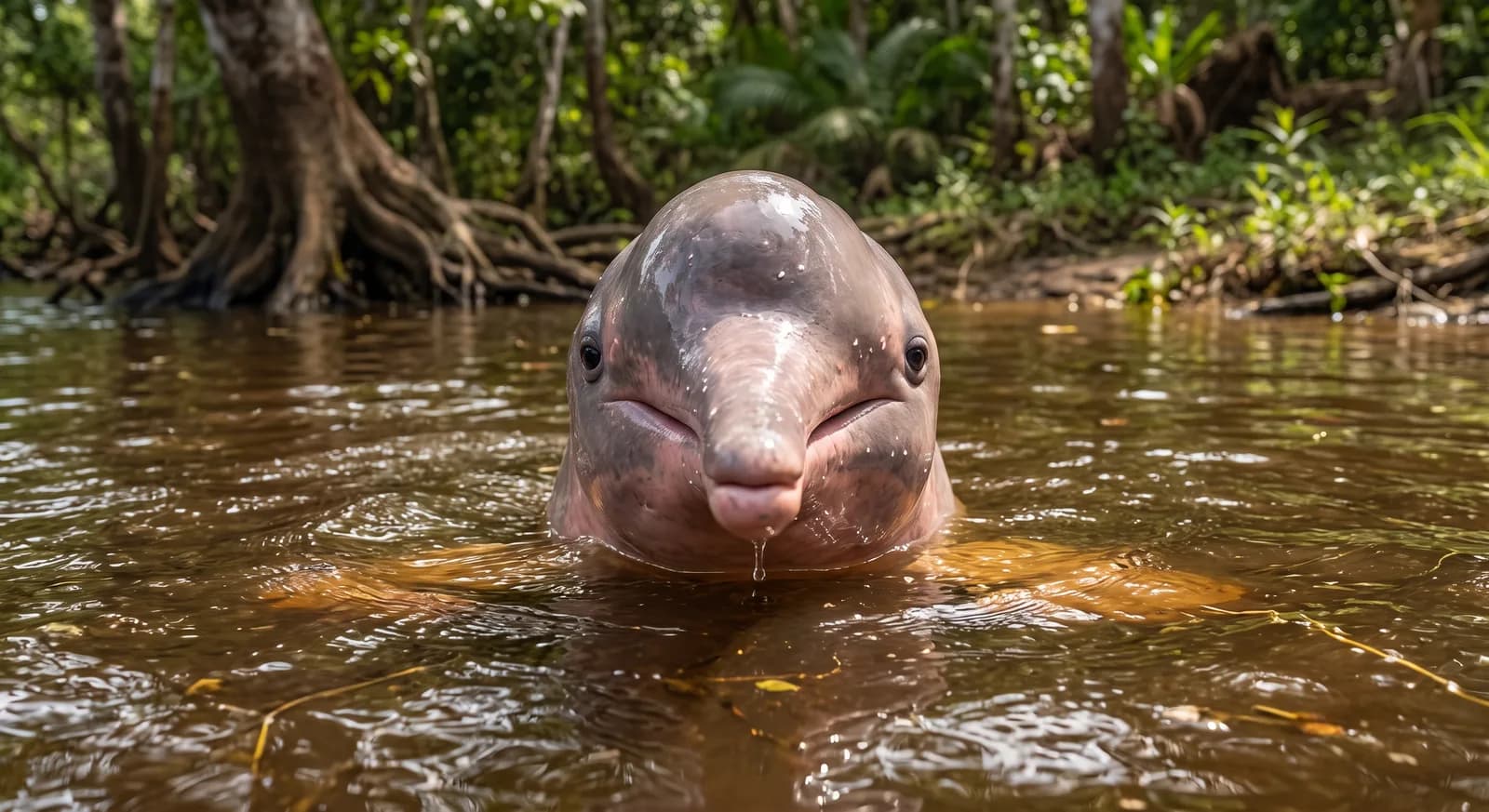
 Brazil