Skip to content
WAnimals
  • Map
  • Species
  • Parks
  • Diving
Log inCreate account
WAnimals

The guide for travellers and animal lovers: discover, plan and share your wild adventures around the world.

Discover wildlife

  • Species
  • Ecosystems
  • Glossary
  • Tags

Explore places

  • Map
  • Countries
  • Parks
  • Diving

Plan experiences

  • Guides

Learn

  • Blog

Resources

  • About us
  • How we build our profiles
  • Help centre
  • Contact
  • Install the app

Follow us

Account

  • Log in
  • Create account

© 2026 WAnimals. All rights reserved.

Terms of servicePrivacyCookiesLegal notice
MapSpeciesParksDiving
  1. Home
  2. Species
  3. Brazilian Merganser

One of the 10 ducks on WAnimals

Birds · Anseriformes · Anatidae

Brazilian Merganser

Mergus octosetaceus

Critically Endangered

At extremely high risk of imminent extinction in the wild.

Spotted something wrong?

A slender, dark diving duck with a glossy dark green head topped by a long crest, shorter and more worn in females. Dark grey upperparts, a pale grey breast fading to a whitish belly, and a white wing speculum very visible in flight. Its bill is long, fine and black, with a serrated, tooth-like edge.

Weight

1.1 kg – 1.4 kg

Size

49 cm – 56 cm

Diet

Piscivore

Feeds mainly on fish.

Activity

Diurnal

Active mainly during the day.

Social structure

In pairs

Usually lives in pairs, sometimes for life.

Estimated population

Between 150 and 250 mature individuals; possibly fewer than 250 birds in the wild

RainforestFreshwater
2countries6parks42same family

Fun facts

  • It is one of the six most threatened waterbirds in the world.
  • It depends on pristine rivers: deforestation, mining, hydroelectric dams, pollution and even recreational canoeing degrade its habitat.
  • Captive breeding began in 2011, when the Zooparque at Itatiba, in Brazil, raised the first ducklings; Prague Zoo joined in 2023 and had its first ducklings in 2025.

Life cycle and biology

Skeleton type
Vertebrate - internal bony skeleton (bird)
Habitat and environment
Isolated stretches of clear, fast-flowing rivers in Brazil, Argentina and Paraguay. It nests in tree hollows or rock crevices near the banks. Each pair uses an average of 9 km of river, an enormous home range compared with other Mergus
Birth weight
Precocial: born covered in down and leaves the nest within a few hours
Size at birth
Precocial: born covered in down and leaves the nest within a few hours
Sexual maturity
2 years
Gestation / incubation
~33 days of incubation
Litter / clutch size
2 to 4 chicks per brood, averaging 2.7: lower than in other species of the genus

Sources consulted: IUCN Red List · Silveira y Bartmann 2002, Bird Conservation International (Serra da Canastra) · Eyton 1838 · Partridge (observaciones en Argentina, 1949-1954) · Vieillot 1817 · Threatened Waterfowl Specialist Group · Prague Zoo

Where to find it

Best time: All year round, though it is extremely elusive and hard to see

Loading map…

The pins mark the parks where its presence is documented.

Where to see it

Parks and dive sites where this species has been documented.

Related species

Other species in the catalogue with the most in common with Brazilian Merganser — same habitat, park, country, tags or family.

Same taxonomic family
Shares a park
Shares a park
Shares a park

How to help

The brazilian merganser is classified as critically endangered. Organisations such as the IUCN, WWF and the Wildlife Conservation Society work specifically on its conservation and that of its habitat; looking into their programmes is a good starting point if you want to get involved.

It's documented in 5 protected areas — one reason why protecting these places matters for its conservation.

Keep exploring

Based on what we already know about brazilian merganser.
Share an experience, a fun fact or a tip for seeing the brazilian merganser.
See full glossary
This page in other languages: Español · Deutsch · Français · Português · Italiano
See its range on the interactive map→
Iguazú National ParkArgentina
Iguaçu National ParkBrazil
Serra da CanastraBrazil
EmasBrazil
Chapada dos GuimarãesBrazil
Chapada dos VeadeirosBrazil
Least Concern

Knob-billed Duck

Sarkidiornis melanotos

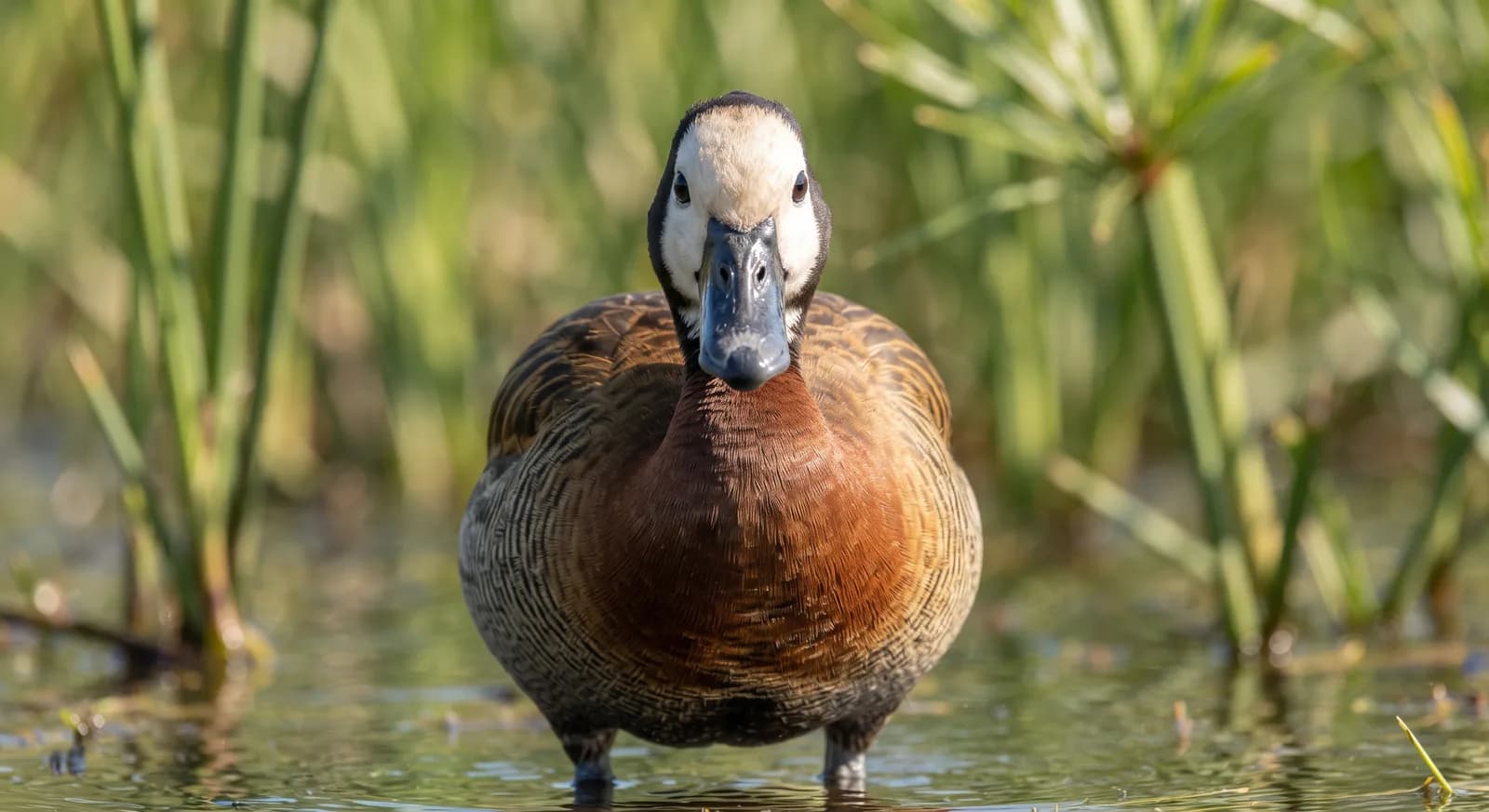
White-faced Whistling-DuckLeast Concern

White-faced Whistling-Duck

Dendrocygna viduata

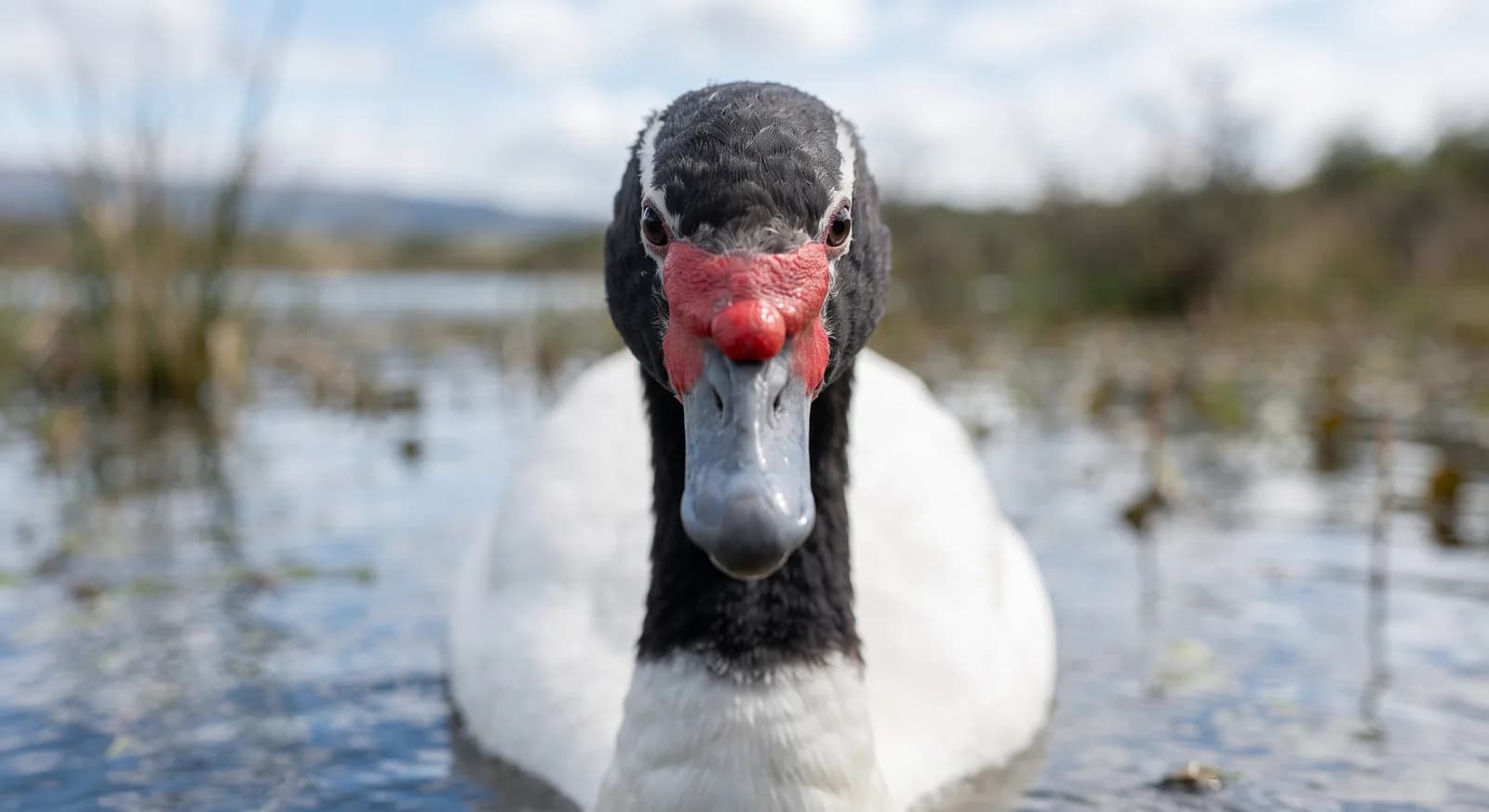
Black-necked SwanLeast Concern

Black-necked Swan

Cygnus melancoryphus

Southern ScreamerLeast Concern

Southern Screamer

Chauna torquata

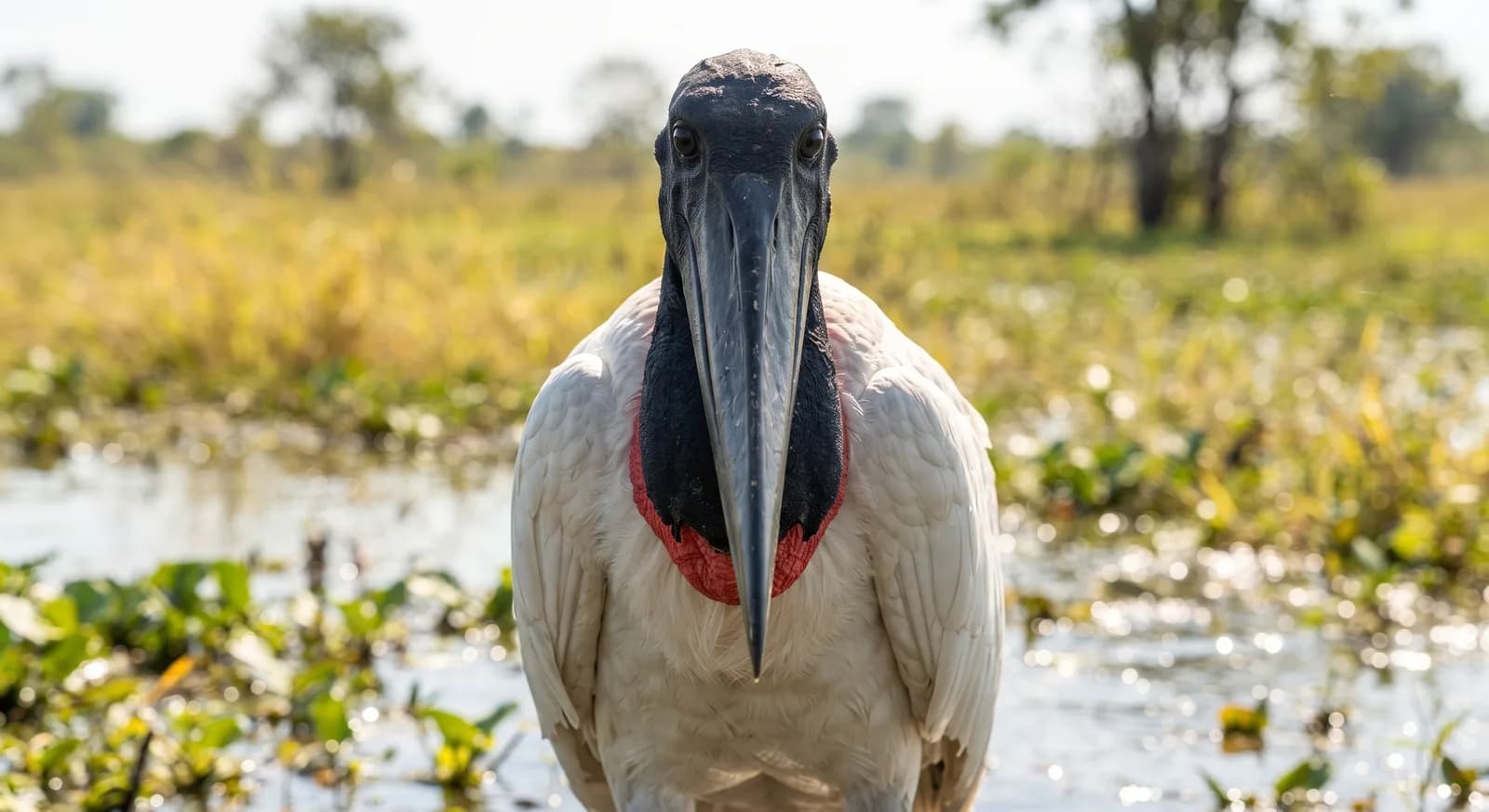
JabiruLeast Concern

Jabiru

Jabiru mycteria

Least Concern

Double-collared Seedeater

Sporophila caerulescens

CountriesBrazil
ParksIguazú National ParkArgentina
TagsPiscivore
Piscivore
Diurnal
In pairs
Critically Endangered
Bird
Rainforest
Freshwater
Brazil
Argentina