Skip to content
WAnimals
  • Map
  • Species
  • Parks
  • Diving
Log inCreate account
WAnimals

The guide for travellers and animal lovers: discover, plan and share your wild adventures around the world.

Discover wildlife

  • Species
  • Ecosystems
  • Glossary
  • Tags

Explore places

  • Map
  • Countries
  • Parks
  • Diving

Plan experiences

  • Guides

Learn

  • Blog

Resources

  • Help centre
  • Contact
  • Install the app

Follow us

Account

  • Log in
  • Create account

© 2026 WAnimals. All rights reserved.

About usHow we build our profilesTerms of servicePrivacyLegal notice
MapSpeciesParksDiving
  1. Home
  2. Species
  3. Double-collared Seedeater

Birds · Passeriformes · Thraupidae

Double-collared Seedeater

Sporophila caerulescens

Least Concern

The species is abundant and widely distributed; it faces no significant short-term risk.

Spotted something wrong?

The double-collared seedeater is a passerine bird of the family Thraupidae belonging to the large genus Sporophila. It is native to south-central South America.

Weight

8 g – 12 g

Size

10 cm – 11 cm

Life expectancy

8 years

Diet

Herbivore

Feeds mainly on plants.

Activity

Diurnal

Active mainly during the day.

Social structure

In pairs

Usually lives in pairs, sometimes for life.

Sighting difficulty

Easy

FreshwaterGrassland
6countries44parks7same family

Fun facts

  • It is one of the traditional cage birds of Brazil and Argentina, where song contests are held: that demand sustains a considerable illegal trade even though the species remains common in the wild.
  • The males learn their song from their neighbours, and there are regional dialects so marked that an expert can tell where a bird comes from by its repertoire alone.
  • It follows the flowering and seeding of grasses in nomadic movements, and can vanish from an area for months only to reappear when the grassland sets seed.

Life cycle and biology

Skeleton type
Vertebrate - internal bony skeleton (bird)
Habitat and environment
Tall grassland, wetland margins, farmland and scrub of central and eastern South America
Birth weight
Altricial: born blind, naked or with sparse down and entirely dependent
Size at birth
Altricial: born blind, naked or with sparse down and entirely dependent
Sexual maturity
12 months
Gestation / incubation
13 days of incubation
Litter / clutch size
3 eggs

Sources consulted: https://es.wikipedia.org/wiki/Sporophila_caerulescens

Where to find it

Best time: From September to March in southern Brazil, Paraguay, Bolivia, Uruguay and Argentina, by day, in grassland and along roadsides.

Loading map…

Where to see it

Parks and dive sites where this species has been documented — showing 10 of 44.

Related species

Other species in the catalogue with the most in common with Double-collared Seedeater — same habitat, park, country, tags or family.

Same taxonomic family
Shares a park
Shares a park
Shares a park

Keep exploring

Based on what we already know about double-collared seedeater.

Comments

Share an experience, a fun fact or a tip for seeing the double-collared seedeater.

Be the first to comment.

See full glossary
This page in other languages: Español · Deutsch · Français · Português · Italiano

The pins mark the parks where its presence is documented.
See its range on the interactive map→
TalampayaArgentina
Ischigualasto (Valley of the Moon)Argentina
IberáArgentina
El PalmarArgentina
Pantanal MatogrossenseBrazil
Chapada DiamantinaBrazil
Lencois MaranhensesBrazil
ManuPeru
TambopataPeru
Cordillera AzulPeru
See all 44 parks
Least Concern

Red-crested Cardinal

Paroaria coronata

Endangered

Yellow Cardinal

Gubernatrix cristata

Least Concern

Paradise Tanager

Tangara chilensis

Southern ScreamerLeast Concern

Southern Screamer

Chauna torquata

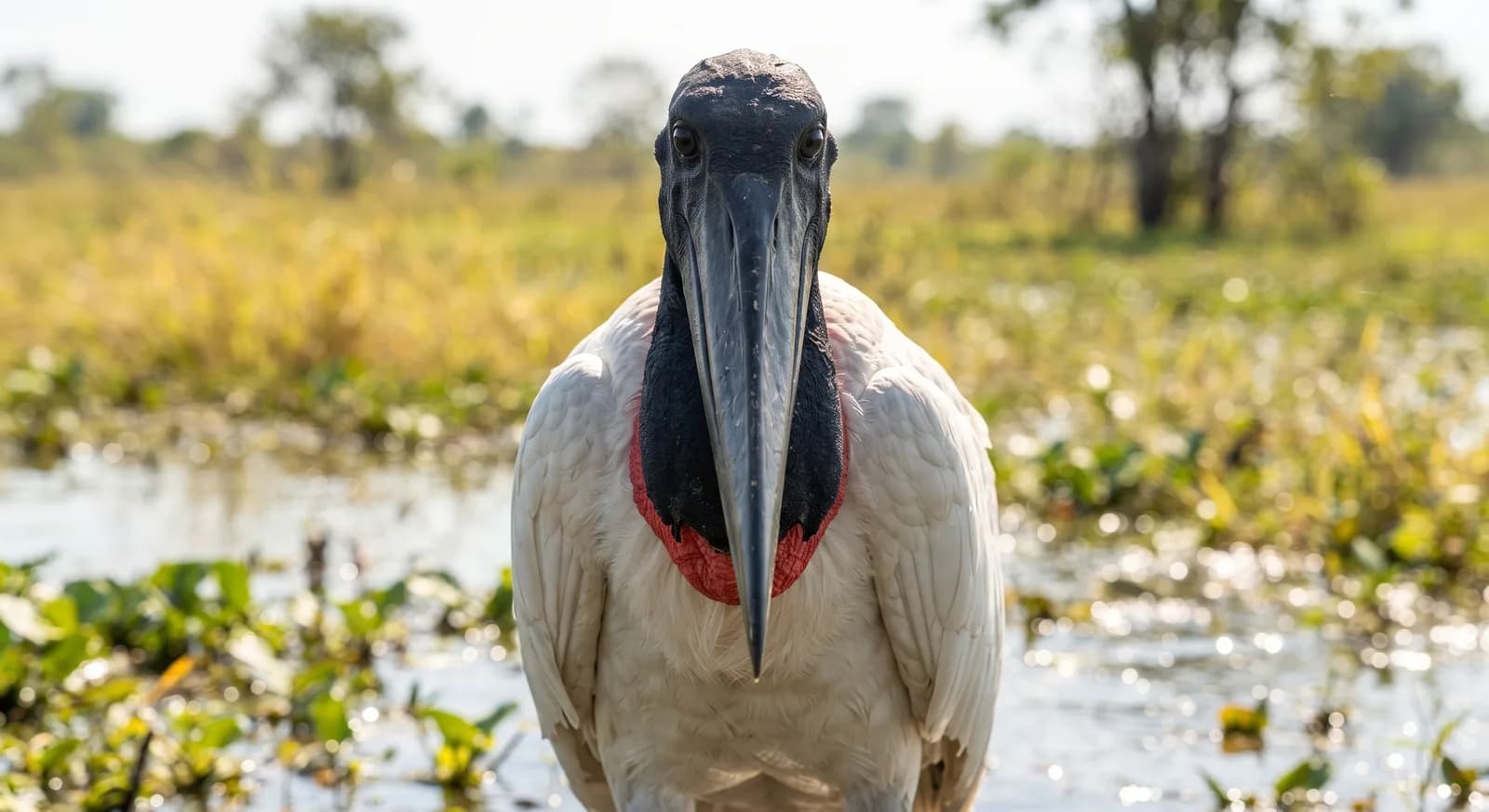
JabiruLeast Concern

Jabiru

Jabiru mycteria

Least Concern

Crested Caracara

Caracara plancus

CountriesBrazil
ParksTalampayaArgentina
TagsHerbivore
Herbivore
Diurnal
In pairs
Bird
Freshwater
Grassland
Brazil
Argentina
Peru
Bolivia
Uruguay
Paraguay